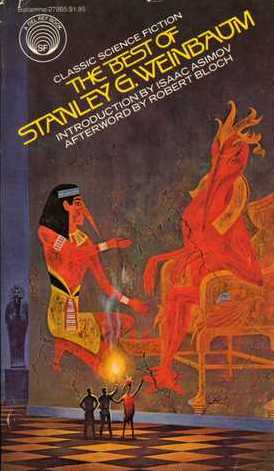
Vintage Treasures: The Best of Edmond Hamilton
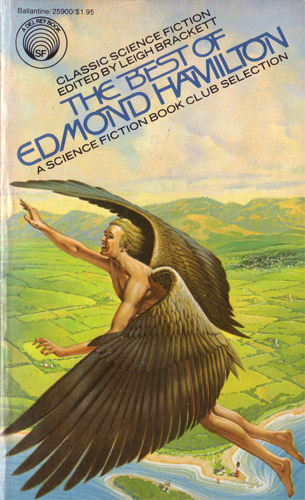 Edmond Hamilton is my favorite pulp writer and he has been since I read the chilling short story “The Man Who Evolved” in Before the Golden Age. (Read the complete story online at The Nostalgia League.)
That’s a long time, especially considering how many pulp tales I’ve read in the intervening years. But Hamilton had a lengthy and productive career — he was one of the few writers to survive both the coming of Campbell, who ushered in the Golden Age of Science Fiction, and the death of pulps more than a decade later.
Hamilton’s first published story, “The Monster-God of Mamurth,” appeared in the August 1926 issue of Weird Tales. It was a fully realized tale of eldritch horror, following the exploits of a group of explorers who discover a legendary lost city in the desert and the sinister spider-things who inhabit it still.
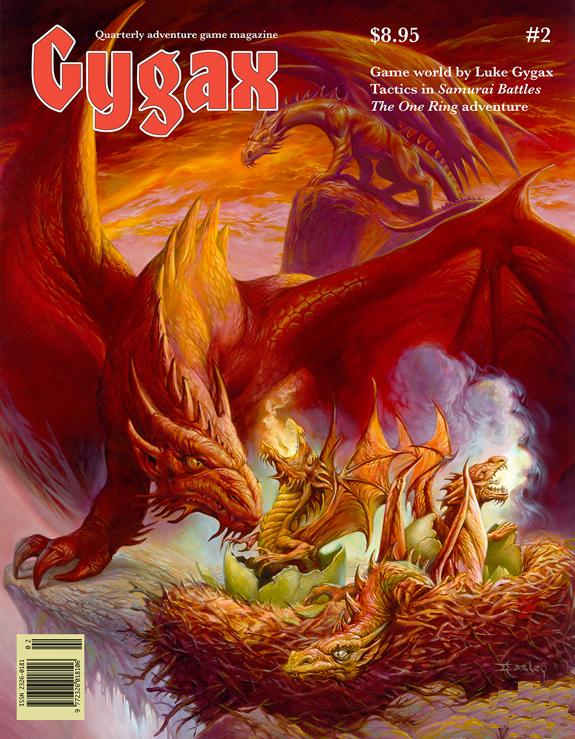
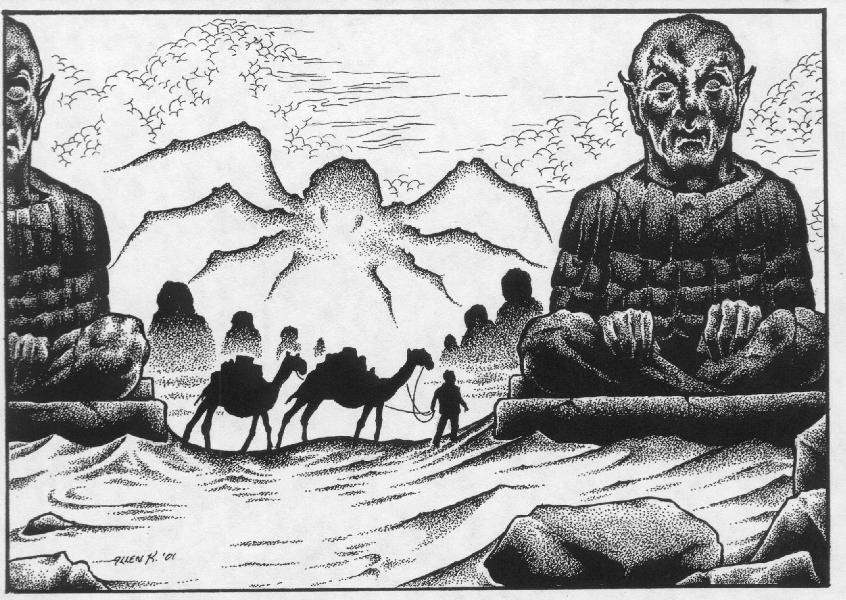
When we began including reprints in the print version of Black Gate, “The Monster-God of Mamurth” was the second one we chose, and it appeared in BG 2, with all-original art by Allen Koszowski (see one of the magnificently creepy illos he did for us here).
Hamilton quickly became one of Weird Tales‘ most popular and prolific writers, appearing alongside H. P. Lovecraft and Robert E. Howard. All told he sold 79 stories to Farnsworth Wright and the magazine’s later editors between 1926 and 1948; only Seabury Quinn and August Derleth appeared more often in the magazine’s pages.
According to his ISFDB page, Hamilton wrote exactly 200 short stories for the magazines between 1926 and his death in 1977. He appeared in virtually all the science fiction and fantasy pulps, including Air Wonder Stories, Wonder Stories, Thrilling Wonder, Super Science Stories, Amazing Stories, Fantastic Science Fiction, and many others.
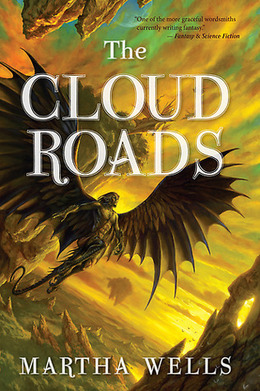
 A few years ago, a cat came to live with me under unexpected circumstances. (This is getting around to a look at a fantasy novel, and no the novel has nothing to do with cats as such, and yes I have a point.) I’d never had a pet when I was young, so I suddenly found myself dealing with a new range of experiences and emotions; and found also that the depictions in most media of relationships between pets and their humans were notably lacking. There’s a complexity of living with, and to an extent being responsible for, a non-human animal. You have to learn about (and sometimes worry about) diet and medical needs and what certain behaviour patterns mean. You have to learn how to communicate with a creature that does not use words — but which may be surprisingly good at understanding emotions in a voice. These sort of things are rarely shown in most stories about humans and animals, but they’re a crucial part of the experience of dealing with a pet.
 A couple weeks ago, I discussed one of the movies I saw at this year’s