Inspiration and Emulation, Tolkien and Gygax
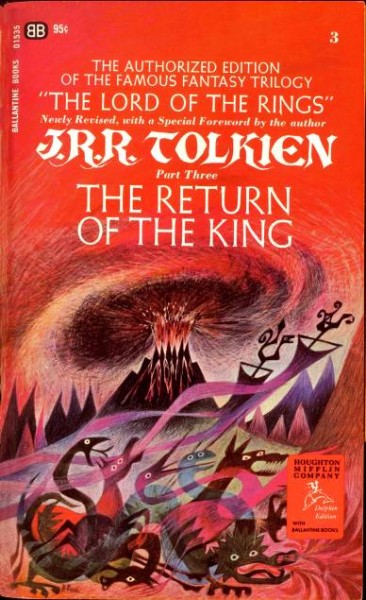 To say that I have an abiding interest in the relationship between tabletop roleplaying games and the literary inspirations of their creators is something of an understatement.
Notice, though, that I said “inspirations” rather than another word that frequently gets bandied about when discussing the relationship between literature and RPGs – emulation. I can’t recall precisely when I first heard the term “emulation” used in the context of roleplaying games, but I’d be surprised if it were before the late 1980s. That’s about a decade after I entered the hobby, so my memory is admittedly fuzzy and I could well be mistaken. On the other hand, I heard the term “inspiration” a great deal, most notably in (you knew this was coming!) Gary Gygax’s 1979 Appendix N and the “Inspirational Source Material” found in the 1981 Tom Moldvay-edited edition of Dungeons & Dragons. Back in those days, game creators often talked about the books whose characters, plots, and ideas had fired their imaginations to such a degree that they decided to create a RPG that drew on them; they still do.
“Emulation” is something different. It’s one thing, I believe, to create a fantasy roleplaying game inspired by, say, Robert E. Howard’s stories of Conan the Cimmerian, but an entirely different thing to create a roleplaying game intended to emulate the adventures of Conan. Emulation implies a degree of fidelity to its literary sources (at least thematically), as well as some means – whether rules or advice – to ensure that experience of playing the game imitates that source material. An example of what I’m talking about that comes immediately to mind is Chaosium’s Call of Cthulhu RPG. While its rules do not explicitly talk about emulation, they do include game mechanics for the loss of sanity that results from encounters with blasphemous tomes and eldritch horrors. The creator of a game that’s merely inspired by some literary source is under no such obligations. After all, inspiration can take many forms, many of which do not include aping one’s sources of inspiration.
I mention all of this as a prologue to a large, more contentious discussion, namely the place of the works of J.R.R. Tolkien in the creation of Dungeons & Dragons.