Blogging Alex Raymond’s FLASH GORDON, Part Three: “Tournaments of Mongo”
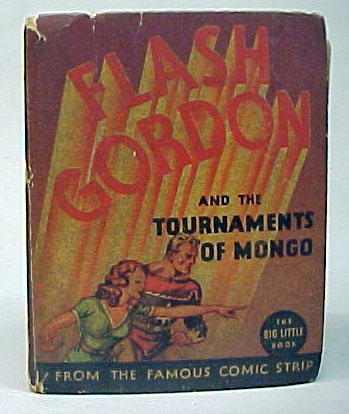 “Tournaments of Mongo” was the third installment of Alex Raymond’s FLASH GORDON Sunday comic strip serial for King Features Syndicate. Originally printed between November 25, 1934 and February 24, 1935, “Tournaments of Mongo” picked up the storyline where the second installment, “Monsters of Mongo” left off with Dr. Zarkov being knighted by Vultan for saving the Hawkmen’s sky city from crashing to the ground.
Before Vultan can host Flash and Dale’s royal wedding, Emperor Ming and his daughter, Princess Aura arrive with Ming’s air fleet demanding Flash be handed over. Of course, Aura wants Flash for herself while her father wants to see him dead. Vultan invokes the ancient rite of tournament to determine Flash’s fate and Ming heartily agrees, certain it will mean the Earthman’s doom.
The obvious change beginning with this strip is that Alex Raymond’s artwork is being granted more space than before as Raymond decreases the strip from nine equally-sized panels to a more inventively designed seven panels to better showcase his stunning artwork which was steadily growing in both complexity and sophistication.
Raymond began to move away from word balloons in each panel to more formal narrative in small print at the top or bottom of the panel, often relegated to a single corner. This allowed Raymond to concentrate on majestic paintings depicting Mongo’s people and wildlife in all their glory.
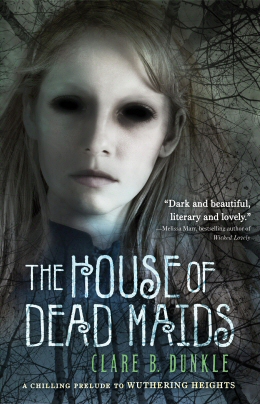
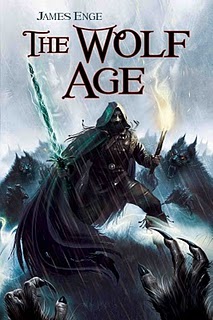 James Enge tells us (rather gleefully) that “A slab of The Wolf Age is up at the Pyr samples site. Werewolves. Ghost-powered zeppelins. The usual stuff.”
 This is the fourth in a series of posts investigating the question of who wrote the first otherworld fantasy (you can find the first part
 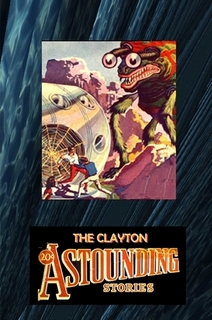 Back in April we told you about
 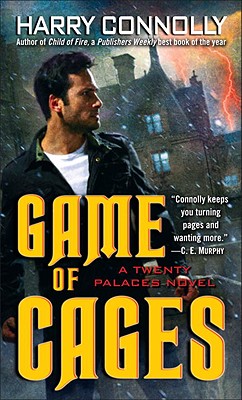 The most interesting title waiting for me when I returned from our adventures at
 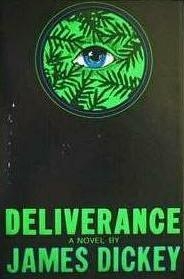 I lay with the flashlight still in one hand, and tried to shape the day. The river ran through it, but before we got back into the current other things were possible. What I thought about mainly was that I was in a place where none—or almost none—of my daily ways of living my life would work; there was not habit I could call on. Is this freedom? I wondered.
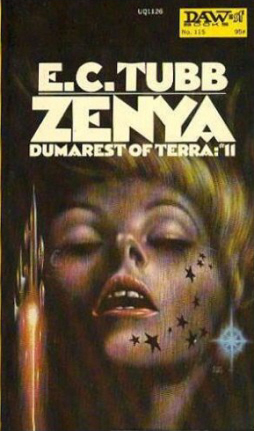 British science fiction author Edwin Charles (“E.C.”) Tubb died on September 10, 2010, at his home in London, England. He was 90 years old.
 Star Soldier by Vaughn Heppner, Book #1 of the Doom Star Series, has reached the Top of Amazon’s bestseller list for
 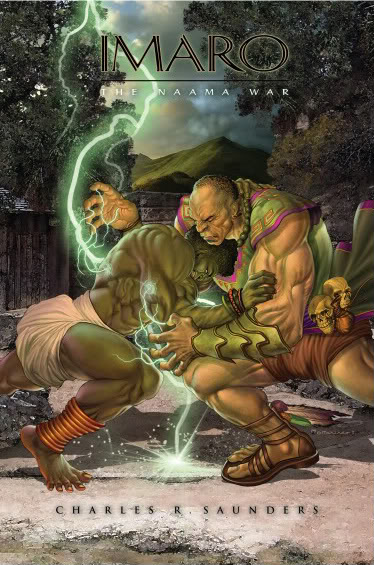 Imaro: The Naama War