Browsed by
Category: Books

Blogging Sax Rohmer… In the Beginning, Part Five

Blogging Sax Rohmer… In the Beginning, Part Five

Sax-Rohmer-smallSax Rohmer 2-small“The Secret of Holm Peel” was first published in Cassell’s in December 1912 and was the last story Arthur Henry Ward published under the byline of Sarsfield Ward (having dropped the first initial A.).

Rohmer scholar Robert E. Briney rescued it from obscurity for the 1970 Ace paperback Rohmer collection of the same name. Many years later, Gene Christie selected the story for inclusion in the first volume of Black Dog Books’ Sax Rohmer Library, The Green Spider and Other Forgotten Tales of Mystery and Suspense, in 2011.

The story’s inspiration can be found in Rohmer’s article, “The Phantom Hound of Holm Peel,” which was first published in Empire News in February 1938 and was later collected by Rohmer scholars Dr. Lawrence Knapp and John Robert Colombo in the 2012 Battered Silicon Dispatch Box collection of Rohmer’s articles, Pipe Dreams: Occasional Writings of Sax Rohmer. The article was also recounted by Rohmer’s widow, Elizabeth Sax Rohmer, and his former assistant, Cay Van Ash, in their 1972 biography of the author, Master of Villainy, as well as by the aforementioned John Robert Colombo in his 2014 collection, A Rohmer Miscellany.
Read More Read More

Vintage Treasures: The Compleat Werewolf, by Anthony Boucher

Vintage Treasures: The Compleat Werewolf, by Anthony Boucher

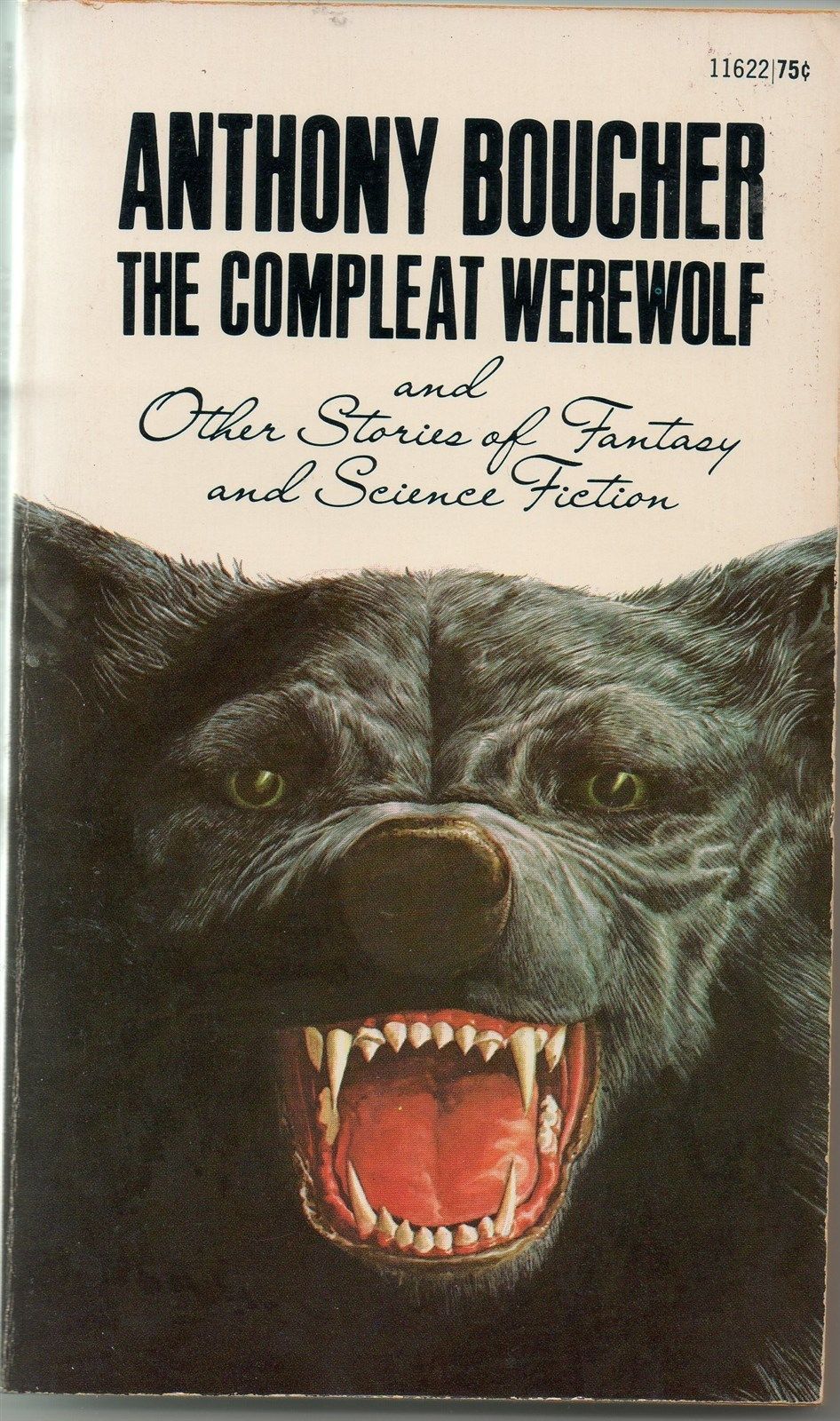
The Compleat Werewolf-smallI like classic werewolf tales, in much the same way I like old-fashioned vampire stories. Tales of spooky nights, full moons, and ancient family curses are both frightening and warmly familiar.

Along with J. Francis McComas, Anthony Boucher was the the founding editor of The Magazine of Fantasy & Science Fiction; he edited the magazine from 1949 to 1958, winning the Hugo Award twice for his efforts. He was equally acclaimed for his mystery novels, including Nine Times Nine (1940) and Rocket to the Morgue (1942), which featured thinly-disguised versions of Robert A. Heinlein, L. Ron Hubbard, Julius Schwartz, Henry Kuttner, Jack Williamson, Edmond Hamilton and John W. Campbell. He died in 1968. His 1969 collection The Compleat Werewolf is a delightful gathering of SF and fantasy tales originally published in the pulp magazines Unknown Worlds, Adventure, Astounding Science-Fiction, Weird Tales, and Thrilling Wonder Stories. Here’s the book description.

Anthony Boucher was long known as an important book critic and editor, master of languages and successful novelist. He was also a superb short story writer of science fiction and fantasy: inventive, prolific- and always entertaining.

The stories and novelettes in this titanic collection were chosen for the sheer virtuosity of their themes, moods, backgrounds; for their insights; for their laughter. They are wonderfully peopled by moth-eaten little demons, grim interplanetary predators, rebellious androids and dopplegangers; by humans with otherworld talents; and finally, not least, by one very special werewolf.

Read More Read More

What’s Your Motive?

What’s Your Motive?

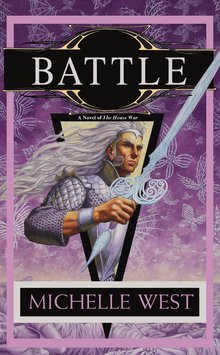
West House War 5I been known, when on my way to my writing desk, to stop to do the dishes, fold the laundry, clean the cat box, repaint the spare bedroom – you know, anything to avoid actually sitting down to write. And this despite the fact that I have a contract to do so, and a deadline.

What about deadlines? How well do they work as motivators? Some people, like Michelle West, just can’t write with something looming over them like that. Others can’t seem to write without one. It reminds me of the time a bunch of us were sitting around in the pub talking about “pulling an all-nighter.” The excuse for this procrastination (and we’ve all used it) is usually “I do my best work under pressure.” On this particular day, I heard the perfect response to that excuse: “Honey, you do your ONLY work under pressure.”

I don’t know anyone who hasn’t, at some point or another, for one reason or another, had to motivate themselves to write. The question is: How?

Most of us really intend to write. Most of us are okay once we get started. Daily word count is actually is a pretty good motivator to keep going once you start; the trick is to get started.

Many people use a form of peer pressure. They’re part of a critique group, say, maybe for NaNoWriMo, and they’ve got to produce a certain amount by the time the group meets or shares or whatever. But, I hear you saying, that’s really a deadline, isn’t it? Sure, but the idea of showing up empty handed on the day, when everyone else there has something to show, can be a great motivator for people, much more so than the idea of sending an apologetic email to your editor.

Read More Read More

Goth Chick News: Coffins as Marketing Material? You Betcha!

Goth Chick News: Coffins as Marketing Material? You Betcha!

Edgar Allan Paws and the Tell-Tale Tail-smallI’m often asked how one goes about getting their stories published — or even talked about — in Black Gate.

This generally leads to a somewhat uncomfortable conversation about the various viable options for attracting the attention of our Editor and Chief (aka “The Big Cheese”) John O’Neill – beyond never, ever forgetting to capitalize his various monikers when corresponding.

To get mentioned in Goth Chick News, the criteria for entre is less strenuous, if somewhat more narrow: do something uniquely creepy, but never gratuitously violent (anyone can throw blood around, after all). If you are going to tell me a story, make it a good one. Because there’s nothing worse than willingly following someone into a tale, only to be “shaken awake” by meandering plots, vampires who sparkle or, of course, a pointlessly high gross-out factor.

Or you can just deliver me a coffin – every girl has her weakness.

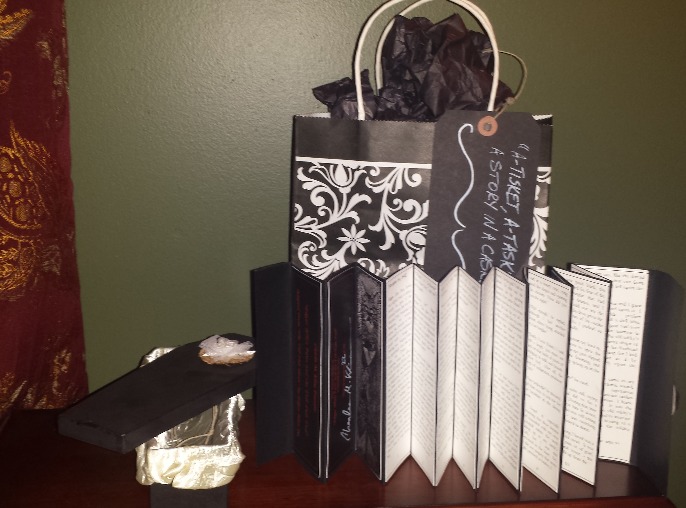
That’s precisely what author Charles M. Kline chose to do in promoting his upcoming ingenious title, Tales of the Grotesque and Felinesque by Edgar Allen Paws.

Read More Read More

New Treasures: The Dream-Quest of Unknown Kadath by H. P. Lovecraft and I. N. J. Culbard

New Treasures: The Dream-Quest of Unknown Kadath by H. P. Lovecraft and I. N. J. Culbard

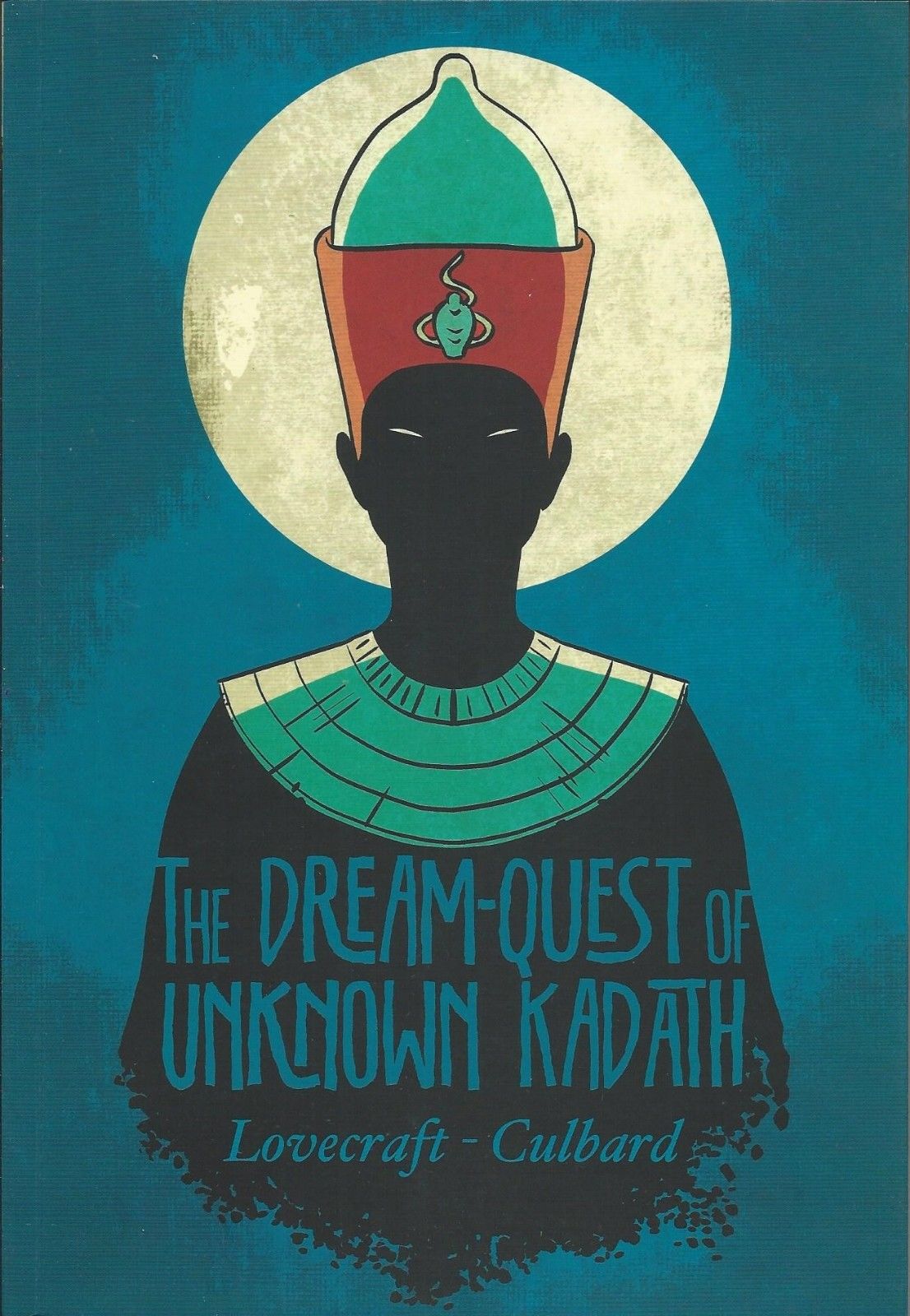
The Dream-Quest of Unknown Kadath-smallIn January of this year, I reviewed I.N.J. Culbard’s graphic novel adaptation of H.P. Lovecraft’s At The Mountains of Madness. And I loved it.

Since then, Culbard has produced several additional Lovecraft volumes, including comic adaptations of The Case of Charles Dexter Ward and The Shadow Out of Time. And while I was at my local comic shop on Saturday, buying D&D dice for my kids, I spotted another one in the new arrivals rack: The Dream-Quest of Unknown Kadath, a thick 144-page adaption of one of H.P. Lovecraft’s lesser-known fantasies.

Three times Randolph Carter dreamed of the marvelous city, and three times was he snatched away while still he paused on the high terrace above it.” Randolph Carter embarks on an epic quest across a world beyond the wall of sleep, in search of an opulent and mysterious sunset city. When he prays to the gods of dream to reveal the whereabouts of this magical city, they do not answer, and his dreams stop altogether. Undaunted, Carter resolves to go to Kadath, where the gods live, and beseech them in person. However, no one has ever been to Kadath, and no one even knows how to get there — but that won’t stop Randolph Carter from trying.

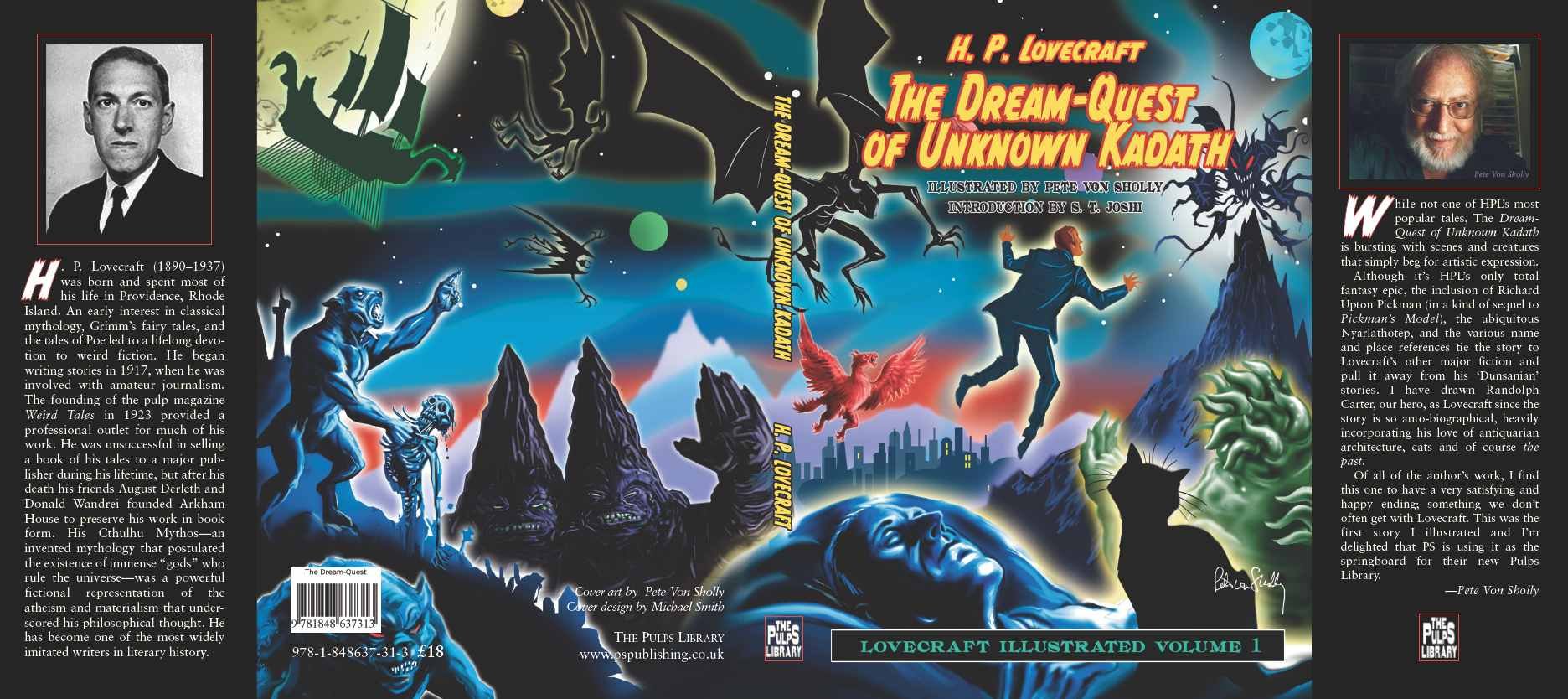
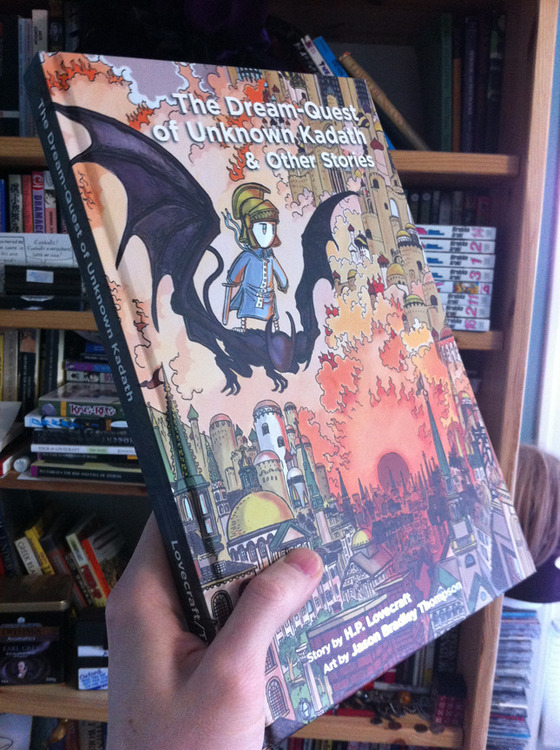
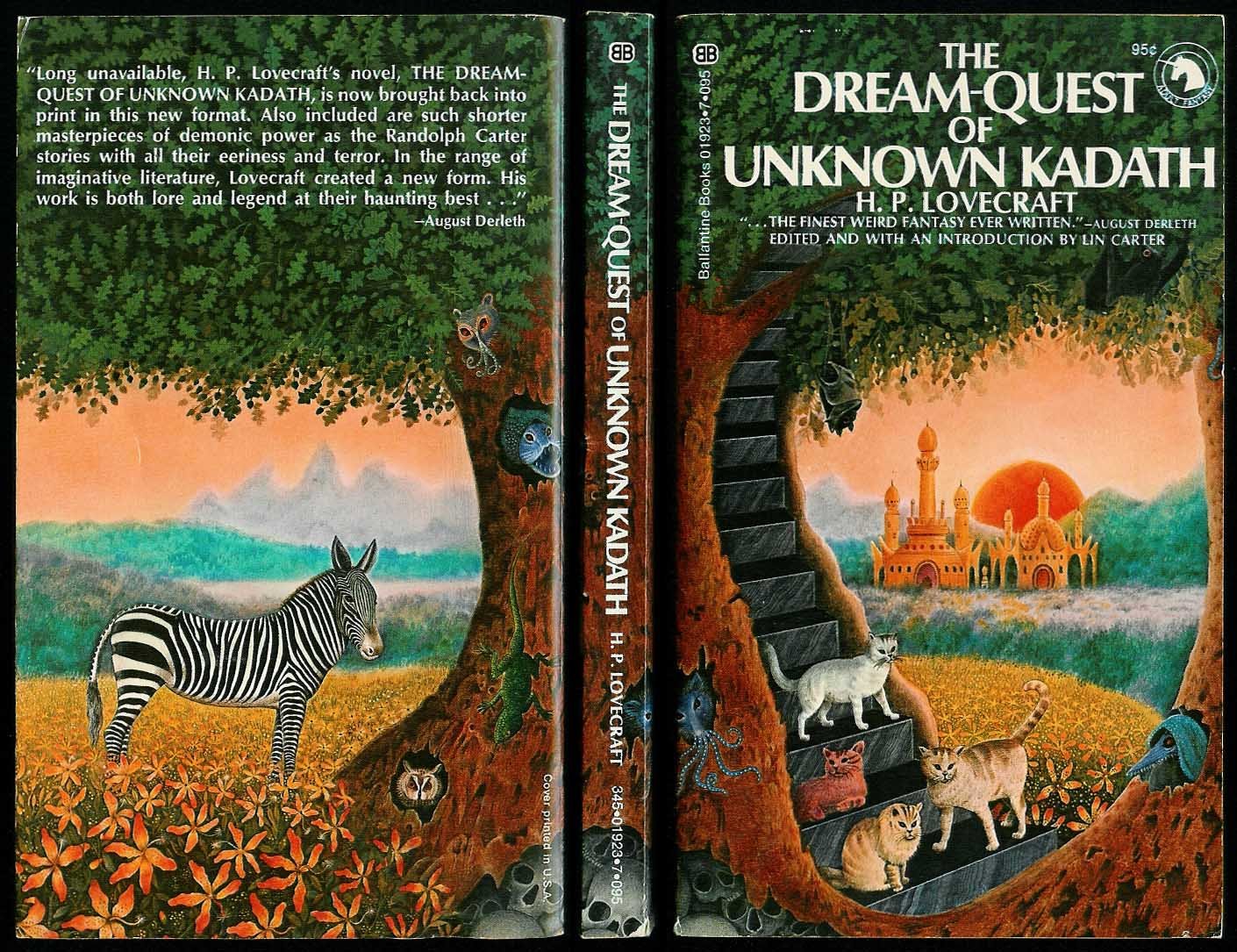
While The Dream-Quest of Unknown Kadath is not as celebrated as some of Lovecraft’s more famous work, it is highly regarded by many of his most dedicated fans. It’s also received several high-profile graphics adaptions in the last few years, including a gorgeous hardcover edition from P.S. Publishing (part of their new Pulps Library), and a Kickstarter-funded graphic novel from artist Jason Bradley Thompson. (And if you insist on going old school, of course, there’a also the Ballantine Adult Fantasy paperback.)

The Dream-Quest of Unknown Kadath was published by SelfMadeHero on November 18, 2014. It is 144 pages, priced at $19.95. There is no digital edition.

Ghost Stories and Stranger Tales: Couching at the Door by D.K. Broster

Ghost Stories and Stranger Tales: Couching at the Door by D.K. Broster

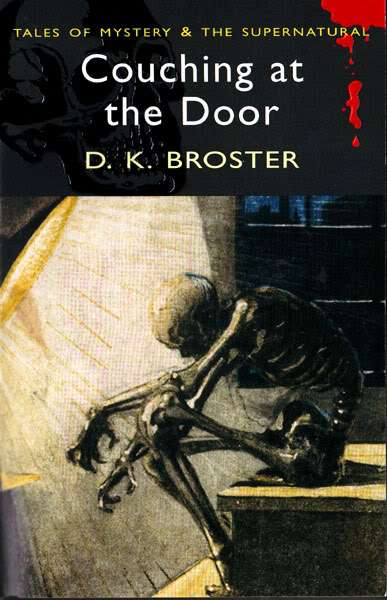
Couching at the Door-smallThomas Parker’s article on Ghost Stories for Christmas yesterday inspired me to look through my own collection for Victorian era ghost stories. I was intrigued by his suggestion to revive the ghostly tradition of Christmas past, by reading classic ghost stories out loud to my kids around the fireplace on the cold evenings of December.

Of course, my children are all teenagers. Which means they’ll be checking their smartphones, playing games on the iPad, and generally rolling their eyes when I suggest a 100-year old family entertainment. They don’t even like to watch movies from the 1980s. Or technology of any kind released before 2010.

Well, that’s parenting. You need to endure a little eye-rolling before they come around. I think I’ll start with W.F. Harvey’s “The Clock,” from The Beast with Five Fingers, which John C. Hocking called “a masterful short piece… Truly one of the finest examples of what H.P. Lovecraft called ‘spectral fear’ ever put on the page.” Or maybe a ghost detective story from Mark Valentine’s The Black Veil & Other Tales of Supernatural Sleuths. Or a Sherlock Holmes pastiche from The Game’s Afoot.

Of course, all three of these books have one thing in common: They’re all part of Wordsworth’s Tales of Mystery & The Supernatural (or TOMAToS, for short). It’s the perfect line of books if you’re looking for great Victorian horror tales…. or great ghost stories, period.

I need a book that will keep them on their toes, an author who mixes supernatural mysteries with even stranger weird tales. And after looking through my Wordsworth collection, I think I have just the thing: D.K. Broster’s Couching at the Door.

Read More Read More

The Doom That Came to Lovecraft

The Doom That Came to Lovecraft

santhulhuI turned 45 right before Halloween and once again I feel the cold claws of senescence tighten their grip around my throat. I used to pride myself on my memory, which, while not truly “photographic” – assuming such a thing even exists – was always extremely keen. Note that that I said “was.” Lately, I’m finding it harder and harder to keep the details of my wasted youth straight in my mind.

A good case in point concerns when I first encountered the writings of H.P. Lovecraft. I know for certain that it was after I first started playing Dungeons & Dragons, but before Chaosium released its Lovecraft-inspired RPG, Call of Cthulhu. That suggests, then, the likeliest date is sometime in 1980, since, by then, I’d not only have acquired a copy of Gary Gygax’s masterwork, the Dungeon Masters Guide, whose Appendix N cited HPL as one of “the most immediate influences upon AD&D,” but had also made the acquaintance of older players who frequently extolled the virtues of pulp literature to my friends and I.

What I do remember is that, at the time, the very name “Lovecraft” sounded fantastical to me. I almost couldn’t accept that it was a real name, since I’d never heard of anyone with such a moniker before. This probably contributed greatly to the reverence in which I’d later hold his writings, a reverence that has only increased as I’ve grown older and had occasion to read and re-read his stories countless times.

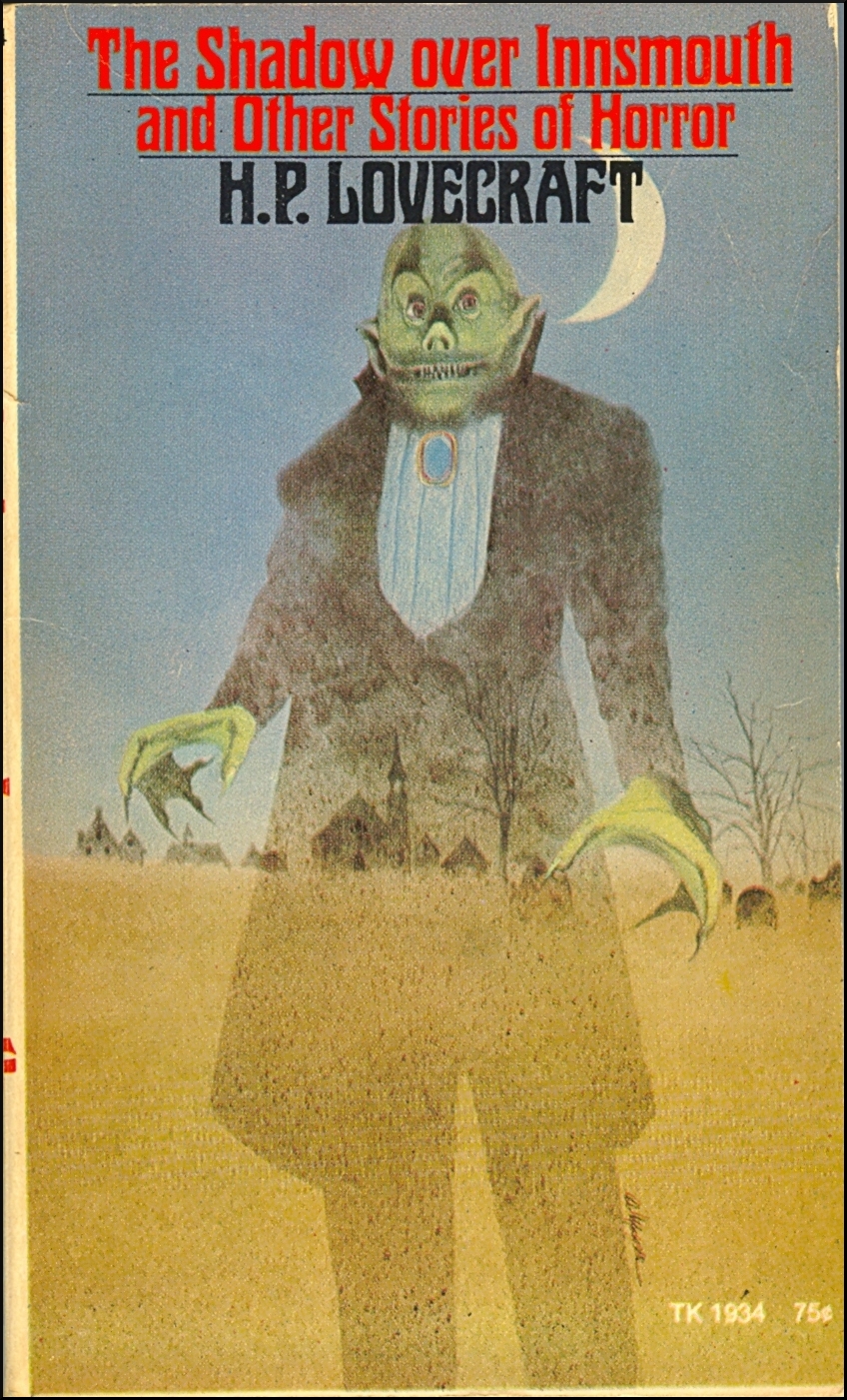
What I also remember was that, not long after learning about the Gentleman from Providence, I rushed to my local library to find copies of his “books,” not yet realizing that most of his output consisted of short stories. What I found were battered copies of some of the Ballantine Adult Fantasy collections, along with the Scholastic Book Services edition of The Shadow over Innsmouth and Other Stories of Horror. The latter had a lasting effect on my imagination, thanks to its creepily comical depiction of a spectral inhabitant of the titular New England town. From then on, Lovecraft’s creations struck a powerful chord with me and, as I later learned, with so many of my fellow gamers. They were the epitome of horror.

How times have changed.

Read More Read More

Gold, Frankincense, Myrrh… and Ectoplasm?! Ghost Stories for Christmas

Gold, Frankincense, Myrrh… and Ectoplasm?! Ghost Stories for Christmas

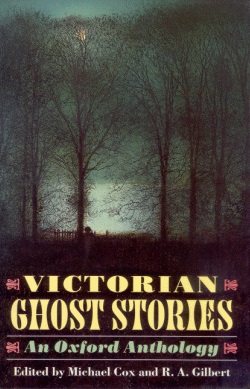
Victorian Ghost StoriesNow that we have passed the point of no return (also known as Thanksgiving), we have plunged irrevocably into the Christmas season, that time of the year which is richest in traditions, be they old or new, religious or secular, serious or lighthearted, shared with millions worldwide or kept hidden behind closed doors and reserved for the private humiliation of those we hold dearest.

Decorating a tree with lights and ornaments, kissing under the mistletoe, hanging stockings, singing carols — these widespread traditions are the instantly recognizable emblems of the season, while other rituals are restricted for a select circle. For one household the season’s signifier may be listening to Dad read the nativity story from the Gospel of Luke, for another group it may be gathering around the television to watch It’s a Wonderful Life, while for yet another family it may be nervously edging away as Uncle Carl begins his annual Yuletide disquisition on America’s inexorable slide into socialism.

Traditions come and traditions go, however. An observance that has largely faded from view is the once-widespread custom of reading ghost stories on Christmas Eve. As with many Christmas traditions, this one began in Victorian England. Of course long before the Victorians, Christmas was associated with the miraculous and the supernatural, but during those middle and later years of the nineteenth century, the season became explicitly linked with the overtly ghostly as well.

The Victorian era was the high-water mark of the traditional ghost story, which was a staple of the magazines and inexpensive books that vied for the attention of an expanding and prosperous middle class. These publications were hungry for content, and ghost stories helped fill that need. Some of the form’s greatest masters — Joseph Sheridan LeFanu, Amelia Edwards, Mary Braddon, Edith Nesbit, and M.R. James, among many others — wrote during this period.

However, it was Charles Dickens who was, more than any other person, responsible for the identification of one particular time of year — the Christmas season — with the explicitly ghostly. Dickens loved a good ghost story; he had, in the words of his friend and biographer, John Forster, “something of a hankering after them.”

Read More Read More

New Treasures: Jala’s Mask by Mike and Rachel Grinti

New Treasures: Jala’s Mask by Mike and Rachel Grinti

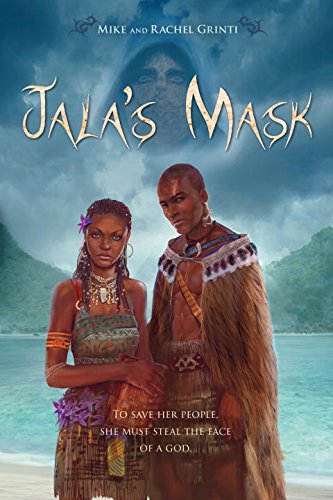
Jala's Mask-smallThis is something of an unusual cover for Pyr. They’re known for their heroic fantasy and sword & sorcery, and their covers have reflected that — with colorful action set pieces usually illustrating a dynamic narrative moment (Check out a few of the Pyr covers we’ve showcased in the past few months, such as James Enge’s The Wide World’s End, or the Nebula Awards Showcase 2014.)

Not so for Jala’s Mask, which shows a couple in dull islander garb standing on a beach, doing… well, not much of anything, really. Not what I usually expect from Pyr. Good to see some racial diversity on a fantasy cover — Lords knows this industry could use it — but  would it kill you to throw in a sword, or maybe a gratuitous sea monster? I’m just sayin’. At least there’s a dude in a mask floating behind the title to menace up the proceedings a bit — that’s something, anyway.

Fortunately, I’m intrigued by the back cover blurb, which introduces us to a woman who must steal the face of a god in order to save her people.

For two hundred years, Jala’s people have survived by raiding the mainland. By shaping the reefs around the Five-and-One Islands into magical ships, they can cross the ocean, take what they want, and disappear. Or so they have always believed. On the night after Jala becomes queen, a tide of magical fog sweeps over the islands, carrying ships from the mainland. Inside are a desperate people, driven half-mad by sorcery and looking for revenge.

Now Jala — caught between her family’s unending ambitions, the politics of the islands thrown into turmoil, and her unexpected love for the king — must find a way to save them all if she can.

But there are greater powers at work, and the politics of gods are more terrifying than she could have imagined. To save the Five-and-One Islands she may have to leave them behind.

Mike and Rachel Grinti are also the authors of Claws. Jala’s Mask was published by Pyr on November 4, 2014. It is 285 pages, priced at $18 in trade paperback and $11.99 for the digital version. The cover art is by Marc Simonetti.

Avatars of Wizardry

Avatars of Wizardry

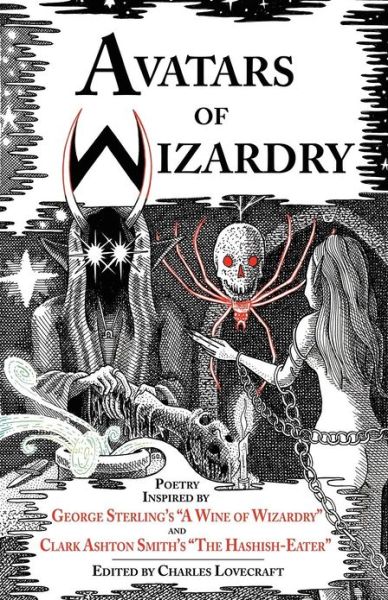
AvWizMore often than not, the best art comes from the indie side of any field. Case-in-point:

AVATARS OF WIZARDRY from P’rea Press is one of the best works of pure dark fantasy I’ve read in a long time. This superb collection of poems inspired by the work of Clark Ashton Smith and his mentor George Sterling offers one fantastic, phantasmal head trip after another, transcendental goth romanticism with shades of cosmic sword-and-sorcery.

I’m not usually someone who seeks out poetry. I teach it often, but fantastic poetry is something of a rarity in academic texts. Reading this collection (with some Pink Floyd, Kyuss, or Monster Magnet rumbling softly in the background for good measure) takes me right back to the “wonder years” of my early reading life. From the ages of 9 to 12, I discovered the amazing fiction of Edgar Rice Burroughs, J.R.R. Tolkien, Robert E. Howard, Clark Ashton Smith, and other great fantasists. Reading AVATARS OF WIZARDRY sends me back to those days when fantasy was still dangerous, mysterious, and full of strange wonders.

One of Smith’s greatest poems “The Hashish Eater, or The Apocalypse of Evil” was inspired by George Sterling’s “A Wine of Wizardry.” Both of these poems are celestial odysseys of fantasy perfection. They begin AVATARS OF WIZARDRY back-to-back and are followed by eight poems from more contemporary writers: Alan Gullette, Wade German, Michael Fantina, Richard L. Tierney, Liegh Blackmore, Bruce Boston, Earl Livings, and Kyla Lee Ward. The result is an epic fantasy experience like none other. The words “psychedelic” and “phantasmagorical” are barely enough to describe it.

These poems aren’t for the shallow-minded 160-character world that we live in today. Each one is an epic adventure beyond space and time, directly into the center of eternal imagination, rife with cosmic transcendence. This is spirit-freeing fantasy in the best sense of the word, literary escapism as psychological catharsis. It’s some of the best damn poetry I’ve ever read, which makes it some of the best fantasy I’ve ever read, period.

You don’t have to be a poetry expert (or fan) to take this cosmic ride. Just get yourself a copy before they’re all gone.