Browsed by
Category: Books

Future Treasures: The City of Brass by S. A. Chakraborty
Future Treasures: The City of Brass by S. A. Chakraborty

Dungeon Masters Guide-small The City of Brass-small

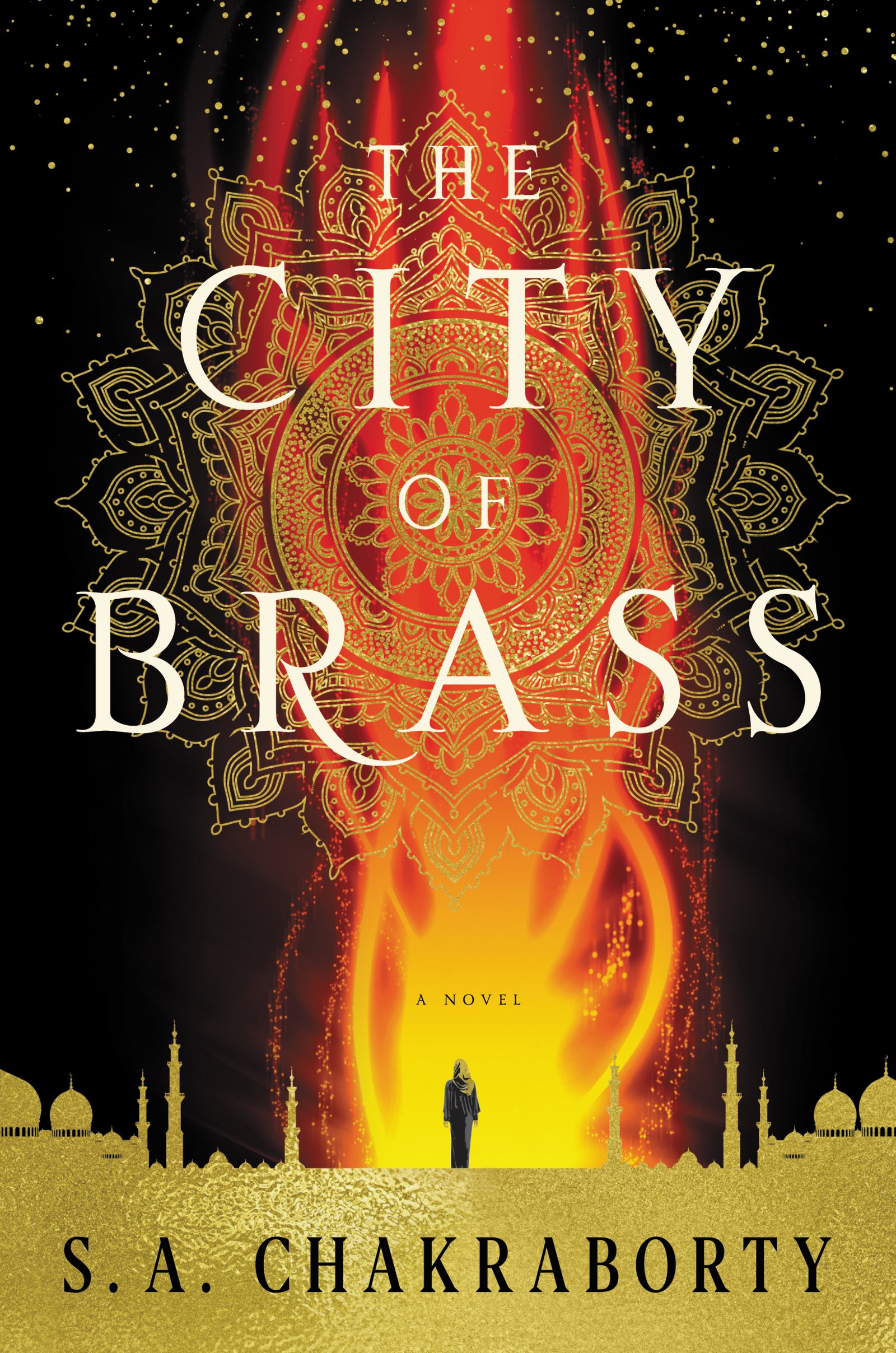
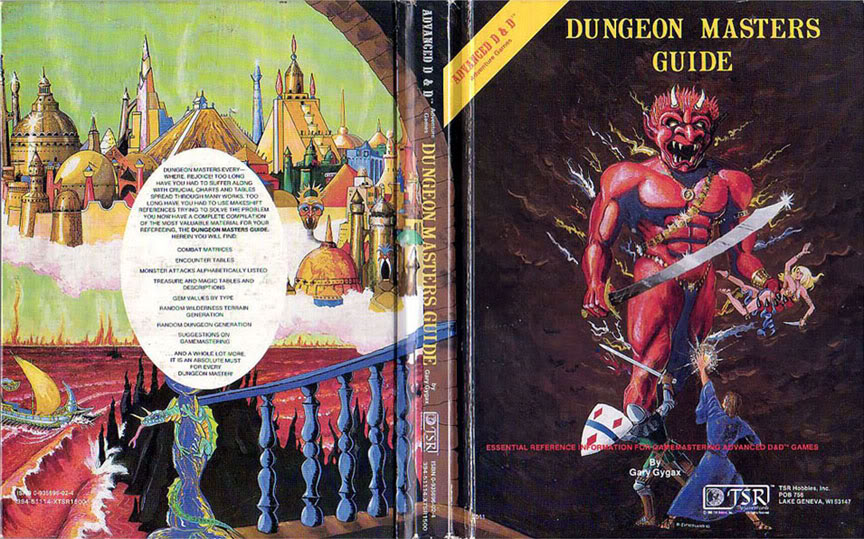
The City of Brass! One of the most storied locations in fantasy! Or it would be, except that no one dares write about it. Ever since it was featured on the cover of Gary Gygax’s Dungeon Masters Guide in 1979 (above left), the opulent city of efreet floating on the Elemental Plane of Fire has loomed large in the imaginations of Dungeons and Dragons players around the world. But beyond a single tale from the Arabian Nights, there’s been precious little to feed those eager minds.

So I was intrigued to read the details of The City of Brass, the upcoming debut fantasy from S. A. Chakraborty, which has been described as a blend of The Golem and the Jinni, The Grace of Kings, and Uprooted. It’s a tale of a magical Middle Eastern kingdom, and a clever and young con artist with strange gifts. It arrives in hardcover from HarperVoyager next week.

Nahri has never believed in magic. Certainly, she has power; on the streets of eighteenth-century Cairo, she’s a con woman of unsurpassed talent. But she knows better than anyone that the trades she uses to get by — palm readings, zars, and a mysterious gift for healing — are all tricks, both the means to the delightful end of swindling Ottoman nobles and a reliable way to survive.

But when Nahri accidentally summons Dara, an equally sly, darkly mysterious djinn warrior, to her side during one of her cons, she’s forced to reconsider her beliefs. For Dara tells Nahri an extraordinary tale: across hot, windswept sands teeming with creatures of fire and rivers where the mythical marid sleep, past ruins of once-magnificent human metropolises and mountains where the circling birds of prey are more than what they seem, lies Daevabad, the legendary city of brass — a city to which Nahri is irrevocably bound.

Read More Read More

A Tale from the Archonate: A Wizard’s Henchman by Matthew Hughes

A Tale from the Archonate: A Wizard’s Henchman by Matthew Hughes

a-wizard-s-henchman-hardcover-by-matthew-hughes-[3]-3997-pI hate Matthew Hughes’ book, A Wizard’s Henchman (2016). Not for the wonderfully complicated cosmogony of its universe; not for the ease with which it slips between dark humor and nightmarish horror; not for its uber-compentent, sympathetic hero, Kaslo. No, I hate it because, although it’s the first volume in a new series, it turns out it’s also a culmination of sorts for Hughes’ long-running Archonate series, and I didn’t know that going in. I had no idea until well into AWH that it serves as a major hinge point in his fictional universe, where one type of reality is supplanted by an entirely different one. Now, if I limit myself to the expoits of master discriminator Henghis Hapthorn, I have three novels and a collection of short stories to read. If I don’t limit myself, there’s another ten books to add to the list.

Obviously, I don’t hate A Wizard’s Henchman. In fact, I love it — for all the reasons I mention above and more. Many comparisons have been made between Hughes and Jack Vance, even by Hughes himself (where he describes the Archonate’s explicitly Vance-inspired origins). On the surface, it’s easy to see similarities in the two authors’ works: a love of rarely-used words; sly humor; non-stop inventiveness harnessed to creating oddball societies ruled by idiosyncratic rules and rulers; etc. Hughes, though, is no mere mimic. Like Michael Shea and Neal Barrett Jr., Hughes clearly carries a torch for Vance, but it does not outshine his own talent, originality, and powerful instincts as a creator of captivating stories and great originality.

Up until now, most of the Archonate stories have occurred in Earth’s stellar arm among thousands of settled worlds, collectively called the Spray. Apparently, (SOMETHING I WOULD HAVE KNOWN IF I’D READ ANY OF THE OTHER BOOKS FIRST) one of the central conceits in the series is that magic is staging a universal comeback, at which point it will completely replace cause-and-effect empiricism. Hughes created the sci-fi version of the Archonate as the last age before that of Jack Vance’s Dying Earth stories. (As a side note, let me say that if you haven’t read them you should be ashamed. Buy them now and read them tonight). In Vance’s books, old Sol is a fading crimson orb illuminating an Earth that’s a long way down the path toward extinction, and where more magic has been forgotten than is even remembered anymore. A Wizard’s Henchman is about the days following the transition of the Universe to a place where sympathetic magic rules everything and the laws of physics have lost much of their sway.

Like a James Bond movie, AWH opens with a mini-adventure. Erm Kaslo, a licensed confidential operative, has arrived on the world of Cheddle to enforce an arrest warrant for Binnie Varshun for defrauding Diomedo Obron. As soon as he meets the local police chief, Kaslo is knocked out, then wakes up in a prison camp. In the aftermath of his escape, Kaslo starts to learn that certain people, his employer, Obron, among them, believe the Universe was once run by magic and is about to be again.

Read More Read More

New Treasures: Infinite Stars, edited by Bryan Thomas Schmidt

New Treasures: Infinite Stars, edited by Bryan Thomas Schmidt

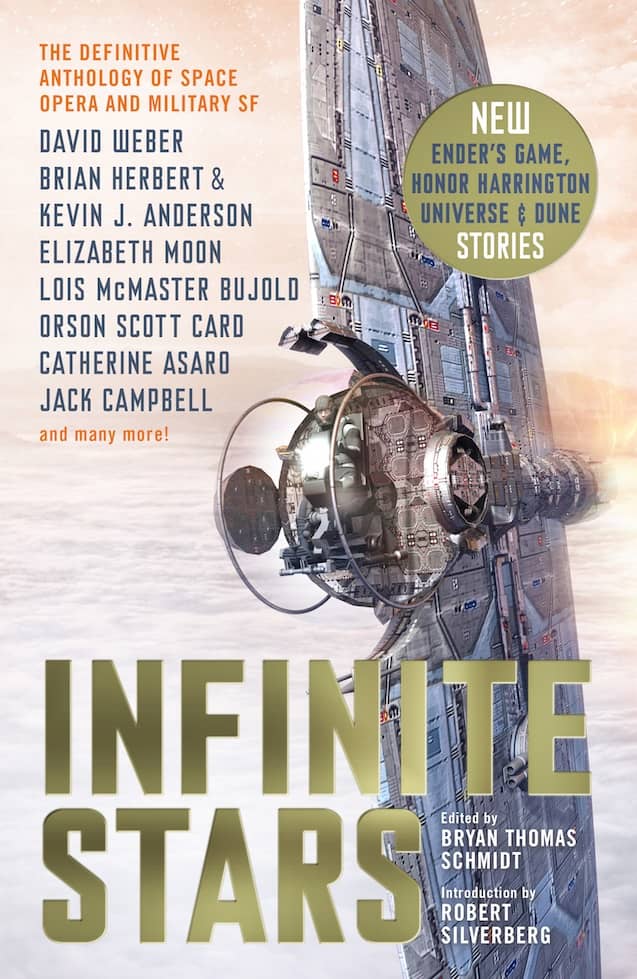
Infinite Stars-smallBryan Thomas Schmidt is probably best known as the guy who loudly stormed out of the 2015 Hugo Awards when he lost in the Best Editor, Short Form category (he lost to No Award, since all the nominees were dictated by Vox Day as part of his Rabid Puppy slate). Black Gate was part of the same slate, but we withdrew our nomination (and Bryan unfriended me immediately thereafter).

That’s an unfortunate thing to be known for, especially since Bryan has done some really excellent work before and since. His other anthologies include Shattered Shields, Little Green Men―Attack!, Mission: Tomorrow, Galactic Games, and many others. His latest book, the massive Infinite Stars, is the most ambitious project of his career to date: a 674-page anthology of space opera tales featuring some of the biggest names in the industry. Here’s Rich Horton’s take, from the October issue of Locus.

Bryan Thomas Schmidt’s new anthology Infinite Stars is a big collection of space opera stories, split roughly evenly between reprints and originals. The reprints serve to some extent as an introduction to the subgenre, with examples from such classic series as Cordwainer Smith’s Instrumentality of Mankind, Anne McCaffrey’s Ship Who Sang books, Lois McMaster Bujold’s Vorkosigan series, A.C. Crispin’s Starbridge, and Larry Niven and Jerry Pournelle’s Codominium… These serve their purpose very well — they are a set of significant stories and showcase space opera from the ’50s to the present day nicely…

Most of the other stories in this book are also parts of series… these series include some really major SF landmarks: Orson Scott Card’s Ender universe, Brian Herbert and Kevin J. Anderson continuing Frank Herbert’s Dune series, David Weber’s Honorverse. There are stories from some more recent series that I’ve really enjoyed — Elizabeth Moon’s Vatta’s War, for example (which she has just returned to), and David Drake’s Leary/Mundy (or RCN) series. It was nice also to be introduced to some work new to me, such as Linda Nagata’s Red stories, Jack Campbell’s Lost Fleet, and Charles R. Gannon’s Caine Riardon stories…

All in all, Infinite Stars is a strong celebration of the variety and power of the space opera subgenre, both in its history and its ongoing vitality.

As Rich points out, there’s a great deal to enjoy in this book for any fan of space opera, old and new.

Read More Read More

Self-published Book Review: At Yomi’s Gate by John Meszaros

Self-published Book Review: At Yomi’s Gate by John Meszaros

I’m always looking for more books to review. If you have any, send them my way.

yomi coverJohn Meszaros’s novel, At Yomi’s Gate, is a story about medieval Japan, in which every legend, myth, and religious belief are not only true, but play an active role in the story. Central to the story is the fire god Kagu-tsuchi. Lord Kotoheisei has trapped him in the Batsu-no-Kaji, from which he releases him only to wreak havoc on his enemies. Kagu-tsuchi is a mindless engine of destruction, destroying everything in his vicinity unless he can be controlled. This is not his story. Instead, it is the story of the Batsu-no-Kaji, a young woman named Sakura.

On Lord Kotoheisei’s first attempt to use his weapon, he loses control of Kagu-tsuchi. Ikuko, the priestess whose job it is to keep the fire god contained, escapes with Sakura, and Lord Kotoheisei is furious. He sends his nephew Fumito out to find his Batsu-no-Kaji and bring her back, on threat of murdering his family one-by-one. Fumito is no warrior, but an artist who uses illustrated scrolls to tell stories. Both he and Lord Kotoheisei know that the ink he uses is enchanted with the fire god’s magic, and will no doubt draw the Batsu-no-Kaji to him.

Fumito has no illusions about the kind of man his uncle is, and when he finds Sakura and Ikuko, he decides that he is willing to sacrifice his family to save thousands from Kagu-tsuchi’s fire. However, in their attempt to free Sakura of Kagu-tsuchi, they instead transfer Kagu-tsuchi’s magic into her. Bursting with her newfound power, Sakura decides she will rescue Fumito’s family and get her revenge on Lord Kotoheisei. The attack does not go as planned, however, and Fumito barely escapes Kotoheisei’s palace with his one surviving relative, his sister Yoko. Before the story is through, Ikuko, Sakura, Yoko, and Fumito will face ghosts and demons, gods and oni, and travel to the underworld of Yomi itself in order to defeat the forces trying to control Sakura’s fire.

Read More Read More

The 2017 World Fantasy Award Winners

The 2017 World Fantasy Award Winners

The Sudden Appearance of Hope-smallI wish I could have attended the World Fantasy Convention in San Antonio, Texas, this weekend. Many of my friends were there, as well as plenty of people I would have liked to meet. At the convention last year (in Columbus, Ohio), Black Gate won a World Fantasy Award, and there’s no way we could top that experience, but it would have been marvelous to be in the room as this year’s winners were announced.

The next best thing is to share the winners with you. If you’re looking for the best fantasy of 2016, this is as close to a definitive list as you’re likely to find.

The World Fantasy Awards winners are:

Best Novel

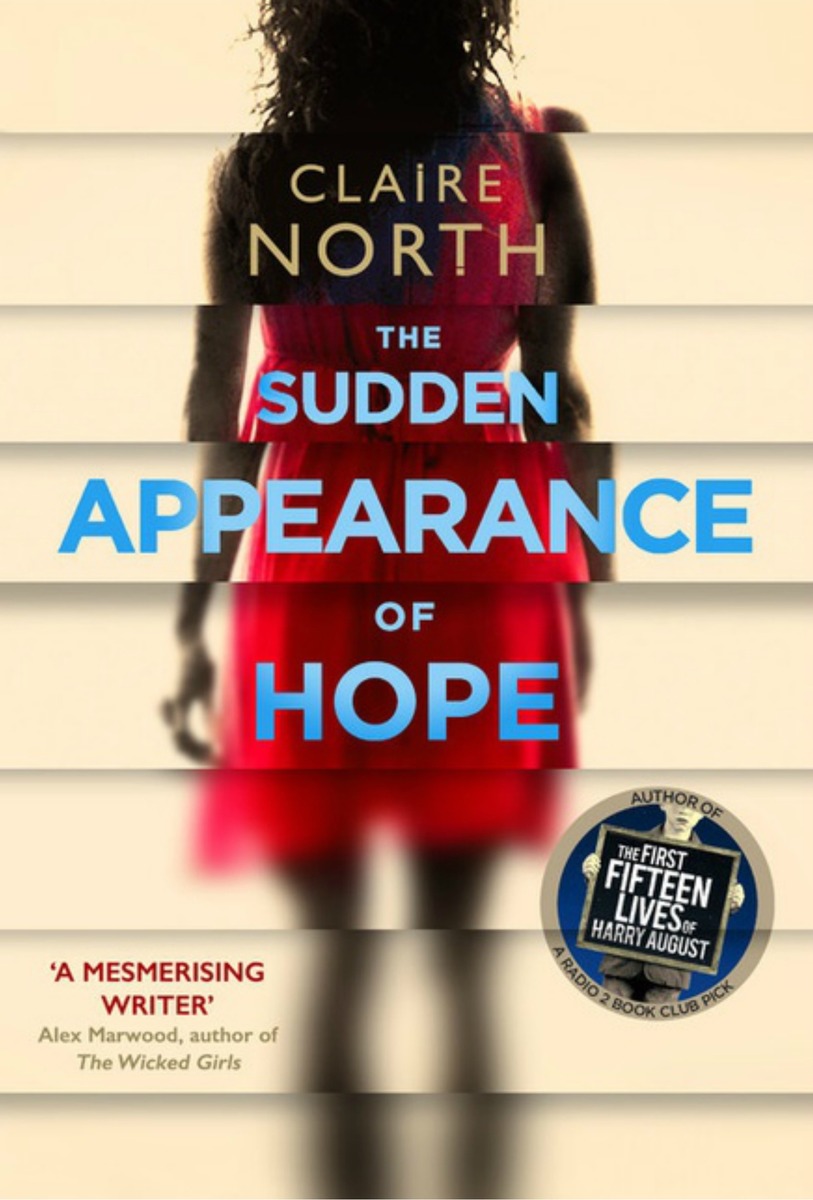
WINNER: The Sudden Appearance of Hope, Claire North (Redhook; Orbit UK)
Borderline, Mishell Baker (Saga)
Roadsouls, Betsy James (Aqueduct)
The Obelisk Gate, N.K. Jemisin (Orbit US; Orbit UK)
Lovecraft Country, Matt Ruff (Harper)

Best Long Fiction

WINNER: The Dream-Quest of Vellitt Boe, Kij Johnson (Tor.com Publishing)
The Ballad of Black Tom, Victor LaValle (Tor.com Publishing)
Every Heart a Doorway, Seanan McGuire (Tor.com Publishing)
“Bloodybones”, Paul F. Olson (Whispered Echoes)
A Taste of Honey, Kai Ashante Wilson (Tor.com Publishing)

Read More Read More

Star Kings, Virtual Reality, and Genetic Monsters: Rich Horton on Crown of Infinity by John M. Faucette/ The Prism by Emil Petaja

Star Kings, Virtual Reality, and Genetic Monsters: Rich Horton on Crown of Infinity by John M. Faucette/ The Prism by Emil Petaja

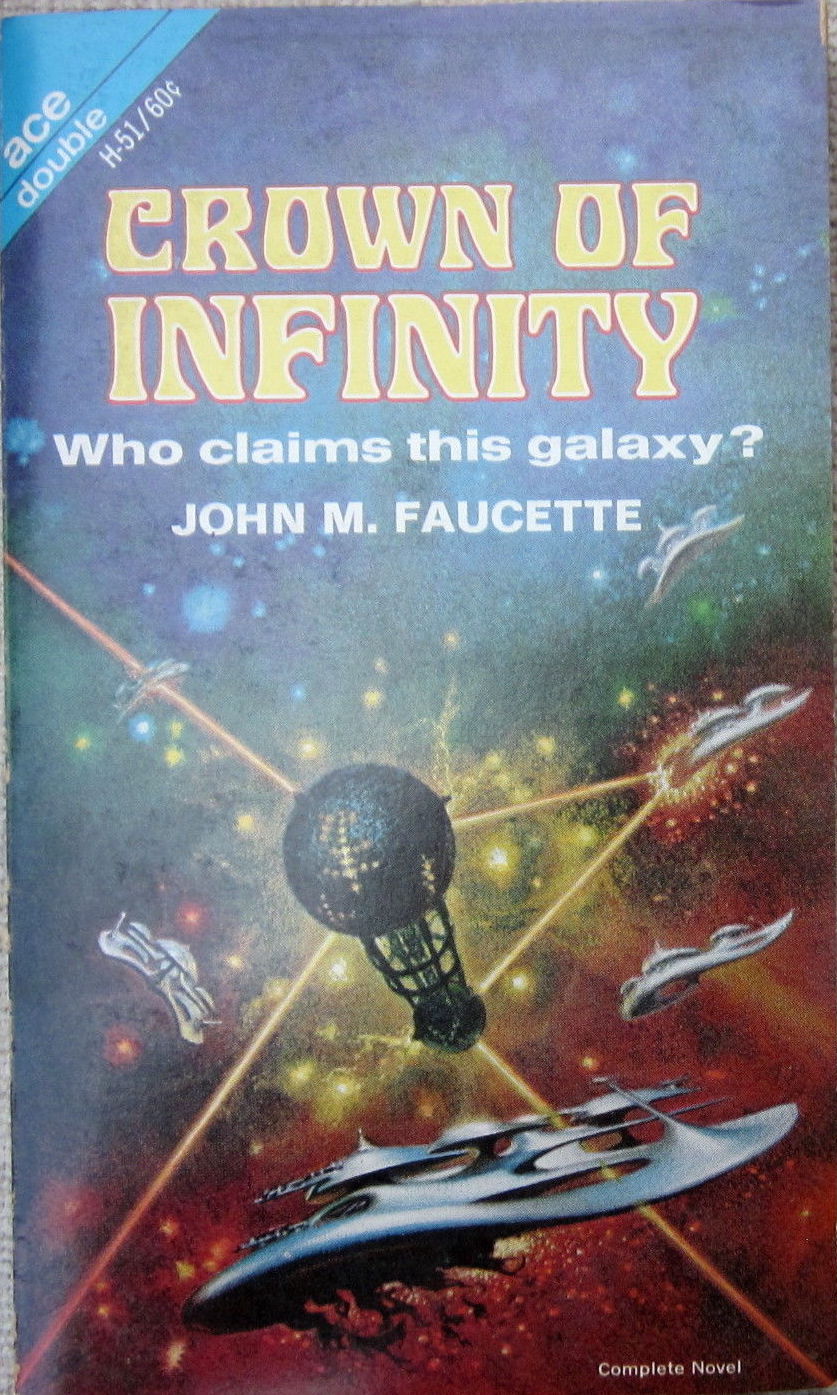
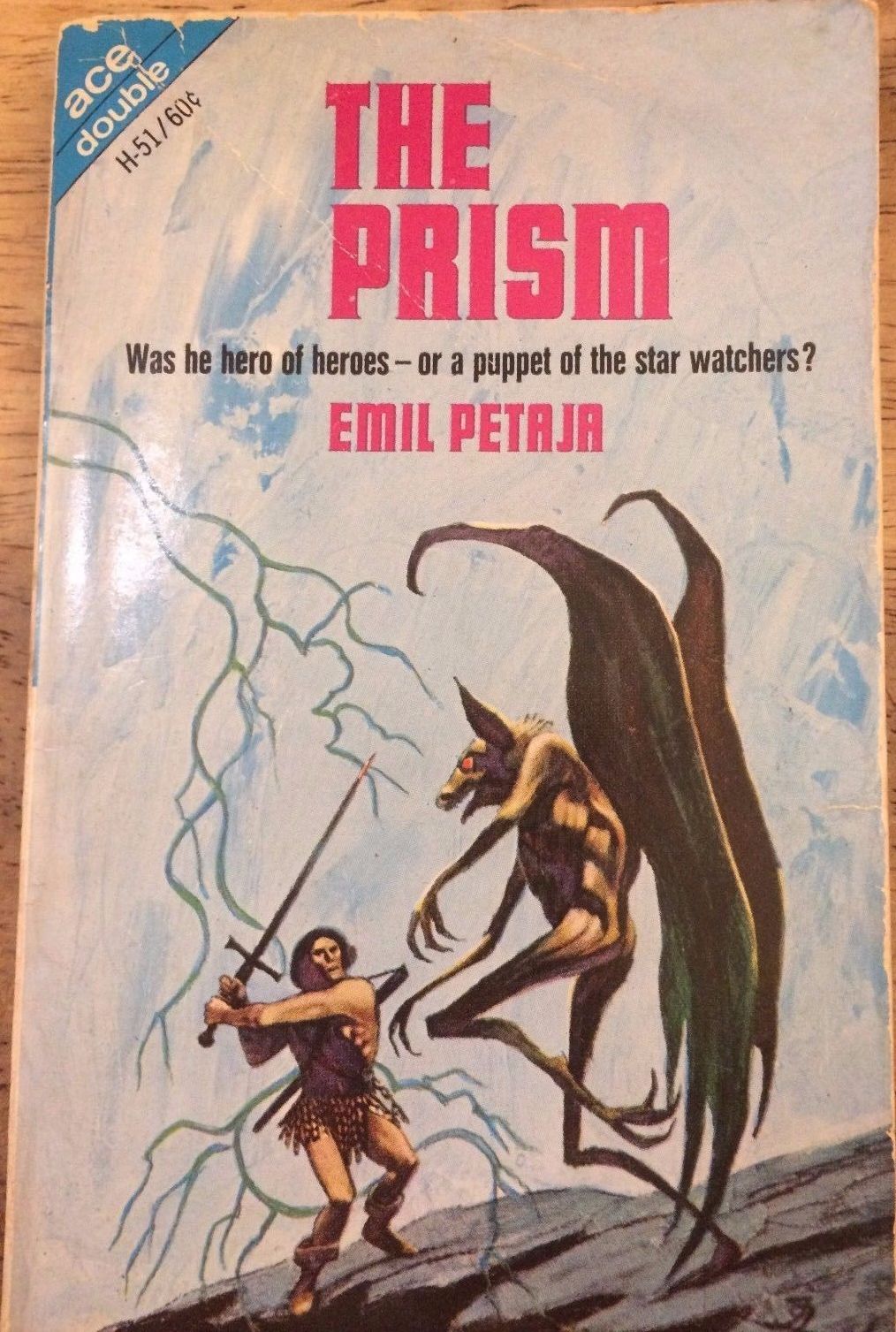
Crown of Infinity James M Faucette-small The Prism Emil Petaja-small

Over at his website Strange at Ecbatan, Rich Horton takes a look at a long forgotten Ace Double from 1968. So forgotten, in fact, that I’ve never even heard of it. I dug through the dusty pile of Ace Doubles by my bed but, nope, it ain’t in there.

Assuming Rich didn’t just make this book up, it looks like a fascinating artifact, although maybe not for the usual reasons. Here’s Rich on the first half:

The lure for me in this Ace Double is the first novel by John M. Faucette, a fairly little known writer these days, but one of a very small set of African American SF writers before, really, the 1980s, which is amazing and a bit embarrassing for the field… I approached Crown of Infinity, Faucette’s first published novel, with interest and a real desire to like it. The publisher’s copy compares it to Doc Smith and Olaf Stapledon, and, oddly enough, that comparison makes a lot of sense. Unfortunately, the comparison ultimately is utterly to the disadvantage of Crown of Infinity. Indeed, I’d say this book reads as if written by a teenager completely in love with Doc Smith’s work … and with enough talent to imitate aspects of it effectively, but with no ability to structure a novel, nor enough originality to really make the novel “new.”

Here’s the inside cover, with the full description.

Read More Read More

The Future is Global Micro-Democracy: Malka Older’s The Centenal Cycle

The Future is Global Micro-Democracy: Malka Older’s The Centenal Cycle

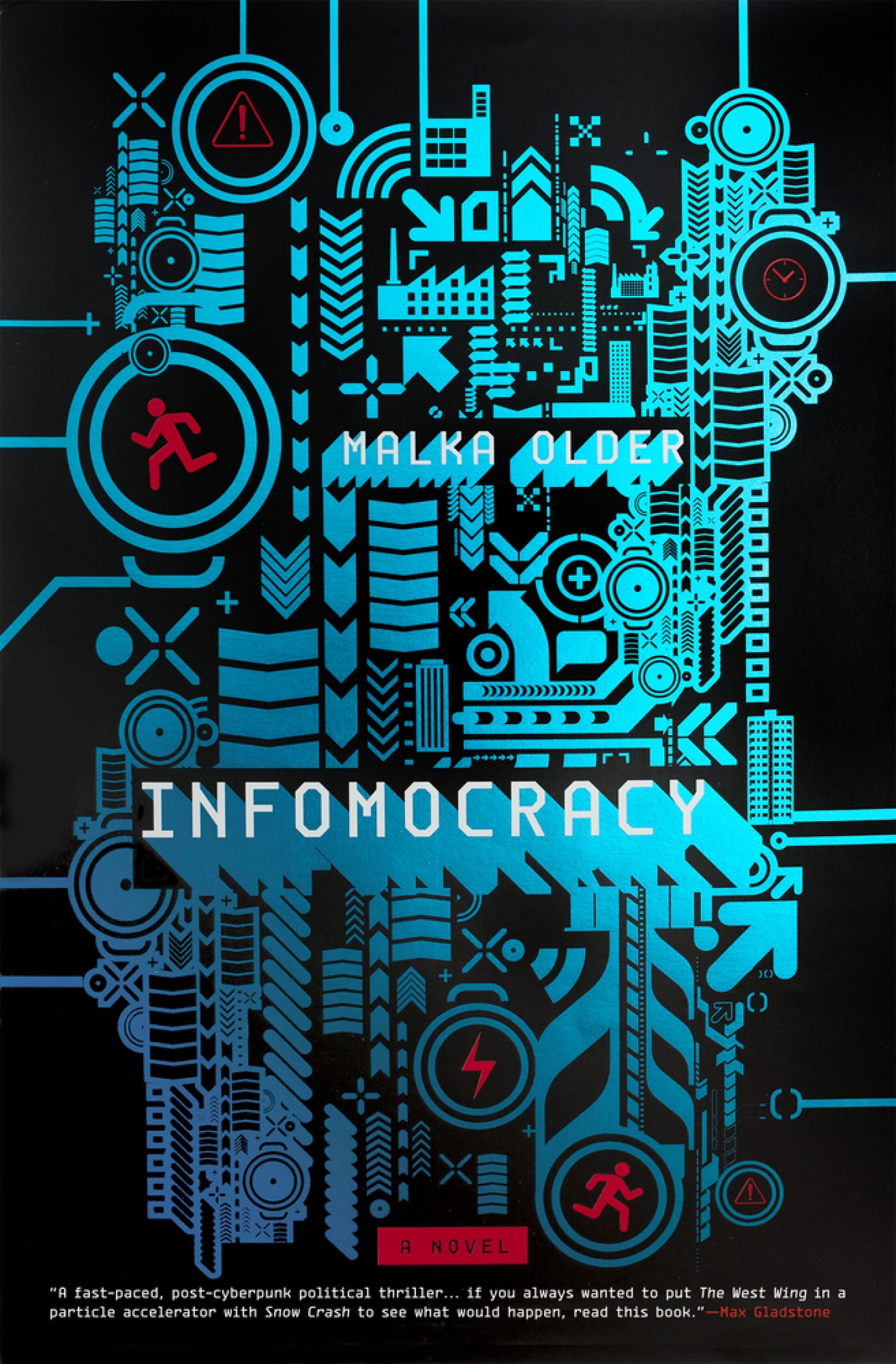
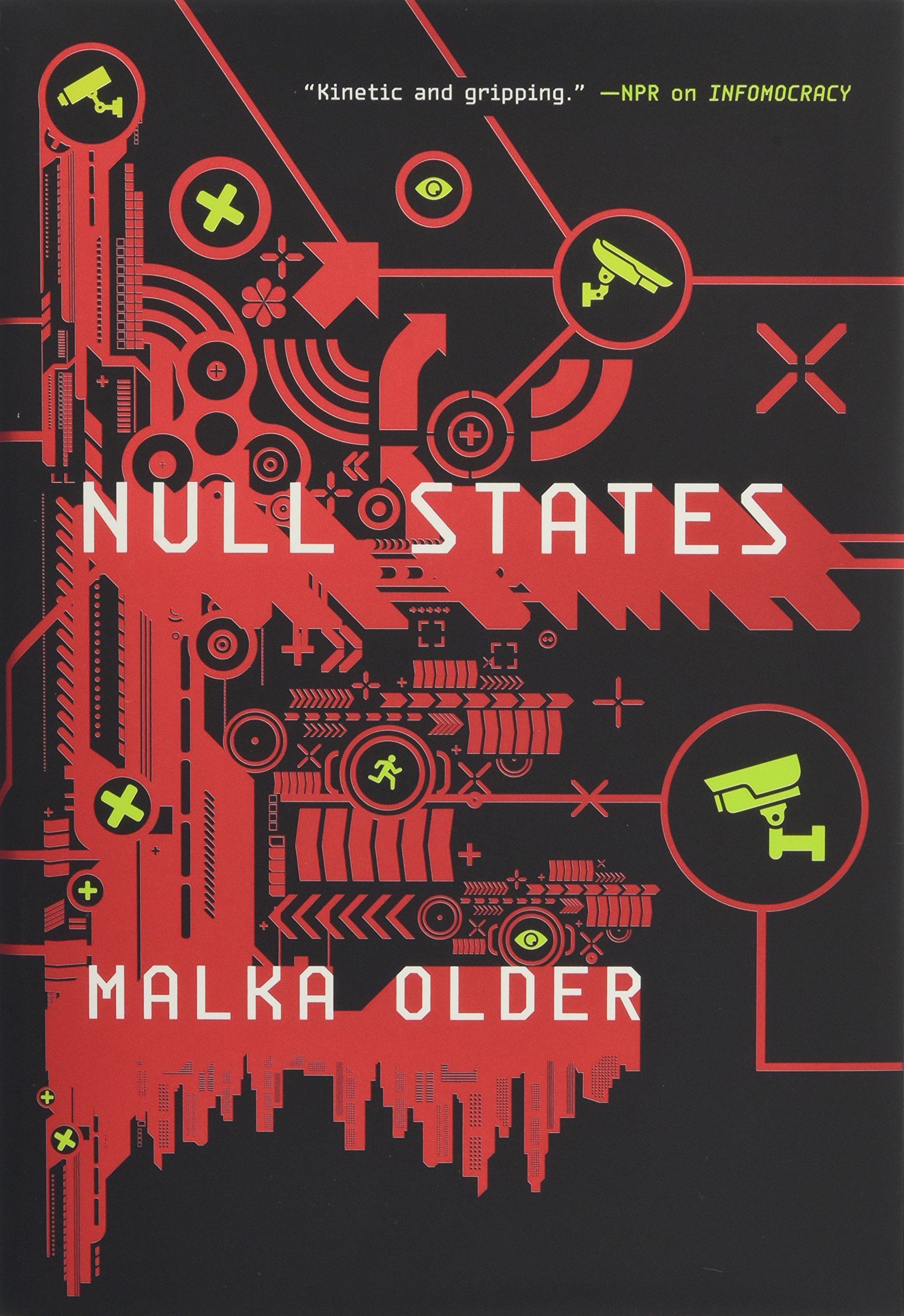
Malka Older Infomocracy-small Malka Older Null States-small

Malka Older’s debut novel Infomocracy made a huge splash last year — The Huffington Post called it “one of the greatest literary debuts in recent history,” and it was named one of the best books of the year by The Washington Post, The Verge, Flavorwire, Kirkus, and Book Riot. In the SF community, it was a Locus Award Finalist for Best First Novel.

It’s no exaggeration to say that the sequel, Null States, is one of the most anticipated novels of the year. It arrived in hardcover in September, and has been widely praised. Here’s Liz Bourke at Tor.com.

This is a story about governance and governing, about power and systems, and the edges of both — the parts where they break, and warp, and potentially break down. Older’s gift is to make those systems fascinating and human: relevant, and easy to grasp. Well, one of her gifts: she has great skill with evoking place and its complicated histories… Null States is a complex, sprawling novel, but one that nonetheless has the tight control and pacing of a really good thriller…

Science fiction is frequently about power and revolution, seldom about the technical stuff that makes power possible — seldom about governing, as opposed to governments in crisis. Null States, like Infomocracy, feels refreshingly new and strange — wondrously strange, in fact — because of its focus on the nitty-gritty of how things get done, and how things can be done, and whether or not this is a stable system or one whose equilibrium has reached a tipping point of some kind.

Read Liz’s complete review here.

Read More Read More

Future Treasures: by Rachel Neumeier

Future Treasures: by Rachel Neumeier

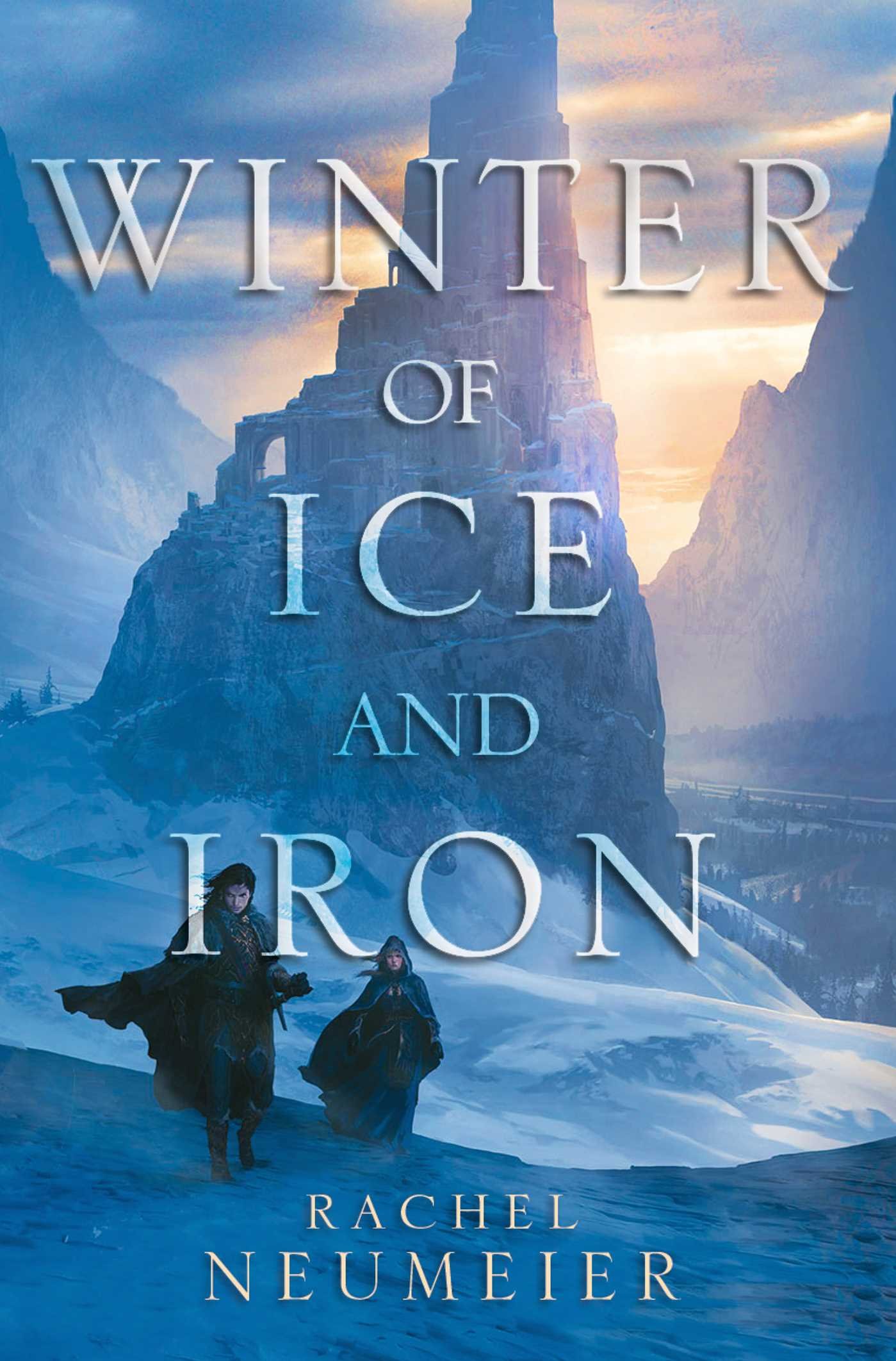
Winter of Ice and Iron-smallRachel Neumeier is what we call in the biz “a fast-rising star.” Her Griffin Mage trilogy from Orbit proved very popular; she followed it up with the Black Dog series, beginning with Black Dog (2014). Her most recent work was the epic fantasy The Mountain of Kept Memory, published last year by Saga Press.

Her newest novel, Winter of Ice and Iron, is a dark fantasy in which a princess and a duke must protect their nations from a terrible threat. It arrives in hardcover and trade paperback from Saga Press later this month.

In a world subject to indifferent Gods and immanent spirits, where many-headed dragons ride midwinter storms across the land during the dark turn of the year, the ambitions of power-mad kings seldom present the greatest threat to peace and prosperity.

Even so, they don’t make comfortable neighbors.

When Kehera, princess of the peaceful land of Harivir, finds her country threatened by the ambition of the Mad King of Emmer to the north, she resolves to take any steps necessary to protect her people. But she never expected to find herself a pawn in a power struggle between enemies she hadn’t even known existed. Abducted and powerless, she must find a way to forge new alliances or see her homeland fall.

Innisth, infamous Wolf Duke of Pohorir, has long wished to break from his king and establish an independent kingdom of his own. When Kehera unexpected falls into his hands, he immediately sees how he might use her to achieve his ambition at last. But he never expected to care for her. Even as triumph seems within his grasp, he finds himself torn between grim ambition and the hope of winning something more.

As midwinter rushes down upon the world, Kehera and Innisth must find a way to work together, or they may both lose everything to a common enemy that is more dangerous than either of them had ever suspected.

Winter of Ice and Iron will be published by Saga Press on November 21, 2017. It is 560 pages, priced at $27.99 in hardcover, $17.99 in trade paperback, and $7.99 for the digital edition. The cover is by Mark Simonetti.

See all of our latest coverage of the best in upcoming fantasy here.

The Best of the Dark: Fall Releases from Penguin Classics

The Best of the Dark: Fall Releases from Penguin Classics

The Best of Richard Matheson-small Dark Tales Shirley Jackson-small

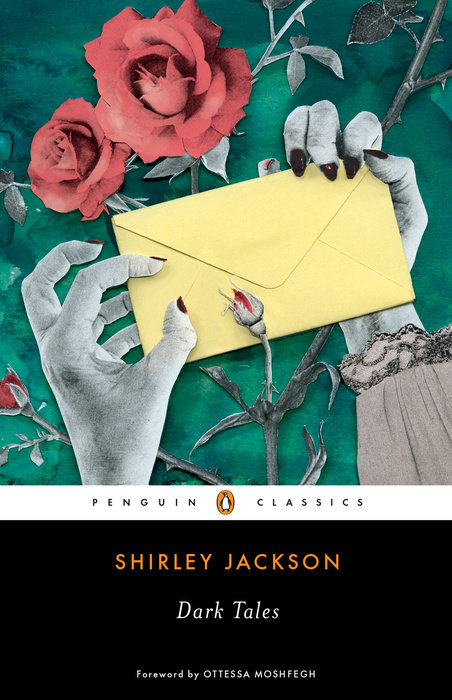
October is over, but that doesn’t mean that all the good creepy reading is behind us. Penguin Classics released two fine collections on October 10th that should keep you busy at least through early December.

The first is The Best of Richard Matheson, a long-overdue collection from one of the greatest horror writers of the 20th Century. It’s a 432-page treasure trove from the man whom Stephen King said called “the author who influenced me most as a writer.” The author of I Am Legend and sixteen Twilight Zone episodes modernized horror by taking it out of Gothic castles and setting it in darkened streets and suburbs much closer to home. This volume gathers his greatest stories as chosen by Victor LaValle. It’s $17 in paperback ($11.99 digital).

Dark Tales collects classic and newly reprinted stories from the author of “The Lottery,” including the “The Possibility of Evil,” “The Summer People,” and “The Sorcerer’s Apprentice,” first published in 2014. Collecting 17 pieces published between 1950 and 2015, Dark Tales features stories in which a daily commute turns into a nightmarish game of hide and seek, and a concerned citizen might just be an infamous serial killer. It’s 208 pages, priced at $16 in trade paperback ($11.99 digital).

New Treasures: Deadlands: Boneyard by Seanan McGuire

New Treasures: Deadlands: Boneyard by Seanan McGuire

Deadlands Boneyard-small Deadlands Boneyard-back-small

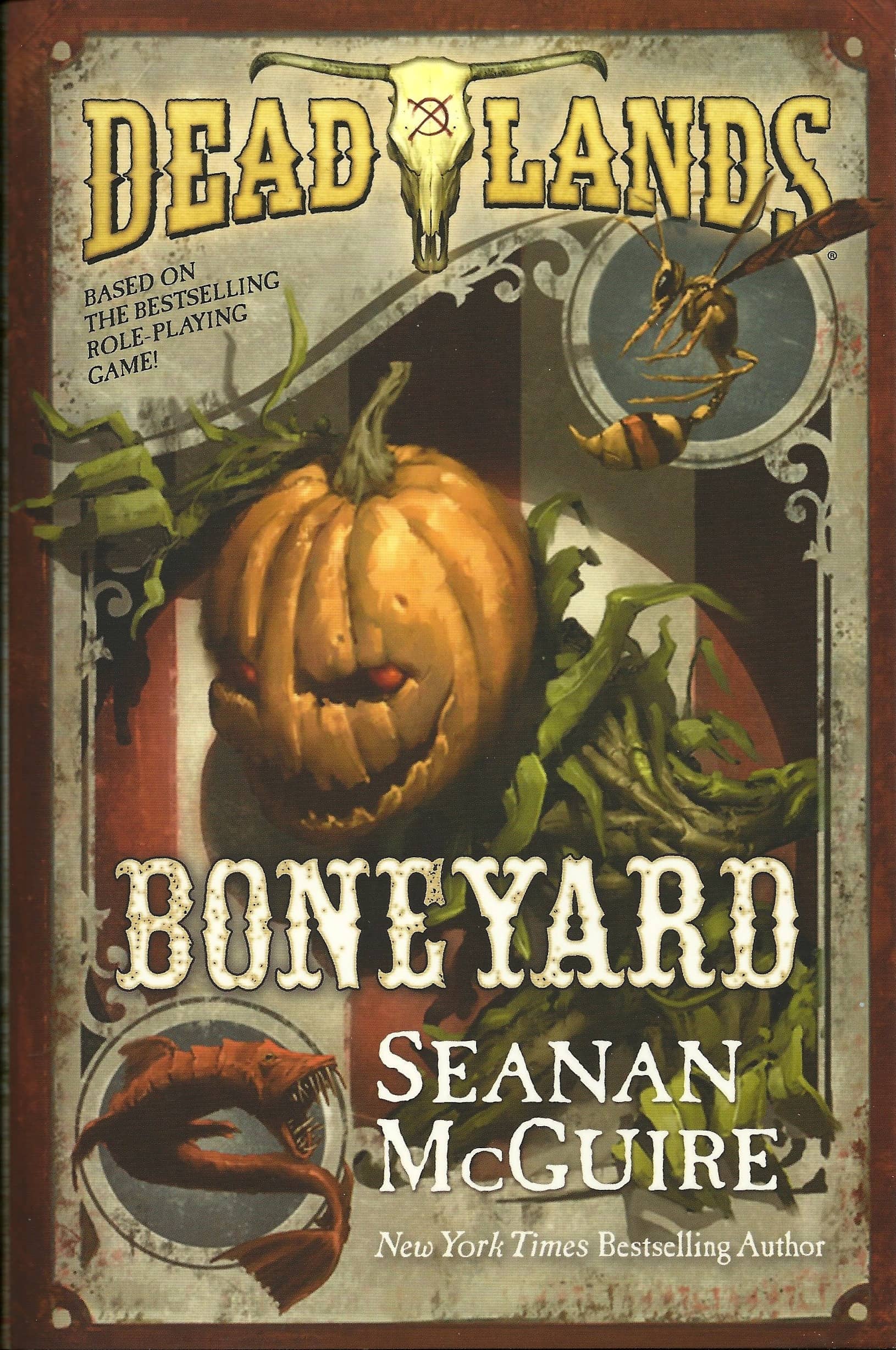
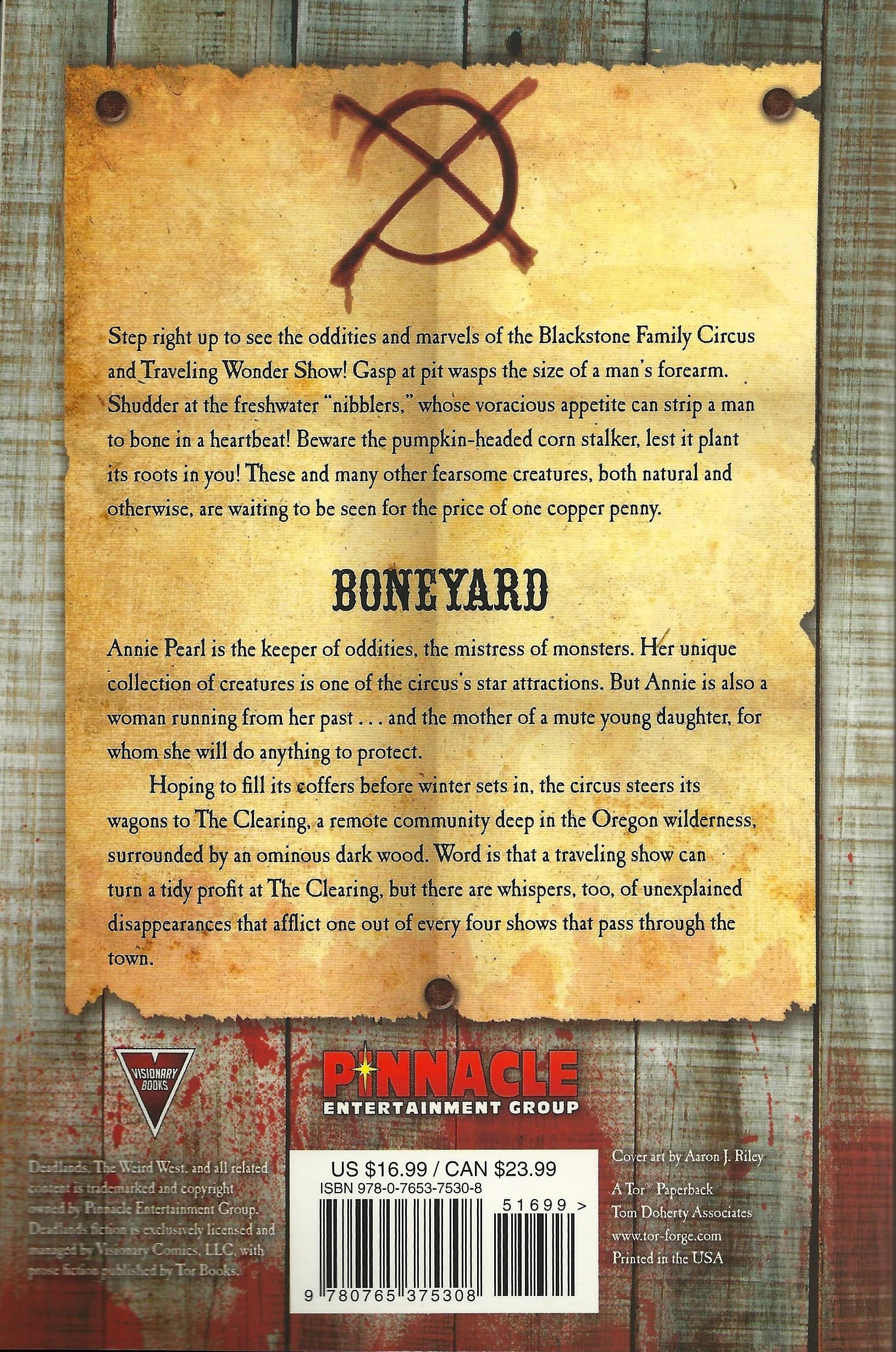
I must admit that my first thought on laying eyes on Deadlands: Boneyard was, “What the heck is Seanan McGuire doing writing a gaming tie-in?”

After all (as the cover of Boneyard proudly boasts) McGuire is a New York Times bestselling author all on her own, for her zombie Newflesh series (published under the name Mira Grant). It’s not often you see bestselling writers dabbling with game books. But who knows? Maybe she’s always wanted to write a Weird Western. Maybe she loves the Deadlands setting. Or maybe she promised Jay Lake she’d do it. (The dedicated to Boneyard reads, “For Jay Lake. Didn’t I always promise you a midway?”, whatever that means.)

But whatever the reason, I’m glad to have it. It went right to the top of my Halloween reading pile this year.

Read More Read More