Browsed by
Category: Blog Entry

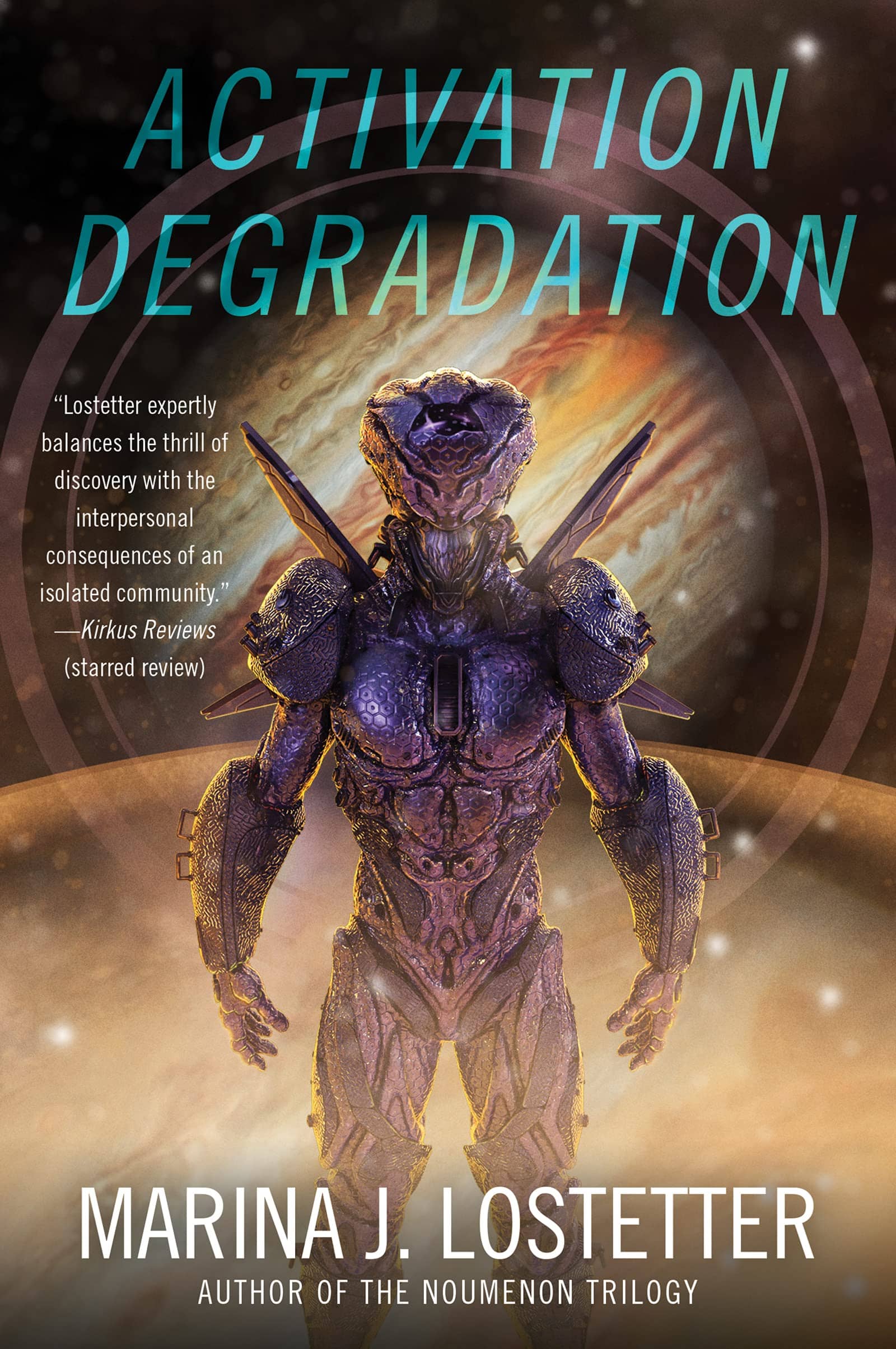
New Treasures: Activation Degradation by Marina J. Lostetter

New Treasures: Activation Degradation by Marina J. Lostetter


Activation Degradation
(Harper Voyager, September 2021)

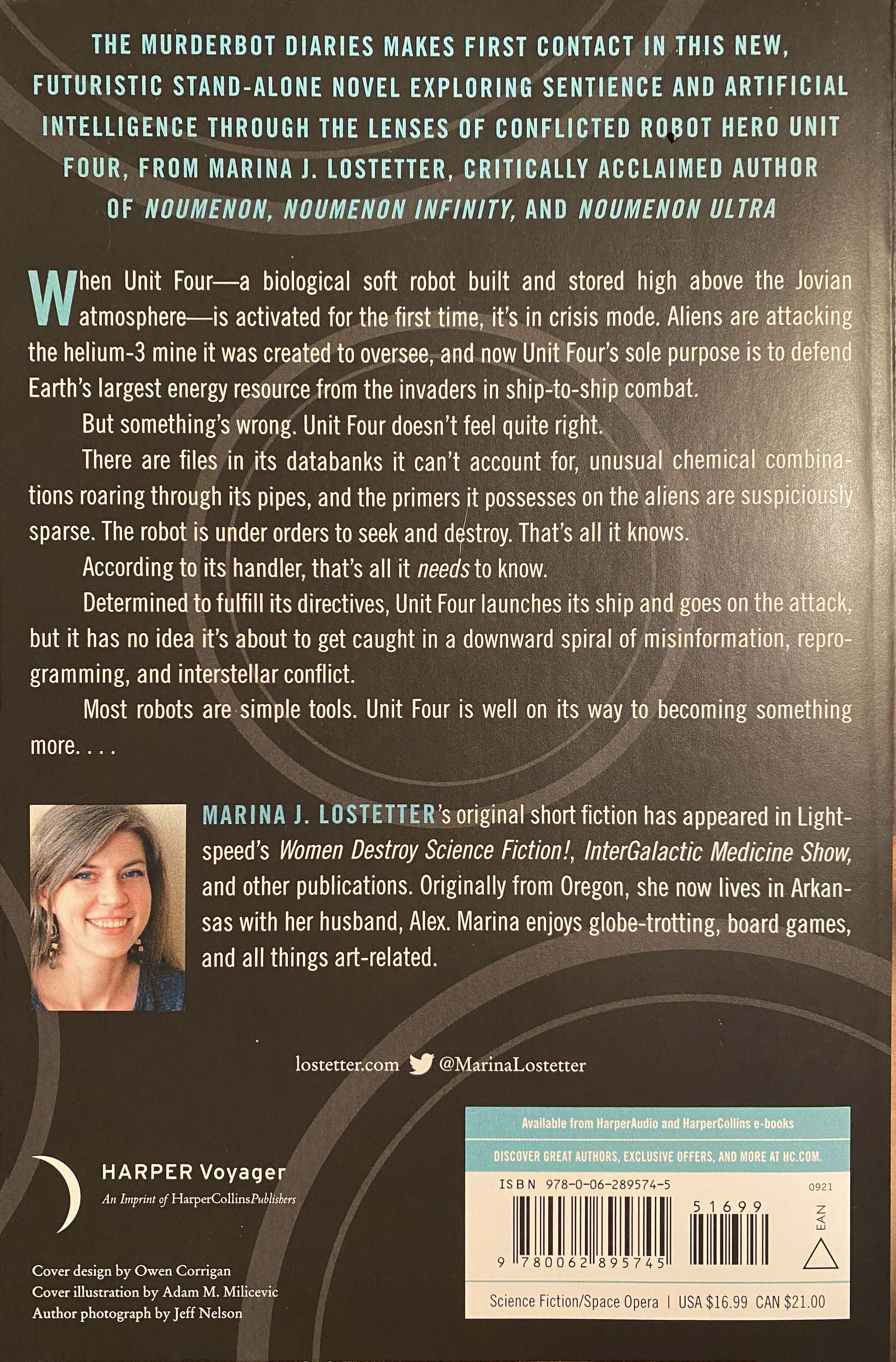
Marina J. Lostetter is the author of the acclaimed Noumenon space opera series, and the fantasy novel The Helm of Midnight, released just this past April. She doesn’t appear interested in just soaking up the glory of those accomplishments, however — her next novel (and her second this year) arrived in September. Activation Degradation features a spunky robot hero in a fast-paced tale of alien invasion in high orbit over Jupiter, one with plenty of twists and turns along the way.

The Suspected Bibliophile calls itMurderbot mixed with first contact with a heavy dash of body horror… from there it’s its very own being, filled with the horrors of space, the horrors of humanity, and the rising and falling implications of the reverberations of the past continuing to slam dunk on the present.” That definitely sounds like something I need.

Read More Read More

Deep in Wildest Britain: Mythago Wood by Robert Holdstock

Deep in Wildest Britain: Mythago Wood by Robert Holdstock

I had the sense of recognition…here was something which I had known all my life, only I didn’t know it…

English composer, Ralph Vaughan Williams on discovering English folklore and folk music

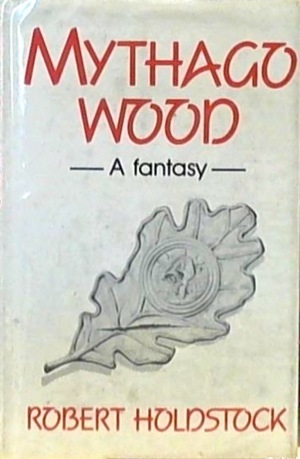
The late Robert Holdstock prefaced his 1984 novel, Mythago Wood with that quote, and that’s sort of how I feel about the book myself. Holdstock dug deeply into the idea of myth, how it might arise from a culture, and how, in turn, it might affect individuals.

I have no memory of when I first learned of Mythago Wood. I must have seen it on the Forbidden Planet’s shelves when it was released; I didn’t read it, though, until 2001. I read it again while traveling in England eight years later, and just now. At times it seems like I must have read it so much longer ago and more times than that. Much of it reads like a dream of some true past, equally joyful and nightmarish, and elements of it have rattled about my brain ever since. Rereading it now, I realize that over the years, my memories of the novel, like the mythic figures born of the forest around which the story revolves, have faded and changed with each passing season, but the underlying haunting design remains; a mesmerizing tale of father-and-son and brother-and-brother struggles, Freudian and Jungian elements, woven together with a wholly original mythopoeic retelling of the history of Britain from Paleolithic times to the present (or at least 1948, the present of the book). I will more than likely read it again before I’m through.

The central conceit of Mythago Wood is that archetypes and legends spring from the collective unconscious when needed.

The mythagos grow from the power of hate, and fear, and form in the natural woodlands from which they can either emerge — such as the Arthur, or Artorius form, the bearlike man with his charismatic leadership — or remain in the natural landscape, establishing a hidden focus of hope — the Robin Hood form….

Ryhope Wood, a three-mile square ancient woodland in Herefordshire, is capable of interacting with the minds of people near it and giving physical reality to these figures. Characters like Cernunnos, King Arthur, and Jack-in-the-Green can be summoned up from the deepest recesses of people’s minds. More importantly, it can also conjure up the legends that lie behind the legends. Perhaps the story of Robin Hood arose from even older stories of green-clad forest bandits, and behind those, yet older and darker ones. The more intimately a person becomes involved with Ryhope Wood the deeper and deeper ancient memories it can draw upon and summon forth. Ryhope Wood also exists beyond normal time and space, expanding, almost without limit, the further one ventures into it, and time speeds by much faster within the forest than without. Deep inside, whole settlements and tribes called out in long past days carry on telling and retelling their stories through their daily lives and routines.

Read More Read More

Fantasia 2021, Part LXXII: Final Thoughts

Fantasia 2021, Part LXXII: Final Thoughts

I saw more movies at Fantasia 2021 than at any previous iteration of the festival. By my count, I watched 96 short films from 25 countries and 69 features from 19 countries, with a total of 32 different countries represented in my viewing this year. The quality was there, too. I don’t have any metric to track these things, but it felt like both the number of exceptional films and the overall quality of the movies in 2021 was higher than in the past.

Before going on with a look back at this year’s Fantasia experience, I want to thank, as every year, Fantasia’s organisers and programmers and volunteers, and generally everyone involved with the festival. It is always in many ways the highlight of my year. I also want to thank John O’Neill for hosting these reviews here, and for keeping Black Gate up and running. And I want to thank everyone who takes the time to read and comment. Fatigue issues have tended to keep me from replying here as much as I’d like, but every comment is noted and valued.

The Fantasia experience this year was similar to last year’s; there was just more of it. There was a notable improvement in the way scheduled movies played — last year you had to start watching within five or ten minutes of the scheduled start time, while this year the films were available for a three-hour window beginning at a given time. That made things a lot easier, and the fact that almost all of them were also available for 24 hours two days after their first showing helped a lot as well.

Read More Read More

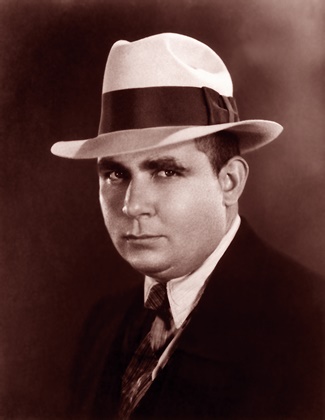
Discovering Robert E. Howard – The Series

Discovering Robert E. Howard – The Series

Back in 2015, because I didn’t know any better, I thought I could reach out to Robert E. Howard experts and fans from around the world, and convince them to contribute essays about Robert E Howard, for a Black Gate series. Yeah, I know: “Who are you, Byrne? Why do you think you can pull this off?” Because I don’t have the common sense that God gave a rock. Also – I can’t even sing as well as a rock (Bible reference there). So, without a clue (GREAT movie!), I reached out to a few folks, got pointed to a few more, and with the Black Gate name behind me, rounded up a VERY knowledgeable and talented group.

Howard was much more than just the creator of Conan (who I LOVE). He, of course, wrote many other characters, and for many other markets and genres. He lived an interesting life as well. And some generous folks contributed some tremendous essays!

It was a fantastic series, nominated for a Robert E. Howard Foundation award. The Howard community loved it, to no one’s surprise. The wide-ranging look at REH, covering his life and his works, was a superb addition to REH scholarship. It also planted the seeds for a follow-up series at Black Gate, Hither Came Conan, which was an even bigger hit! And you fans of either series, it will be a trilogy, as we’ll be emulating Hither Came Conan with another Howard character. But I’ve got another non-Howard series to put together first.

Here below is the entire series (which included a blog series being done separately by Howard Andrew Jones & Bill Ward). I intentionally minimized the Conan content, as the goal was to paint a broad REH picture. And we covered Conan in depth with Hither Came Conan. Click on a few links and explore the amazing world of Robert E. Howard. Some tremendous stuff, which Black Gate was proud to bring together.

Read More Read More

KNIGHT AT THE MOVIES: RED DUST (1932)

KNIGHT AT THE MOVIES: RED DUST (1932)


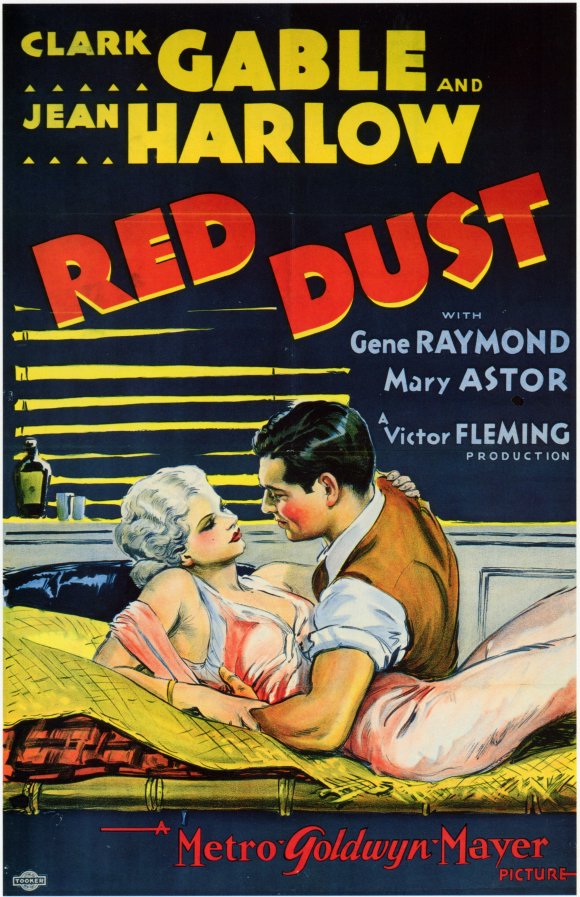
I took a break from my depressing Noirvember playlist last weekend and watched Red Dust (1932) one of the scandalous movies that led to the Hayes Code. I remember it being mentioned in “A Confederacy of Dunces” in that Ignatius Jacques Reilly claims that his parents went to the pictures one night, saw Red Dust, then went home and conceived him.

Clark Gable, in peak SILF* form, runs a rubber plantation in SE Asia. Two women come up the river in a boat and into his life: Jean Harlow, a prostitute looking for a place to hide out from police trouble in Saigon, and Mary Astor, a good young bride with a good young husband Gable has employed to survey for an expansion. Everyone involved gets hot and bothered. And drenched. Clark Gable gets a wet shirt scene that rivals the classic Pride and Prejudice Colin Firth plunge.

Read More Read More

Ellsworth’s Cinema of Swords: So Many Prisoners of Zenda

Ellsworth’s Cinema of Swords: So Many Prisoners of Zenda

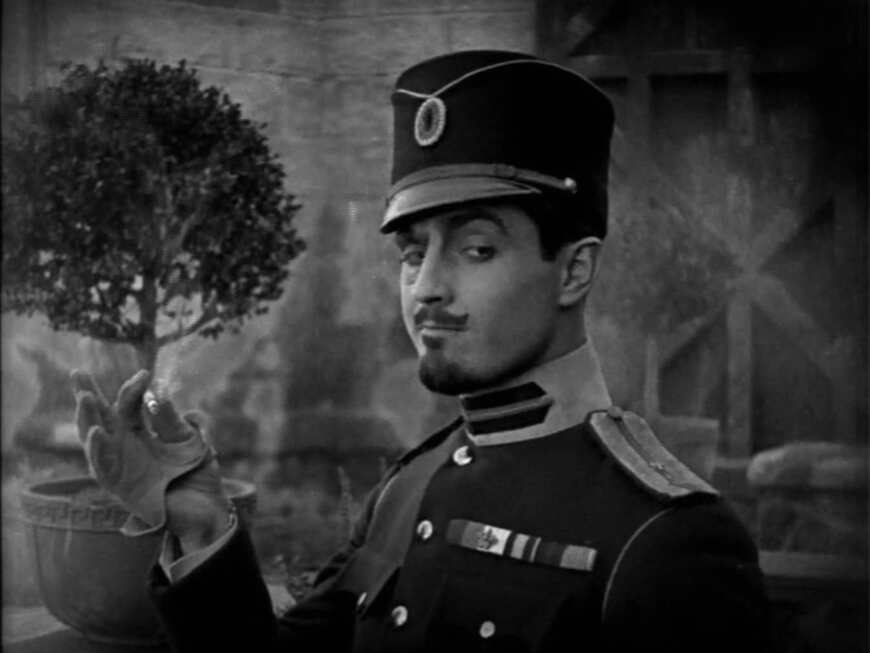
The Prisoner of Zenda (USA, 1922)

Sir Anthony Hope Hawkins (1863-1933) wrote some thirty-two books, mostly novels, many of them bestsellers that were adapted to stage and screen. Today he is remembered only for his swashbuckler The Prisoner of Zenda (1894) and its sequel, Rupert of Hentzau (1898). Both were set in the fictional principality of Ruritania, and were so popular that they spawned a host of imitators known as “Ruritanian romances.”

A littéraire at Oxford, Hawkins took a first in Classics at Balliol College, then a law degree. He settled into work as a barrister in the City in London, but the time weighed heavily on his hands, so he turned to writing. His first literary success, The Dolly Dialogues (1894), established the pattern for most of his novels, wry commentaries on London society mixing romance with politics. His second success was The Prisoner of Zenda, a rollicking adventure in a very different mode. Tastes have changed, and nowadays Hope’s Edwardian comedies of manners are largely forgotten, but The Prisoner of Zenda, with its iconic dash, flair, excitement, and humor, lives on.

Read More Read More

More Tales From The Magician’s Skull Live on Kickstarter!

More Tales From The Magician’s Skull Live on Kickstarter!

“More Tales From The Magician’s Skull Kickstarter” Is Live

Now through Nov 19th, 2021, you can amplify the success of the Tales from the Magician’s Skull (TftMS) magazine by participating in the Kickstarter campaign brought to you by Goodman Games. The campaign is on fire in its early days and rapidly earned a “Projects We Love” badge from Kickstarter.

The initial 2017 Kickstarter (Black Gate release link) kicked off the first two issues, and a follow-up campaign in 2019 carried us to issue #6. Throughout this journey, Black Gate has chronicled reviews for most issues: TftMS#3, TftMS#4, TftMS#5TftMS#6. A key post is John O’Neill’s epic interview with Joseph Goodman (publisher) and Howard Andrew Jones (chief editor). This interview captures the origins of the Skull from its two primary champions (who appear possessed by the undead celebrity).

Current readers already know that the magazine magically blends (a) homages to pulp magazines with superior paper quality & inked illustrations with (b) contemporary masters in storytelling. The result? We get officially licensed pastiche of Leiber’s Fafrhd and the Gray Mouser/Lankhmar (Nathan Long’s contribution to #6) and Elak of Atlantis tales from Adrian Cole (issues #4 and #5); and we get fresh perspectives on Sword & Sorcery from John C. Hocking, Clint Werner, Violette Malan, James Enge, and others. And there is more! RPG players rejoice since each issue provides stats for playing with the characters, items, and spells featured in each story.

Read On! The Secrets to Pledging Are Revealed

Read More Read More

Always Then and Never Now: The 13 Clocks by James Thurber

Always Then and Never Now: The 13 Clocks by James Thurber

ONCE upon a time, in a gloomy castle on a lonely hill, where there were thirteen clocks that wouldn’t go, there lived a cold, aggressive Duke, and his niece, the Princess Saralinda. She was warm in every wind and weather, but he was always cold. His hands were as cold as his smile and almost as cold as his heart. He wore gloves when he was asleep, and he wore gloves when he was awake, which made it difficult for him to pick up pins or coins or the kernels of nuts, or to tear the wings from nightingales. He was six feet four, and forty-six, and even colder than he thought he was. One eye wore a velvet patch; the other glittered through a monocle, which made half his body seem closer to you than the other half. He had lost one eye when he was twelve, for he was fond of peering into nests and lairs in search of birds and animals to maul. One afternoon, a mother shrike had mauled him first. His nights were spent in evil dreams, and his days were given to wicked schemes.

Wickedly scheming, he would limp and cackle through the cold corridors of the castle, planning new impossible feats for the suitors of Saralinda to perform. He did not wish to give her hand in marriage, since her hand was the only warm hand in the castle. Even the hands of his watch and the hands of all the thirteen clocks were frozen. They had all frozen at the same time, on a snowy night, seven years before, and after that it was always ten minutes to five in the castle. Travelers and mariners would look up at the gloomy castle on the lonely hill and say, “Time lies frozen there. It’s always Then. It’s never Now.”

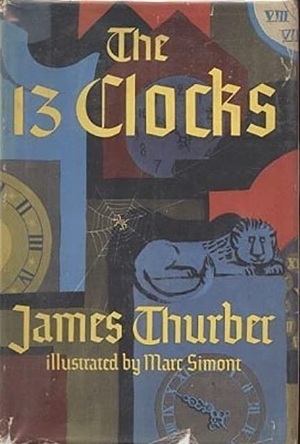
So begins James Thurber’s wonderful fairytale The 13 Clocks. Best known as a cartoonist, humorist, and one of the stalwarts of the New Yorker during the Harold Ross and William Shawn years, he also wrote several fairytales for children. I haven’t read the others — Many Moon and The White Deer — but I have come back to this one several times. An effervescent read, it never fails to delight.

As described in that magnificently menacing opening, the evil Duke spends his days setting his niece’s suitors impossible tasks such as cutting a slice of the moon or turning the ocean to wine. Sometimes, for no better reason than failing to describe his different-length legs properly (they differed in length because he spent his youth “place-kicking puppies and punting kittens”) or not praising his wine, staring at his niece too long, or having a name that started with X, he would just kill them.

Read More Read More

Not Streaming: Wonderfalls

Not Streaming: Wonderfalls

Wonderfalls
Wonderfalls

This is the second article in an occasional series called either Now Streaming or Not Streaming, depending on the availability of the television shows or films I’ll be discussing.  In addition to discussing the works, I’ll also note the availability of the works.  The series also ties into an issue of the Hugo Award winning fanzine Journey Planet I’ve recently published which has appreciations of more than thirty television series that were cancelled within two seasons.

Sometimes a show’s cancellation is, at least in part, the result of the coincidental similarity with another show. On September 18, 2006, Studio 60 on the Sunset Strip, an hour long drama built around the production of a weekly comedy sketch show, debuted on NBC.  Three weeks later, on October 11, NBC debuted 30 Rock, an half-hour long comedy built around the production of a weekly comedy sketch show.  While 30 Rock ran for seven seasons and 138 episodes, Studio 60 only lasted a single series and 22 episodes.

A couple years earlier, a similar situation happened when Joan of Arcadia debuted on CBS on September 26, 2003. It ran for two seasons and told the story of a woman who was given tasks to perform by God. Six months later, on March 12, 2004, Fox aired the first episode of Wonderfalls, a story about a woman who hears voices giving her tasks to perform. After airing the first four episodes out of order, Fox cancelled the show. Fortunately, one of the executive producers, Tim Minear, had experience with Fox (he had worked on Firefly), and they had plotted the series to complete a story arc within the 13 episodes initially ordered. The full run aired on Canada’s Vision TV six months after it was cancelled in the United States, where viewers had to wait until the DVD set was released in early 2005 with all the ‘sodes in the correct order.

So, what is Wonderfalls and why is it so Wonderful?

Read More Read More

19 Movies: If It’s the 1950’s, It Must Be Radioactive

19 Movies: If It’s the 1950’s, It Must Be Radioactive


This time around we’re focusing on films containing the most common theme in 1950’s sf films: radiation. This installment contains just a sample of films exploring that theme, so we’ll certainly revisit it at some future time.

Kiss Me Deadly [1955: 9]

Often cited as one of the great noir films, this strange blend of hard-boiled detection and sf chronicles Spillane’s Mike Hammer seeking the “whatsis.” Right from the backward scrolling opening credits you know you’re in for an unusual and unsettling ride as quirky characters move through quirky Los Angeles settings that no longer exist.

Read More Read More