Firefly, A Retrospective — Part 7

Hey Independents! Well, today we get to the end of the first and only season of Firefly. Alas, it’s a bittersweet experience, but let’s load up and dig in for the last three shows.
The Message (Episode 12)
The crew is at a bazaar, with Simon and Kaylee having a date until Simon ruins it by being Simon. Mal is having a hard time finding a fence for the Lassiter pistol (see last week’s installment, episode 11). They check the local post office, where Jayne has a package from his mom – it’s the hat!!! (You Browncoats know what I mean. For everyone else, just Google “Jayne’s hat.”)
Mal and Zoe receive a crate. A sarcophagus, actually. Inside is the corpse of a young man. His name was Tracy. Mal and Zoe fought beside him in the war. In a brief flashback, we get the distinct impression this kid was kind of a dunce, but a lovable one.
Mal takes the coffin onboard Serenity and finds an audio recording. It explains that Tracy got into trouble and expected to be killed. He wanted Mal and Zoe to take his body home. While the ship and crew take off for the kid’s homeworld, some scruffy-looking federal agents bust into the post office looking for the sarcophagus. The post master tells them who took it.
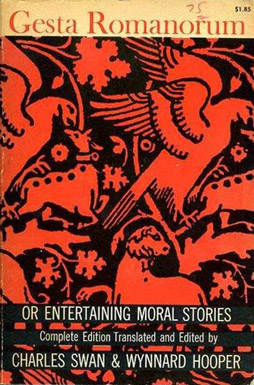 Somewhere in Europe, probably around the end of the 13th or the beginning of the 14th century, someone put together a book of tales. Likely this someone was a cleric who wanted to compile a manual to use in sermons and preaching. The texts were written in Latin and featured stories of all sorts: romances, travellers’ tales, fragments of Pliny and Herodotus and Aesop. A number were brief and didactic, if not prosaic, describing some uninteresting event or propounding a riddle a nearby wise man quickly answered with too pat an explanation — but others of the tales were filled with miracles and adventure and magic, with angels and saints and knights and dragons. Each was given a detailed moral, with every incident and character shown to have allegorical significance. Whether because it boasted wonder-stories, because it made those wonder-stories Christian parables, or both, the book quickly became immensely popular. This being well before the age of print, manuscripts proliferated, gaining and losing stories along the way.