Anthopology 101 dives into classic SF Anthologies
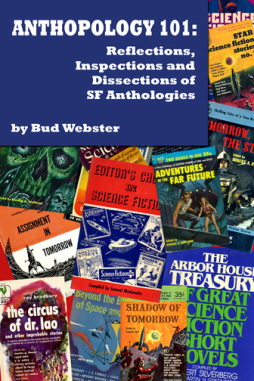 SF author Bud Webster informs us that his book Anthopology 101: Reflections, Inspections and Dissections of SF Anthologies, is now available from The Merry Blacksmith Press. Bud tells us:
Anthologies are the core samples of science fiction. Through their pages, we can not only follow the growth of the genre from its very beginnings, but we can also study the past’s visions of the future.
As author of the always-fascinating Past Masters column, which examines the forgotten work of some of the finest SF and fantasy writers of the 20th Century, Bud should know.
This is one of the most intriguing titles I’ve come across in a while, and I’m really looking forward to getting a copy in my hot little hands.
The book includes an introduction from Mike Ashley, and collects 25 of Bud’s “Anthopology 101” columns that originally appeared in The New York Review of Science Fiction, Chronicle, SFWA Bulletin, and other fine publications.
For anyone else with an obsessive interest in these fascinating and beautiful relics of early science fiction and fantasy (I’m talking to you, Rich Horton), you’ll want to jump over to the Merry Blacksmith website, where they’re offering free shipping on Anthopology 101 until August 21.
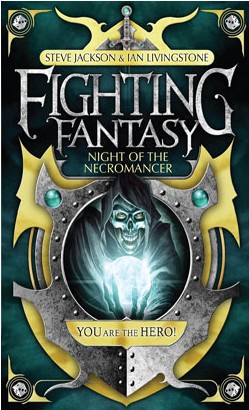 Night of the Necromancer
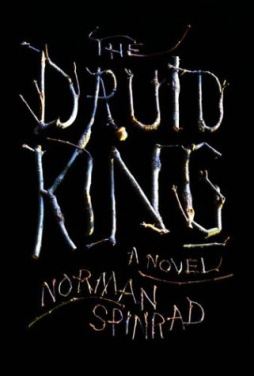 In Part Two of his blog series on the Publishing Death Spiral (read Part One
 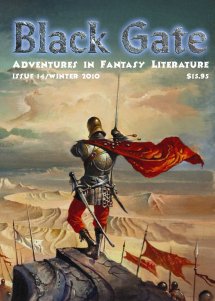 Sixteen of your US dollars. That’s what the latest (monster) issue of Black Gate has cost you in these days of fear and crumbling factories. It’s strange, isn’t it? You’ll spend all that money on a collection of fiction and game reviews when the internet is bursting with so much free content. If you go looking right now, you can find a million Sword & Sorcery stories out there that you wouldn’t even need to pirate: the authors, overcome in a delirium of generosity, are only too thrilled to supply them for free.
 Prague-based artist Matej Kren has created a room made almost entirely of books. It is part of the city gallery of Bratislava.
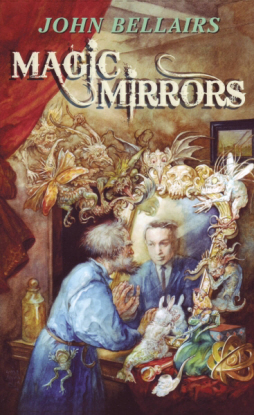 But Bellairs was more than that. He was also a first-class fantasist, whose one book for adults, The Face in the Frost, is something unique. Written before his tales for children, on its publication in 1969 it was described by Lin Carter as one of the three best fantasies to have appeared since The Lord of the Rings.
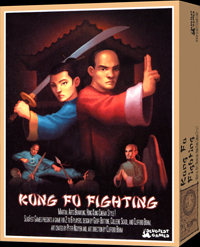 Now that Gen Con is done, it’s time to offer up some final thoughts, experiences, and, of course, games.