Howard Andrew Jones reviews Far Avalon RPG
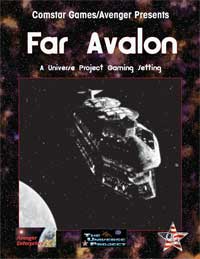 In honor of the coming conclusion of Howard Andrew Jones month (no relation) here at Black Gate, we present another fine game review from his vast oeuvre of gaming reviews in Black Gate 14. This review is an interesting contrast to his earlier review of the space adventure game Traveller.
Far Avalon
Martin Dougherty
Avenger/Comstar Games (313 pp, $17.99 PDF, 2009)
Reviewed by Howard Andrew Jones
Martin Dougherty’s one of the best writers that Traveller’s ever had. He’s been responsible for a number of outstanding supplements, from introductory adventures like the deceptively dully titled Type-S to Mongoose’s new Spinward Marches – a book wherein Dougherty had to bring 16 subsectors of Traveller space to life – to the truly phenomenal, and sadly out-of-print-too-soon Gateway to Destiny supplement from QLI. Martin has a knack for bringing his places to life with interesting challenges and adventure hooks, even canon Traveller worlds that long seemed dull in the hands of other writers. I think highly enough of his work that I go out of my way to read new supplements with his name on it.
Far Avalon is a game setting with sectors and spaceships, but it’s not Traveller.
 Our own Amal El-Mohtar, who has blogged for us about
  And second of all,
  Today is the street date for the Blu-ray release of The Last Unicorn, the 1982 Rankin/Bass-ITC Entertainment animated film version of Peter S. Beagle’s classic 1968 fantasy novel, for which Beagle also wrote the screenplay. After a poor-quality DVD release in 2004, which came from inadequate masters and was presented pan & scan, Lionsgate Entertainment released an excellent two-disc DVD in 2007 as a 25th Anniversary Edition. Now that version is making the leap to 1080 lines of resolution for the new generation of Hi-Def presentation.

 This post is the latest installment of an ongoing discussion in the fantasy blogosphere, which I think has raised some interesting questions about fantasy and the fantastic tradition.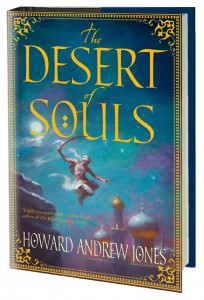
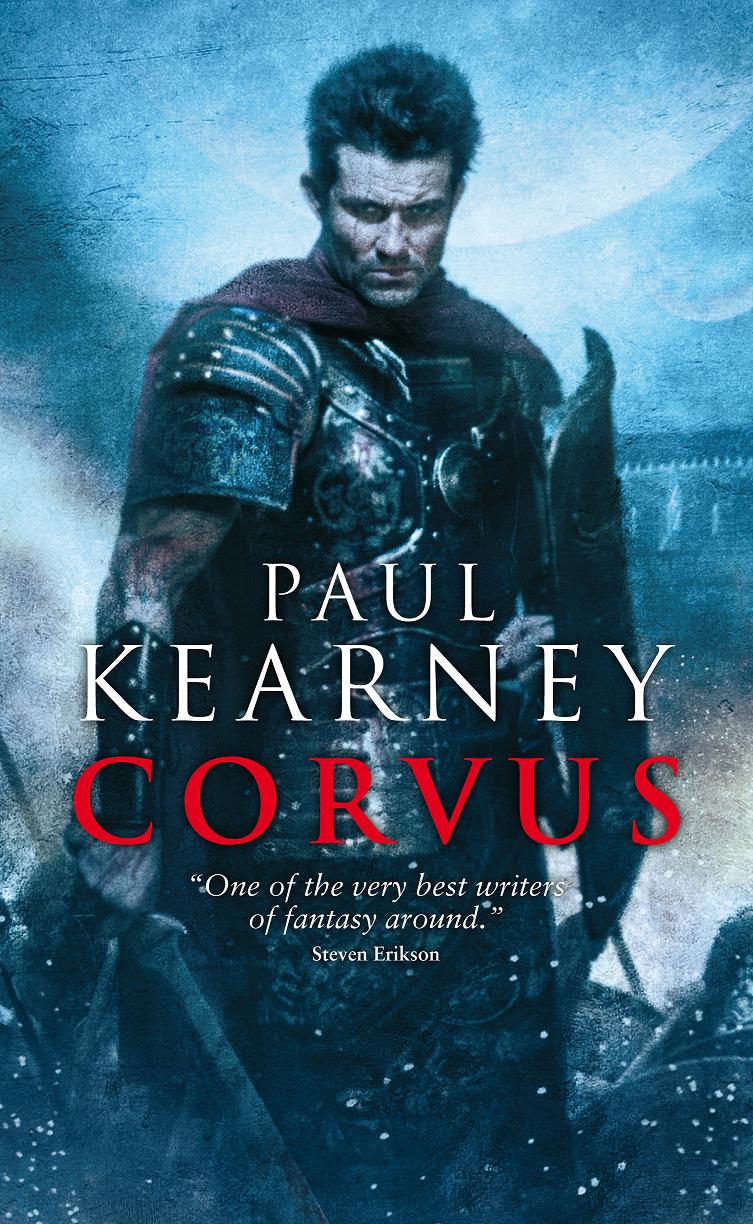
 Dhaka, the capital of Gano Projatontri Bangladesh. With a population of thirteen million the city was a madhouse. Buses and plastic Tata Kei Cars spewed thick smoke from their struggling two cylinder aluminum engines. The heat and pollution were stifling and the cacphony of car horns relentless. This place was more than enough to drive you mad. It was dirty. It was overcrowded. It was dangerous.