My First Novel Sale
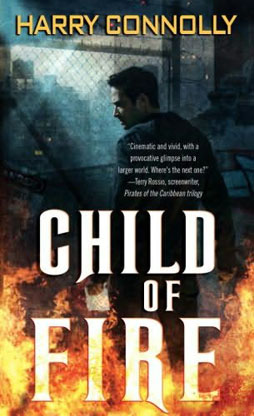 This essay first appeared as a part of Jim C. Hines’s First Book Friday series, in which authors describe their first sales. You can read the entire series on his blog or LiveJournal. This piece has been lightly edited for clarity.
The first thing to know about selling Child of Fire, my first novel, is that it happened after I’d already quit writing.
I’d spent years trying to sell longer works, but had no success; you might say I was a smidge discouraged. The book I’d written just before Child of Fire was very difficult and very personal; I’d literally wept while composing the first draft. What happened when I sent it out? Form rejection after form rejection.
I was angry (with myself, not with the people who’d rejected me; that’s one of my most important rules). I thought I’d been doing everything I needed to do, but apparently not.
For my next book, I used my anger as fuel. I started with a strange incident that needed to be investigated. I loaded the story with antagonists and conflicting goals. Then I ramped up the pace and kept it going, making even the slower parts, where the characters just talk with each other, quick and full of conflict.
But I was sure I was wasting my time. If my last book hadn’t gone anywhere, why should this one?

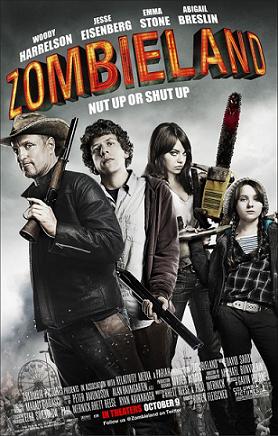 Like most horror fans, I love zombie movies because they’re fun, gory, and suspenseful. I find the survivalist angle intriguing, too (I often find myself wondering if and how I could survive an initial outbreak of the walking dead. Equipped with my copy of The Zombie Survival Guide I’d like to think at least I’d have a fighting chance. But probably not).
 The six-foot grim reaper is out in the front yard pointing eerily at the tombstones poking out of the grass. The fog machines are strategically placed; one in the bushes and one in the coffin leaning against the house. There’s a sound-activated specter that will slide from tree to gutter, moaning and waving its arms at the slightest hint of a visitor. And most important, there’s an eight-foot python curled around the mailbox.

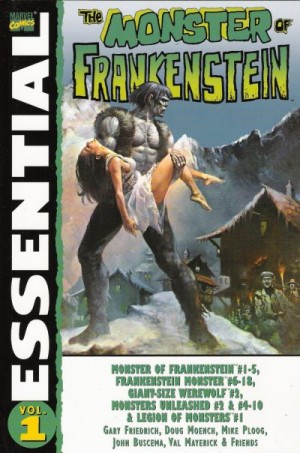
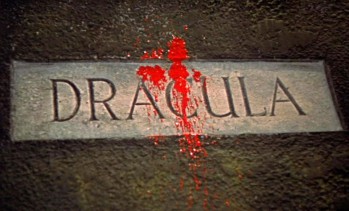 October films come in two flavors for me: Universal and Hammer. I have affection for almost any Gothic horror films these studios produced during their Golden Ages (1930s and ‘40s for Universal, 1950s and ‘60s for Hammer), even the lesser entries. The studios have such opposite visual approaches to similar material — the black-and-white shadows of Universal, the rococo lurid colors of Hammer — that they create a perfect Yin and Yang for Halloween, a Ghastly Story for Whatever Suits Your October Mood.