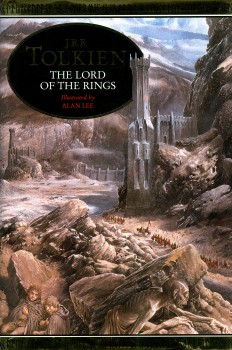
Is The Lord of the Rings Literature?
 Part 2 of a 2-part series
Part 1 of this article set the stage for the question, Is The Lord of the Rings literature? Part II examines six criteria commonly used to define works of high literary quality and applies them to The Lord of the Rings.
1. Popular appeal
The argument against: The Lord of the Rings might be popular, but that doesn’t make it literature.
The counterargument: There’s popular, and then there’s an omnipresent, mammoth, overshadowing level of popularity.
How popular is The Lord of the Rings? At last count, it has been translated into 57 languages and is the second best-selling novel ever written, with over 150 million copies sold. Its also a repeat winner of multiple international contests for favorite novel (note the broad term novel, not just fantasy novel). For example:
- In 1997 it topped a Waterstone’s poll for Top 100 Books of the Century.
- In 2003 a survey (The Big Read) was conducted in the United Kingdom to determine the nation’s best-loved novel of all time. More than three quarters of a million votes were received, and the winner was The Lord of the Rings.
- A 1999 Amazon poll administered to its customers yielded the same result.
In short, readers of all stripes, from all around the world, adore this book more than just about any other.
All that said, I will fully admit that this is the least convincing argument, because mass appeal is not necessarily a good indicator of quality. See Justin Bieber. So let’s look at some other criteria.
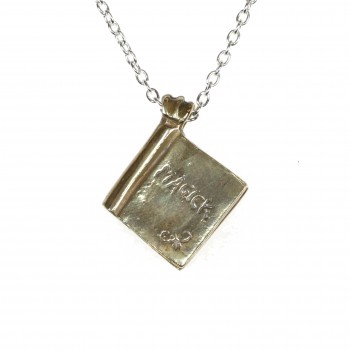
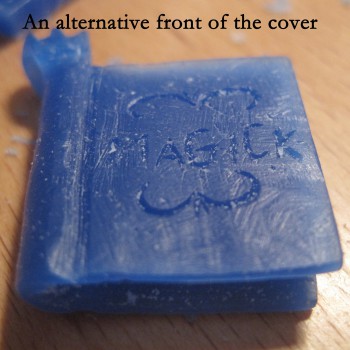 And now, months later, our collaboration is taking shape. I’ve produced three designs, a pendant that I released at the same time that Kat, Incorrigible hit bookstores, a pair of earrings that debuted at the launch party for the second book, A Tangle of Magicks (this will be released as Renegade Magic in the US next year), and a charm bracelet that just went on the market about an hour before I sat down to write this post. One might ask, how big is the market for book tie-in jewelry like this? I have no idea. Ask me in a year or two. What I can talk about, though, is how we started this venture.
 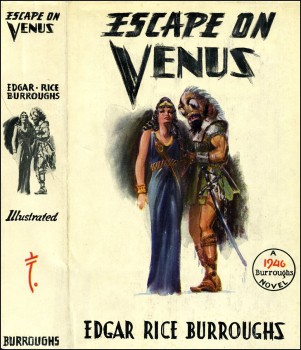 I love Edgar Rice Burroughs. His novels have had an enormous influence on me as a writer and as a pulp fan. But, I must admit, sometimes he wrote … this kind of thing….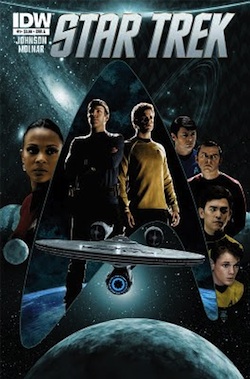
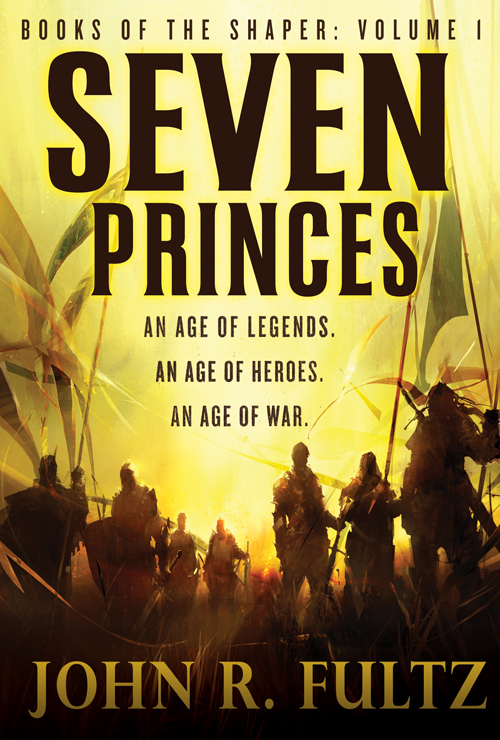 Orbit Books just did a cover launch for SEVEN PRINCES on their official site today:
 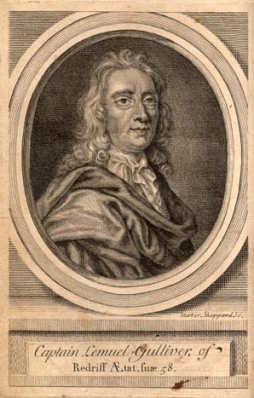 By way of beginning a discussion about Romanticism and fantasy, I’d like to take a quick look at where the Romantics came from. If Romanticism was a revolt against Reason, what was Reason understood to be? If Romanticism, as I feel, is essentially fantastic, is Reason opposed to fantasy? To know Romanticism is to know the Enlightenment which it was reacting against, so in this post I’ll try to describe some characteristics of the 18th-century Enlightenment in England that seem relevant to the development of fantasy. I’ll go up to about 1760, and then in my next post point out some of the counter-currents and proto-Romantic elements that were developing at the time and after.