Art of the Genre: House Davion and the Federated Suns
I mean, can you imagine it? Bradstreet, Deitrick, Laubenstein, Nelson [all three of them], Aulisio, Berry, Marsh, Harris, MacDougall, Holloway, Elmore, and countless others all sitting around a booth with countless Shadowrun, Earthdawn, Star Trek, and Battletech memorabilia and artwork? I mean, even Jordan Weisman would probably show up so someone could write him a check for something.
It would have been a lofty enterprise, and I can’t imagine the line waiting for signatures at that station, or the books that would be held in the hands of the throngs of fans. I run the fan page on Facebook for both Laubenstein and Deitrick, so I know they were into the idea, but unfortunately it fell flat after initial interest in the idea came forward back in September 2011.
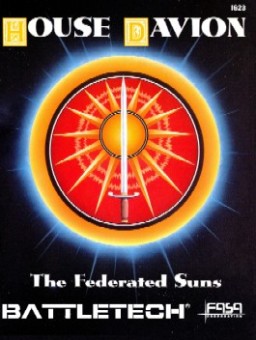
Still, thinking about all the incredible artwork these artists put out in their tenure made me grab down one of my absolute favorite FASA supplements, House Davion and the Federated Suns, for the Battletech RPG.
I did a post last year about John Wick and his creation of the ‘Way of’ books for 1st Edition L5R and stated that there was only one other collection of gaming supplements that could match them for incredible written content. Those, of course, were FASA’s House books, and as a historian I still get giddy about reading a thousand and eleven year alternate future.
…


 Arctic Rising
 This month’s Apex Magazine is a special international themed issue, featuring ”Love is a Parasite Meme” by Lavie Tidhar (who is interviewed by Stephanie Jacob) and ”The Second Card of the Major Arcana” by Thoraiya Dyer; the classic reprint is “Alternate Girl’s Expatriate Life” by Rochita Loenen-Ruuize.