Christopher Paul Carey on Philip José Farmer’s World of Khokarsa
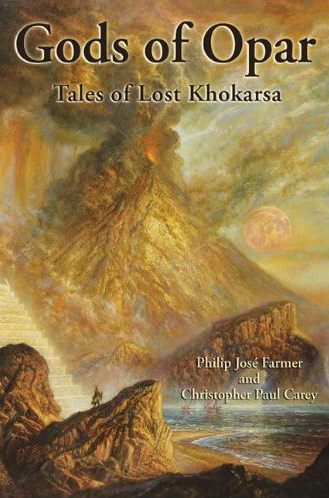 With the publication of Gods of Opar: Tales of Lost Khokarsa, I thought I’d take the opportunity to give Black Gate readers a taste of the world of Khokarsa, which serves as the setting for Philip José Farmer’s epic series of adventure and historical fantasy. It’s a world I’ve been immersed in for the past several years as I worked to complete The Song of Kwasin, the concluding book in the Khokarsa trilogy, as well as other related projects set in Farmer’s prehistoric empire.
Farmer’s achievement in the first two Khokarsa novels — written and first published in the 1970s, and now available in the Gods of Opar omnibus — is impressive. And part of the reason these thirty-some-year-old books hold up so well is the lengths to which the author went to carefully construct a believable world for his prehistoric heroes, heroines, and villains.
The rich level of cultural and descriptive detail in both Hadon of Ancient Opar and its sequel Flight to Opar make them prime examples of fantastic world building. Set twelve thousand years ago in ancient Africa against the backdrop of a civil war between the priestesses and the priests in the empire of Khokarsa, the books unveil a complex pantheon of gods and goddesses.
First and foremost is Kho, known also as the Mother Goddess, the White Goddess, and the Mother of All. She is the central deity of the Khokarsan people. Carefully balanced against Kho is her son Resu, god of the sun, rain, and war. While Resu has been declared the equal of his mother, most Khokarsans still regard Resu as secondary to Kho.
At the time Hadon of Ancient Opar begins, the priests of Resu have been locked in a delicate struggle for supremacy with the priestesses of Kho for over eight hundred years.
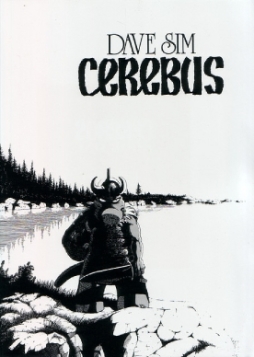 I’ve been writing a fair bit lately about Canadian fantastika, and I’ll be doing so again next week, looking at a trio of grand masters who’ve just released what may be one of the most accomplished works of their career. But there’s been a bit of news lately about another notorious Canadian fantasy epic, so I want to talk about that first.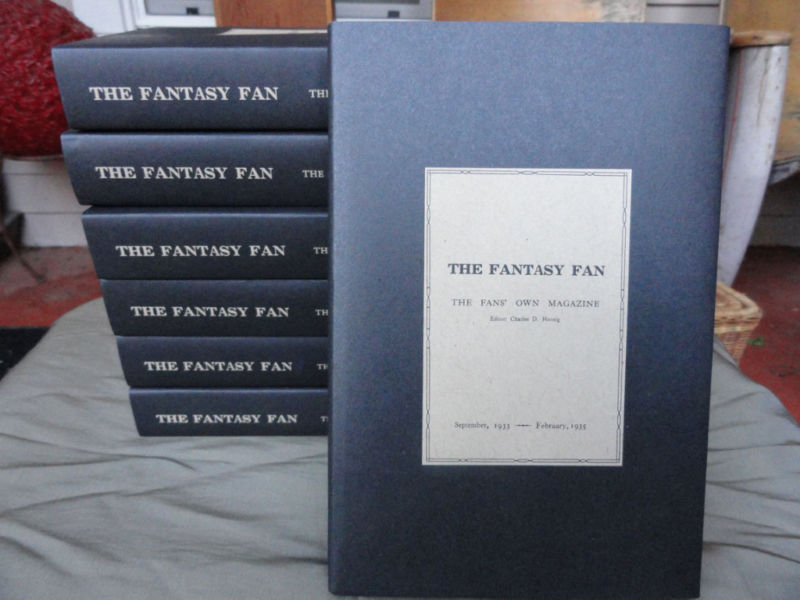
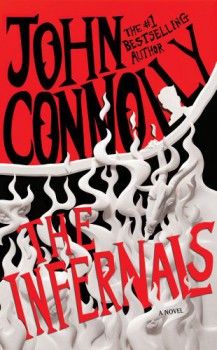 The Infernals
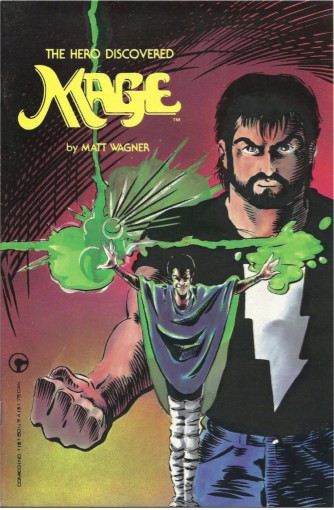 It’s nothing new: taking old mythic tropes and adapting them to modern-age stories. The social commentary thinly-veiled as mysticism, the peek-a-boo mythology references, the obligatory explanation for why most people in our modern times don’t notice magic, the unassuming youth who will one day become a great hero … we’ve all read them. he secret is in the execution. How well is this ancient story re-told? How compelling are the characters? Are the truths revealed deep or trite?