A Tale of a Vanished Writer: Geoffrey Huntington’s The Ravenscliff Series
 If you follow what we call “the industry,” you’re probably aware of a routine publishing phenomenon: a new writer appears, publishes 2-3 novels, and then vanishes. Frequently right in the middle of a promising new series.
Here’s another routine phenomenon: I discover them ten years later.
Fricken’ hell. Where do all these vanished writers come from? People puzzle over where they go; I just want to know how they keep popping up. Vanished writers. They’re all over the place, like discount car insurance.
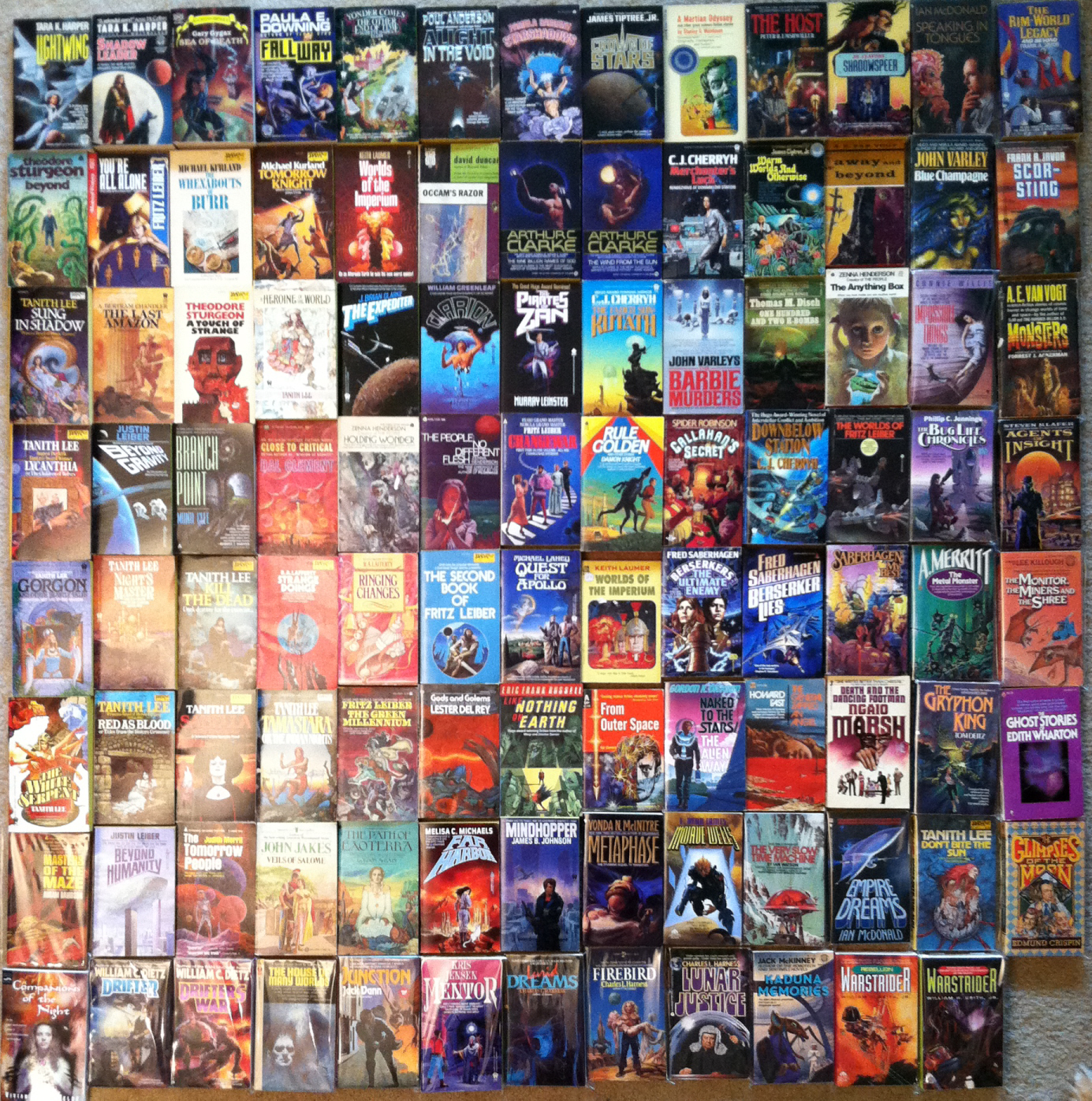
Last month I bought a collection of 240 new science fiction and fantasy paperbacks (Told you I buy collections. They’re like boxes of Christmas.) This one was an eclectic mix of remaindered titles from the last ten years, all in terrific shape, at about a buck a book. The seller still has a few lots left on eBay, if you’re interested.
Anyway. One of the chief joys of buying books by the quarter ton is finding bizarre stuff you don’t normally come across. (The other is coming up with creative ways to sneak them into the house without your spouse knowing, but that’s a different topic.) One of the many interesting items I came across in the first lot was the 2004 YA novel Demon Witch by Geoffrey Huntington, with this intriguing description on the back cover:
Long before the days of Madman Jackson Muir, a witch named Isobel the Apostate waged war upon her fellow sorcerers, the noble order of the Nightwing. Burned at the stake for her crimes, Isobel vowed to return and conquer the world. Now that she is back, the only person who can prevent hell on earth is fourteen-year-old Devon March. In a battle that takes him from modern-day Ravenscliff to Tudor England and back, Devon must unleash the Nightwing power within himself and call upon friendships in the strangest places to stand against an evil that has waited five centuries for revenge. For at Ravenscliff, friends come in all shapes and sizes — and enemies are everywhere.
Witches, sorcerers, secret orders, and burnin’ stuff at the stake. That sounded pretty good. Naturally, the cover proclaimed it was Book II of The Ravenscliff Series. Which I’d never heard of.
 The premise of this podcast series is that tourists came from as far as the Faerie Kingdom and Hell to visit the 1893 Chicago World’s Fair and, once it was over, decided to stay. These sub-cultures continued to co-exist with every other immigrant community in Chicago, integrating just enough to go unnoticed by most people. The Burnham Society was established to intervene in those situations where the sub-cultures don’t peacefully co-exist. The organization is perpetually trying to maintain its lofty goals while dealing with petty day-to-day politics (much like its namesake, architect Daniel Burnham).
 I have a week-long break between summer movie reviews, the gap between
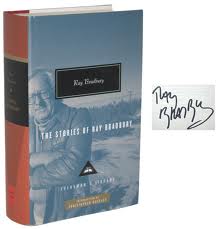 Revisiting the stories of Ray Bradbury has been a lot like sitting down to revisit Twilight Zone episodes. I don’t just mean the twist ending, though there is that. I mean the other things – the misanthropic critic/hero/rebel who talks for a long while, perhaps too long, about the troubles of society, of humanity. The mirror held up to show us ourselves as we once were when all men wore hats and all women wore dresses. The sad realization that while there are cool and brilliant bits, our sense of pacing has changed, and that having experienced enough of these stories, we get the sense of how an unfamiliar one will end.
 I recently reviewed