Keep up on Fantasy Gaming with Kobold Quarterly
 In the early days of the adventure gaming hobby, the field was pretty diverse, with a healthy assortment of successful RPGs and board games. Much like today, as a matter of fact.
One major difference, however, was that each of the major titles was supported with its own magazine: Dragon (for D&D and other TSR games), Different Worlds (Runequest, Call of Cthulhu), Sorcerer’s Apprentice (Tunnels and Trolls), White Dwarf (Warhammer), Space Gamer (The Fantasy Trip), The Journal of the Traveller’s Aid Society (Traveller), and many others. Board gamers, too, weren’t overlooked on the magazine rack, with Nexus (Star Fleet Battles), Ares (SPI’s sci-fi games), The General (Avalon Hill), and others.
With the exception of White Dwarf, all those magazines are dead today.
And I miss them. Many were good, and a handful — including The Space Gamer and Different Worlds — were excellent. They kept us up-to-date on rapid market changes, talked-up overlooked games, and generally kept the level of excitement high around the whole industry.
I never expected the era of the specialized gaming magazine to return. For one thing, I know what it takes to keep a magazine alive these days (a series of miracles).
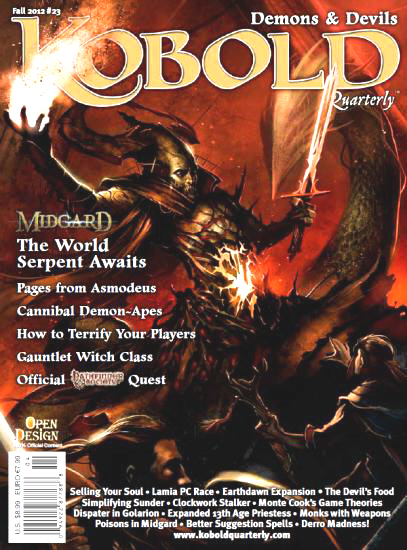
But Wolfgang Baur’s Kobold Quarterly has changed my mind.
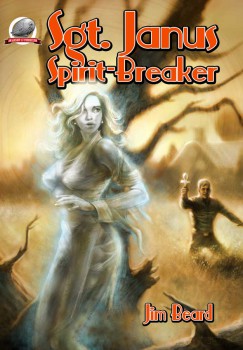 ‘His eyes were icy verdigris, but warm also, and piercing — in a kind way. He was dressed smartly in a long coat of an almost military cut and dark pants with gold piping.’ So writes the narrator of the 2012 story, “The Portobello Cetacean” as she first lays eyes on her host, Sgt. Roman Janus, late of Mount Airy, the man known as the ‘spirit-breaker’.
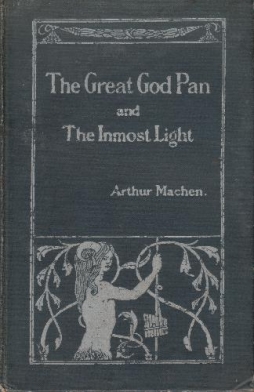 Arthur Machen first published a version of “The Great God Pan” in 1890, in a magazine called The Whirlwind; then revised and extended the tale for its republication as a book in 1894, when it was accompanied by a thematically-similar story called “The Inner Light.” It’s a fascinating work, creating a horrific mood mostly through suggestion and indirection. Nowadays, one looks at it and notes very Victorian attitudes toward women. At the time of its original publication, the story’s implied sexuality caused real scandal.