Fredric Brown, Stanley G. Weinbaum, and Appendix N: Advanced Readings in D&D
 Time to get caught up with the tireless Mordicai Knode and Tim Callahan, as they trek towards the finish line of their epic Appendix N re-read over at Tor.com.
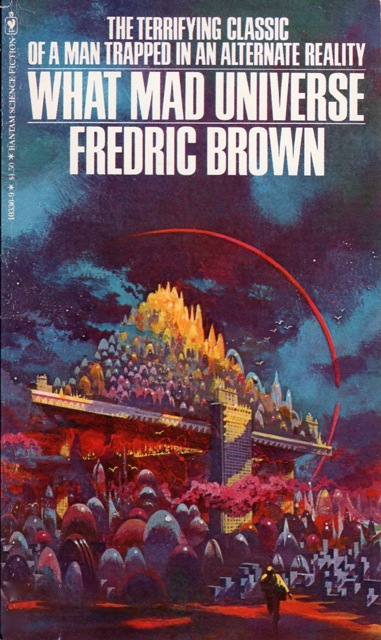
This time, they take a look at two names very familiar to Black Gate readers: Fredric Brown and Stanley G. Weinbaum, both of whom we’ve discussed recently, and at considerable length.
In fact, just last week I examined The Best of Fredric Brown, calling it “one of the best short story collections I’ve read in years.” Any collection which included “Arena,” “Puppet Show,” and “The Geezenstacks” has to be considered a classic, and I was looking forward to seeing what our intrepid literary explorers thought of it.
Not much, going by Tim’s analysis:
A spaceman single-handedly battles for the fate of the human race. A god plays war games with knights and bishops. Test tube babies become the new anointed ones. A mountaineer comes face-to-face with a yeti. Earth’s first contact with Mars goes horribly awry.
These are things that happen in the stories, often very short stories, of Fredric Brown. I can see why Gary Gygax liked them.
Unfortunately, their connection to Dungeons & Dragons is vague at best. They seem to fall into a category that, after reading most of these Appendix N recommendations, I can now confidently call Somewhat Clever Things Gary Gygax Enjoyed but are Pretty Tedious to Read Today.
Like the works of L. Sprague de Camp and Fletcher Pratt, the stories by Fredric Brown seem to be the kinds of tales that would delight Gygax with their intellectual playfulness and that might be reason enough for their inclusion on his list of recommended reading, but the cleverness only goes so far, and the stories feel pretty thin otherwise.
Bah. I don’t mean to critique the critic, but I think Tim was asleep at the switch here. Maybe he should have read these magical tales on a long plane-ride to Las Vegas, like I did, instead of hunched over his laptop, thirty minutes before deadline.