How I Spoiled My Own Bad Guys with Unexpected Success
 . . . not that I mind, really.
I’m getting prepared to go on vacation in my own hometown, staying in a hotel a mere five miles from my current apartment. That’s what you get when you win a free trip to Hollywood . . . and you live in Century City (a.k.a. “Beverly Hills Adjacent”).
I am getting good mileage out of that joke, believe me. For this year’s Writers of the Future and Illustrators of the Future workshop and award ceremony, people are being flown into Los Angeles from as far away as Perth in Western Australia and Johannesburg in South Africa. As for me: a right turn, a left, another right, another left. With good traffic, sixteen minutes, or so declares the Lords of MapQuest. I don’t know if I’ve ever gotten to Hollywood in under sixteen minutes, but I tend to travel there during peak hours.
But what’s this post really about, since I imagine most of you do not dial into the Black Gate frequency to hear my driving reports?
First, it’s to explain why I might not have a post up next Tuesday, which is the start of the workshop week for winners of the Writers of the Future Contest. Second, it’s to shamelessly plug the upcoming Writers of the Future Vol. 27, in which I’ll be making my professional fiction-writing debut with my story “An Acolyte of Black Spires.” The anthology’s unveiling will be on Sunday, May 15, but the book won’t be on sale at bookstores and online outlets until the next month. None of the contributors have even seen the cover yet, nor have we seen the illustrations for our individual stories. (There’s apparently a special procedure for that.) The ceremony on the 15th at the Hollywood Roosevelt Hotel will stream live through the Writers of the Future website, in case anybody cares to see what I look like in a tux. Also, I have a few people on the Black Gate team I plan to mention in my speech. So, John, Howard, and Bill . . . you might want to tune in. Just saying.
But what I really want to talk about is the bizarre nature of “short story order.” When I first set out to write short stories in a series, I knew I would not have much control over the order in which they appeared. I’ve read enough on pulp history to understand how that works. However, 1) I never expected to sell any of these stories; and 2) I would never have imagined that this particular one would be the first in the series to appear.
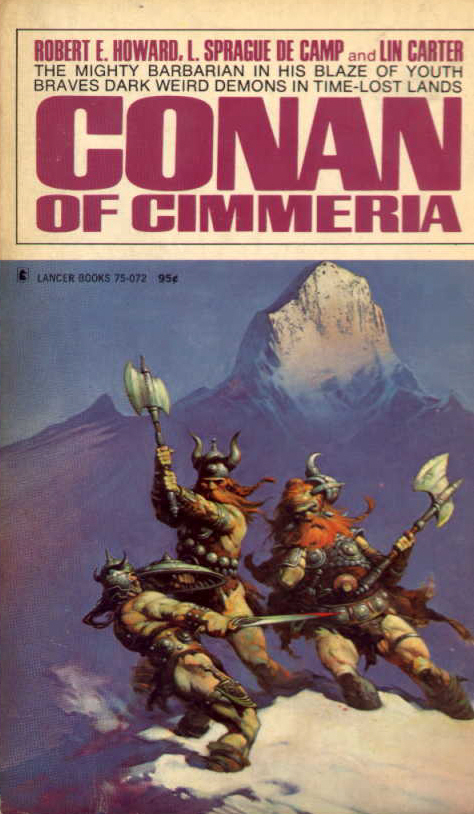



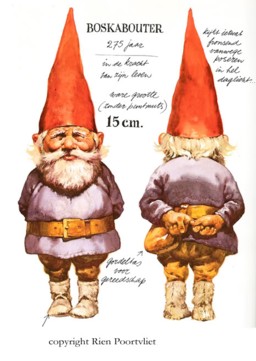 This morning on my walk to work, I spotted a man crossing a lawn. His arms were very full. Of garden gnomes.
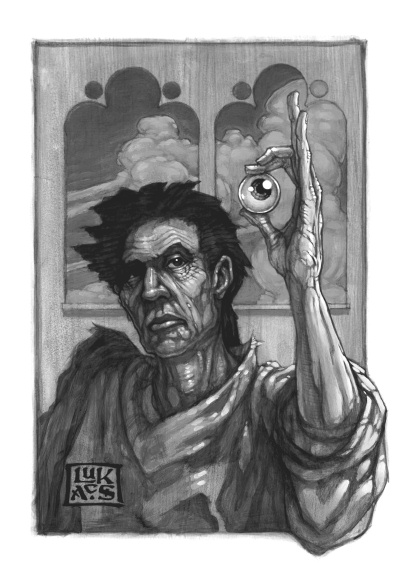 I can’t help it! I must speak, and I must speak now, for I just found out about it. John O’Neill will probably glare at me, because once he hears, he’ll immediately want to post about it, and then he’ll discovered that I already have!!!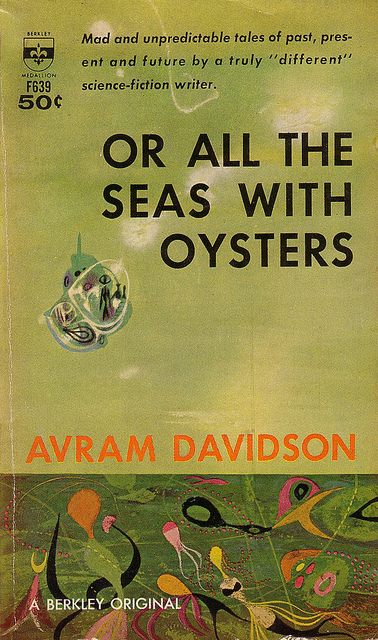






 Traveling around the world in eighty days is not only quite possible, but a leisurely journey. One could, on this trip, stop to smell the roses, perhaps do a little sight-seeing on an island or two, and pursue adventure in remote locations. Really, if one were pressed for time, anyone with a passport and a few plane tickets could circumnavigate the globe in about a week or two, depending on the flight paths of the planes.