Browsed by
Category: Writing

Four Things I Learned Publishing a New Modern-day SFF Set in a Reimagined Atlantis

Four Things I Learned Publishing a New Modern-day SFF Set in a Reimagined Atlantis

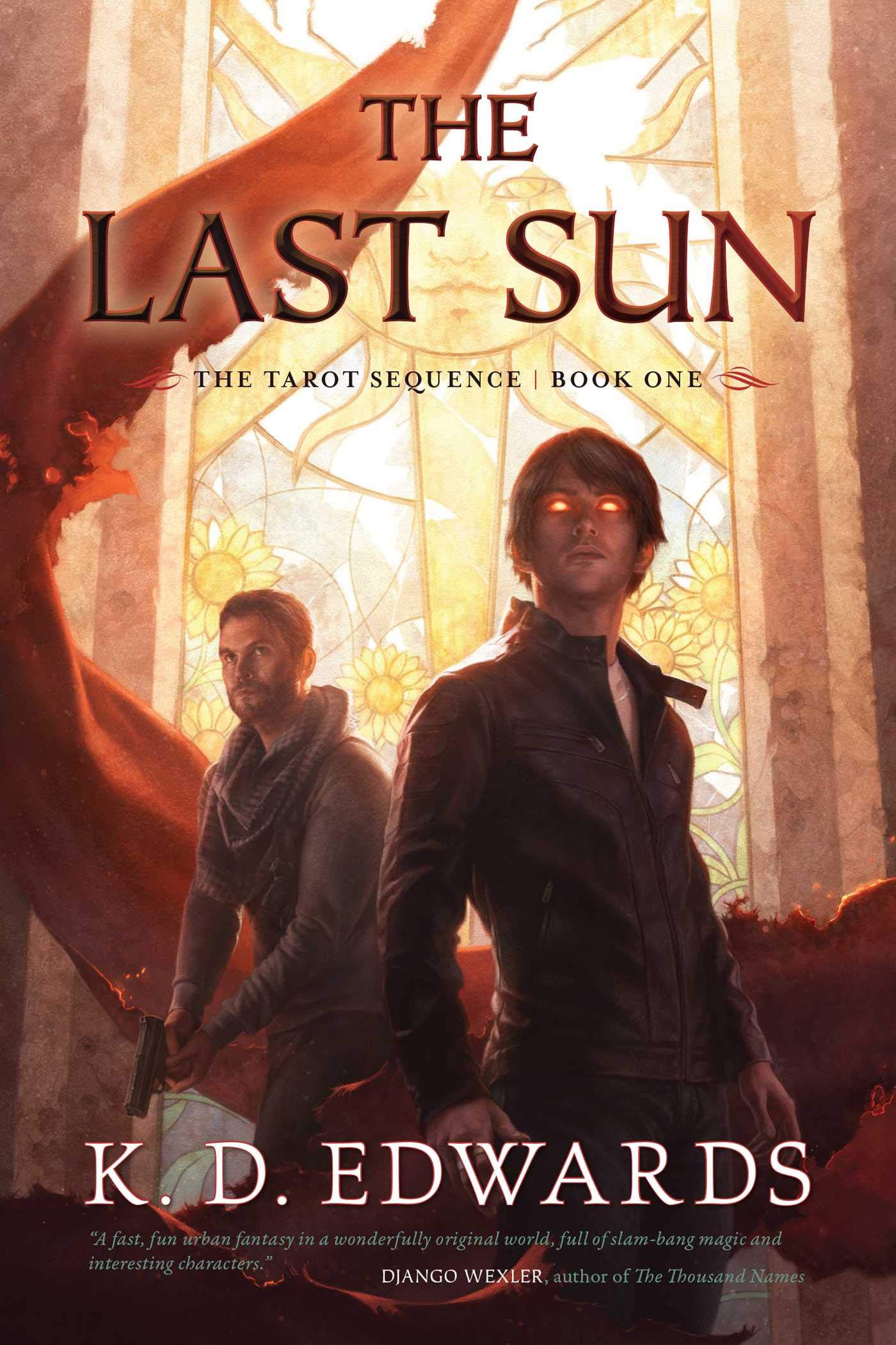
The Last Sun-small The Hanged Man-small

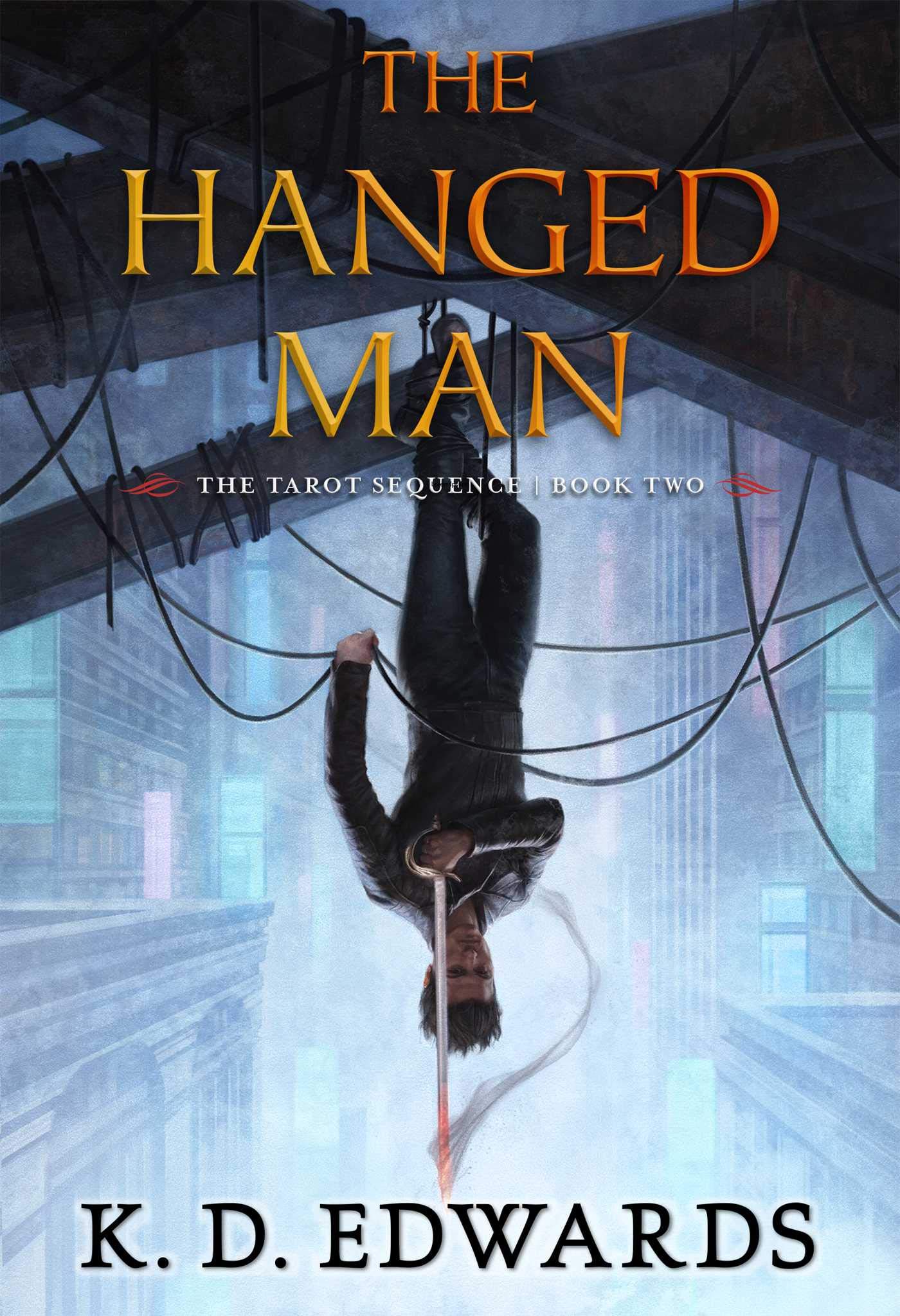
Here’s a quick list of 4 things I learned publishing a new modern-day SFF set in a reimagined Atlantis. (The Last Sun and The Hanged Man are the first two books in The Tarot Sequence.)

  1. Try to get an agent or publisher who supports your vision.

By the time I sent a query to an agent, I had 9 novels planned in the series, with a strong idea of each installment’s development arc and plot. I knew in advance this was ambitious, and that I was 100% committed to it if at all possible. Getting a series launched is… not easy. Bookstores and therefore publishing houses are less and less inclined to make any far-reaching commitments, especially for debut authors, and really especially in crowded subgenres like urban fantasy.

What helped me get started with an initial 2-book contract was an awesome, awesome agent who understood what I wanted to accomplish, and framed her guidance and recommendations and sales strategy around that. That’s not as simple a statement as it sounds. It involved me clearly articulating my goals; and then being open to her feedback on the realities of my dream, including PROs and CONs.

My agent Sara (Sara Megibow of kt literary) is exceptional at what she does. She’s industry-savvy, heavily-networked, and very practical. Practicality, especially, is important. What happens if my contract ends at 2 books? What if I really want to continue writing 7 more novels? From the start, Sara had a plan. There’s very little that will surprise me next, because she’s prepared me so well.

Read More Read More

The Magic of the Black Earth

The Magic of the Black Earth

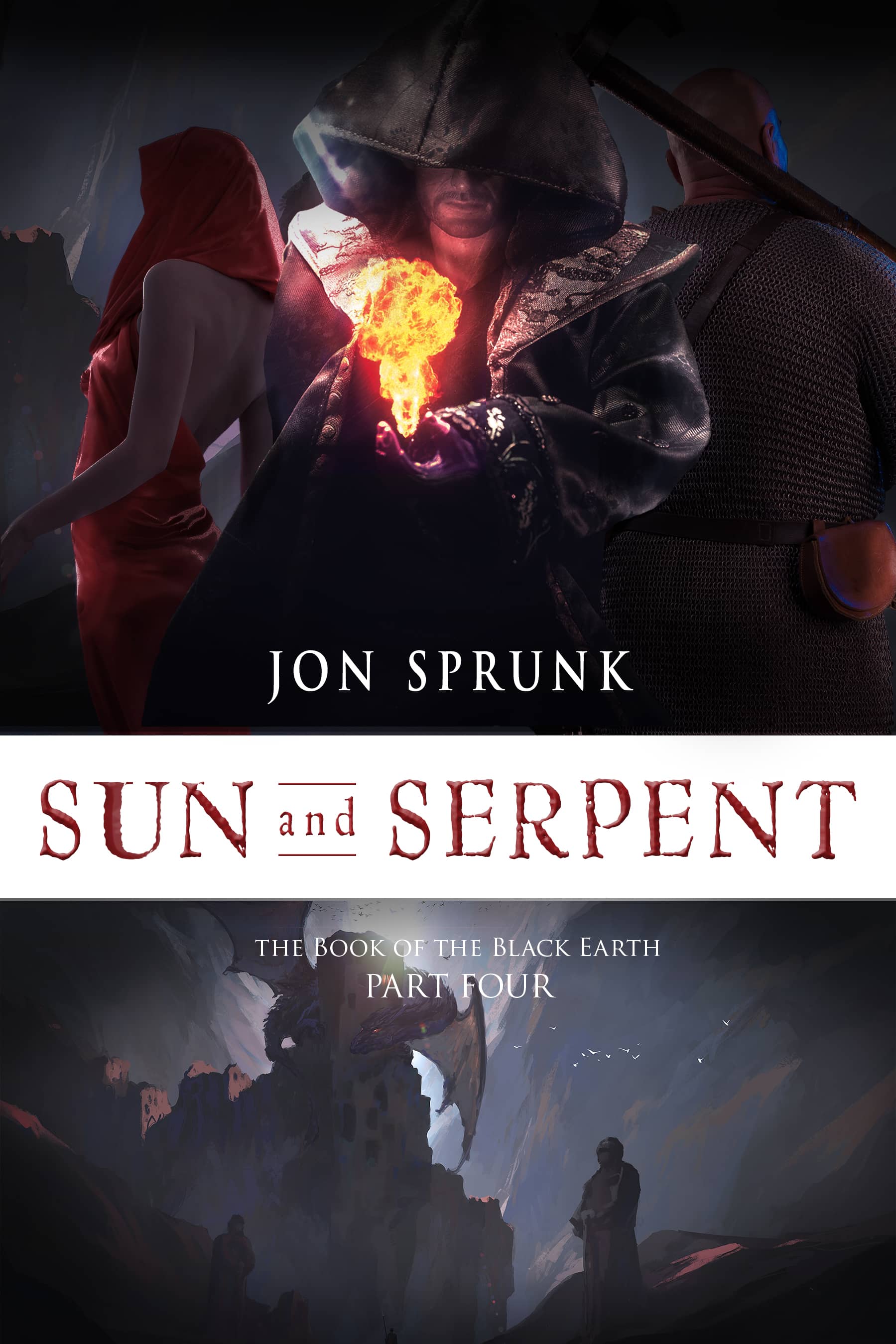
Blood and Iron-small Storm and Steel-small Blade and Bone-small Sun and Serpent-small

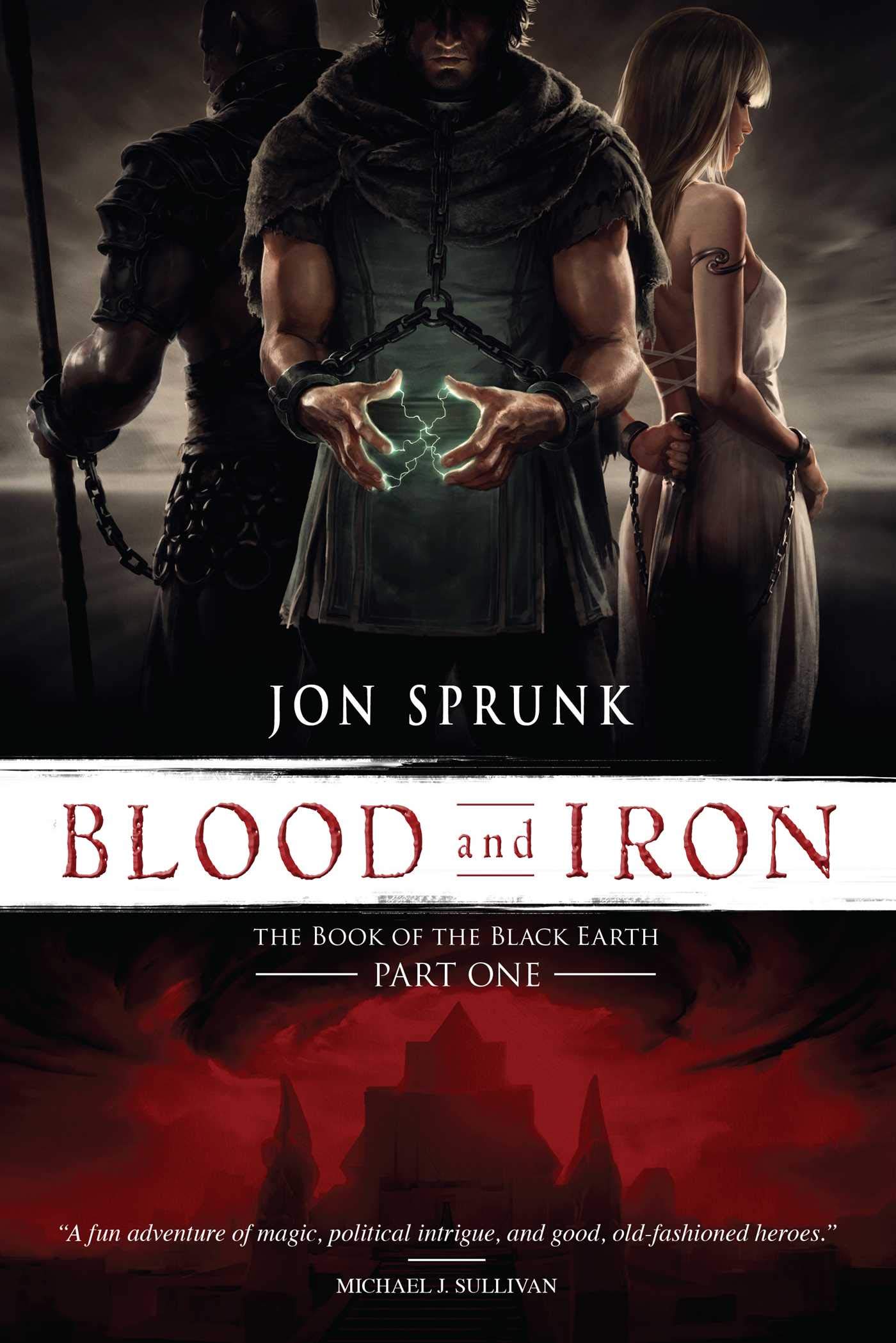
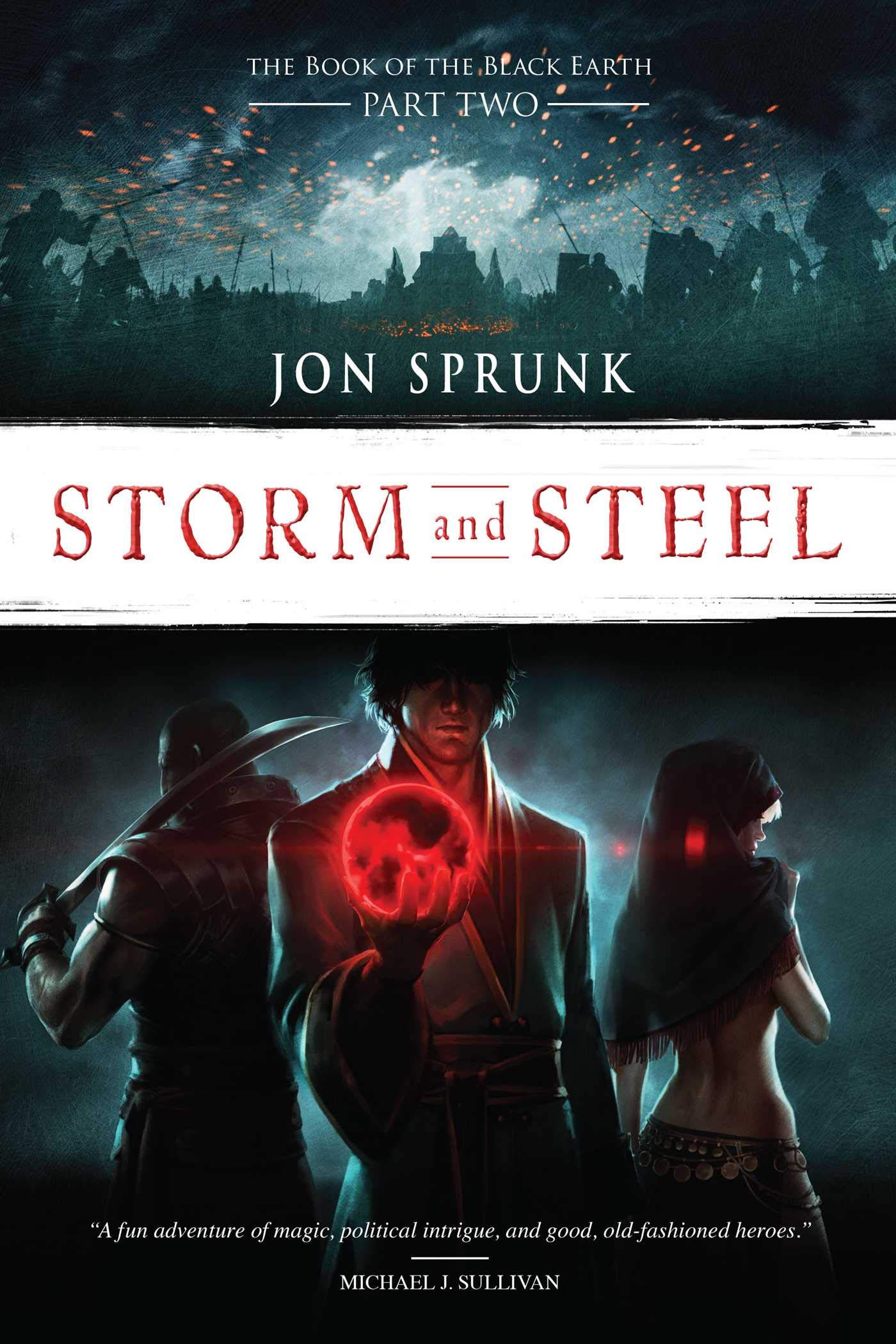
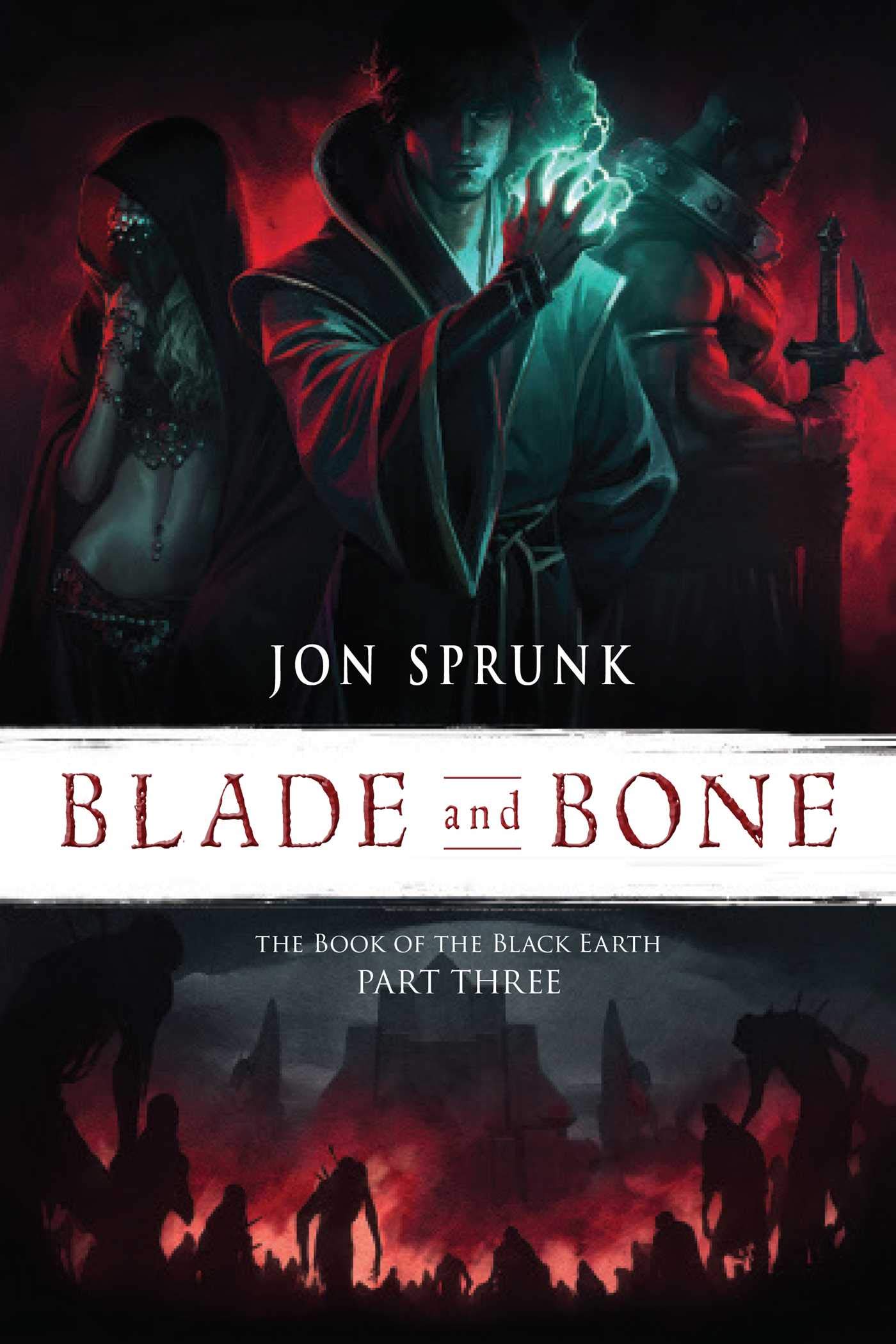
The Book of the Black Earth (Pyr Books). Covers by Jason Chan

Six years ago, when I was conceptualizing a new fantasy series, I spent a lot of time thinking about the setting world. And I knew from the start that one of the primary building blocks would be the magic system.

For those of you who have read my Shadow Saga trilogy, you no doubt realized that magic played a big part in the events, especially in the second and third books. I knew that magic would be even more important in the new series, that it would be entwined into every aspect of the story, so I wanted its foundation to be rock-solid from the start.

After considering a few different systems of magic, I decided that one based on the primary alchemical elements (earth, water, fire, and air) would best fit the story I was telling. It been done many times before, perhaps most notably in the Wheel of Time saga by Robert Jordan and Brandon Sanderson, but it still appealed to me because it matched well with the non-western philosophies and themes I was aiming to use.

I have studied several disciplines of martials arts over my lifetime, and one of the things which most appeals to me about eastern fighting styles is the concept of balance. Hard versus soft, aggressive versus pliable, offense and defense. These opposites are joined together in a natural back and forth that revolves around finding a balance. A hard style becomes soft, defense turns into offense, and so forth. In developing the magic system for the new series, I ran with this concept. In this world I was building, the cosmic forces had lost their balance and a calamity was approaching.

Read More Read More

Why We Write: Rogue Blades Foundation and the Future of Heroic Literature

Why We Write: Rogue Blades Foundation and the Future of Heroic Literature

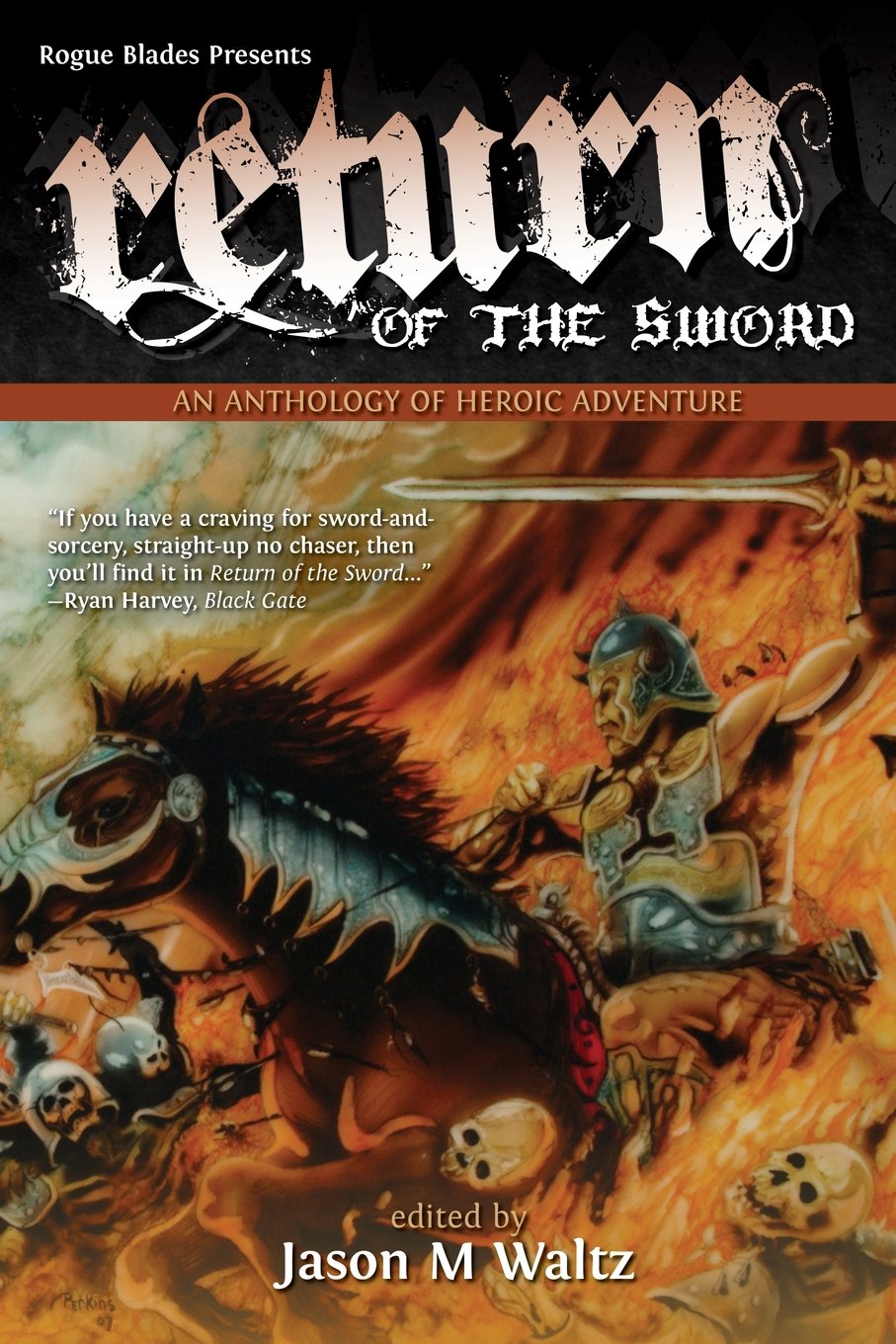
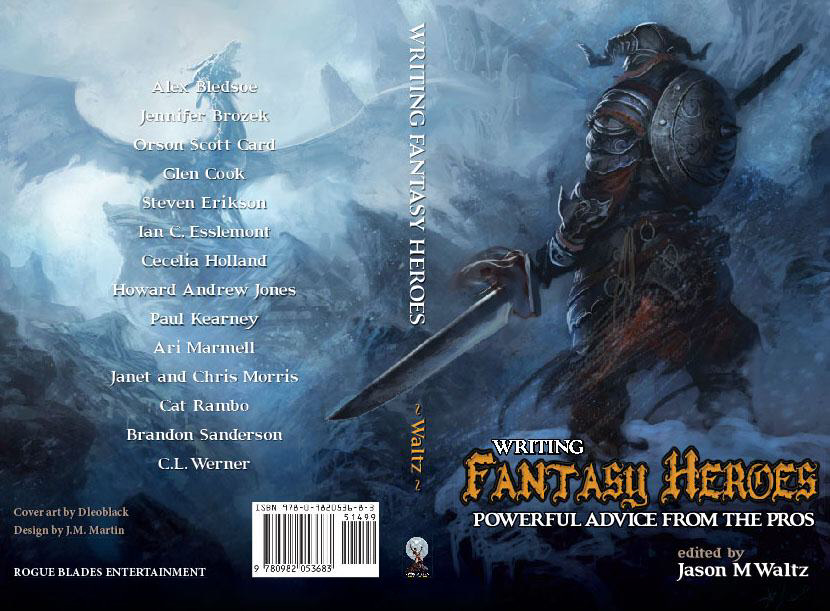
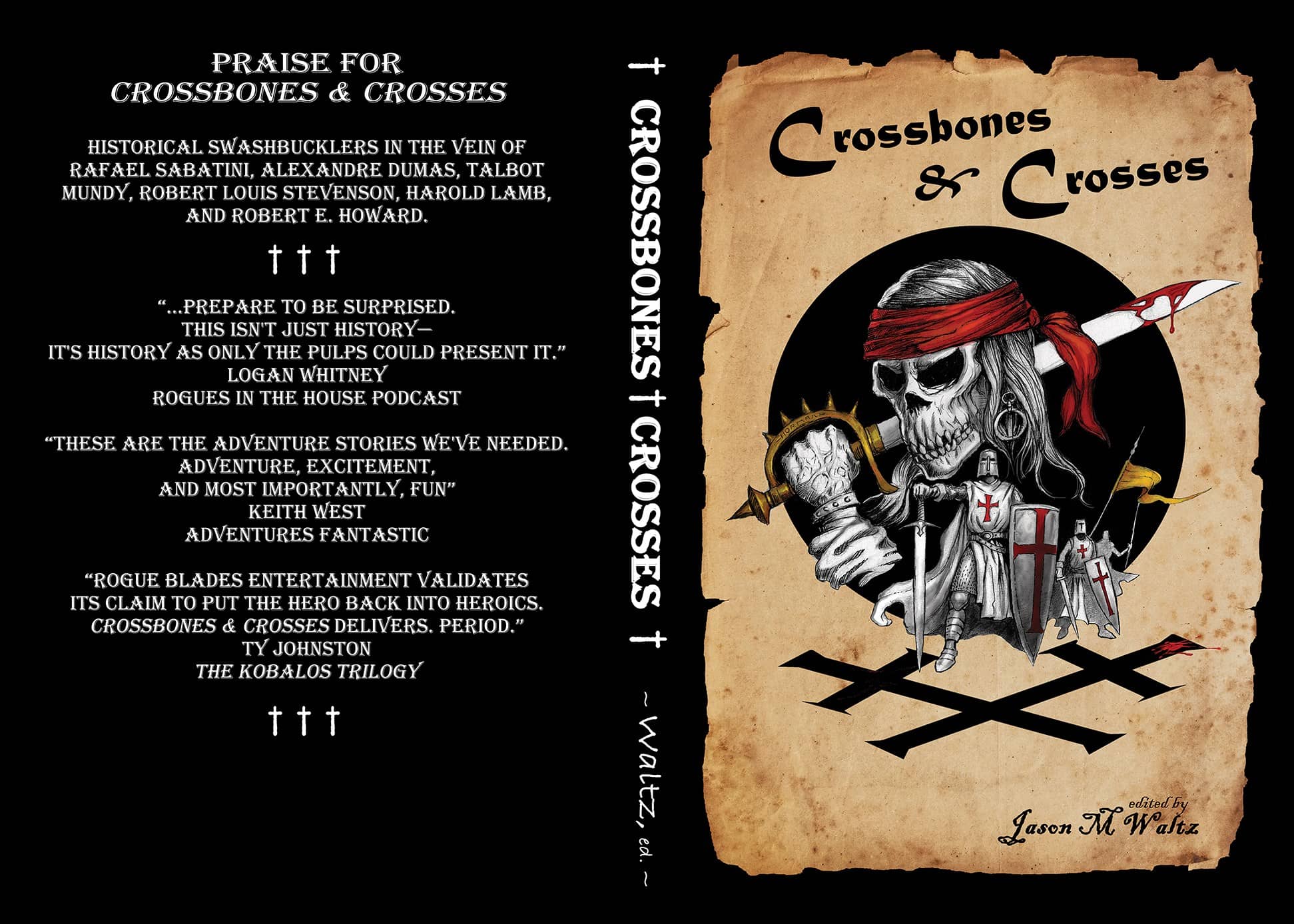
Return of the Sword-small Writing Fantasy Heroes-small Crossbones-Crosses-small

Covers: Johnney Perkins, Dleoblack, Didier Normand

Fantasy readers, like those who dwell together here at Black Gate, are long familiar with notions of heroes and the heroic. Each of us might have our own ideas about what makes a hero, but we would likely find common ground in a discussion of the matter.

That being said, is there any doubt our world today is in need of heroes? Heroes do continue to exist in our entertainment, but often enough they are flawed or irrelevant or humorous to the point of being more pastiche than worthy of admiration. Obviously there are examples of the upstanding hero, yet they seem few and far between compared to our increasing occupation with the deranged or the out-and-out vile. It seems we are more often rooting for the fellow behind the hockey mask or clown makeup than we are for the character who boldly steps forward to set things right in a dark world. Too often our heroes seem to stand alone, if they stand at all.

Rogue Blades Foundation is here to stand with those heroes, real and fictional, and to stand for all things heroic. Rogue Blades Foundation (RBF) is a non-profit publisher of heroic fiction and heroic-related non-fiction.

Fans of Sword & Sorcery literature might find the name of RBF sounds somewhat familiar. The reason for this is RBF is the not-for-profit sister to Rogue Blades Entertainment (RBE), a for-profit publisher of S&S material for more than a decade now. The goals of RBF and RBE are slightly different, thus it made sense to separate the two. RBF will focus upon larger impact projects that would generally be beyond the scope of RBE’s capabilities and intent.

Read More Read More

Howard Andrew Jones and Todd McAulty on Five Authors Who Taught Me How to Write Fantasy

Howard Andrew Jones and Todd McAulty on Five Authors Who Taught Me How to Write Fantasy

Five Authors at Tor

Howard Andrew Jones’ new novel Upon the Flight of the Queen arrived in hardcover on Tuesday, and the day before Howard and I (under my Todd McAulty pseudonym, the name I use to write and promote fiction) appeared at Tor.com to talk about authors who teach you how to write fantasy. Here’s a snippet.

Todd: How have you followed Zelazny’s dictum on keeping the readers in the dark in the second book?

Howard: Throughout [The Chronicles of] Amber, Zelazny had masterful twists and surprises, although none can really compare with the end of book 4, The Hand of Oberon, which literally made me dive across the bed, where I was reading, to grab the final book to find out what happened next. No book conclusion, ever, in all my years of reading, has worked so well, and it’s a high water mark I’ve yet to hit myself.

But it’s something I certainly keep in mind as I build a story. Keep your readers interested and wanting more. With Upon the Flight of the Queen I worked hard to implement the lessons we’ve discussed. Zelazny continues to surprise as Amber rolls along because there were always a few more secrets to be learned, both about character motivation and about how the world actually worked. Information you thought was accurate proves either to be more complicated, or to have been completely wrong. In my own books, there are definitely more secrets to learn, and as some mysteries are solved, other related mysteries are introduced.

This is our third article for Tor.com. The first two, Five Forgotten Swordsmen and Swordswomen of Fantasy and Five Classic Sword-and-Planet Sagas, were surprisingly popular, with nearly 250 comments between them, and that’s been hugely gratifying. We’re having a lot of fun with this series; our next one will likely be about Traveller and classic science fiction gaming.

Howard’s had a good week at Tor.com; on Wednesday reviewer Paul Weimer called Upon the Flight of the Queen “entertaining fun. Sieges, infiltrations, dragon riding, high magic, duels, and larger than life characters trying… to be big damn heroes of their own story. Jones does an excellent job.” Check out his feature review here.

Writing is an Evolutionary Act

Writing is an Evolutionary Act

Clarkesworld 157 October 2019-small Asimov's Science Fiction July 1986 Analog-science-fiction-and-fact-december-2016-small

Covers by Beeple, Gary Freeman and Vincent Di Fate

I had an interesting conversation with a newish writer at MileHiCon last weekend. She said that she’d been submitting to small markets until she was “good enough for the biggies.” She meant Clarkesworld, The Magazine of Fantasy and Science Fiction, Asimov’s, AnalogTor.com and a couple of others. She said, “I figure you only have two or three chances with those editors before they start tossing your manuscript back because they recognize your name.”

I told her about a panel I attended at WorldCon a while ago where Gardner Dozois and Stanley Schmidt were discussing the same issue. Stanley said he’d been receiving manuscripts from the same author for years without buying one. “But he improved steadily. His last ones were close, and then he quit sending me stuff. I was looking forward to buying one of his pieces.”

Gardner perked up and said, “That sounds familiar. Was it…” and he whispered a name in Stan’s ear. Stan nodded.

“His last story barely missed with me!”

Both editors looked a little sad. “I wonder what happened to him?” Gardner added.

Read More Read More

New Roads are Unfolding: The Last Road by K. V. Johansen

New Roads are Unfolding: The Last Road by K. V. Johansen

Blackdog-small Gods of Nabban-small The Last Road-small

Cover art by Raymond Swanland (Blackdog, Gods of Nabban) and Jennifer Do (The Last Road)

The Last Road is the fifth and final book of Gods of the Caravan Road, a silk road fantasy full of gods, goddesses, demons, devils, wizards, and caravaneers. (Also camels.) Chronologically, the story begins with “The Storyteller,” which was published in Andromeda Spaceways quite a long time ago. You can find it now in my collection The Storyteller and Other Tales. I had Blackdog, the first novel, mostly written when I wrote “The Storyteller.” I’ve never been good at beginning at the beginning. I find that starting a story always raises questions about how it got to that point and I want to look backwards as well as forwards. In “The Storyteller,” the devil Moth — one of seven wizards who “in the days of the first kings in the north” bonded themselves with the souls of seven devils — is freed from her prison/grave and joins forces with the half-demon wer-bear Mikki to hunt for the devil Heuslar Ogada.

In Blackdog, a caravan-guard, Holla-Sayan, is possessed by the shapeshifting Blackdog, the obsessively protective, sometimes savage, guardian spirit bound to the goddess Attalissa, who must flee her homeland incarnated as a powerless child when her town is captured by a wizard warlord whom she believes intends to devour her. Holla takes her along as his daughter on the caravan road. Their story intersects with that of Moth, who has been set by the Old Great Gods to hunt and execute her fellow devils.

Marakand, which is published in two volumes as The Leopard and The Lady, is the story of the goddess-cursed assassin Ahjvar — who claims he died almost a century earlier — and his friend and would-be lover Ghu, as the city of Marakand rises in revolt against its goddess. With impressive bad luck, Holla-Sayan’s caravan comes to the city just in time for the civil war, and Moth and Mikki arrive on the trail of another devil.

Read More Read More

On the Virtue of Patience in Publishing

On the Virtue of Patience in Publishing

dink_&_co-small

At a publishing convention in New Orleans in the 80: Ralph Arnote, book sales guru; Jim Baen,
Editor-in-chief for Tom Doherty at Ace; C.M. “Dink” Starns, my mentor; Tom Doherty, founder
and publisher of Tor; Ed Gabrielli, Macmillan VP; Jane Rice, career sales rep at Ace; and others

I was thinking of the importance of patience. Beth Meacham brought it to mind with a post.

An example: In the 80s, there was a time when my income was neither stable nor plentiful. At the time, Pocket Books was distributing Zebra Books. The local wholesaler was feuding with Pocket. As a consequence, Zebra was not being distributed either.

The Zebra Publisher, Walter Zacharius, was a power in publishing and a friend. But a dear friend of mine, one of Walter’s comrades, was Harry Hills. A mentor.

Harry and I went back to the 70s at Ballantine together. Harry started out doing marketing stunts at Bantam. One involved 6 people, including Harry, holding a very large python on a California beach. I’m not sure if Ian Ballantine was still at Bantam then.

Harry’s memos always started, “Attention All Hands!”

Read More Read More

Conscience Place and Story Mind

Conscience Place and Story Mind

Conscience Place Joyce Thompson-small Conscience Place Joyce Thompson-back-small

Conscience Place by Joyce Thompson (Dell, 1986, cover by John Harris)

In a conversation with my son this week, the term “neurological diversity” arose. It entered the room courtesy of Greta Thornburg in conversation with Naomi Klein. Greta described her prodigious ability to research, absorb and synthesize complex information as a sort of compensation for lacking the more common gift of social intelligence. My son, who’s teaching an undergrad lit class in Berkeley’s African American Studies department about invoking and communing with ancestors surmised that the ability to see and communicate with the dead might be a real if not common human gift — another way of being differently able.

Click.

I recently read my 1984 novel Conscience Place for the first time in 35 years. It was about to be republished. My task was to proof the scanned text, and I secretly gave myself permission to make small tweaks if I thought they were needed. Thirty five years is a long time, after all, and I feared being embarrassed by a writer I no longer am telling a story in ways I no longer would to an audience of readers who might no longer give a s—t.

Click.

Read More Read More

What Is Genre, Anyway? (AKA, I am Totally Lost)

What Is Genre, Anyway? (AKA, I am Totally Lost)

Steampunk 1

This is… Steampunk Assassin’s Creed? It’s pretty cool whatever it is.

Good morning, Readers!

I have a wee problem. I’m absolute rubbish at categorizing works of fiction. Sure, some things fit quite nicely into easy designations. The Lord of the Rings? Fantasy, duh! Dragon’s Egg? Science fiction, duh! Battlefield Earth? Nonsensical drivel, duh! Sorry. I genuinely dislike that book. It’s alright if you like it. I just don’t. Anyway, what was I saying? Ah, yes. Genre.

Things, however, very rarely fit ever so neatly into a single genre, though, especially now when so many diverse voices are bringing fresh takes, pushing boundaries and deliberately blurring the lines between genre. This experimentation, this refusal to be bound by boring rules that are no longer relevant, has created some of the most interesting, immersive stories I have read in a long time (which is to say, I don’t get bored rereading all the same tropes over and over to the point where I can accurate predict the trajectory of a story from the first chapter). I love that I don’t get bored reading now. I was starting to, if I’m honest.

It’s all a lovely, fascinating, confusing mess.

In a world obsessed with categorizing everything neatly, however, it’s creating a little bit of friction.

Read More Read More

Of Horizons and Common Sense Lost

Of Horizons and Common Sense Lost

51G8TVzla+L._SX323_BO1,204,203,200_I recently got around to reading Gerry Conway’s introduction to Marvel’s Deadly Hands of Kung Fu Omnibus, Volume One for a forthcoming article. If there was a retroactive Astounding Award for Best Self-Loathing Writer of 2016, Mr. Conway would surely be a contender. There is nothing wrong with a writer looking back in some embarrassment over past work or even admitting their good intentions now seem naive from the vantage point of the present, but Mr. Conway apologizes so profusely for several thousand words one would be forgiven for thinking he committed a capital crime.

Truth be told, Mr. Conway’s unforgivable sin was his cultural appropriation in daring to cast people of color as heroes in his fiction of the 1970s. For you see, by some cruel twist of fate, he had the misfortune to be born to a white family and raised in a white neighborhood in the 1950s. Personally, I thought his having created diverse characters to appeal to minority readers and encourage tolerance among all readers in the decade following the Civil Rights movement is something he should be proud of, but apparently not so.

What’s more, all of his wailing and grinding of teeth is in the form of an introduction to a volume reprinting the work he is so ashamed of. One wonders what the purpose is of writers telling readers who just spent money buying reprints of their work how truly offensive those same works are. Given that Mr. Conway spent much of his career at Marvel Comics channeling Stan Lee’s voice, one wonders why Stan Lee isn’t likewise condemned for cultural appropriation for creating Black Panther and the Utopian nation of Wakanda. Of course, logical thinking isn’t advisable in a society that feeds off emotional reactions to maintain a constant state of division.

Read More Read More