Short Fiction Review # 28: Dark Faith
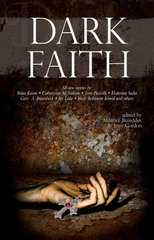
[Hell] doesn’t exist, no more so than the entities that are called Satan and the Devil. They’re all…storybook constructs…Know this: there is no such thing as a ‘cosmic evil.’ Evil is a human matter, fashioned by ignorance, brutality, addiction, emotional trauma—the list is endless. The cosmos doesn’t feel anything, it is just a space, it doesn’t care about either good or evil, it is simply, like Heaven, indifferent.
“For My Next Trick I’ll Need a Volunteer” by Gary A. Braunbeck
p. 275, 285
That pretty much sums up my personal view of a universe indifferent to ongoing human folly. That said, I’m fascinated by the notion of faith and its ethical implications, so a short story collection entitled Dark Faith co-edited by Maurice Broaddus and Jerry Gordon naturally got my attention. People rely on faith to provide an orderly framework to their lives, to infuse meaning to their existence. What these stories (as well as several poems) share is a consideration of what happens when the assumptions that underpin faith unravel. For the most part, the results are not good
The opening story, “Ghosts of New York” by Jennifer Pelland, considers the afterlife of those who made the horrific choice to jump from the Twin Towers rather than remain in a burning buidling about to collapse. The whole subgenre of 9/11 fiction is tricky, given our collective memory of something so frighteningly incomprehensible that’s been trivialized over time with the endlessly surreal replaying loop of the imploding skyscrapers, but Pelland’s take here is vividly disturbing in suggesting that memorializing the dead can make matters worse.
Poets and sages like to say that there is clarity in certain death. That a calm resignation settles over the nearly deceased, and they embrace the inevitability of the end of life with dignity and grace.
But there was no clarity for her, no calmness, no life flashing before her eyes in a montage of joy and regrets. There was just pure animal terror, screams torn from her throat as she plummeted toward the ground in the longest ten seconds of her life.
And then there was an explosion of pain.
p.2
 Prince of Persia: The Sands of Time (2010)
 After reading the
  The Spring 2009 issue of
 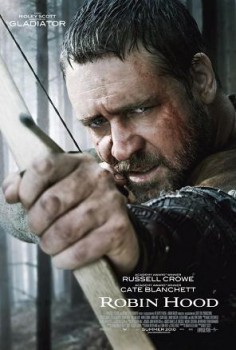 Robin Hood (2010)
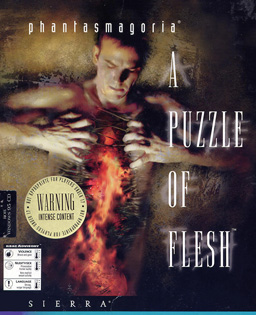 To call me a “gamer” would do a serious injustice to those hardcore cyber-warriors who are universally recognized for their pale complexion and calloused thumbs. But as someone who has spent many a windfall dollar at the local GameStop, foregone more than one sunny summer day hunched over a keyboard in a darkened room, and lives at least partially in a world where an
 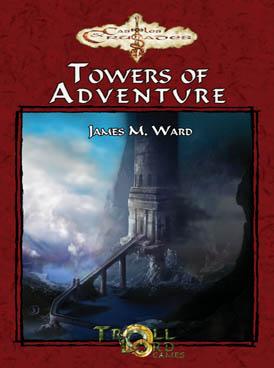 A while back I placed an order with one of my favorite online vendors,
  Imagine the family vacation from hell.
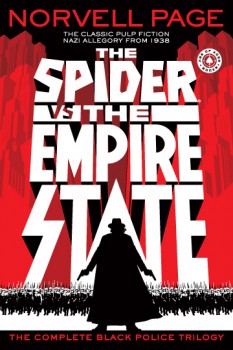 The Spider Revival: Part III
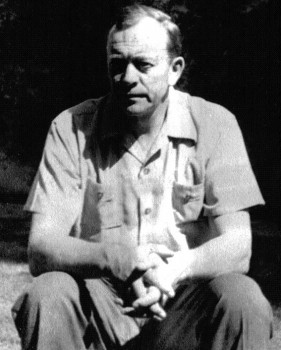 “So it will be when we are dead that perhaps our lives will stand for something.”