Neil Gaiman and Ursula K. Le Guin on Kazuo Ishiguro’s The Buried Giant
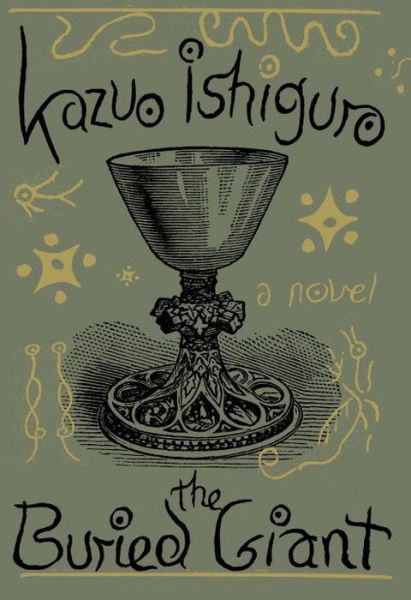 Kazuo Ishiguro (The Remains of the Day, The Unconsoled), is one of the most acclaimed novelists in the English language. His newest novel, The Buried Giant, is already generating intense interest — and debate — among fantasy fans. Witness two very different reactions… the first, from Neil Gaiman, writing in The New York Times:
This is a novel about an elderly couple going from one village to the next, set in a semi-historical England of the sixth or perhaps seventh century… Saxons and Britons live side by side in a post-Arthurian twilight, in a mythical time of ogres, sprites and dragons — most of all the dragon Querig, who dominates the second half of the book…
The narrative tone is dreamlike and measured. There are adventures, sword fights, betrayals, armies, cunning stratagems and monsters killed, but these things are told distantly, without the book’s pulse ever beating faster… Enemies are slain, but the deaths are never triumphant. A culmination of a planned trap for a troop of soldiers, worthy of a whodunit, is described in retrospect, once we already know what must have happened… this is, at its heart, a book about two people who are now past all adventure.
Gaiman’s review of the novel is largely positive, although he admits his “inability to fall in love with it.”
Ursula K. Le Guin, in contrast, has harshly criticized the book — and especially the author’s clear disdain for fantasy.
 Recently, Black Gate overlord John O’Neill