Jackson Kuhl Reviews The Birthing House
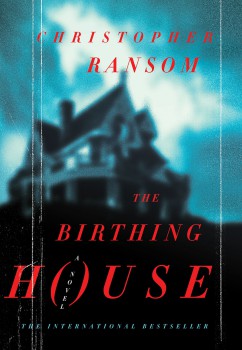 The Birthing House
Christopher Ransom
St. Martin’s Press (320 pp, $14.99, August 2009 – August 2010 paperback edition)
Reviewed by Jackson Kuhl
Conrad Harrison is driving through rural Wisconsin when, on a whim, he buys a nineteenth-century house with insurance money received after the death of his estranged father. The building was, Conrad learns, The Birthing House – a hospice where expectant women could deliver their babies. Conrad returns to Los Angeles to pack up his things, his dogs, his wife — the house for him a chance to save his troubled marriage and begin over after a series of career failures. But upon moving to the house, Conrad becomes aware of a lurking presence within and soon discovers…
Well, he doesn’t discover much. His wife departs to attend job training and remains offstage for much of the book, leaving Conrad home alone to be harassed by apparitions and occurrences. There is never a sense of menace; the previous owner lived there some twenty years and while aware of the weirdness, is indifferent to it. That fact by itself results in a haunting minus any mystery or apprehension.
 Due to an unfortunate (or perhaps I should say, “fortuitous”) comment I let slip in an email, Howard Andrew Jones discovered I had no idea who C.L. Moore was.
 There are bits of wrapping paper static’d to the lamp shade and tendrils of curly ribbon hanging off the chandelier. Here I lay in a sugar and red meat coma under the pressing weight of one too many conversations with the essence of Christmas spirit, three times distilled. With New Years Eve still in front and a bacchanalia of epic proportions behind, what can I do but think happy thoughts about the coming year and a time when the little troll living between my ears will finally stop running in circles and shouting.
 Another year’s drawing to a close, and with it the first full decade of the twenty-first century. It’s a time for looking back, for thinking over what’s happened and what’s going on, in fantasy fiction and elsewhere. I don’t pretend to be in a position to make any worthwhile assessment of fantasy as a whole; but I do want to write about a change that seems to be in process right now. I think it’s a positive change, and potentially a radical one. And I can remember the moment I realised it was happening.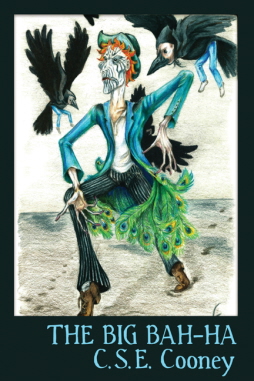
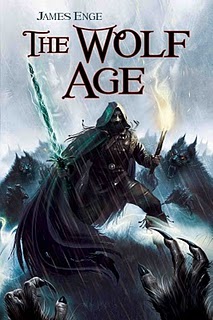 The Wolf Age, by James Enge