Browsed by
Category: Books

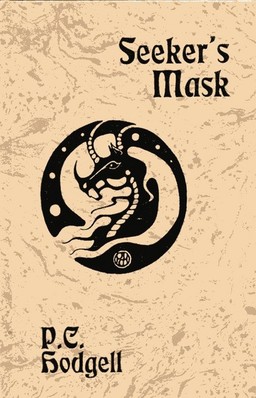
Some Things Need to Be Broken: Seeker’s Mask by P.C. Hodgell
Some Things Need to Be Broken: Seeker’s Mask by P.C. Hodgell

oie_2451036wNYLnR2P
Cover by P.C. Hodgell

A friend once told me of his desire to see a movie with even more action than Die Hard. He envisioned a film with action from first frame to last. I bring this up because the third book of P.C. Hodgell’s Kencyrath series, Seeker’s Mask (1995) is one of the most fast moving, packed-to-the-gills-with-thrills books I have ever read. It may not be the all-action nirvana my friend hoped for, but it’s about as close as I’ve ever found.

It starts in the rules-smothered confines of the Women’s Halls, and then whips Hodgell’s heroine Jame up and down the world before ending in the middle of a barbarian tribe’s fiery ceremony. Invisible assassins, gods, malign magics, and trips into people’s minds smash up against one another for the reader’s attention. If all I did was list the events in Seeker’s Mask, this article would be twice as long as I want it to be.

Jame is a Highborn of the Kencyrath, one of three species molded into one race by their god to fight against Perimal Darkling. The Highborn are the rulers and priests and the fewest in number. The most numerous species, the Kendar, are the soldiers and craftsmen. Finally there are the leonine Arrin-Ken, who served as the race’s judges until frustration led them to leave Kencyrath society in order to decide what needed to be done next in the war against Perimal.

Thousands of years ago, the High Lord Gerridon betrayed his people to Perimal Darkling in exchange for immortality. Two-thirds of the Kencyrath were killed and the survivors fled to the world of Rathilien.

In the previous book, Dark of the Moon (1985), Jame had reunited, after a decade of separation, with her twin brother, Torisen, Lord of the House of Knorth, and High Lord of all the Kencyrath. He and the Kencyrath armies had just emerged victorious from a great battle against the Waster Horde (read the review here). As the only other known member of the House of Knorth, Jame’s sudden appearance throws political calculations out of whack.

Read More Read More

Notes On Writing Spec Fic, Late 2014

Notes On Writing Spec Fic, Late 2014

A Book CoverIt’s such a predictable trap. In or near an elevator, I tell some newly met, well-intentioned stranger that I’m a writer, and they immediately ask, as if they’ve waited all their lives for this very opportunity to arise, “What sort of books do you write?”

And that’s the end, you see, or at least the end of any potential new friendship, because if I answer “I write fantasy,” which is true, they start sniggering and feel superior, or if I answer, “I write horror,” they run off, laughing hysterically at my bad taste –– and of course then they feel even more superior.

Worst answer of all: “I write literary fiction.” Then they assume I’m a genius and their eyes glaze over, because they feel they absolutely must pay attention to every single word I say, in hopes of gleaning a pearl. I become the social equivalent of bubonic CliffsNotes.

Thus Renner & Quist, and Check-Out Time, because I want to craft stories that employ elements of multiple genres and literary currents. The danger, I suppose, is that I wind up with tossed salad, but I don’t believe that’s been the result. What reviews there’ve been suggest that I’m correct to think I’ve avoided the splatter-punk of, say, Jackson Pollock.

Read More Read More

Give a Warm Welcome to Saga Press, Launching This Spring

Give a Warm Welcome to Saga Press, Launching This Spring

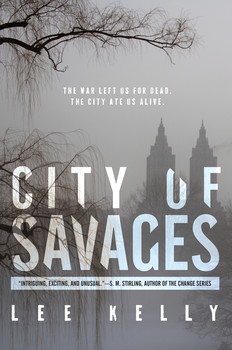
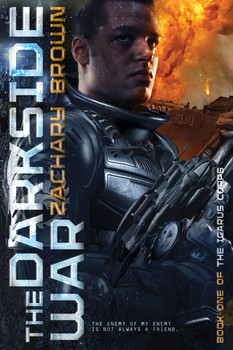
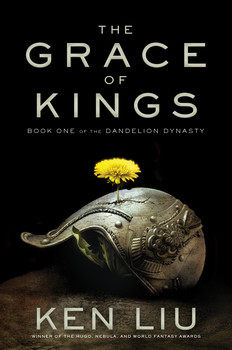
The Grace of Kings Persona City of Savages The Darkside War

There are a lot of books vying for your attention at the World Fantasy Convention. Publishers put free books in your convention bag, publicists place colorful flyers on the giveaway table, and hopeful authors hand out bookmarks and cards by the dozens. I always leave the con with my head brimming with promising new books, authors, and publishers.

Of course, I forget most of them within a day or two. Well, maybe it’s for the best. I couldn’t possibly read them all anyway.

It’s the ones that linger in my mind a couple weeks after the con that truly deserve my attention. Sort of a Darwinian survival-of-the-fittest contest, taking place in the dusty corners of my brain. Good to know those brain cells are doing something, I suppose.

It’s been over two weeks since the 2014 World Fantasy Convention now, and I’m already having trouble remembering what city it was in. (Some brains are more skilled at forgetting than others. My brain is an expert.) But a handful of books I glimpsed at the con have managed to stay with me, and a surprising number of them are from the brand new publisher, Saga Press. In fact, I’d venture to say that Saga had perhaps the most impressive slate of upcoming titles I saw at the con — and that’s saying something.

Read More Read More

“It Is Neither Allegory Nor Fable But A Story To Be Read For Its Own Sake”: E.R. Eddison, The Worm Ouroboros, and Zimiamvia

“It Is Neither Allegory Nor Fable But A Story To Be Read For Its Own Sake”: E.R. Eddison, The Worm Ouroboros, and Zimiamvia

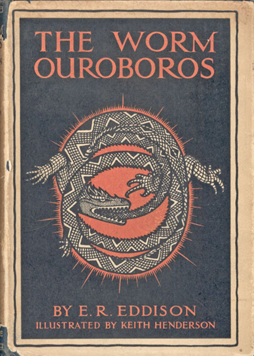
The Worm OuroborosLast August, John O’Neill noted that HarperCollins would be reprinting four classic fantasies by E.R. Eddison: The Worm Ouroboros (first published in 1922), Mistress of Mistresses (from 1935), A Fish Dinner in Memison (1941), and The Mezentian Gate. Gate was unfinished when Eddison died, but he prepared it as best he could for publication before his death, writing a detailed synopsis for the chapters he hadn’t completed. The book was published in 1958 as the synopsis with some finished chapters. A 1992 one-volume reprinting of Mistress, Fish Dinner, and Gate, which together make up a sequence called the Zimiamvia trilogy, added several fragments of chapters found since Gate’s first publication. I have not seen the new printing, so can’t tell if anything more has been added to Gate for the Harper edition. But, as the new printings of the books came out in October, I thought I’d take a look back at Eddison’s best-known fantasy stories.

The Worm Ouroboros is widely and justly acclaimed as a classic. It deals, broadly, with the conflict on the planet Mercury (any resemblance between this Mercury and the real planet Mercury is purely coincidental) between Demonland and Witchland. The Demons and Witches — and Imps and Goblins — are all basically human, but their kings and champions are legendary heroes on a Homeric or Arthurian scale, while the setting echoes the Elizabethan and Jacobean era in its culture and especially its elaborate language. The plot follows four great heroes of Demonland as they quest across deep seas and high mountains for a means to defeat the armies of the Witch-king Gorice, while the in-fighting of his scheming court provides a kind of counter-plot centering around the ambiguous figure of the exiled Goblin Lord Gro.

Read More Read More

Vintage Treasures: Gateway to Elsewhere by Murray Leinster / The Weapon Shops of Isher by A. E. van Vogt

Vintage Treasures: Gateway to Elsewhere by Murray Leinster / The Weapon Shops of Isher by A. E. van Vogt

Gateway to Elsewhere-small The Weapon Shops of Isher-small

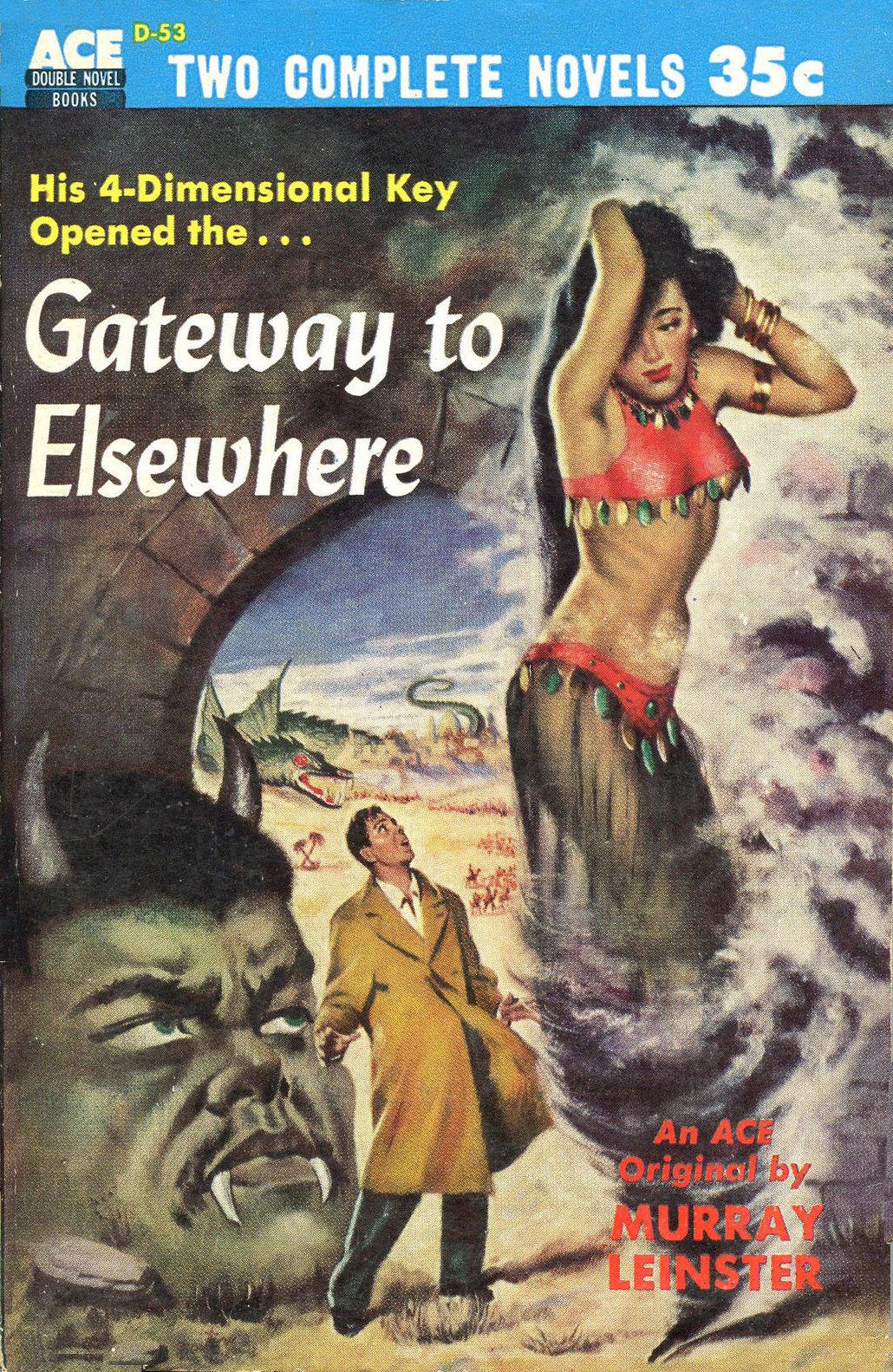
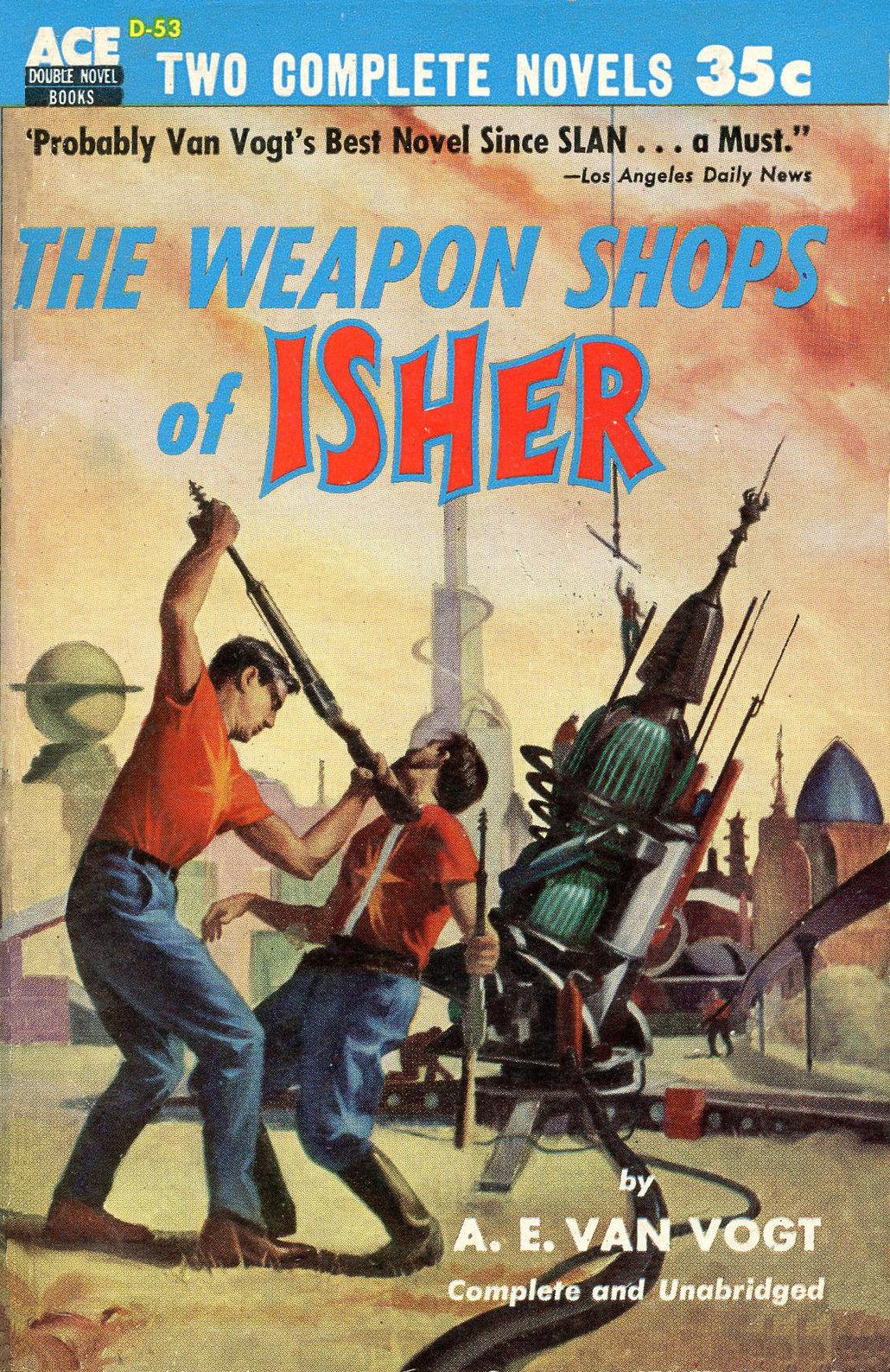
And now we come to one of my favorite Ace Doubles: Murray Leinster’s Arabian Nights fantasy Gateway to Elsewhere, paired with the classic science fiction novel The Weapon Shops of Isher by A. E. van Vogt.

Of the two, Gateway to Elsewhere is significantly lesser known. It was Leinster’s first fantasy novel, although he’d previously published two SF novels, The Murder of the U.S.A. (as Will F. Jenkins, in 1946) and The Black Galaxy (in Startling, March 1949). Gateway to Elsewhere originally appeared in a two-part serial in the seventh issue of the small circulation digest Fantasy Book in 1950/51 under the title Journey to Barkut. The entire novel was reprinted in the January 1952 issue of Startling Stories, still under the title Journey to Barkut, with a handsome cover by Earle Bergey (see below).

Two years later, it appeared as half of Ace Double D-53, with the new title Gateway to Elsewhere, and a splendid cover by Harry Barton.

Read More Read More

New Treasures: Hidden by Benedict Jacka

New Treasures: Hidden by Benedict Jacka

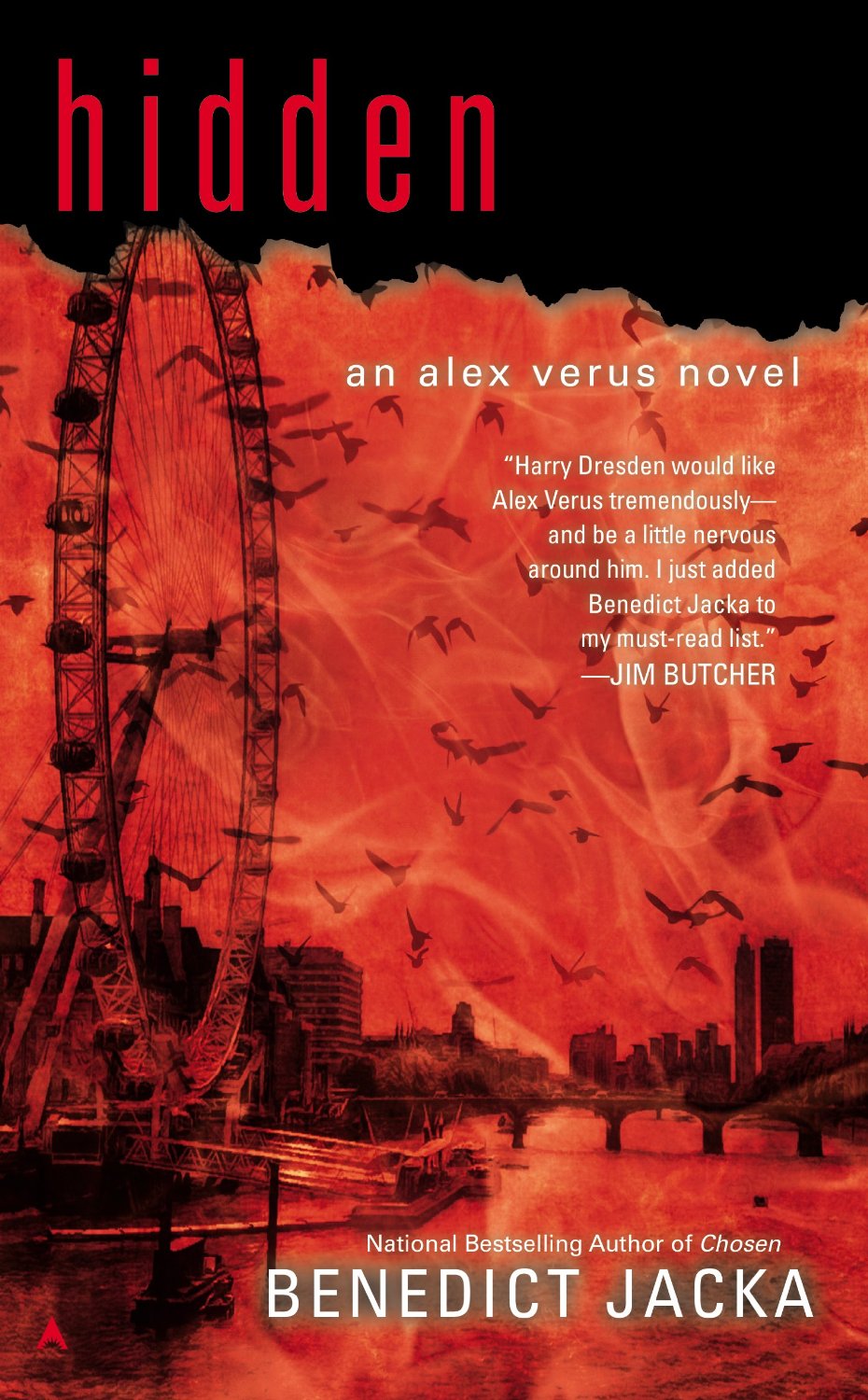
Hidden Benedict Jacka-smallBenedict Jacka’s first Alex Versus novel, Fated, was published by Ace on February 28, 2012. He’s kept up a regular schedule since, with four more following over the last two years: Cursed, Taken, Chosen, and now Hidden.

They’ve gradually been gathering some acclaim, too. In a starred review of Chosen, Publishers Weekly said “Jacka puts other urban fantasists to shame.” It called Cursed “An even more impressive tale of gunplay and spellcraft in present-day London… [a] tasty blend of magic, explosions, and moral complexity.” And Patricia Briggs, author of Shifting Shadows, called the opening volume in the series “A stay-up-all-night read.” I haven’t been able to keep up with the latest in urban fantasy over the past five years, but the Alex Versus novels are definitely near the top of my list.

With his talent for divining the future, Alex Verus should have foreseen his friends’ reactions to the revelations about his previous life. Anne Walker no longer trusts him—and has also cut all ties with the mage community after getting kicked out of the apprentice program. As a favor to Luna, Alex’s own apprentice and Anne’s best friend, he checks in on her only to be told to leave her alone.

Then Anne gets kidnapped. The Council Keepers of the Order of the Star believe Dark mages from her past may be involved. Working with the Keepers, Alex and Luna discover that Anne has been taken into the shadow realm of Sagash, her former Dark mage mentor, and they must find a way to rescue her.

But another shadow from the past has resurfaced—Alex’s former master may be back in London, and Alex has no idea what his agenda is…

Hidden was published by Ace Books on September 2, 2014. It is 293 pages, priced at $7.99 in paperback and $6.99 for the digital edition.

Game Books, Epic Fantasy, and Military Science Fiction: The Multiple Identities of R.A.V. Salsitz

Game Books, Epic Fantasy, and Military Science Fiction: The Multiple Identities of R.A.V. Salsitz

The Magickers-small Death Storm-small Night of Dragons-small The Sand Wars-small The Dark Ferryman-small

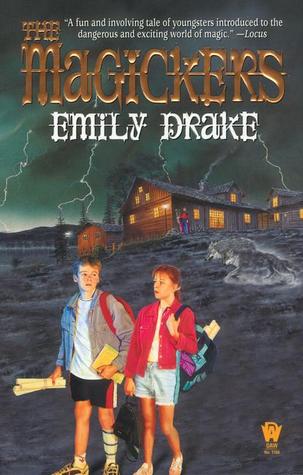
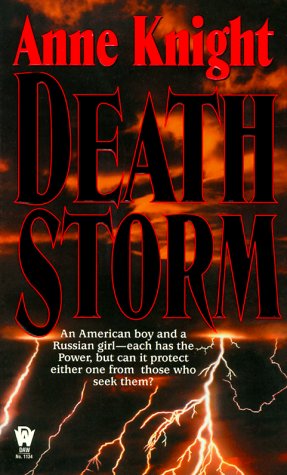
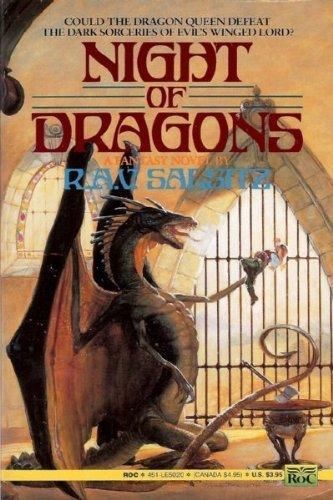
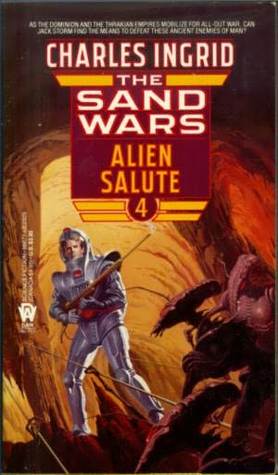
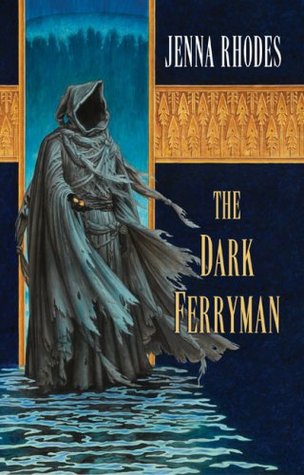
Do you enjoy the fantasy novels of Emily Drake, author of the popular The Magickers series? What about the contemporary horror of Anne Knight, author of Death Storm? Perhaps you’re more partial to the light fantasy of R.A.V. Salsitz, author of Night of Dragons and The Unicorn Dancer novels. Or the military science fiction of Charles Ingrid, author of the long-running Sand Wars series. Or maybe the dark fantasy of Jenna Rhodes (The Dark Ferryman).

Possibly the contemporary science fiction of Elizabeth Forrest (Phoenix Fire, Dark Tide) is more your thing. Or the fantasy novels of Rhondi Vilott Salsitz (The Twilight Gate). Perhaps the eleven volumes in Rhondi Vilott’s Dragon Roads gamebook series have fired your imagination.

Possibly you’ve enjoyed them all, as they’re all written by the same person.

It’s not unusual for popular writers to use a pseudonym in this industry — indeed, even multiple pseudonyms. But in a field where almost everyone seems to have a secret identity or two, R.A.V. Salsitz still stands out. She has an amazing number of pseudonyms, and has published successfully in numerous genres, including epic fantasy, horror, mystery, game books, YA, military science fiction, romance, and urban fantasy. Her first novel was Her Secret Self, published by Bantam in 1982; since then she’s published dozens more.

Read More Read More

Future Treasures: The Wide World’s End by James Enge

Future Treasures: The Wide World’s End by James Enge

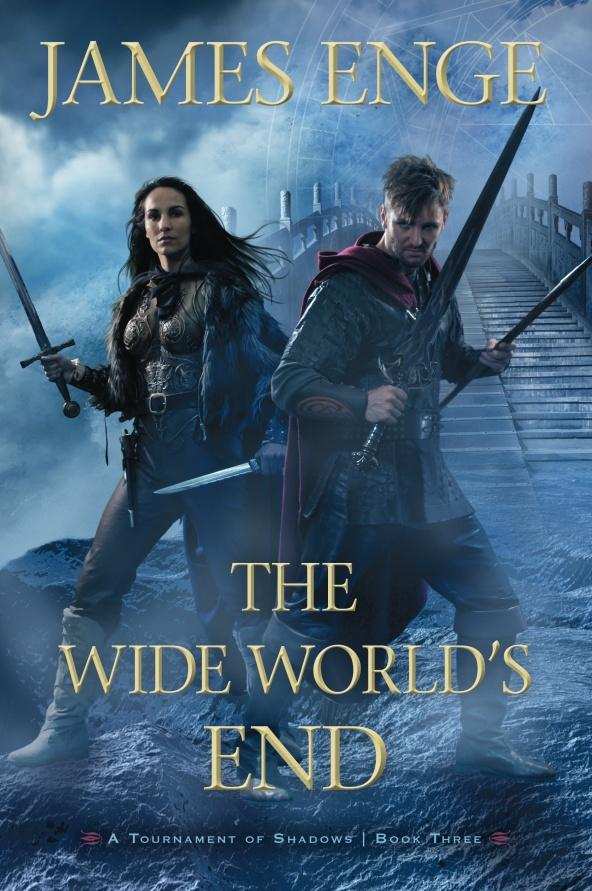
The Wide World's End-smallTurn off the television, unplug the phone, and disconnect the wireless. We just received an advance proof of The Wide World’s End, the latest Morlock novel from James Enge and our friends at Pyr Books. Don’t bother us for two days, okay? Unless you’re going to send food.

The tale of the early days of Morlock Ambrosius — master of all magical makers, wandering swordsman, and son of Merlin — concludes!

From beyond the northern edge of the world, the Sunkillers (undying enemies of everything that lives and breathes and is an individual) are reaching into the sky of Laent to drain out its light and warmth. Their hope is to scrape sky, land, and sea clean of mortal life and return to where they once dwelled, before the first rising of the sun. Against them stand only the Graith of Guardians, defenders of the peaceful anarchy of the Wardlands. But the agents of the Sunkillers are abroad even in the Wardlands: plotting, betraying, murdering among the Graith.

Married now for a century, Morlock Ambrosius and Aloê Oaij will take different paths to counter the threat. As Aloê ferrets out the enemy within the Graith, Morlock joins forces with his sister, the formidable Ambrosia Viviana, and crosses the monster-haunted plains of the deep north to confront the Sunkillers in their own realm. Morlock and Aloê think their parting is temporary, but it is final. They may or may not save the world, but they will not save each other, or themselves.

The Wide World’s End is the third volume of A Tournament of Shadows, the origin story of Morlock Ambrosius. It follows A Guile of Dragons (2012) and Wrath-Bearing Tree (2013). James’s tales of Morlock first appeared in Black Gate magazine, starting with BG 8.

The Wide World’s End will be published by Pyr Books on February 17, 2015. It is 409 pages, priced at $18 in trade paperback and $11.99 for the digital edition. The cover is by Steve Stone.

Firefly Friday: Leaves on the Wind Comic

Firefly Friday: Leaves on the Wind Comic

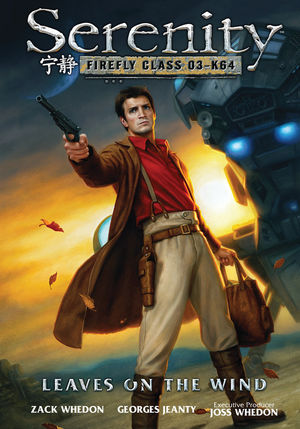
Serenity_Leaves_on_the_Wind_HC_coverThe film Serenity brought a fair amount of closure to fans of Firefly, but as with any great story it didn’t end there. Each character goes through events in the film that transforms them in some way, and the story is never over. The classic hero’s journey ends not with the climactic battle, but with the return. The hero comes back to where he (or she) began and, through the events, has been transformed. Indeed, often their home itself has been transformed in some way, even if only in the way they view it.

The 6-issue limited comic book limited series, now collected together in Serenity: Leaves on the Wind (Amazon) completes the “Return” aspect of the hero’s journey for our crew … and since it’s a story in its own right, it also contains a full journey within it, with a new call to action, a new conflict, a new shift under the feet of the heroes. New allies and enemies are introduced, and the crew continues to change.

The series begins in the aftermath of Serenity, where the revelations about the origins of the Reavers spark heated debate across the ‘Verse. While pundits debate the veracity of the allegations, both the Alliance and a growing New Resistance movement are looking for the man who started it all: Malcolm Reynolds.

Read More Read More

Methodology: Not Just For Scientists Anymore

Methodology: Not Just For Scientists Anymore

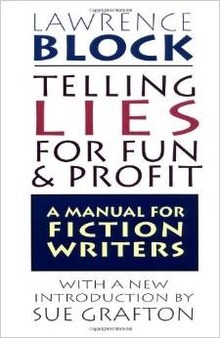
Block Telling LiesI’ve been known, via Twitter and Facebook, to let people know how my writing is going. So I’m apt to say things like “chapter 16 is going feral on me, I need a net.” This prompts some of my writer friends to say “been there, done that” and others to say “you write in chapters?”

This isn’t to say that they themselves don’t write in chapters, per se. What I think this particular friend actually meant is that she just writes, and lets the chapters appear where they may. After all, we know that, with very few exceptions, all novels end up being divided into chapters. Exactly when and how that division occurs is part of each individual’s methodology. Or perhaps the sensibilities of their editor.

And all advice on writing tells you the same thing: there’s no right or wrong way, there’s only the way that works for you.

I tend to work and think in chapters of about 25 to 30 pages, or somewhere between 5000 and 6000 words. Why? Because when I was starting to write my dissertation (don’t ask, you don’t want to know) the Chair of the Department gave me this advice: “Make your chapters about 25 pages long, Violette. No one wants to read longer ones.”

Read More Read More