Browsed by
Category: Books

Monsters, Super-Science, and Devastating Family Secrets: Aurora West by Paul Pope, JT Petty, and David Rubin
Monsters, Super-Science, and Devastating Family Secrets: Aurora West by Paul Pope, JT Petty, and David Rubin

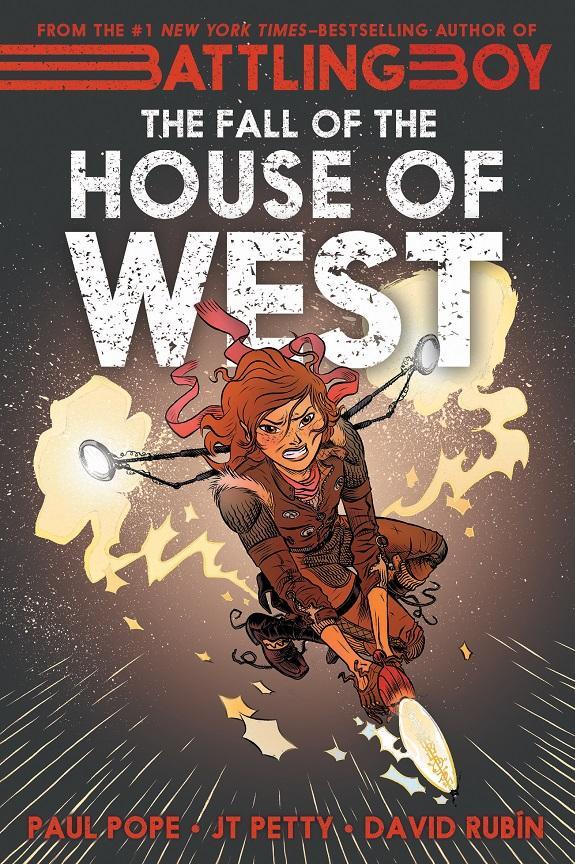
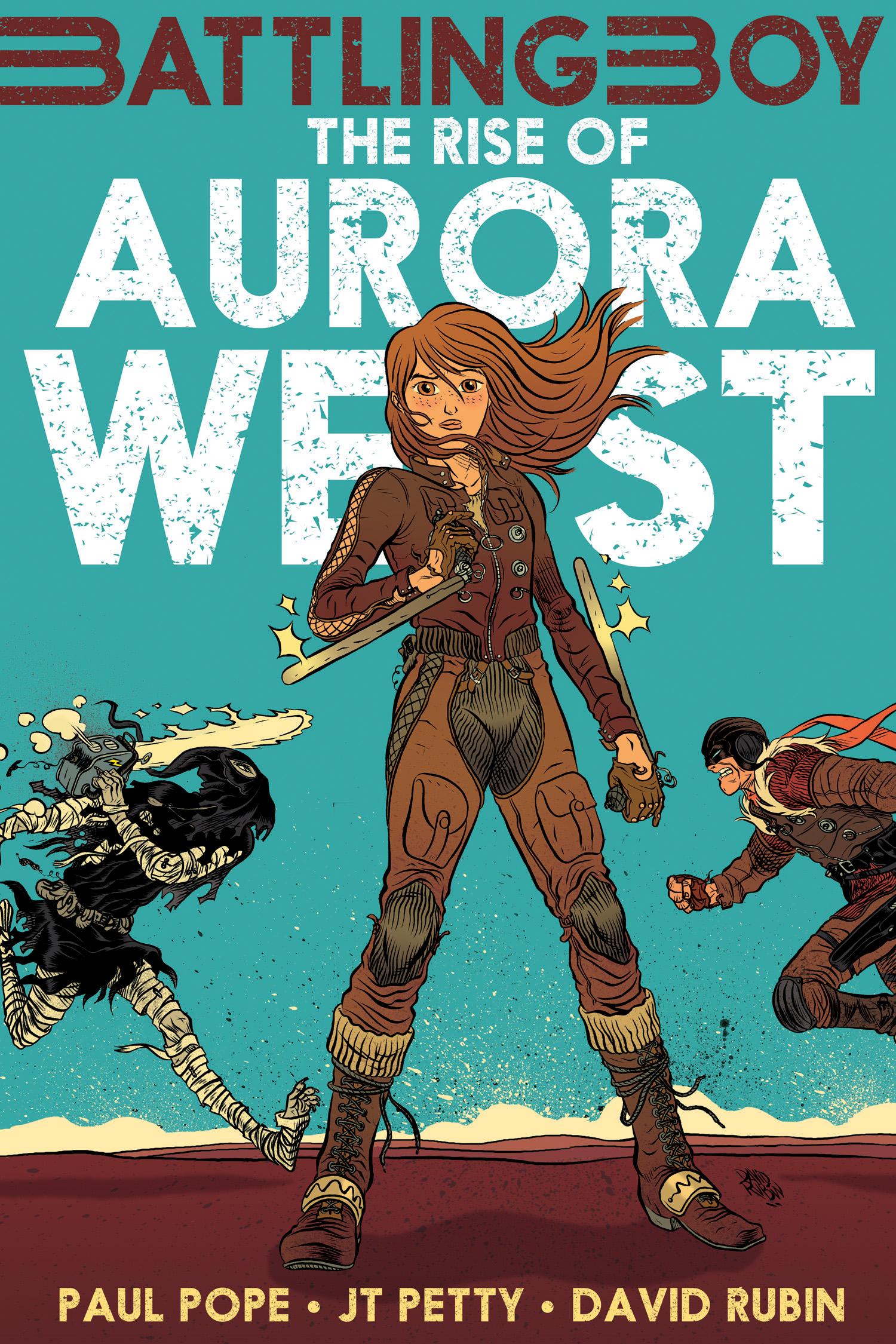
The Rise of Aurora West-small The Fall of the House of West-small

When I started my new job last month, I began taking the train into the city every day for the first time. St. Charles to Chicago, an hour each way. That’s a long time to be staring at all those suburbs going by. So I did two things immediately: I upgraded to a new iPhone 6s, which allowed me to keep up with all my blogs on the go (especially Politico, Tor.com, and MSNBC), and I started catching up on graphic novels.

For my first month on the job (at least until Alice got me a subscription to The New York Times as a birthday present last week), I read almost exclusively comics and graphic novels on the train, digging into the huge stack I’d accumulated over the past eighteen months. I read Original Sin, a cosmic mystery featuring Marvel’s greatest heroes as they attempted to solve the murder of The Watcher. I enjoyed Rick Remender’s gonzo dimension-hopping adventure Black Science, and the 2016 Hugo nominee Invisible Republic, a really superior far-future political thriller, and lots more.

In short, I read some pretty fine stuff. But the crème-de-la-crème was a two-volume story featuring Aurora West, a compelling heroine who was completely new to me: The Rise of Aurora West and The Fall of the House of West. Aurora accompanies her father Haggard West, greatest hero of the beleaguered city of Arcopolis, as he races across rooftops, investigates the mysterious origins of the strange plague of monsters bedeviling his city, and solves bizarre crimes. But in the process Aurora stumbles on clues relating to a long-forgotten crime, and begins an investigation of her own… one that leads to a series of revelations that challenge everything she knows, and threatens the very future of Arcopolis.
Read More Read More

Future Treasures: The Medusa Chronicles by Stephen Baxter and Alastair Reynolds

Future Treasures: The Medusa Chronicles by Stephen Baxter and Alastair Reynolds

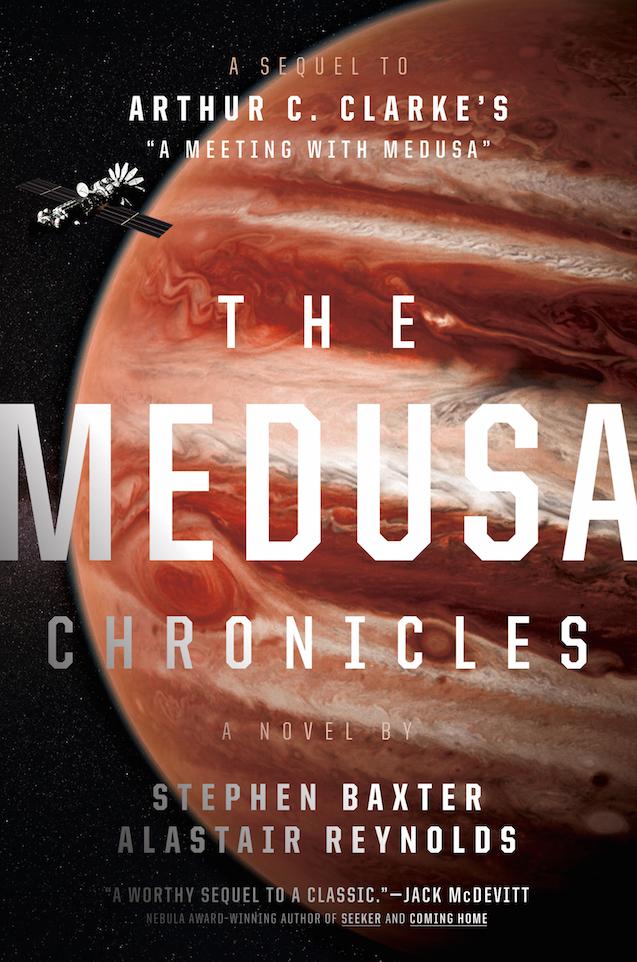
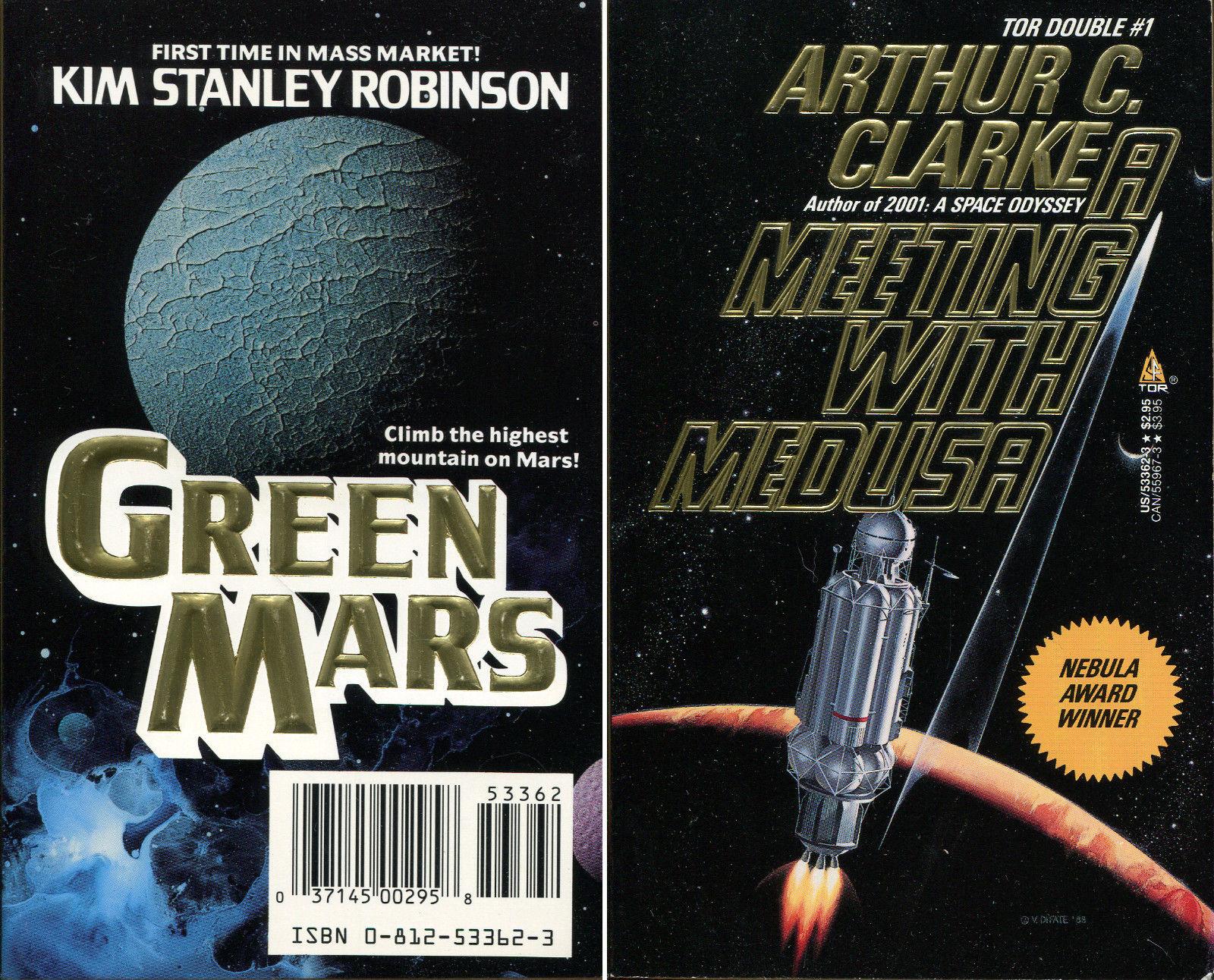
Arthur C Clarke A Meeting With Medusa-small Arthur C Clarke The Medusa Chronicles-small

Arthur C. Clarke’s A Meeting With Medusa won the Nebula Award for Best Novella in 1971, and 45 years later is still considered one of the great classics of SF. It introduced us to Howard Falcon, who suffered a terrible accident while exploring the hostile skies of Jupiter — an accident that nearly destroyed his helium-filled airship, and both turned him into the world’s first cyborg, his badly damaged body largely replaced with machines, and made him essentially immortal. When Falcon returns to Jupiter in a more advanced ship, he makes contact with giant jellyfish-like creatures he names “Medusae.” The Medusae may be intelligent, and Falcon’s experience with them changes him even more dramatically than his previous accident. Now Stephen Baxter and Alastair Reynolds have written a novel-length sequel to Clarke’s classic tale, following Falcon’s further adventures to the limits of our solar system… and beyond.

Inspired by Clarke’s novella, The Medusa Chronicles continues the story of Howard Falcon, perhaps humanity’s greatest ambassador and explorer, and the centuries of his adventures among our solar system, the rise of artificial intelligence, and our expansion on to other planets, written with the permission from Clarke’s estate by two of our greatest science fiction writers, Stephen Baxter and Alastair Reynolds.

The Medusa Chronicles is an awe-inspiring work by two modern masters of science fiction who have taken the vision of one the field’s greatest writers and expanded upon it, combining cutting-edge science, philosophy, and technology into a transcendent work of fiction that offers a plausible future for our solar system through the eyes of one of its great fictional heroes.

The Medusa Chronicles will be published by Saga Press on June 7, 2016. It is 412 pages, priced at $26.99 in hardcover and $7.99 for the digital version. The cover is by Getty Images.

New Treasures: The Murdstone Trilogy by Mal Peet

New Treasures: The Murdstone Trilogy by Mal Peet

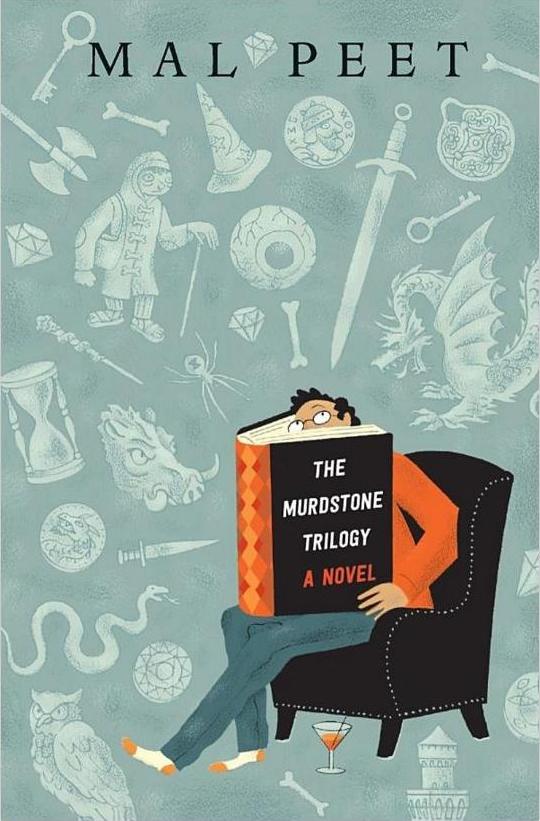
The Murdstone Trilogy-smallHow hard can it be to write a fantasy trilogy? That’s a topic that came up more than once at the Nebula Awards this month. You know what also came up? A copy of Mel Peet’s The Murdstone Trilogy, which deals with that very question. I was fortunate enough to get one of the few copies that showed up on the free book table at the Nebula weekend, and I was very glad I did. It proved to be the prize acquisition of the weekend.

Written by Carnegie Medalist Mal Peet, it’s a black comedy about an impoverished literary writer who makes a pact with the devil to write a sword-and-sorcery trilogy. It was sold as an adult novel in the UK, but is being marketed as YA here in the US. The Wall Street Journal calls it “A deliriously freewheeling send-up of the publishing industry and the current sword-and-sorcery craze,” and Publishers Weekly says it’s “enormous fun, especially for those familiar with the literary conventions it skewers.”

Award-winning YA author Philip Murdstone is in trouble. Flat broke. His star has waned. No one wants his novels about sensitive teenage boys. So his ruthless agent, Minerva Cinch, convinces him that his only hope is to write a sword-and-sorcery blockbuster. High Fantasy, specifically, or, to be more precise, Phantasy with a p-h. Unfortunately, Philip — allergic to the faintest trace of anything Tolkien — is utterly unsuited to the task.

In Philip’s darkest, whiskey-fueled hour, a dwarfish stranger comes to his rescue. But the deal Philip makes with Pocket Wellfair turns out to have Faustian consequences. The Murdstone Trilogy is a richly dark comedy described by one U.K. reviewer as “totally insane in the best way possible.”

The Murdstone Trilogy was published by Candlewick Press on September 22, 2015. It is 314 pages, priced at $18.99 in hardcover and $9.99 for the digital version. The cover is by Greg Clarke.

Joseph P Laycock’s Dangerous Games: Revisiting the “Moral” Panic Around D&D (and You Thought the ‘Pups Were Bad)

Joseph P Laycock’s Dangerous Games: Revisiting the “Moral” Panic Around D&D (and You Thought the ‘Pups Were Bad)

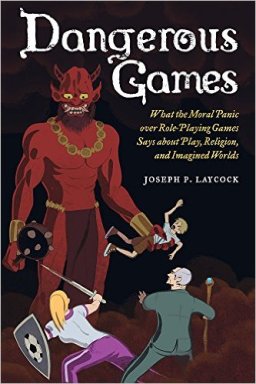
Laycock Moral Panic
Laycock… set out to investigate the forces of darkness so we don’t have to.

The 80s Dungeons and Dragons Moral Panic gave my teenage AD&D group a headache… fortunately, only literally.

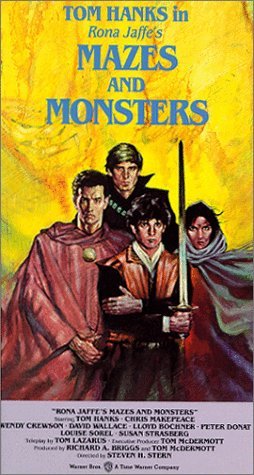
I confess that we drank too much beer while watching the movie Mazes and Monsters. We giggled at the odd (willful?) misrepresentation of our world, but perhaps that was a kind of false bravado because we also talked too late into the night: “Did they just…?” and “Erk?” and “WTF?”

Mazes and Monsters
“Did they just…?” “Erk?” “WTF?”

And so, as is the way of things, we woke up without answers to those questions, but with headaches — or at least I did.

I now know that we were lucky growing up in cosmopolitan, largely secularist, middle class Edinburgh.

Scratch the Internet (e.g.) and you’ll uncover heartbreaking stories of teenagers — even outside the USA — thrown into needless conflict with their parents, and parents duped into betrayals that can’t be fixed: imagine coming home to find your lovingly created campaign world, months of work, had been burned?*

*You’ll also get a reminder that the entire United States wasn’t consumed by this latter-day witch hunt. If you guys gave us the panic, you also gave us D&D in the first place. Plus Rock and Roll and jeans. Thanks!

And when you read these heartrending accounts, you come back to the questions, “Did they just…?” and “Erk?” and “WTF?”, more or less my 12-year-old-son’s response when he heard about all this on a podcast.

Which brings us to the subject of that podcast: Joseph P Laycock’s book, Dangerous Games: What the Moral Panic over Role-Playing Games Says about Play, Religion, and Imagined Worlds.

Laycock is like a Call of Cthulhu character: a card-carrying theology professor who has set out to investigate the forces of darkness so we don’t have to.

Read More Read More

Capture the Magic of the Nebulas With Nebula Awards Showcase 2016, edited by Mercedes Lackey

Capture the Magic of the Nebulas With Nebula Awards Showcase 2016, edited by Mercedes Lackey

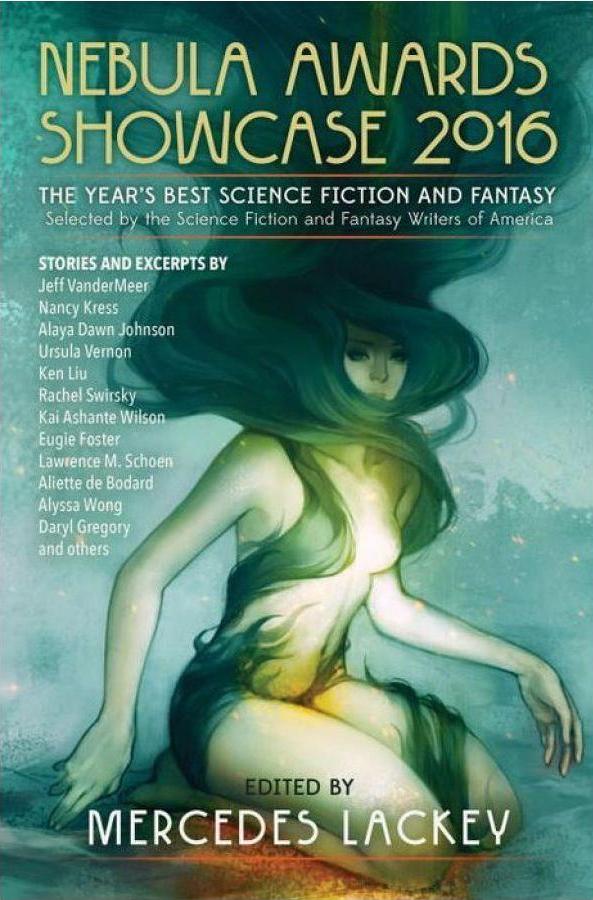
Nebula Awards Showcase 2016-smallThe buzz here at the Black Gate rooftop headquarters for the past week has been all about the Nebula Awards weekend, held just a few blocks away in the Palmer House in downtown Chicago. Half of the staff attended — including me, Tina Jens, C.S.E. Cooney, Derek Kunsken, and Zeta Moore — and we had a terrific time, mingling with the great writers, editors, and publishers in the field. It culminated, of course, in the Nebula Awards presentation Saturday night (see our detailed report on the Awards here, and the entire weekend here).

The Nebulas are a celebration of the finest writing of the year, and even if you can’t attend the weekend, you can still enjoy that — in the form of the annual Nebula Awards Showcase. The latest volume, edited and assembled by Mercedes Lackey, gather the winners from last year in a handsome trade paperback.

The Nebula Awards Showcase volumes have been published annually since 1966, reprinting the winning and nominated stories of the Nebula Awards, voted on by the members of the Science Fiction and Fantasy Writers of America (SFWA). The editor, selected by SFWA’s anthology Committee (chaired by Mike Resnick), is American science fiction and fantasy writer Mercedes Lackey. This year’s Nebula winners are Ursula Vernon, Alaya Dawn Johnson, Nancy Kress, and Jeff VanderMeer, with Alaya Dawn Johnson winning the Andre Norton Award for Young Adult Science Fiction and Fantasy Book.

Mercedes Lackey took the rather unusual approach of including every short story and novelette nominee and winner, and limiting herself to excerpts in the novella category (with the exception of the winner). See the complete Table of Contents here.

Read More Read More

Amal El-Mohtar on Clockwork Canada

Amal El-Mohtar on Clockwork Canada

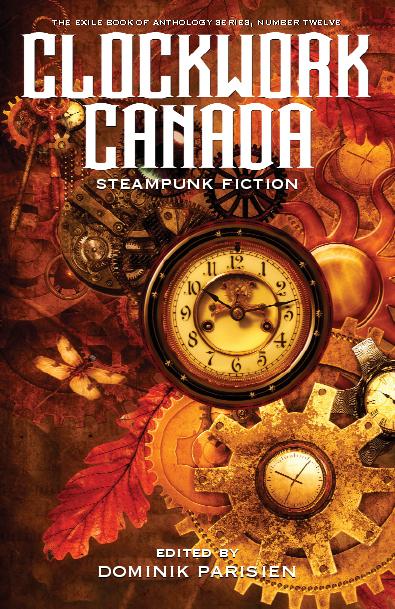
Clockwork Canada-smallI’ve been enjoying Amal El-Mohtar’s review column at Lightspeed magazine. In her latest, for the May issue, she calls Max Gladstone’s Four Roads Cross, the upcoming book in his Craft Sequence, “breathtakingly satisfying,” and Nnedi Okorafor’s Nebula-award winning Tor.com novella Binti “a startling whirlwind of a book that engaged and entranced me.”

But it’s her review of Dominik Parisien’s new anthology Clockwork Canada that I found most intriguing. Party because I’m Canadian, but also because the book sounds so darn enticing. Here’s Amal.

In Clockwork Canada, [Dominik]’s brought an artificer’s eye to this collection’s various parts to ensure they work together as a whole that is more than their sum… It’s an enormously diverse collection, both in terms of its authors’ backgrounds and interests and the eclecticism of its contents: These are stories that span the breadth (and occasionally, literally, depth) of Canada, geographically and temporally, as well as the whole spectrum of steampunk. There’s a good mix of adventure stories and domestic stories, some more hopeful, some more horror; some are more fantastic, some more science fictional. Some stories imagine alternate histories, while others nestle small, beautiful stories in the corners of enormous events; some do both, and more, tangling retro and futurism in different measures.

This is not a collection of beaver jokes and maple syrup. I hugely appreciated seeing, across all these stories, a Canada shorn of any of the jingoistic patter that masquerades as heart-warming pluralism these days. These stories probe and poke at the country’s beginnings as at the edges of a wound: the workers who fed their bodies like coal into the railroad’s furnace; the immigrants who were turned away at ports for being too brown, too foreign; the enslavement of African peoples; the indigenous people displaced and decimated. “So you think you know about Canada,” any of these stories might begin. “Let me tell you about Canada…”

An excellent showcase for new and established Canadian voices as well as for Parisien’s editorial skill, Clockwork Canada’s a fascinating, faceted read that I thoroughly enjoyed.

Read Amal’s complete review here. We previously covered Clockwork Canada — including listing the complete TOC — here. Clockwork Canada was published by Exile Editions on May 1, 2016. It is 304 pages, priced at $19.95 in trade paperback and $7.99 for the digital version.

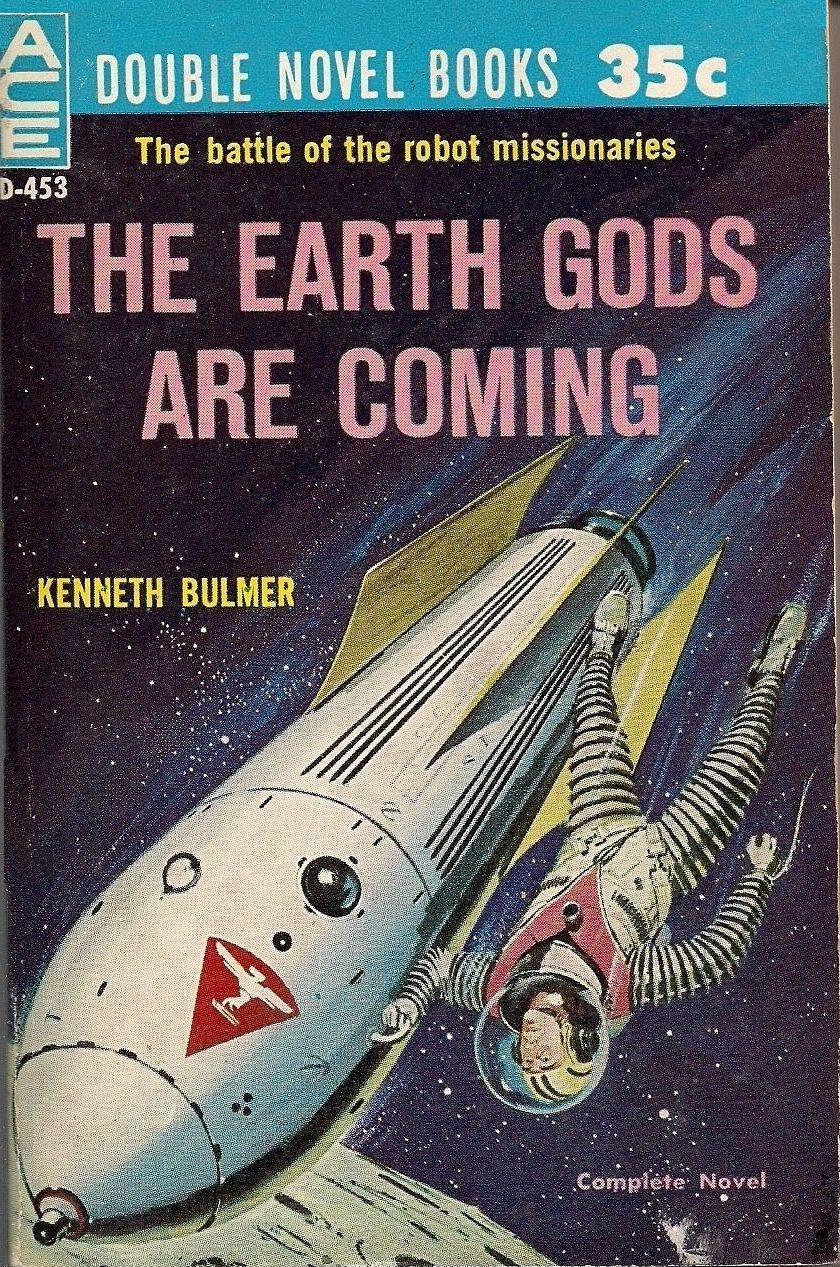
Parallel Universes and Space Marines: Rich Horton on The Games of Neith by Margaret St. Clair/The Earth Gods are Coming by Kenneth Bulmer

Parallel Universes and Space Marines: Rich Horton on The Games of Neith by Margaret St. Clair/The Earth Gods are Coming by Kenneth Bulmer

The Games of Neith-small The Earth Gods Are Coming-small
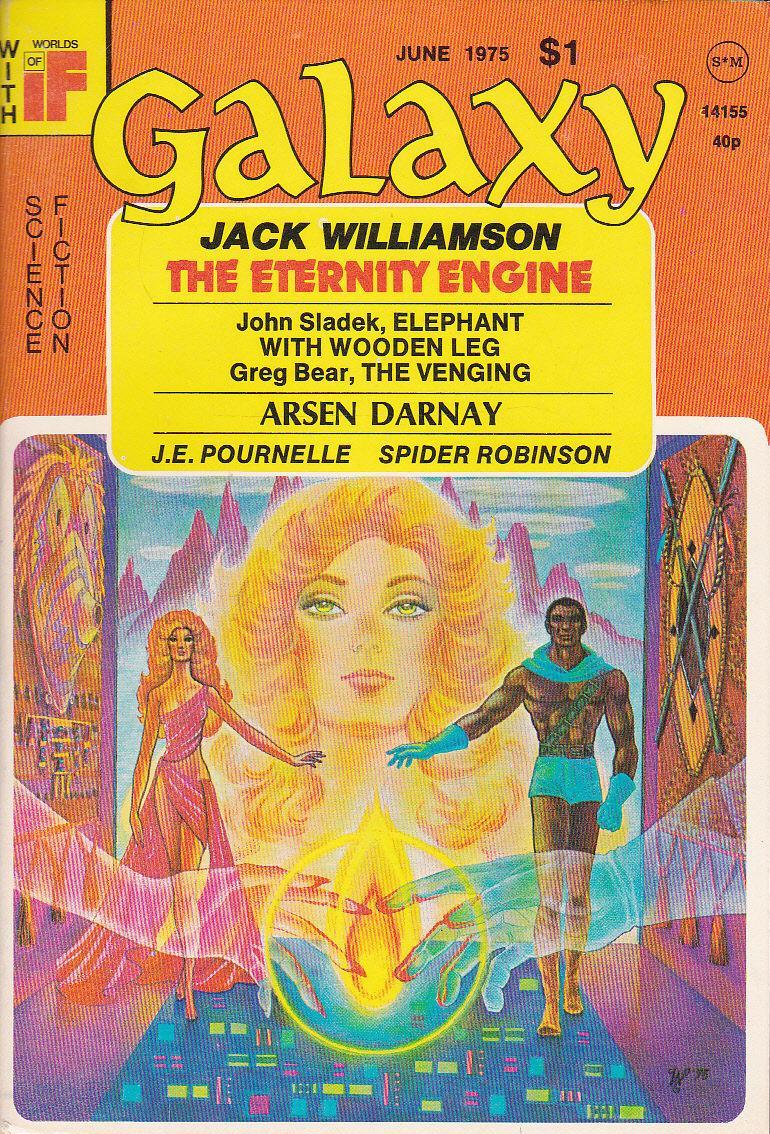
Galaxy, June 1975
Galaxy, June 1975

Over at his website Strange at Ecbatan, Rich Horton looks at another obscure Ace Double.

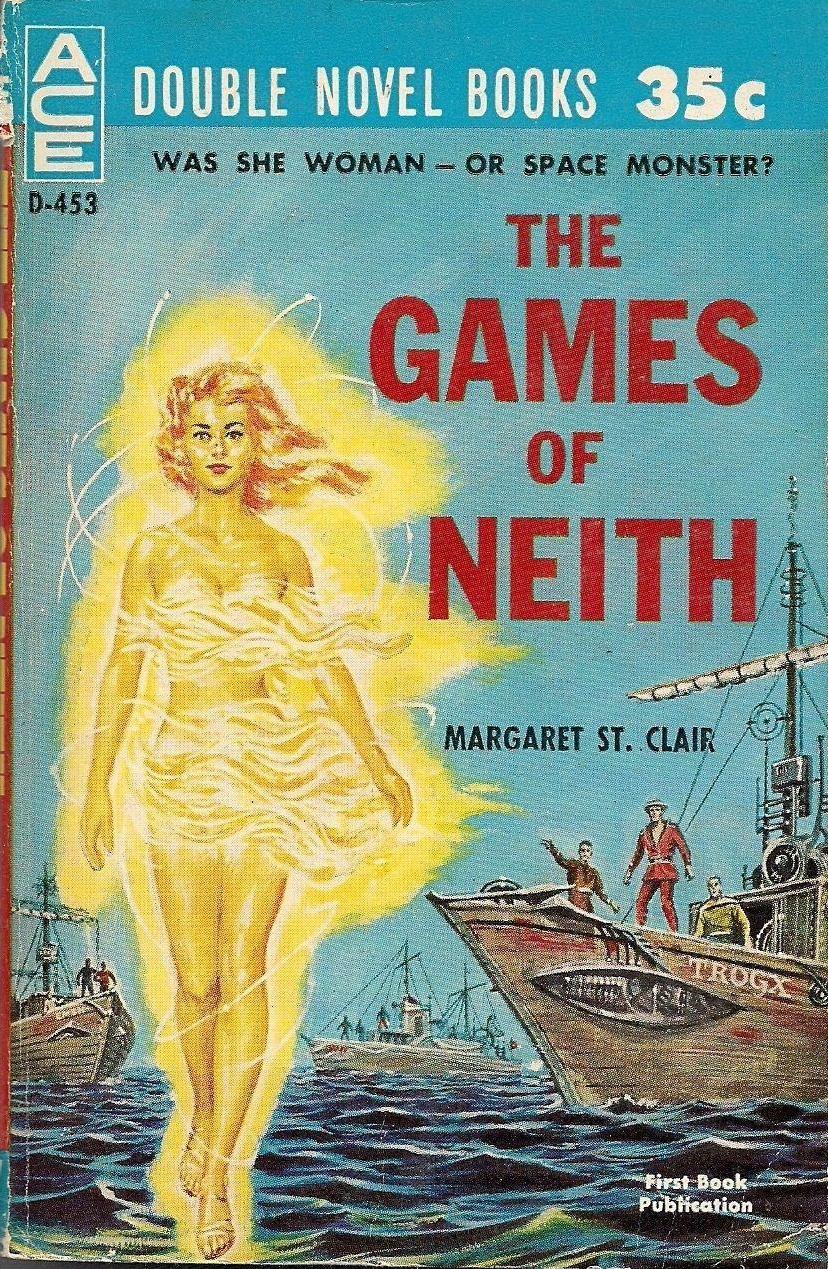
Here’s an Ace Double featuring a couple of authors I’ve discussed before. I bought it partly because of that — both writers have proved enjoyable in the past, St. Clair often more than that, and, partly, frankly, because of the quite gorgeous Emswhiller cover on the St. Clair book, which for some reason reminded me of Wendy Pini’s cover for the June 1975 Galaxy.

I wrote before about Margaret St. Clair (1911-1995) as follows: “She was one of the more noticeable early women writers of SF, but somehow her profile was a bit lower than those of C. L. Moore, Leigh Brackett, and Andre Norton. Perhaps it was simply that those writers did just a bit more, and were just a bit better (taken as a whole) than her, but it does seem that she’s not quite as well remembered as perhaps she deserves. One contributing factor is that she wrote some of her very best stories pseudonymously, as “Idris Seabright.” 20 or so of her 50+ short stories were as by Seabright, including some of the very best (such as “Short in the Chest” and “An Egg a Month from All Over”). She also wrote 8 novels (four of them published as Ace Double halves). Her career in SF stretched from 1946 to 1981…”

Reading this book made clear to me another reason St. Clair is not as well remembered as Moore, Brackett, or Norton — she was much weaker at novel length than at shorter lengths. At least, that is, based on those I’ve read. The Games of Neith was a terrible disappointment to me — it’s really just a bad, silly, book.

Sadly the flip side, Kenneth Bulmer’s The Earth Gods are Coming, doesn’t measure up much better.

Read More Read More

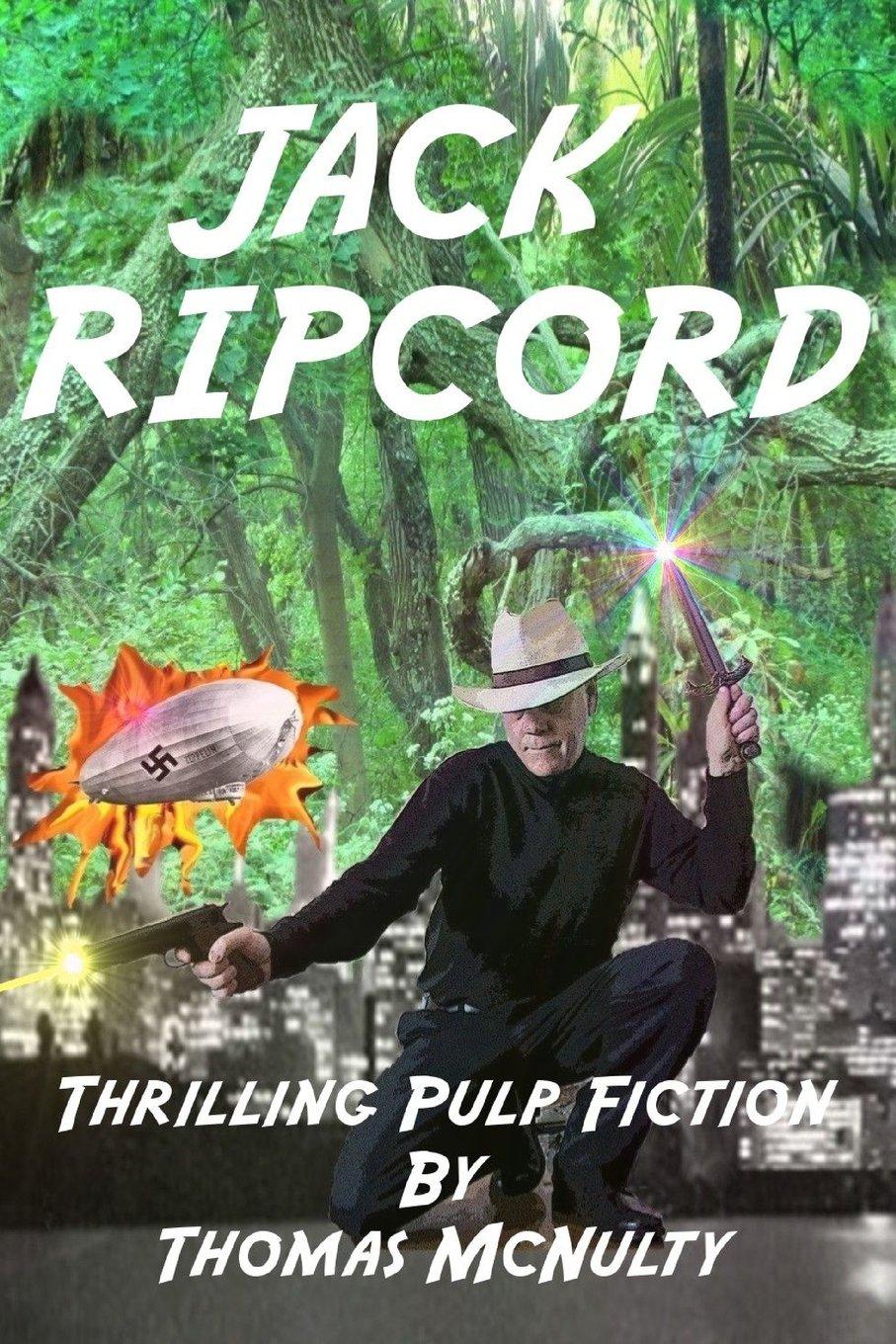
Thrilling Pulp Fiction in the Tradition of Lester Dent, Henry Kuttner, L. Ron Hubbard and Mickey Spillane: Jack Ripcord, by Thomas McNulty

Thrilling Pulp Fiction in the Tradition of Lester Dent, Henry Kuttner, L. Ron Hubbard and Mickey Spillane: Jack Ripcord, by Thomas McNulty

Jack Ripcord-small Jack Ripcord-back-small

Jack Ripcord
By Thomas McNulty
Wounded Outlaw Books (182 pages, $12.95, March 13, 2014)

I’ve enjoyed every book that Tom McNulty has thus far published. From his Life and Career of Errol Flynn (the best bio of the late actor I’ve ever read) to Werewolves, his in-depth study of werewolves in myth, legend, literature and film. His westerns, published by Black Horse, are fantastic. Trail of the Burned Man, Wind Rider, and Showdown at Snakebite Creek, to name three, would each make a great film, the kind of western that Burt Kennedy and Budd Boetticher used to make, and starring actors like Randolph Scott and Lee Marvin.

But now, with his latest, Jack Ripcord, McNulty has entered the field of old-school, fantastic, pulp fiction storytelling — and he does so in grand style. This is rip-roaring, high-speed action-adventure, the kind of story that was so popular in the 1920s, 30s and 40s, the kind of stories that Republic Studios used to film as Saturday morning serials… the kind of story that Steven Spielberg should film.

Read More Read More

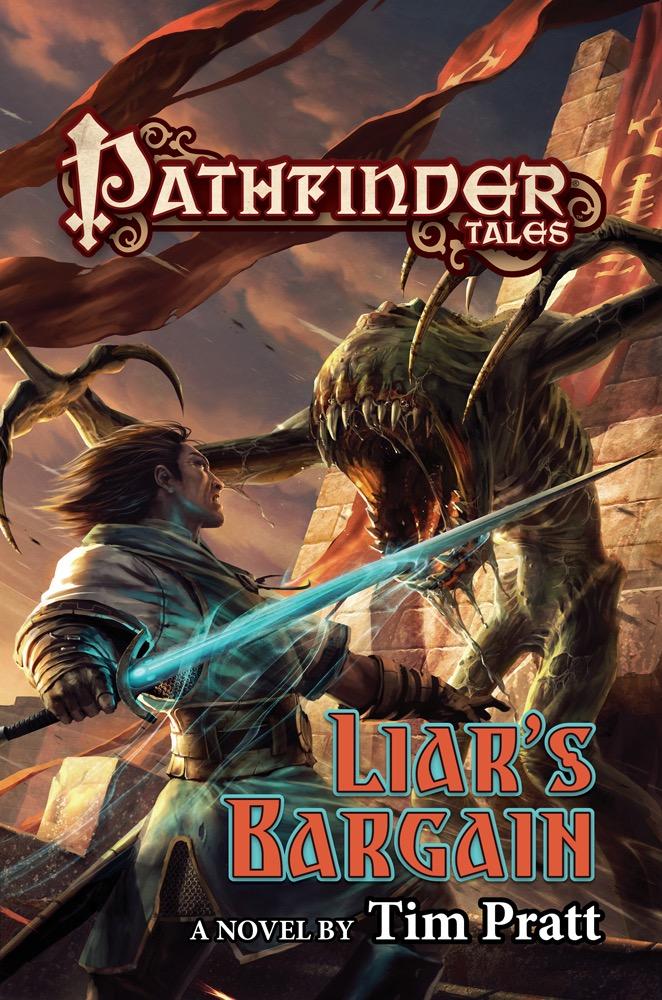
Future Treasures: Pathfinder Tales: Liar’s Bargain by Tim Pratt

Future Treasures: Pathfinder Tales: Liar’s Bargain by Tim Pratt

Pathfinder Tales Liar's Bargain-smallTim Pratt is one of the most popular and prolific authors in the Pathfinder Tales stable. His first two tales of Rodrick the thief were Liar’s Blade (called “Fafhrd-and-Grey-Mouser-style sword and sorcery adventure” by SF Signal) and Liar’s Island. The third in the series sees Rodrick and his talking sword Hrym pressed into service for the crime of theft in Lastwall… service that leads to some pretty hazardous duty, all in the name of defending the innocent.

Who Are You Calling Expendable?

When caught stealing in the crusader nation of Lastwall, veteran con man Rodrick and his talking sword Hrym expect to weasel or fight their way out of punishment. Instead, they find themselves ensnared by powerful magic, and given a choice: serve the cause of justice as part of a covert team of similarly bound villains — or die horribly. Together with their criminal cohorts, Rodrick and Hrym settle in to their new job of defending the innocent, only to discover that being a secret government operative is even more dangerous than a life of crime.

From Hugo Award winner Tim Pratt comes a tale of reluctant heroes and plausible deniability, set in the award-winning world of the Pathfinder Roleplaying Game.

Our recent Pathfinder coverage includes free Soundclip samples from Macmillan Audio, a look at Liane Merciel’s Pathfinder Tales: Hellknight, and Nick Ozment’s popular piece on the Fellowship of the Pathfinders.

Pathfinder Tales: Liar’s Bargain will be published by Tor Books on June 7, 2016. It is 288 pages (plus a 12-page preview of Starspawn by Wendy N. Wagner), priced at $14.99 in trade paperback and $9.99 for the digital version. The cover is by Raymond Swanland. See all our recent Pathfinder coverage here.

New Treasures: The End of the End of Everything by Dale Bailey

New Treasures: The End of the End of Everything by Dale Bailey

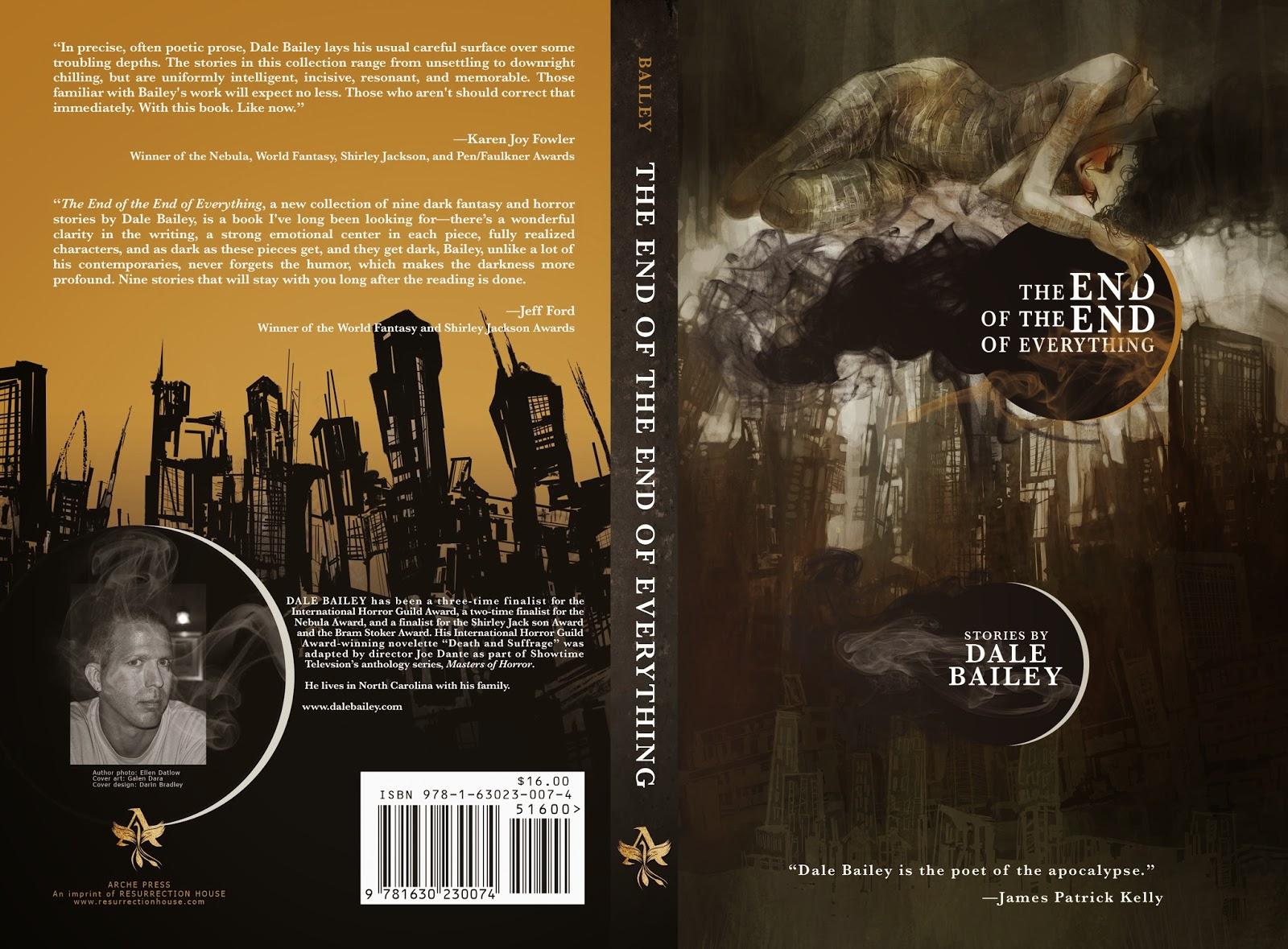
The End of the End of Everything Dale Bailey-small

I don’t keep on top of modern horror and dark fantasy as much as I should, but I do make an effort to get the collections everyone is talking about. That means Nathan Ballingrud’s North American Lake Monsters, Laird Barron’s The Beautiful Thing That Awaits Us All, John Langan’s The Wide Carnivorous Sky and Other Monstrous Geographies, Simon Strantzas’ Burnt Black Suns, and Stephen Graham Jones’ After the People Lights Have Gone Off. And the last one on my list was The End of the End of Everything, Dale Bailey’s second collection (following his 2003 Golden Gryphon volume The Resurrection Man’s Legacy and Other Stories). I’ve been hearing great things about Bailey for over a decade, and I’ve been meaning to pick this one up for a while. But it was James Patrick Kelly’s gonzo blurb that finally made me pull the trigger:

Here are nine gorgeously-written and closely-observed tales of ordinary people trying to hold it together when everything is falling apart. I’ve been a story aficionado for several decades now and I can’t think of a more accomplished master of the fantastic short form. Prepare to hunt feral Girl Scouts! Pack your bags for a dinosaur safari! Invite friends to your end of the world party! Dale Bailey is the poet of the apocalypse; his stories are guaranteed to haunt you.

If I ever get around to writing a book — or anything, really — I want James Patrick Kelly writing all my blurbs.

The End of the End of Everything was published by Arche Press on April 9, 2015. It is 229 pages, priced at $16 in trade paperback and $3.99 for the digital version. The cover art is by Galan Dara. Click the image above for a bigger version.