Browsed by
Category: Books

Goth Chick News; The Girl (and the Movie) With All the Gifts

Goth Chick News; The Girl (and the Movie) With All the Gifts

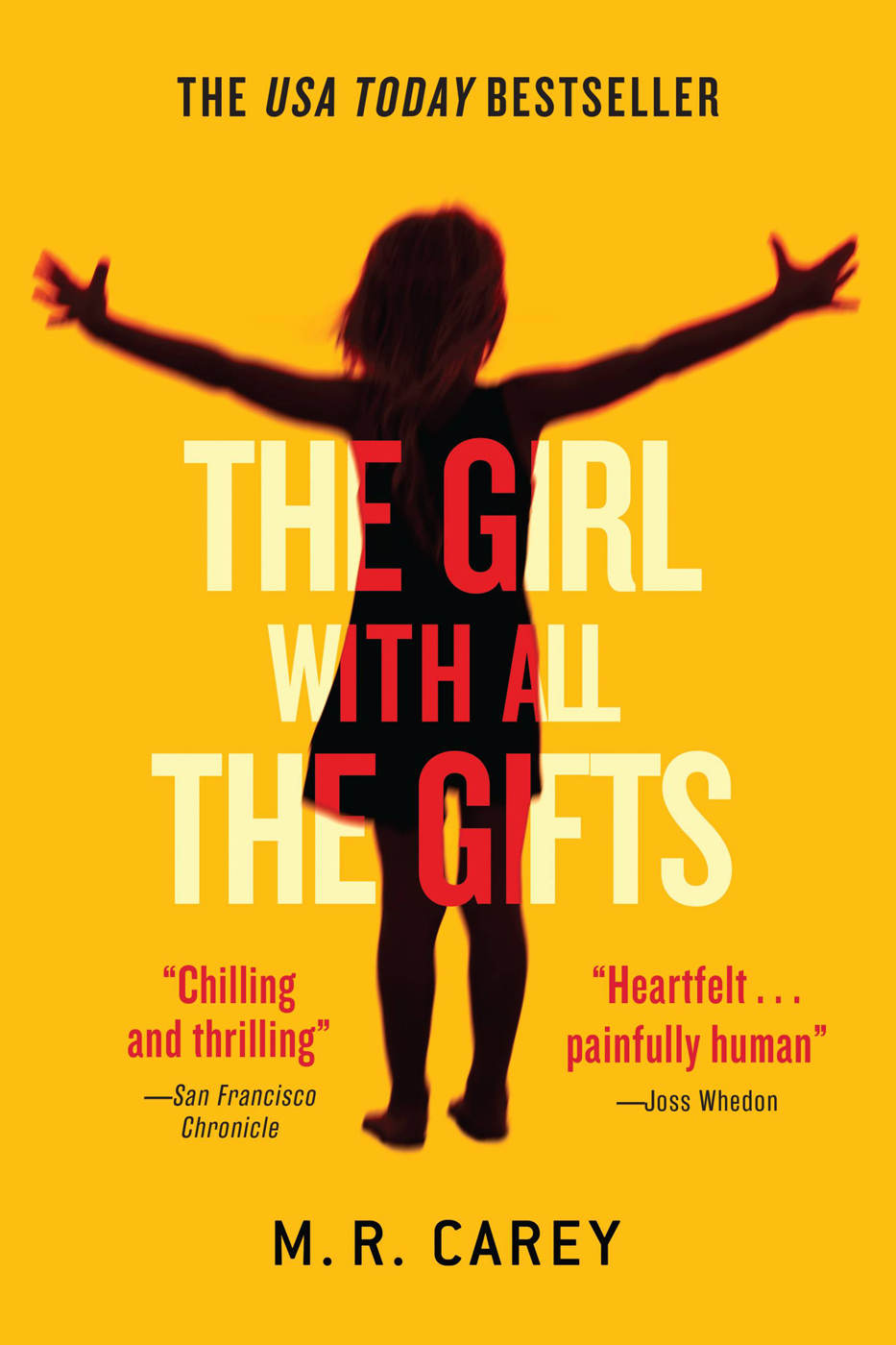
The Girl With all the Gifts novel-small The Girl With all the Gifts poster-small

Seeing that it now has a sequel, I finally got around to reading M.R. Carey’s first novel, The Girl With All the Gifts (2015).

I’m not sure what I was expecting. As the book has been out for over two years, I don’t think it is giving away too much to tell you the story takes place in a future dystopia, made such by a literal zombie apocalypse. And with all of us having lived through seven years of The Walking Dead, Brad Pitt in World War Z and slightly lighter takes such as Zombieland and Warm Bodies just to name a few, one might conclude that zombies, as a monster fad, might be played out both on screen and in print.

So if I was expecting anything at all, it wasn’t much. In fact, my local bookseller placed it in the YA section which meant I might either love it like A Series of Unfortunate Events or hate it with a burning passion, like Twilight.

Turns out, I definitely didn’t hate it.

Read More Read More

A Treasure Trove of Classic Ursula K. Le Guin: The Hainish Novels and Stories from the Library of America

A Treasure Trove of Classic Ursula K. Le Guin: The Hainish Novels and Stories from the Library of America

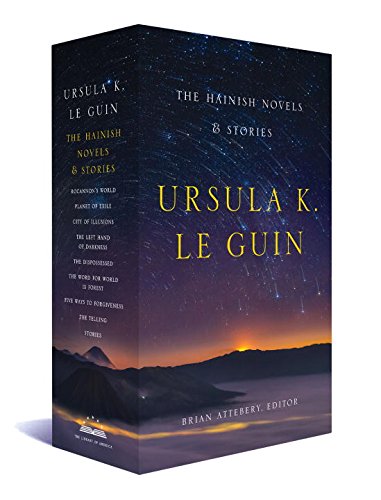
The Hainish Novels and Stories Library of America

Here’s a delightful find: buried in all the usual news on forthcoming books and new releases I get every week was an understated announcement about this massive compilation of all of Ursula K. Le Guin’s Hanish novels and stories, to be published in the attractive slip case above by the Library of America.

And I do mean massive. The two volume set is a whopping 1,921 pages. It contains 8 complete novels (include her Hugo and Nebula Award-winning volumes The Left Hand of Darkness and The Dispossessed) and 17 stories, including the complete story cycle Five Ways to Forgiveness, plus several appendixes. It will be edited by Brian Attebery, and both volumes include new introductions by Le Guin. It arrives in hardcover on September 5, 2017.

Now you know one of the reasons I’m excited about this book is that it contains the complete text of over half a dozen vintage paperbacks, including a pair of the most acclaimed science fiction novels of the 20th Century, in handsome archival-quality hardcovers. And you know what that means — I can’t resist showing you the original paperback covers (front and back). Here they are.

Read More Read More

A Page Turner with Cool Characters and a Hyperreal Asian Setting: Want by Cindy Pon

A Page Turner with Cool Characters and a Hyperreal Asian Setting: Want by Cindy Pon

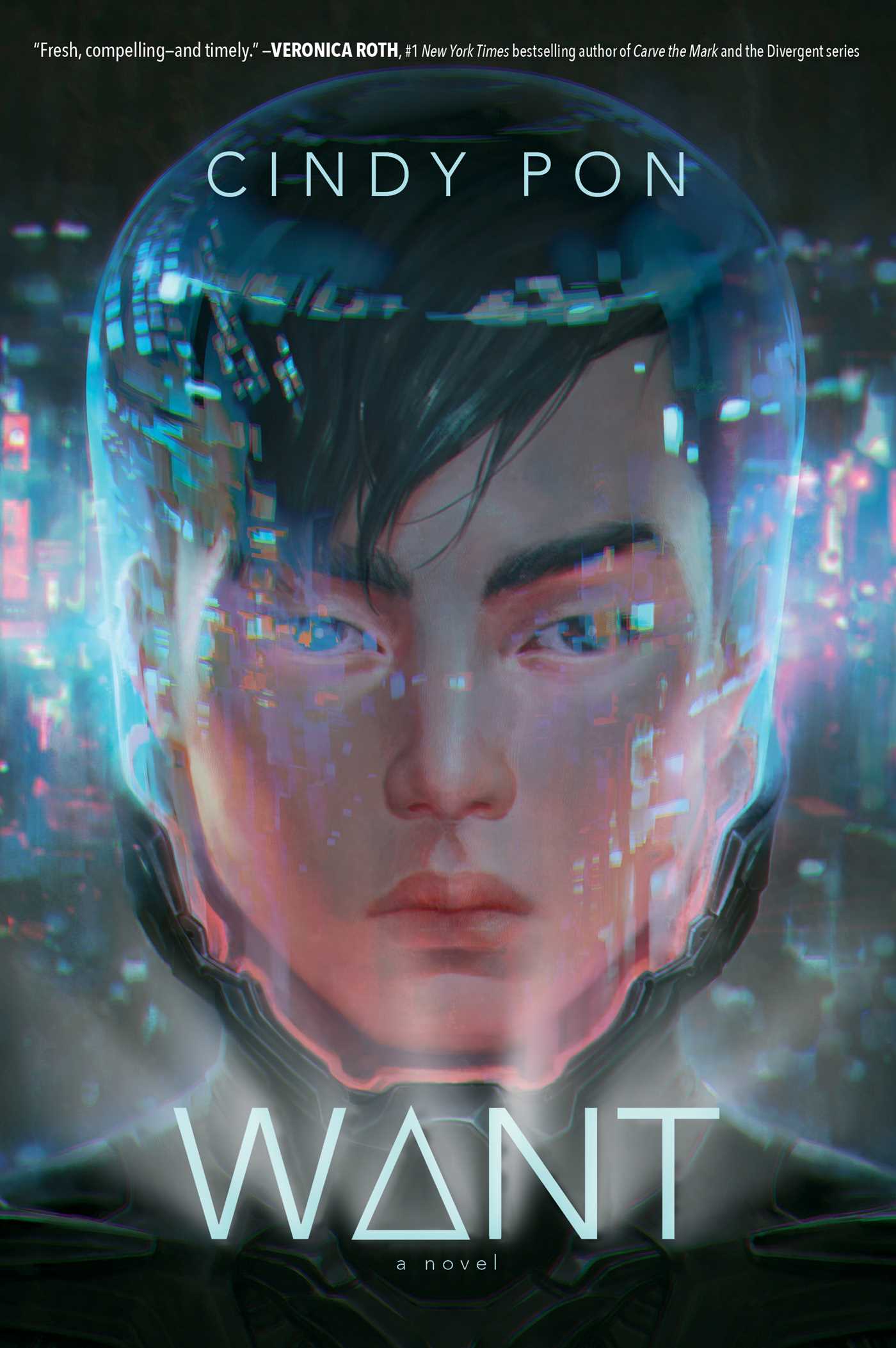
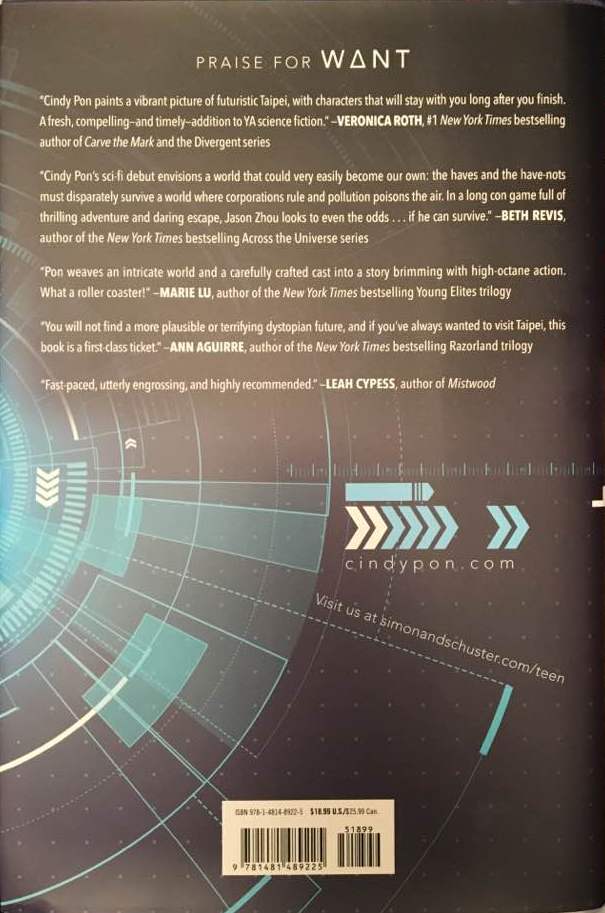
Cindy Pon Want-small Cindy Pon Want-back-small

In Want (published by Simon Pulse on June 13, 2017), Cindy Pon transports readers to an unsettlingly believable but dystopian futuristic Taipei, where air pollution writhes in the sky and class unrest seethes on the ground. Society is divided into “haves,” the yous (pronounced “yos”), and “have nots,” the meis (pronounced “mays”). Encased in air-conditioned suits that protect the yous from smog, the wealthy lead long lives. Unable to afford these suits, the meis cough and wheeze until they die at the age of 40.

Enter our narrator, bad boy Jason Zhou. An orphaned mei who flips knives in one hand as a nervous habit, he’s already used up half his expected lifespan. Trouble begins for him and his friends when their mother figure, Dr. Nataraj, reports two attempts on her life in the past week. An environmental activist who advocates for legislation to combat global warming, she suspects that big corporations are behind these attacks. After all, these polluters bribe politicians to ignore her pleas all the time.

Read More Read More

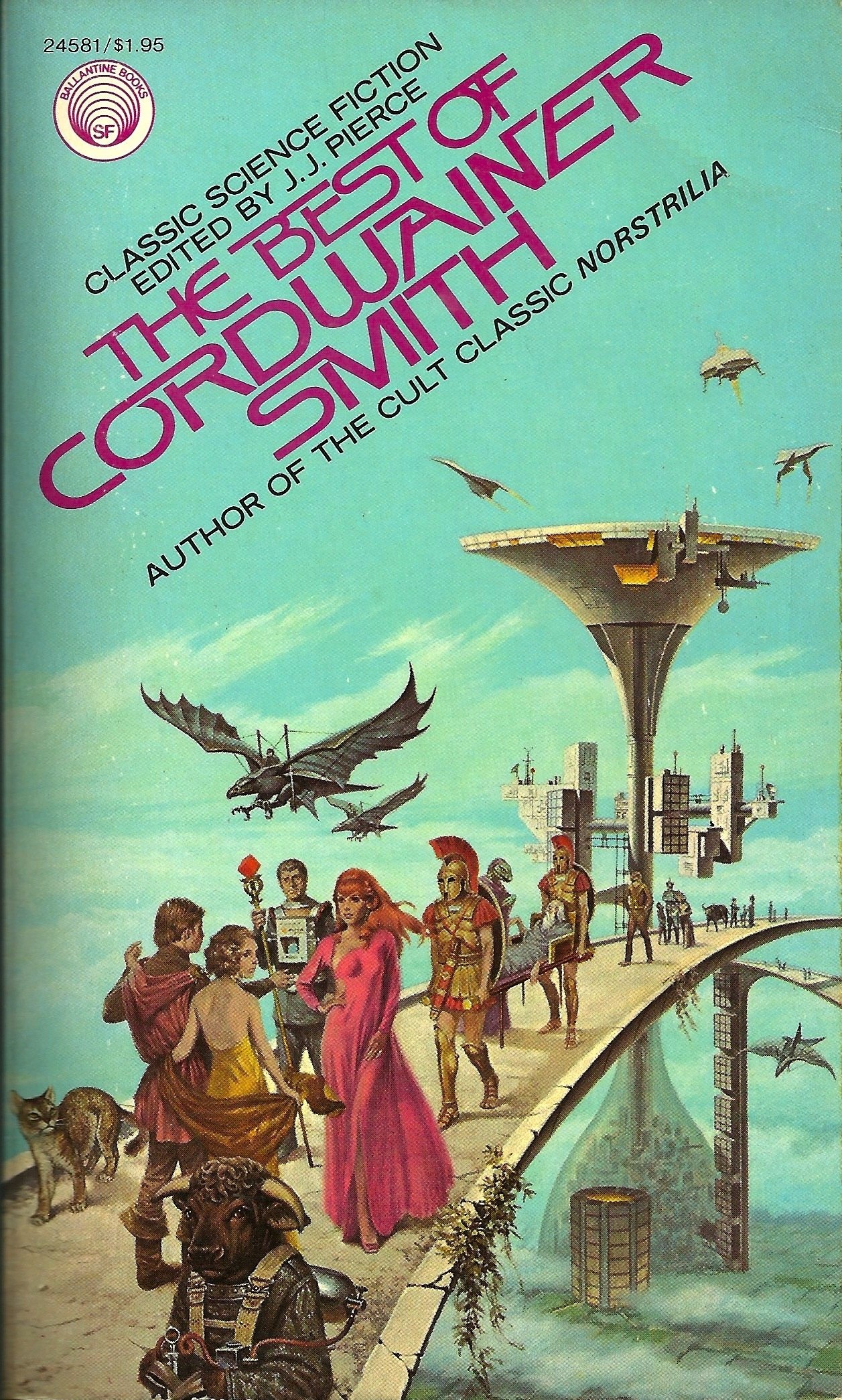
The Best of Cordwainer Smith, edited by J. J. Pierce

The Best of Cordwainer Smith, edited by J. J. Pierce

Do not read this story; turn the page quickly. The story may upset you. Anyhow, you probably know it already. It is a very disturbing story. Everyone knows it. 

from “The Crime and the Glory of Commander Suzdal”
oie_18116595RsWNL8gWhere to begin with Paul Linebarger, aka Cordwainer Smith? Son of a lawyer with ties to the Chinese Revolution of 1911, and godson of Sun Yat-sen, Linebarger, before World War II, was a professor of Eastern Studies at Duke. During the war, he served in the US Army and helped set up the first psychological warfare unit, and became an advisor to Chinese president Chiang Kai-shek. After the war, he was recalled to service to advise the British during the Malayan Emergency, and American forces during the Korean War. Later, he would serve in various intelligence capacities, calling himself “visitor to small wars,” though he avoided Vietnam, thinking it was a bad situation all around. Somehow, between the year 1950 and his death in 1966, he found the time and energy to create one of the most original, complex, and strange science fiction universes.

As part of their “Best of” series, Ballantine published The Best of Cordwainer Smith in 1975, edited by J. J. Pierce. I picked it up in around 1984 at the Forbidden Planet in Manhattan, based on something I’d read recommending the story “Scanners Live in Vain.” Strange as I found it, “Scanners” was nothing compared to the mad, almost hallucinogenic stories that followed it. It contains twelve of of his most important stories, all set in the future history which he called the Instrumentality of Mankind. The Instrumentality is the group of supremely powerful humans who rule over humanity.

Cordwainer Smith (as I’ll call him from now on) first appeared in 1950 with the publication of the story “Scanners Live in Vain” (1950). Its frenetic start warns readers they are in for something strange.

Martel was angry. He did not even adjust his blood away from anger. He stamped across the room by judgment, not by sight. When he saw the table hit the floor, and could tell by the expression on Luci’s face that the table must have made a loud crash, he looked down to see if his leg was broken. It was not. Scanner to the core, he had to scan himself. The action was reflex and automatic. The inventory included his legs, abdomen, chestbox of instruments, hands, arms, face and back with the mirror. Only then did Martel go back to being angry. He talked with his voice, even though he knew that his wife hated its blare and preferred to have him write.

“I tell you, I must cranch. I have to cranch It’s my worry, isn’t it?”

Foremost from this opening is the word cranch. What can it possibly mean and why must Martel do it?

Read More Read More

New Treasures: Meddling Kids by Edgar Cantero

New Treasures: Meddling Kids by Edgar Cantero

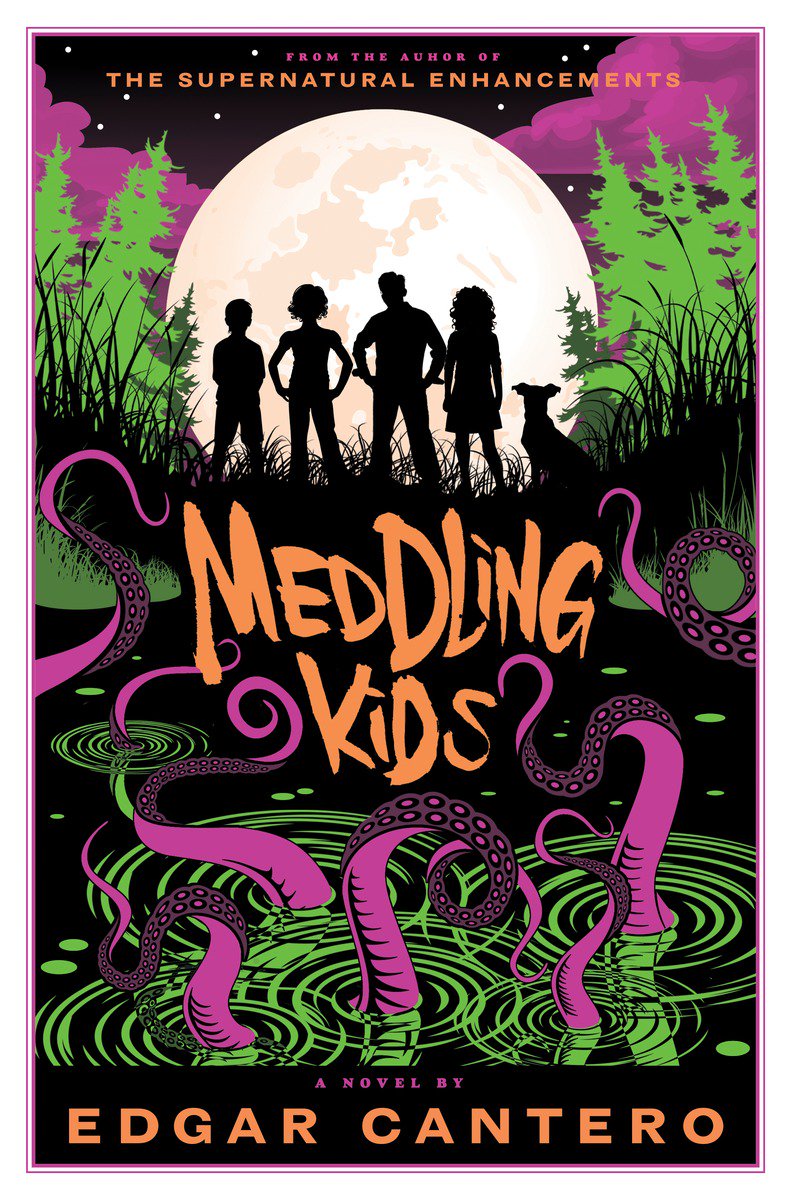
meddling kids-smallEdgar Cantero is the author of The Supernatural Enhancements. His follow-up, Meddling Kids, continues in the horror-comedy vein with perhaps the most brilliant premises I’ve encountered this year: a group of young detectives, who foiled the plot of a small-time crook years ago, find themselves drawn back together as adults to pick up the threads of their original investigation… threads that lead to a much more insidious threat involving an interdimensional horror. The Milwaukee Journal Sentinel says, “For anyone who finds the triangle formed by Scooby-Doo, Lovecraft and Buffy the Vampire Slayer a cozy place to be, here’s your beach book.” It’s on sale this month in hardcover.

SUMMER 1977. The Blyton Summer Detective Club (of Blyton Hills, a small mining town in Oregon’s Zoinx River Valley) solved their final mystery and unmasked the elusive Sleepy Lake monster — another low-life fortune hunter trying to get his dirty hands on the legendary riches hidden in Deboën Mansion. And he would have gotten away with it too, if it weren’t for those meddling kids.

1990. The former detectives have grown up and apart, each haunted by disturbing memories of their final night in the old haunted house. There are too many strange, half-remembered encounters and events that cannot be dismissed or explained away by a guy in a mask. And Andy, the once intrepid tomboy now wanted in two states, is tired of running from her demons. She needs answers. To find them she will need Kerri, the one-time kid genius and budding biologist, now drinking her ghosts away in New York with Tim, an excitable Weimaraner descended from the original canine member of the club. They will also have to get Nate, the horror nerd currently residing in an asylum in Arkham, Massachusetts. Luckily Nate has not lost contact with Peter, the handsome jock turned movie star who was once their team leader… which is remarkable, considering Peter has been dead for years.

The time has come to get the team back together, face their fears, and find out what actually happened all those years ago at Sleepy Lake. It’s their only chance to end the nightmares and, perhaps, save the world.

A nostalgic and subversive trip rife with sly nods to H. P. Lovecraft and pop culture, Edgar Cantero’s Meddling Kids is a strikingly original and dazzling reminder of the fun and adventure we can discover at the heart of our favorite stories, no matter how old we get.

Meddling Kids was published by Blumhouse on July 11, 2017. It is the first Blyton Summer Detective Club Adventure, which implies there will probably be more. It’s 336 pages, priced at $26.95 in hardcover and $13.99 in digital formats. The cover was designed by Michael J. Windsor.

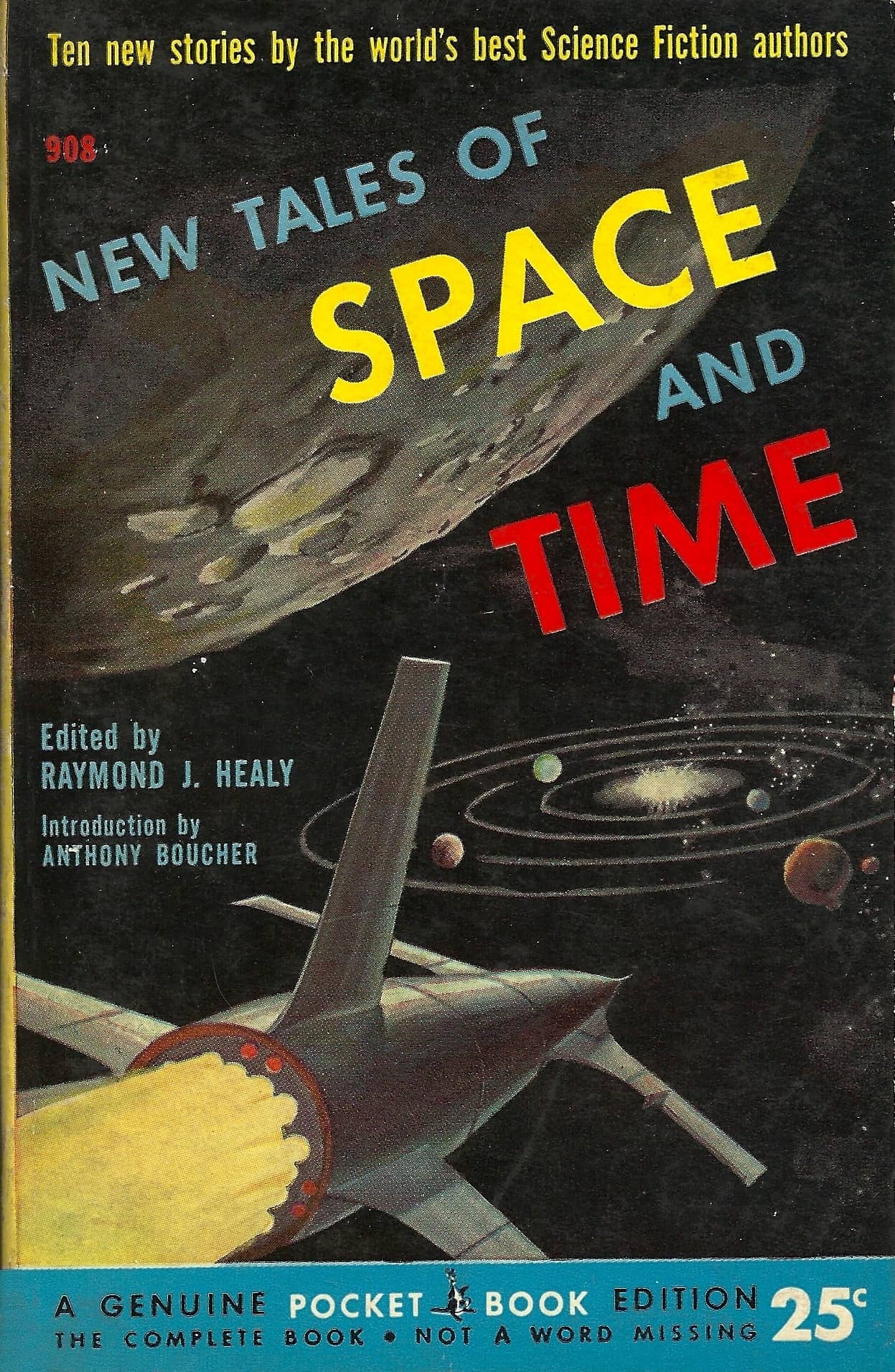
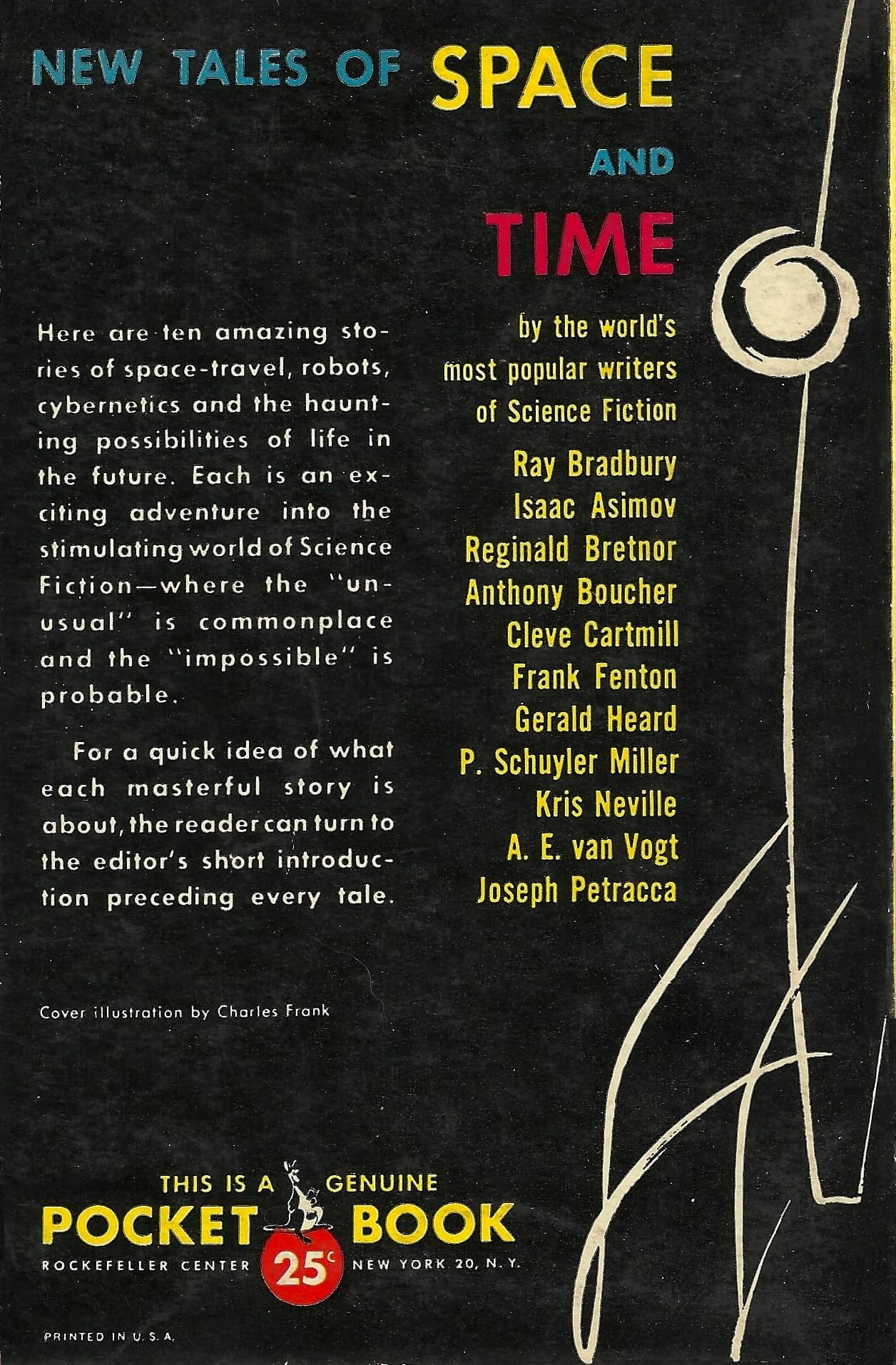
Vintage Treasures: New Tales of Space and Time, edited by Raymond J. Healy

Vintage Treasures: New Tales of Space and Time, edited by Raymond J. Healy

New Tales of Space and Time-small New Tales of Space and Time-back-small

Raymond J. Healy is one of the most important editors in the history of science fiction. Although he has a scant four books to his credit, he did as much to popularize and establish the field as editors with dozens more. His first book, Adventures in Time and Space (1946), edited with J. Francis McComas, is arguably the most important SF anthology of the Twentieth Century. Although it wasn’t the first true SF anthology (that honor belongs to Donald A. Wollheim’s The Pocket Book of Science-Fiction, 1943), it was enormously successful, and that success paved the way for the SF reprint anthology market as we know it today.

Before Healy and McComas, no major publisher would take a risk on the unproven genre of science fiction, which at the time was the province of low-paying pulp magazines. Adventures in Time and Space, a massive 1,013-page survey volume which reprinted the best early science fiction from Astounding Science Fiction and other magazines, found its way into libraries and schools across the country, and remained in print for decades. Its success virtually created the SF reprint anthology, which brought countless writers into permanent editions for the first time, and introduced them to a host of new readers. In 1952 the readers of Astounding/Analog voted Adventures in Time and Space the All-Time Best Book, beating out Slan, The Green Hills of Earth, and The Martian Chronicles.

After his enormous success with Adventures in Time and Space, Healy made one more major innovation. Instead of filling his next book with reprints, he bought brand new stories from the top writers in the field — and in the process invented the original science fiction anthology. The result was New Tales of Space and Time (1951). He did it again three years later with 9 Tales of Space and Time (1954). Both books were successful… and needless to say, highly influential, spawning thousands of imitators through the decades.

Read More Read More

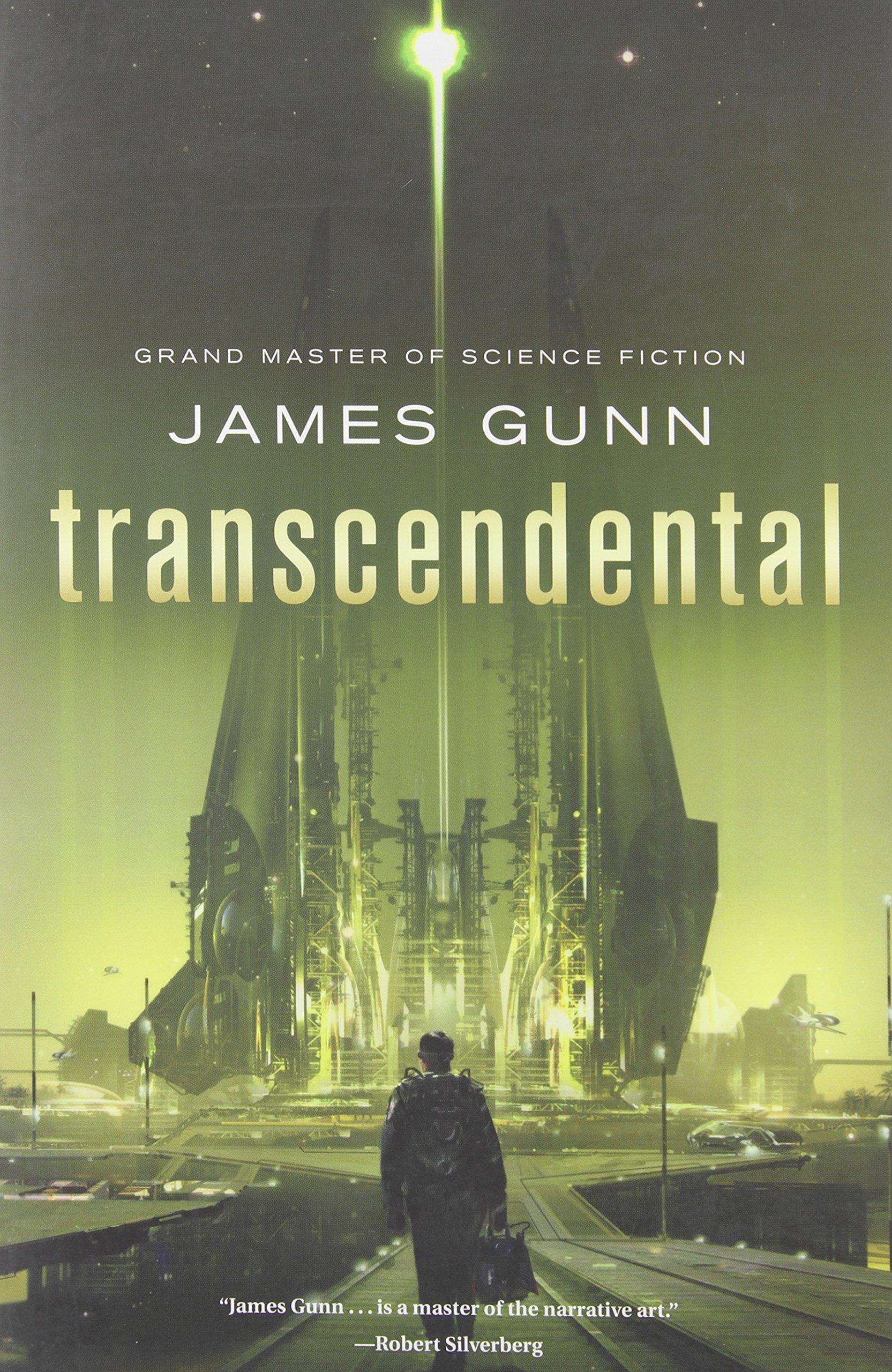
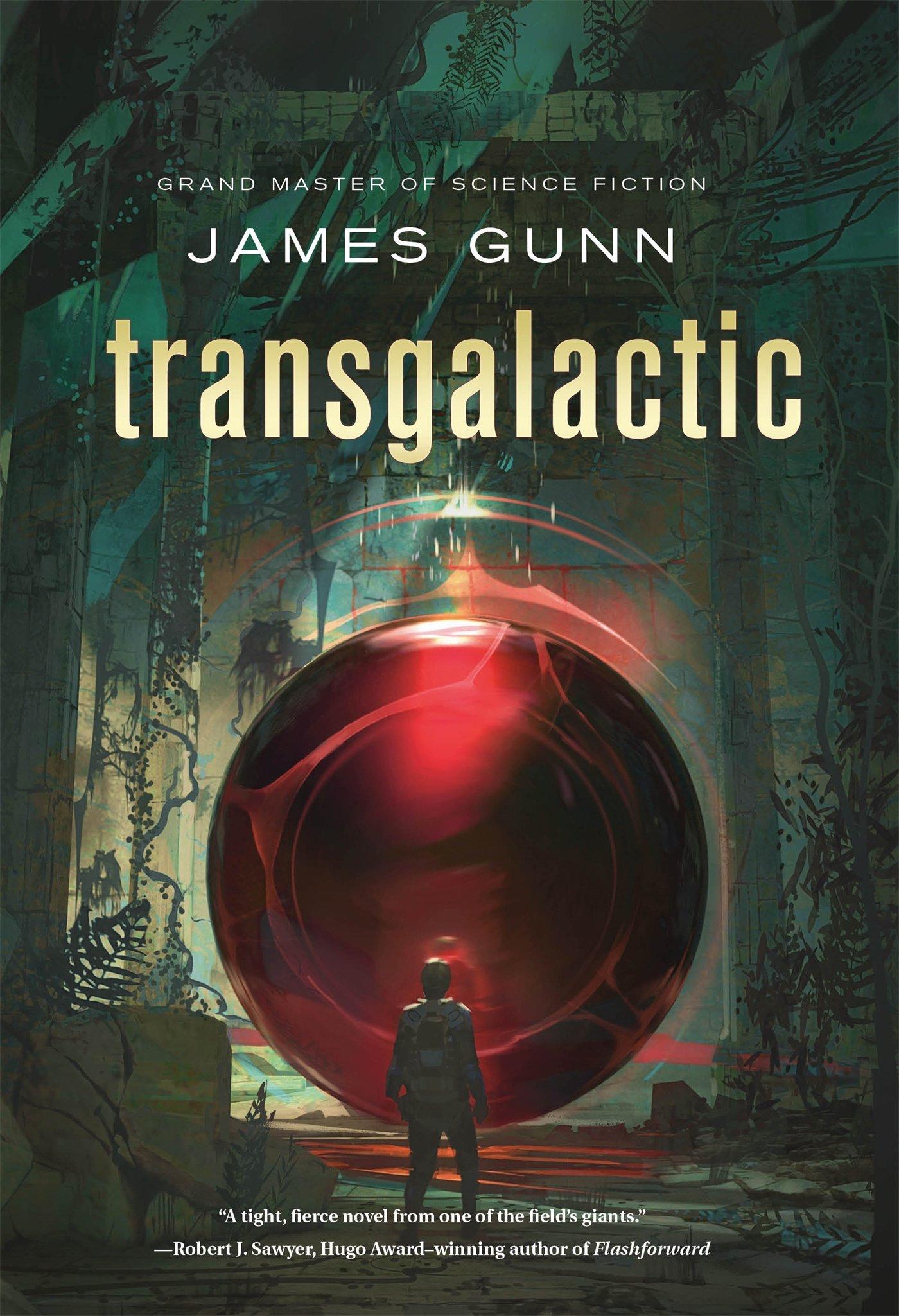
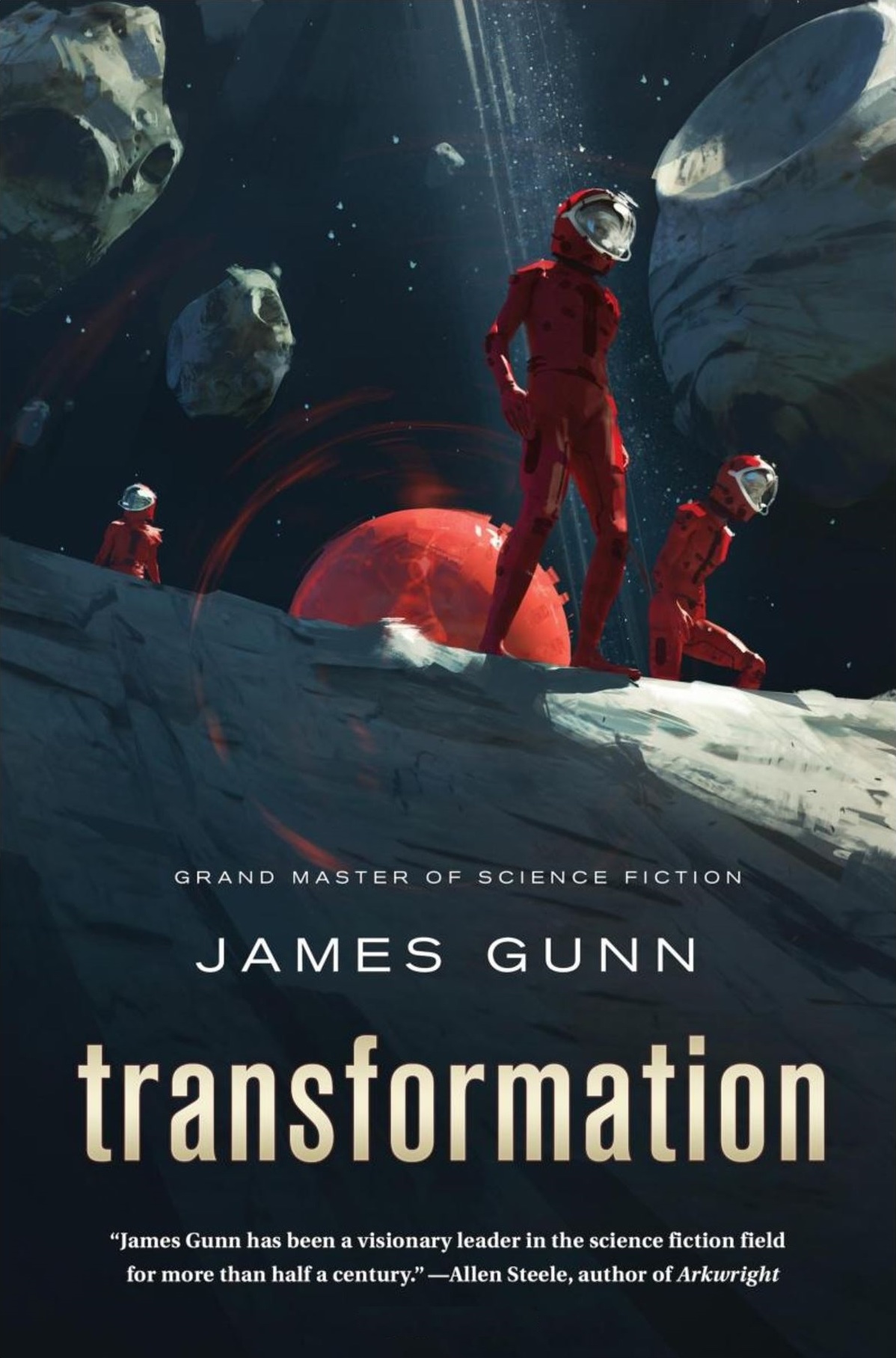
An Old-Fashioned Space Opera: The Transcendental Machine Trilogy by James Gunn

An Old-Fashioned Space Opera: The Transcendental Machine Trilogy by James Gunn

Transcendental James Gunn-small Transgalactic James Gunn-small Transformation James Gunn-small

I settled in with the latest issue of Asimov’s Science Fiction last week, and noticed something unusual… it had two stories by James Gunn, both set in his Transcendental universe, the setting for his novels Transcendental, Transgalactic and the newly-released Transformation. In the comments on my Asimov’s piece Amy Bisson pointed out that it was Gunn’s birthday, and when I went to confirm that, Wikipedia casually informed me he was 94 years old… 94 and still writing cutting edge hard SF! The field hasn’t seen anything like that since Jack Williamson (who won a Hugo at the age of 92, and died in 2006 at the age of 98).

Interestingly, Gunn was one of Jack Williamson’s collaborators. They wrote Star Bridge together in 1955. Like Williamson, Gunn began his career in the pulps, selling his first stories to Startling Stories and Thrilling Wonder Stories in 1949. His first novels, including Star Bridge and This Fortress World, were published by Gnome Press in 1955. Carl Sagan called his 1972 novel The Listeners, runner-up for the first annual John W. Campbell Memorial Award, “one of the very best fictional portrayals of contact with extraterrestrial intelligence ever written.” In 1996, he novelized Theodore Sturgeon’s famed unproduced Star Trek script The Joy Machine. As an editor he’s best known for his monumental six-volume Road to Science Fiction anthology series, and he won the Hugo Award in 1983 for his non-fiction book Isaac Asimov: The Foundations of Science Fiction. He became SFWA’s 24th Grand Master in 2007, and he was inducted into the Science Fiction and Fantasy Hall of Fame in 2015.

Read More Read More

Future Treasures: A Man of Shadows by Jeff Noon

Future Treasures: A Man of Shadows by Jeff Noon

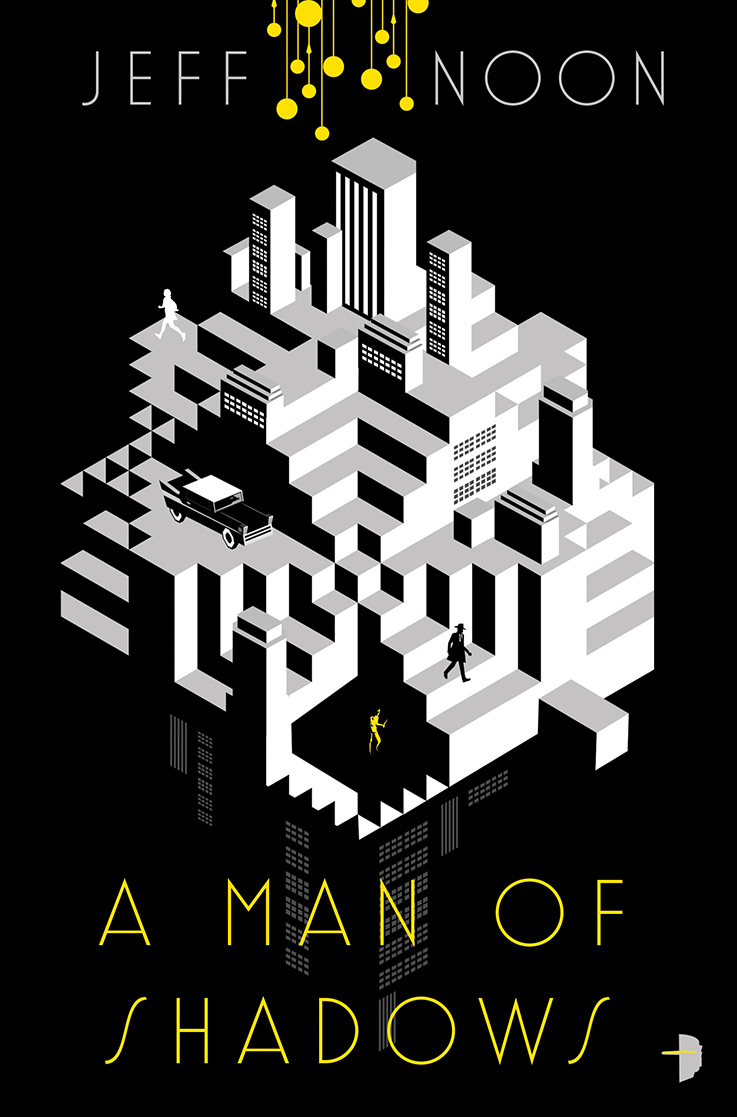
A Man of Shadows Jeff Noon-smallJeff Noon is something of a legend among SF fans, chiefly for the breakout success of his audacious Vurt trilogy (Vurt, Pollen, Nymphomation). His latest is completely different, a science fiction noir thriller about a PI who takes on the case of a missing girl in an inverted city. I doubt any description I can come up with would do it justice… instead, here’s Noon’s comments on the Q*bert-inspired cover by Will Staehle.

I was truly excited when I first saw the cover design for A Man Of Shadows. Will Staehle has caught the essence of the novel: the noir atmosphere, the loneliness of the characters, the nature of the invented city with its mirrored images of light and dark, and the Escher-like labyrinth that my private eye hero is trapped within. The story is set in an alternative 1959, and the cover captures both the period feel as well as the more fantastical elements of the book. I couldn’t ask for a better design. It’s perfect!

See the complete cover reveal at Tor.com. Here’s the book description.

Below the neon skies of Dayzone – where the lights never go out, and night has been banished – lowly private eye John Nyquist takes on a teenage runaway case. His quest takes him from Dayzone into the permanent dark of Nocturna.

As the vicious, seemingly invisible serial killer known only as Quicksilver haunts the streets, Nyquist starts to suspect that the runaway girl holds within her the key to the city’s fate. In the end, there’s only one place left to search: the shadow-choked zone known as Dusk.

A Man of Shadows will be published by Angry Robot on August 1, 2017. It is 352 pages, priced at $14.99 in trade paperback and $6.99 for the digital edition. The cover is by Will Staehle (and you know I’m right about Q*bert). It is the first book in the John Nyquist series.

See all our coverage of the best upcoming fantasy and SF here.

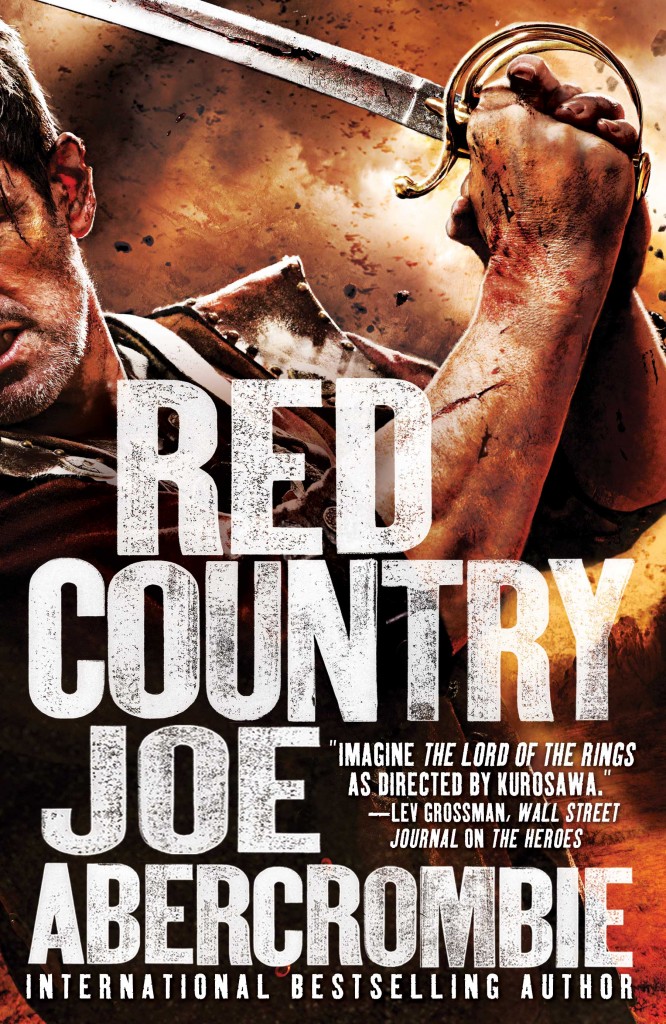
In 500 Words or Less: Red Country by Joe Abercrombie

In 500 Words or Less: Red Country by Joe Abercrombie

Red Country by Joe Abercrombie-smallRed Country
By Joe Abercrombie
Orbit (480 pages, $16.00 paperback, $9.99 eBook, October 2013)

One of my earlier reviews here focused on Best Served Cold, the first standalone novel in Joe Abercrombie’s First Law world (but the fourth overall, for anyone playing the home game). You might remember that I was a little disappointed, but I still gave Abercrombie’s second standalone, The Heroes, a chance and was pleasantly surprised. Recently I cracked open the third (and most recent) of these standalone novels, Red Country – and though I was a little nervous at the beginning of the novel, I’ve decided this might be the best First Law of them all.

Since it was stated in a lot of promos for the book, I don’t think it’s a spoiler to say that Red Country presents the return of Logen Ninefingers, the conflicted and half-mad barbarian who was among the First Law trilogy’s stars. Presumed dead, the “Bloody-Nine” is living under an assumed name, though if you’re reading closely enough (and didn’t read the back cover) you’ll figure out in the first chapter who the cowardly “Lamb” really is. This was where I started to get worried, and decided that if Abercrombie was going to play some game at trying to be subtle with Lamb’s true identity, my review here would be very different.

But Abercrombie isn’t that kind of writer. Instead, Logen’s attempts to keep his past and his worse nature at bay becomes a key focus of the book, elegantly constructed in his interactions with the novel’s other characters, as the reader wonders when his loved ones will get the full story. The brief mentions of characters and events in previous books, and the moments when other characters admit that they know exactly who Logen is, are woven in expertly without certain names ever being mentioned.

Read More Read More

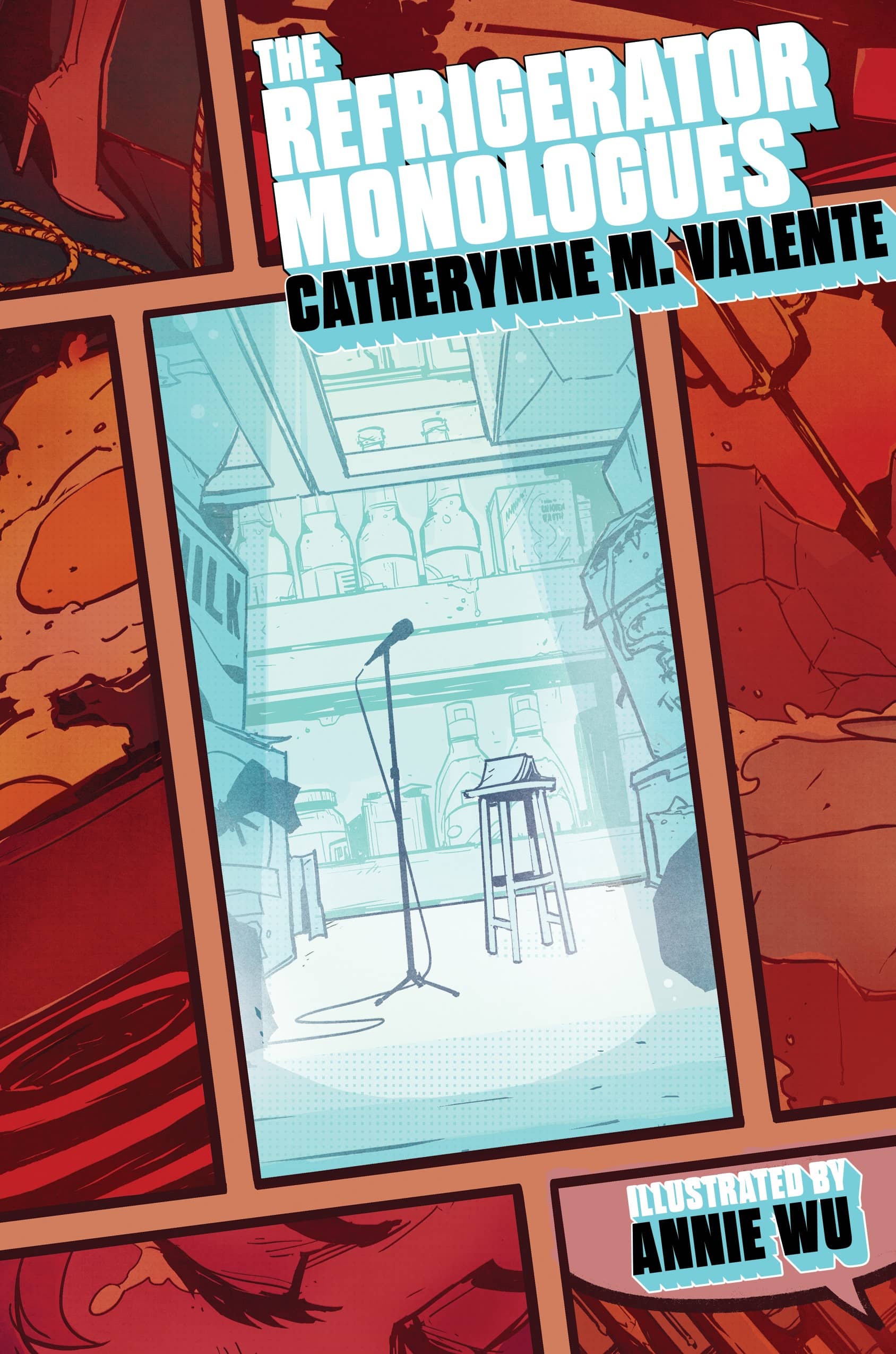
A Kick-ass Female Perspective on Comics That’s Disturbingly Close to Real-Life: The Refrigerator Monologues by Catherynne M. Valente

A Kick-ass Female Perspective on Comics That’s Disturbingly Close to Real-Life: The Refrigerator Monologues by Catherynne M. Valente

the-refrigerator-monologues-smallThe Wonder Woman movie has received considerable buzz for depicting an interesting lead female character who actually has a personality, is not dependent on some guy to come to her rescue and truly is the star attraction; it even has a female director. It’s enough to make you forgive the silly and at this point yawn inducing CGI pyrotechnics between good and evil ending that is apparently sacrosanct in these sort of flicks. Look, I enjoyed the movie, but for all its merits it’s still a sad commentary of our times that Wonder Woman is considered somehow ground breaking. Problem is, compared to the latest crop of superhero movies (maybe even movies in general) the bar isn’t set very high.

You want some real kick-ass female perspective on the comic book world that’s disturbingly close to real-life? Check out The Refrigerator Monologues by Catherynne M. Valente. This is a series of short stories set in shared alternate comic book universe (with characters such as Grimdark and Kid Mercury and Doctor Nocturne evoking various Marvel and DC Comics personages) linked by a sort of AA session in which deceased women (with one exception who for her own reasons hangs out among the unliving) take turns explaining how they ended up in Deadtown, i.e., thanks to some male superhero or supervillian exploit.

The title of the collection is a take-off of The Vagina Monologues — the Eve Ensler play about sex and body image told from the perspectives of a variety of women representing different ethnic, sexual and class identities — and comic book writer Gail Simone’s observation that comic book women are typically hypersexualized for a male audience and often end up “refrigerated” — killed, disabled, or otherwise rendered marginalized or powerless in order to advance a male character’s storyline. Indeed, in “Happy Birthday, Samantha Dane” the title character literally ends up in a refrigerator. (And, by the way, is just one of many great comic book kind of names that Valente invents for her cast of characters. Also by the way, it’s worth noting that in Wonder Woman a male character dies to advance our heroine’s story — perhaps an intentional inversion of the refrigerator motif?)

Read More Read More