Browsed by
Category: Books

Birthday Reviews: Stephen Goldin’s “The Last Ghost”

Birthday Reviews: Stephen Goldin’s “The Last Ghost”

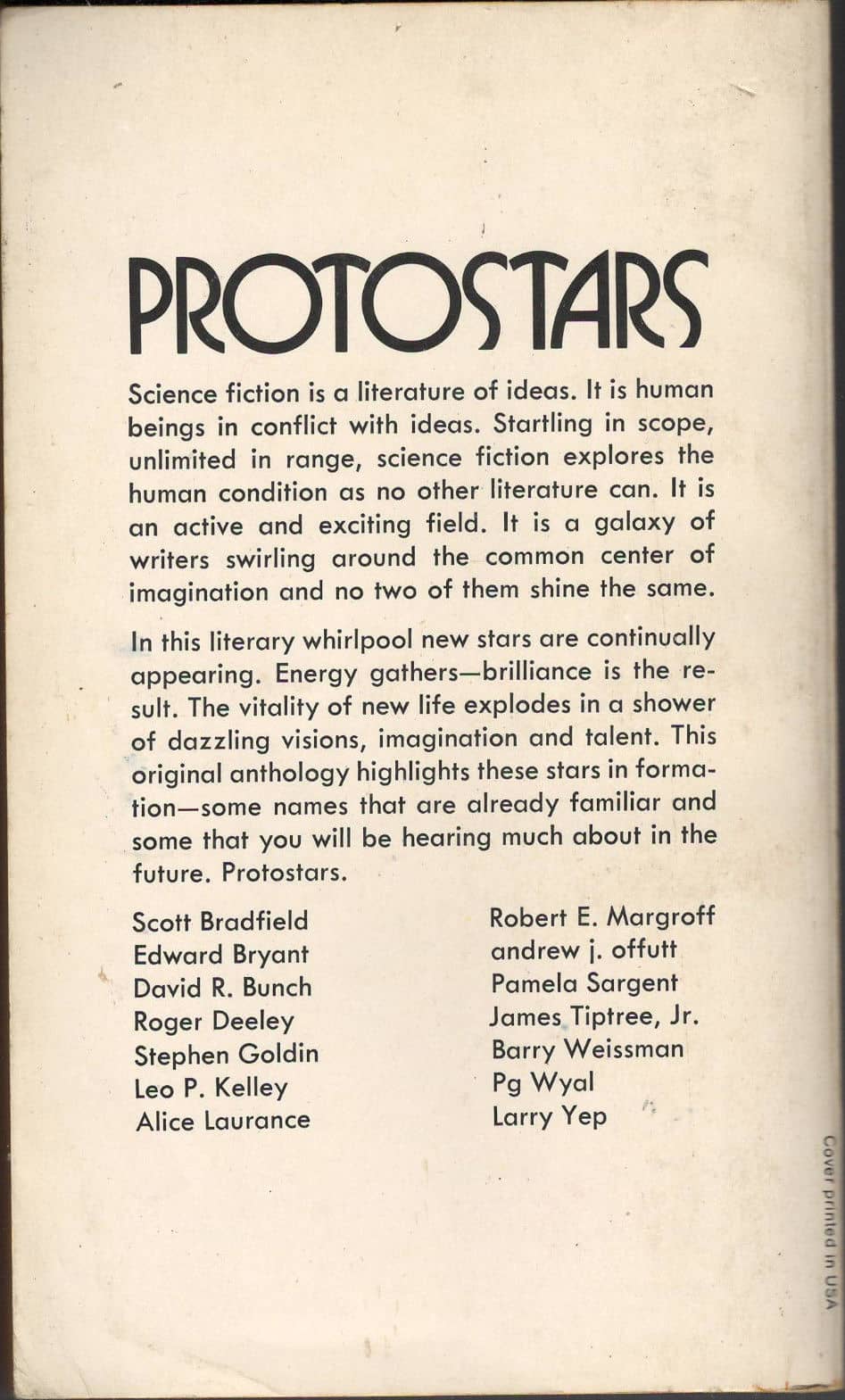
Protostars-small Protostars-back-small

Cover by Gene Szafran

Stephen Goldin was born on February 28, 1947. Prior to becoming a science fiction author, Goldin earned a degree in astronomy and worked as a civilian space scientist for the US Navy.

Beginning in 1976, Goldin wrote the Family d’Alembert novels, based on a novella by E.E. “Doc” Smith. He followed that series up with the Parsina Saga and wrote the two volume Rehumanization of Jade Darcy series in collaboration with his second wife, Mary Mason.

He co-edited the anthology Protostars with David Gerrold and edited the anthology The Alien Condition solo. Goldin also collaborated with his first wife, Kathleen Sky, on both fiction and non-fiction. He received a Nebula nomination for his short story “The Last Ghost” in 1972.

“The Last Ghost” originally appeared in the 1971 anthology Protostars, edited by David Gerrold and Stephen Goldin. Lloyd Biggle, Jr. reprinted it in Nebula Award Stories Seven. Goldin included it in two of his collections, The Last Ghost and Other Stories and Ghosts, Girls, & Other Phantasms. It has been translated into French twice and German twice.

Goldin looks at a distant future in which immorality of a sort has been achieved by downloading people’s consciousness into machines. His two characters, which he arbitrarily designates as male and female, have both been downloaded into a computer for several thousand years.

Read More Read More

A Demanding Work that Sings all the Stronger in 2018: The Queen of Air and Darkness by T.H. White

A Demanding Work that Sings all the Stronger in 2018: The Queen of Air and Darkness by T.H. White

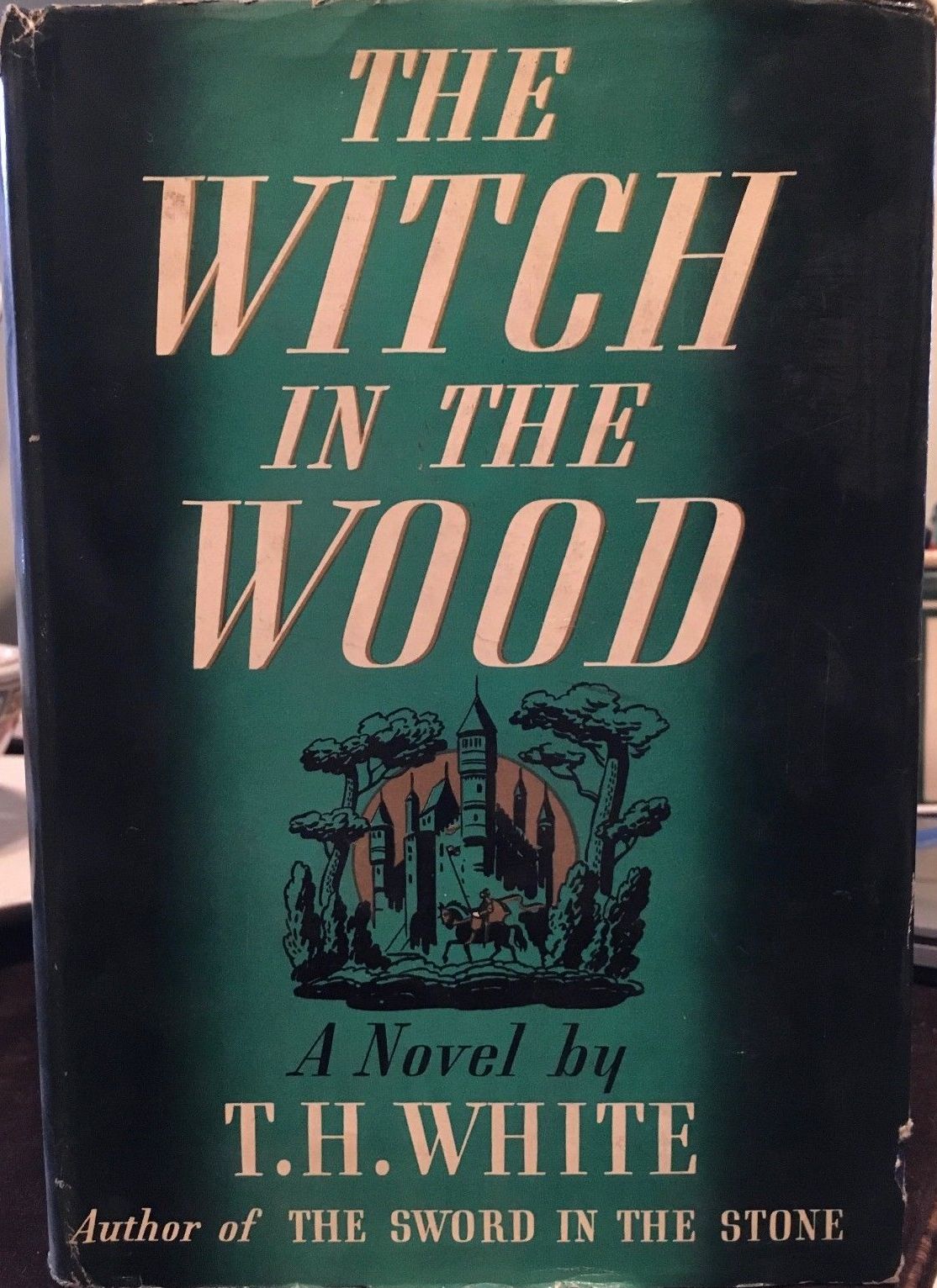
The Witch in the Wood-small The Witch in the Wood-back-small

In my early teens, I discovered and devoured T.H. White’s omnibus quartet of novels, The Once and Future King. The first and most child-like remains the best known: The Sword in the Stone. After this, and unjustly neglected (by Disney and the world in general), come The Queen of Air and Darkness, The Ill-Made Knight, and The Candle In the Wind.

In my later teen years, I concluded that The Once and Future King, taken as a whole, was the single best novel I had ever read. Having reached the ripe old age of fifty, it’s time to re-evaluate. Is White’s work still worth its weight in gold?

Perhaps you recall Book One, in which the young King Arthur, known affectionately as the Wart, meets Merlyn, gambols through a lifetime’s worth of transformational adventures, and draws a certain sword from a stone. Hysterically funny, dreamy and given to long flights of fancy about hawks and birds, The Once and Future King still works genuine magic, even when its digressions and mood swings threaten to topple the whole everything-plus-the-kitchen-sink mess into a stew of narrative anarchy.

In short, it’s a full meal and then some, and I, along with fantasy lovers the world over, adore it still. (Ursula K. LeGuin, R.I.P., lent her opinion to one edition’s jacket copy, saying, “I have laughed at White’s great Arthurian novel and cried over it and loved it all my life.”) Yet, many seem unaware that the cycle, tracing Thomas Mallory’s Le Morte d’Arthur, continues.

Book Two began life as The Witch in the Wood, and arrived in print in 1939, just as the world fell off a precipice it hadn’t seen coming, and descended into a darkness from which it is still fighting to recover. Revised and expanded, The Witch in the Wood became The Queen of Air and Darkness, and no book better upholds the argument for valuing a work as the sum of its discordant parts.

Read More Read More

New Treasures: The Throne of Amenkor by Joshua Palmatier

New Treasures: The Throne of Amenkor by Joshua Palmatier

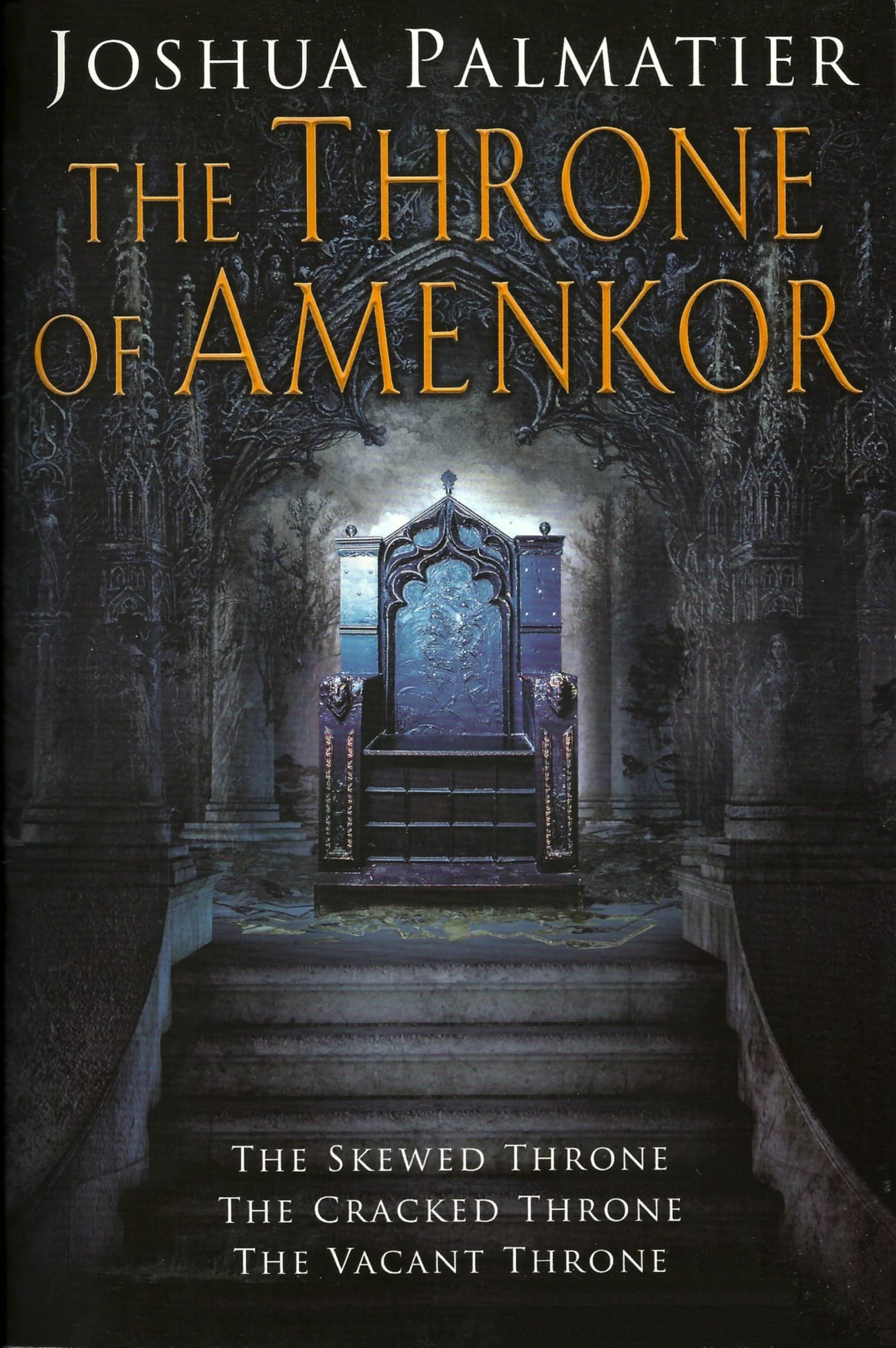
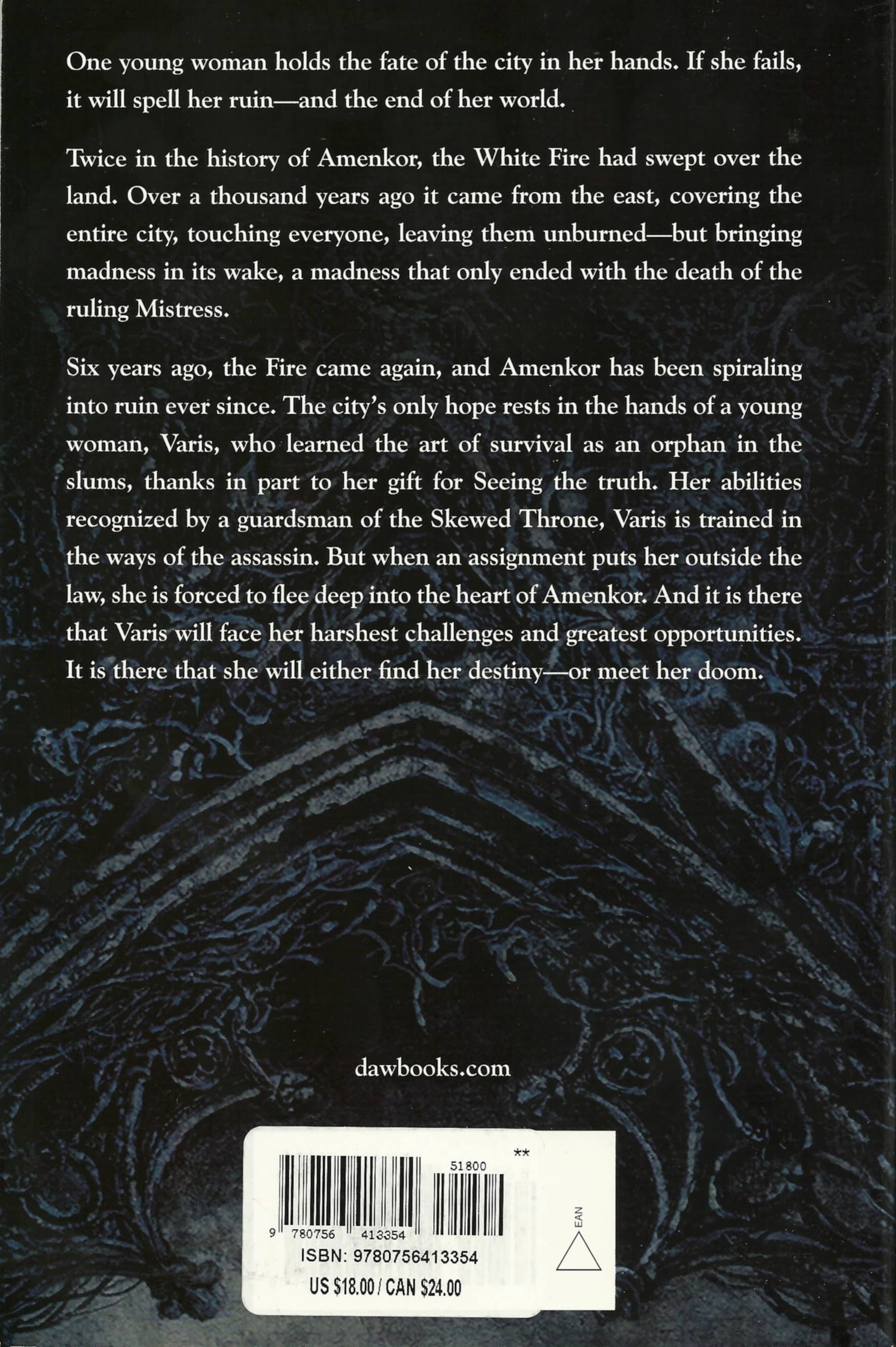
The Throne of Amenkor Joshua Palmatier DAW-small The Throne of Amenkor Joshua Palmatier DAW-back-small

Joshua Palmatier is a high-energy guy. I wrote about his science fictional Ley Trilogy last year, and I backed his 2017 Kickstarter for the Guilds & Glaives anthology because it contains stories by no less than four Black Gate authors: David B. Coe, James Enge, Howard Andrew Jones, and Violette Malan.

That ought to be enough from one guy to satisfy even the most demanding readers. So I was surprised to find a fat 840-page volume from Palmatier during my last trip to Barnes & Noble: The Throne of Amenkor. It turns out to be an omnibus reprint collecting three of his early fantasy novels:

The Shewed Throne (384 pages, $8.99 in paperback, January 3, 2006)
The Cracked Throne (400 pages, $7.99 in paperback, November 7, 2006)
The Vacant Throne (480 pages, $8.99 in paperback, January 2, 2008)

All three were published in hardcover by DAW, and are still in print in mass market paperback a decade later — an impressive feat. K. Tang and Charlene Brusso reviewed them enthusiastically for Black Gate, but I never had the chance to enjoy them myself. I already have a handful of Joshua Palmatier novels sitting on my nightstand, and an anthology on the way, but I’m a sucker for these big omnibus editions from DAW and I ended up bringing The Throne of Amenkor home with me anyway.

Read More Read More

A Wrinkle in Time by Madeline L’Engle

A Wrinkle in Time by Madeline L’Engle

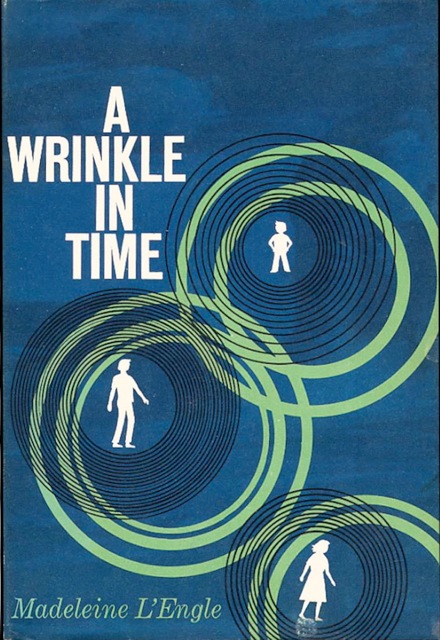
A Wrinkle in Time-smallGiven to me by the same friend who told me about A Wizard of Earthsea, Madeline L’Engle’s A Wrinkle in Time (1962) is another of the books that introduced me to fantasy and science fiction. The novel is a mix of science fiction, fantasy, and good dose of Christianity, and is completely unbound by any rules or expectations about genre. A children’s book, it is also an artifact of a time when fantasy wasn’t primarily a commercial designation. There’s a freshness to the book all these years later, and rereading it was an absolute joy.

Meg Murry is the fourteen-year-old daughter of scientists, and sister to twins Sandy and Denys and the strange, brilliant five-year-old Charles Wallace. Her father, employed by the government, has been missing for some time before the book’s opening, and there has been no word about what happened to him.

In her own eyes Meg is gawky and ugly, made so by her “mouse-brown” hair, glasses, and “teeth covered with braces.” Her self-impression and her worry over her father’s disappearance have caused her to become a poor student. Her principal, a man unsympathetic to her worry to the point of telling her she needs to “face the facts” about her father (implying he’s never returning), warns her she’s in danger of having to repeat ninth grade.

Read More Read More

Future Treasures: Dayfall by Michael David Ares

Future Treasures: Dayfall by Michael David Ares

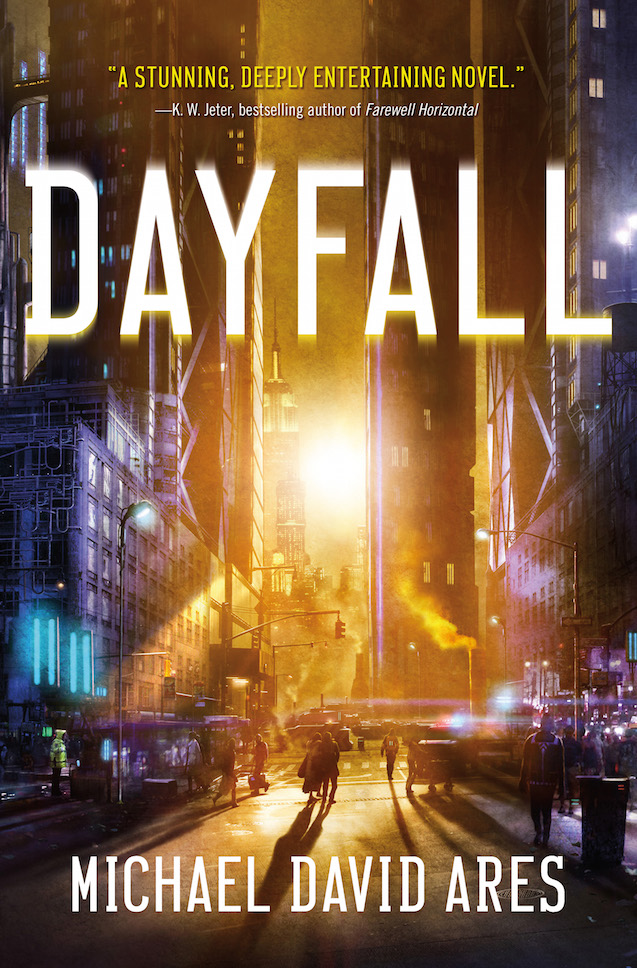
Dayfall Michael David Ares-smallReading between the lines of Michael David Ares’ bio, it sounds like he’s a successful ghostwriter who is finally striking out with a novel of his own. Dayfall has a distinct Blade Runner vibe, and in fact Tor is strongly playing up that angle. The preliminary cover design (right) has a cover blurb from KW Jeter, while the final copy I currently hold in my hot little hands uses the same blurb, but prominently credits Jeter as the author of Blade Runner: Replicant Night. On the back cover is the following quote from Amy Lignor, author of Tallent & Lowery:

A novel that brings Blade Runner to mind. Dayfall is strong, intense and beyond memorable.

The comparison to Blade Runner seems apt enough, I suppose, although Dayfall has its own unique premise. Here’s the description.

FEAR THE DAY

In the near future, patches of the northern hemisphere have been shrouded in years of darkness from a nuclear winter, and the water level has risen in the North Atlantic. The island of Manhattan has lost its outer edges to flooding and is now ringed by a large seawall.

The darkness and isolation have allowed crime and sin to thrive in the never-ending shadows of the once great city, and when the sun finally begins to reappear, everything gets worse. A serial killer cuts a bloody swath across the city during the initial periods of daylight, and a violent panic sweeps through crowds on the streets. The Manhattan police, riddled with corruption and apathy, are at a loss.

That’s when the Mayor recruits Jon Phillips, a small-town Pennsylvania cop who had just single-handedly stopped a high-profile serial killer in his own area, and flies him into the insanity of this new New York City. The young detective is partnered with a shady older cop and begins to investigate the crimes amidst the vagaries of a twenty-four hour nightlife he has never experienced before. Soon realizing that he was chosen for reasons other than what he was told, Jon is left with no one to trust and forced to go on the run in the dark streets, and below them in the maze of the underground. Against all odds he still hopes that he can save his own life, the woman of his dreams, and maybe even the whole city before the arrival of the mysterious and dreaded event that has come to be known as…. DAYFALL.

Dayfall will be published by Tor Books on March 13, 2018. It is 286 pages, priced at $25.99 in hardcover and $13.99 for the digital version. The cover is by Paul Youll. Read the complete first chapter here.

When Immortals Die: The Arc of a Scythe Series by Neal Shusterman

When Immortals Die: The Arc of a Scythe Series by Neal Shusterman

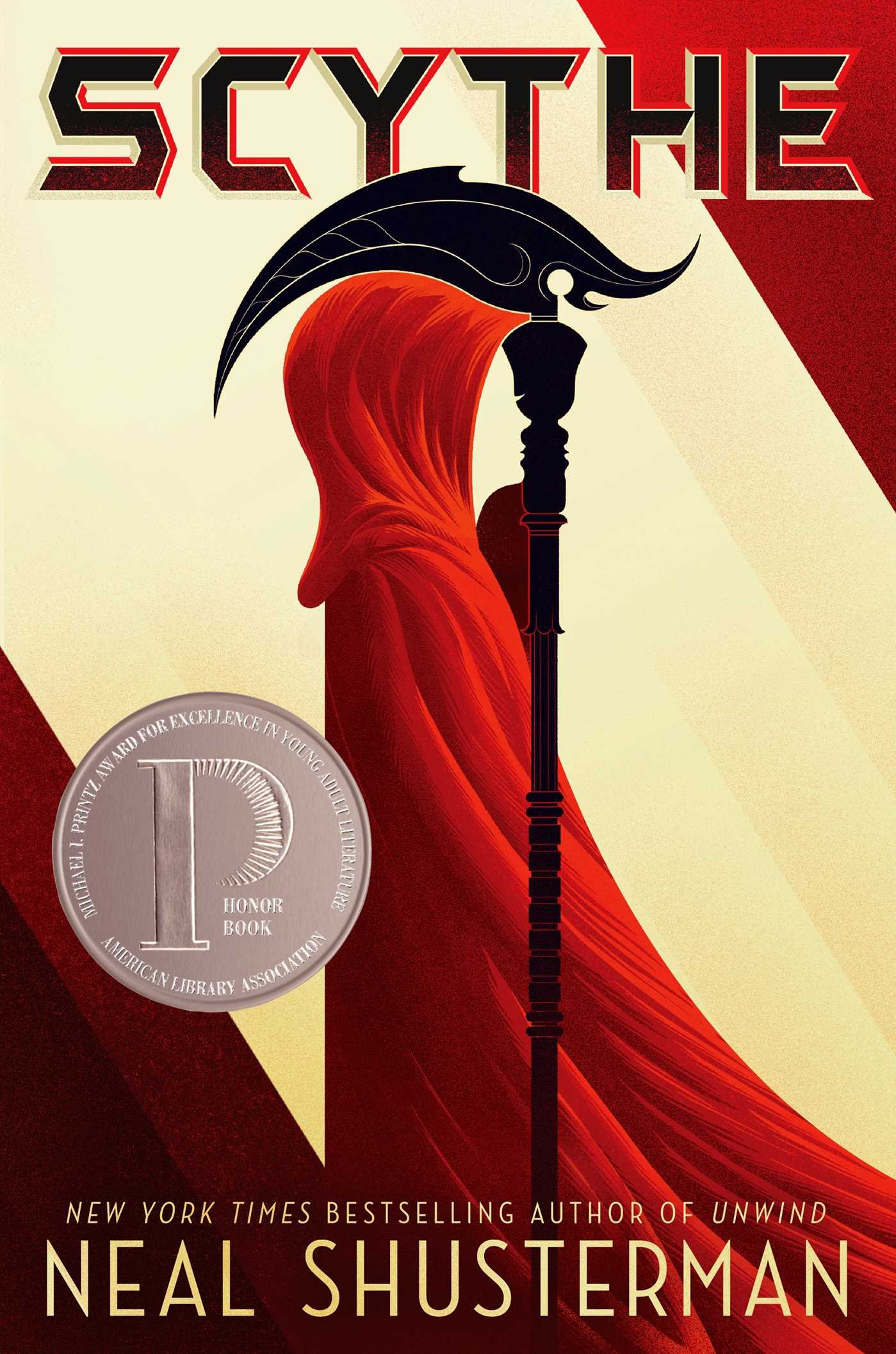
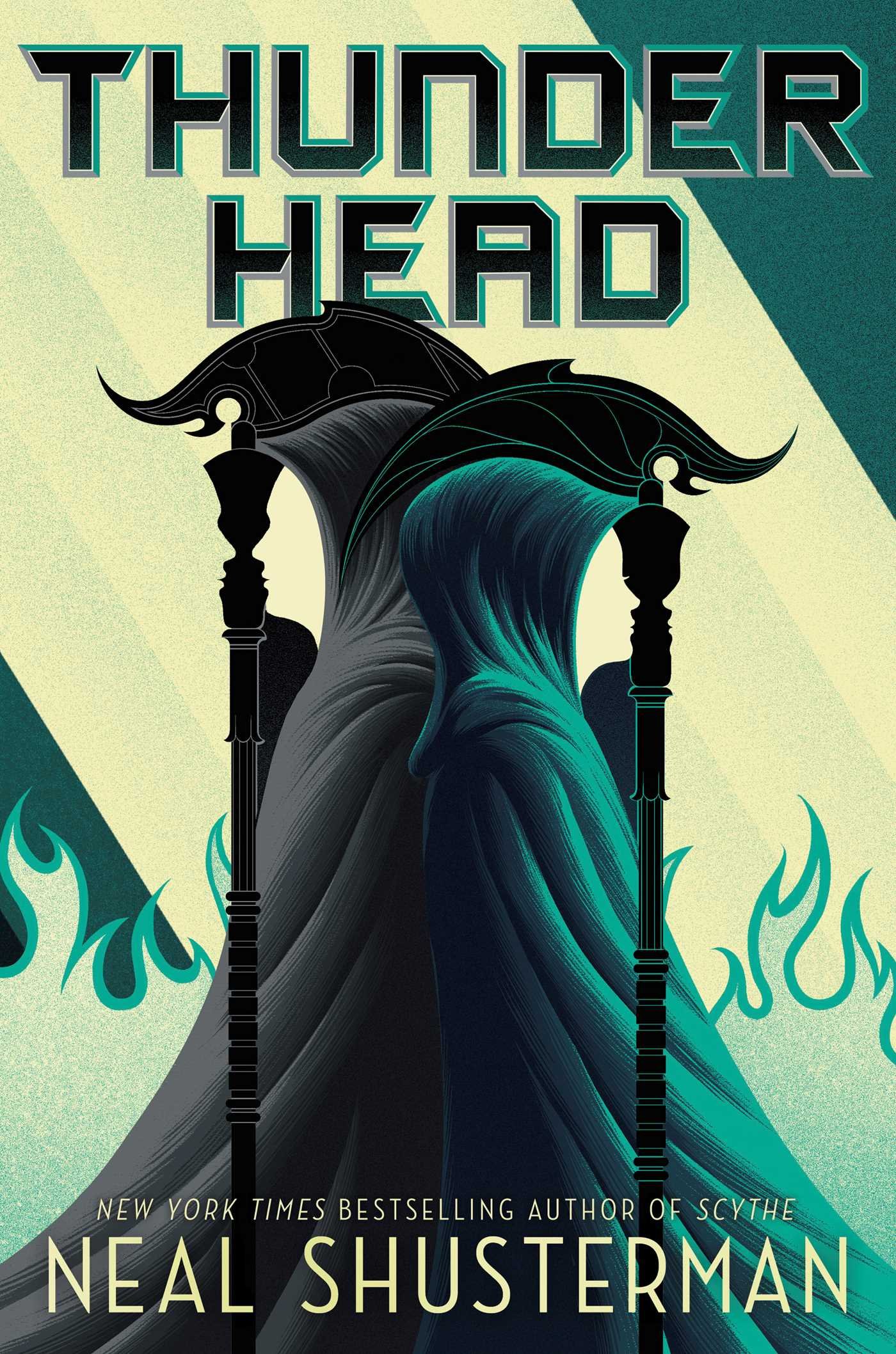
Scythe Neal Shusterman-small Thunderhead Neal Shusterman-small

Neal Shusterman is the author of dozens of books for young readers, including The Dark Side of Nowhere, The Shadow Club, The Star Shards Chronicles, The Skinjacker Trilogy, and the Unwind Dystology. His latest series, set in a far-future world of eternal life, where teenagers train to become sanctioned killers to control the population, began with Scythe in 2016 . Here’s Kirkus Reviews on the opening novel.

On post-mortal Earth, humans live long (if not particularly passionate) lives without fear of disease, aging, or accidents. Operating independently of the governing AI (called the Thunderhead since it evolved from the cloud), scythes rely on 10 commandments, quotas, and their own moral codes to glean the population. After challenging Hon. Scythe Faraday, 16-year-olds Rowan Damisch and Citra Terranova reluctantly become his apprentices. Subjected to killcraft training, exposed to numerous executions, and discouraged from becoming allies or lovers, the two find themselves engaged in a fatal competition but equally determined to fight corruption and cruelty… Elegant and elegiac, brooding but imbued with gallows humor, Shusterman’s dark tale thrusts realistic, likable teens into a surreal situation and raises deep philosophic questions. A thoughtful and thrilling story of life, death, and meaning.

The second volume in the series, Thunderhead, arrived last month. It was published by Simon & Schuster on January 9, 2018. It is 504 pages, priced at $18.99 in hardcover and $10.99 for the digital edition. The cover is by Kevin Tong. Read an excerpt at Entertainment Weekly.

Birthday Reviews: A.M. Dellamonica’s “A Key to the Illuminated Heretic”

Birthday Reviews: A.M. Dellamonica’s “A Key to the Illuminated Heretic”

Cover by Jeff Easley

A.M. (Alyxandra Margaret) Dellamonica was born on February 25, 1968. She began publishing short fiction in 1994 and published her first novel, Indigo Springs, the first novel in a duology, in 2009.

From 2014-2016, she published the Hidden Sea trilogy, beginning with Child of a Hidden Sea and continuing with A Daughter of No Nation and The Nature of a Pirate. With Steve Berman, Dellamonica edited Heiress of Russ 2016: The Year’s Best Lesbian Speculative Fiction.

Dellamonica won the Sunburst Award for Indigo Springs and the Aurora Award for A Daughter of No Nation. She has one other Aurora nomination and has also received nominations for the Lambda Award for novel and the Gaylactic Spectrum Award for short fiction.

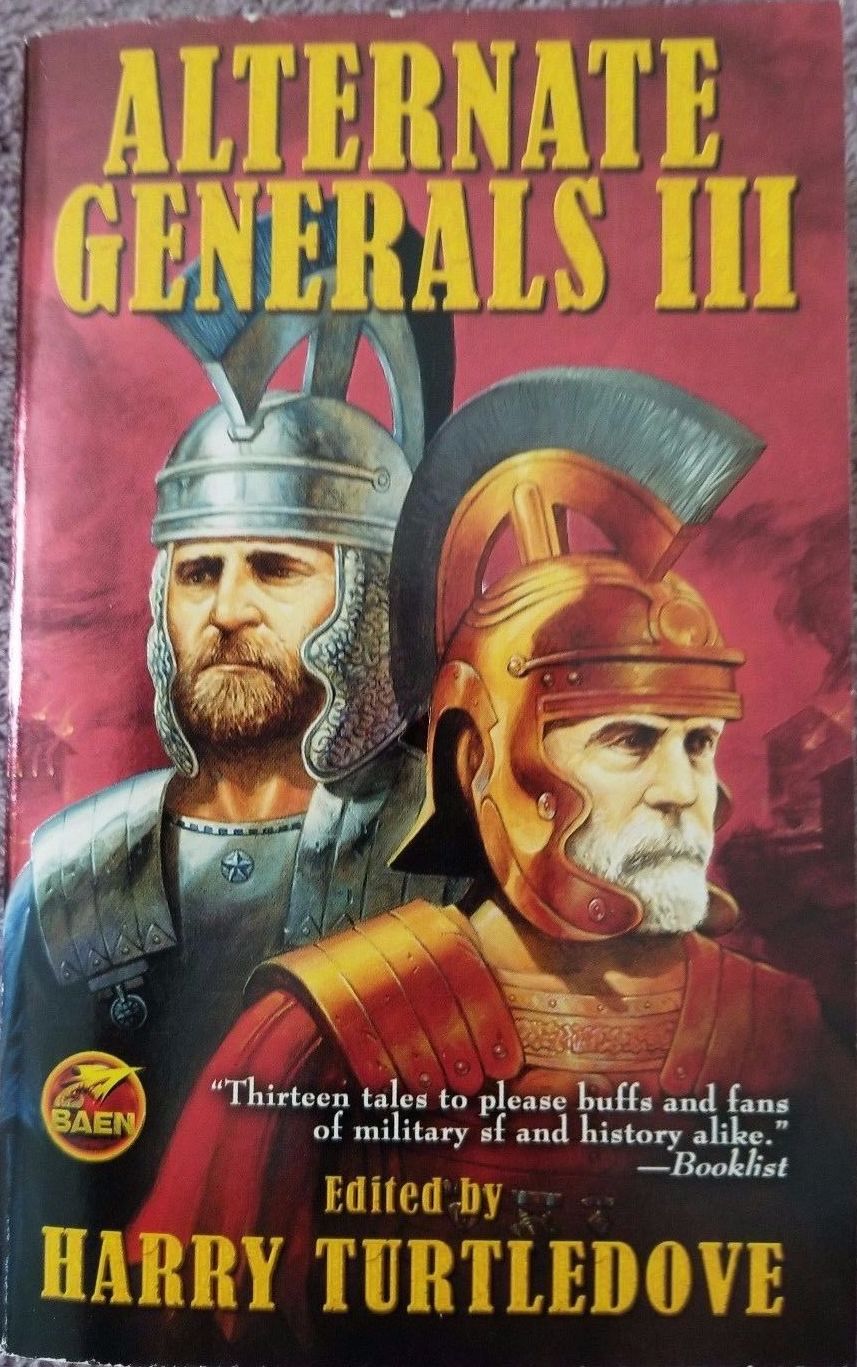
“A Key to the Illuminated Heretic” was original published in Alternate Generals III, edited by Harry Turtledove in 2005. It was nominated for the Sidewise Award for Alternate History. Dellamonica later published the story in an e-chapbook.

A.M. Dellamonica creates a world in which Joan of Arc is not burned at the stake on May 30, 1431, instead surviving to continue to be a thorn in the side of not only King Henry VI on England and King Charles VI of France, but also of Pope Eugene IV, continuing her battle not only for the secular realm of France, but also in support of her own heretical sect of Christianity, the Listeners, who follow Joan and believe in her visions.

While much of the story describes her military escapes in France, the focus is really on her relationship with a young artist, Dulice Aulon, and the paintings she created of important moments in Joan’s life. Descriptions of these paintings are found throughout, as if written for an exhibit catalog, and the paintings described help illuminate the action that immediately follows.

Dellamonica notes that Joan was illiterate, which serves to heighten the importance of Aulon’s paintings. They are the way Joan’s story is spread to the masses, gaining Joan adherents who are willing to fight for Joan’s visions and vision for France and support her, particularly the city of Orleans, which Joan had rescued from siege prior to Dellamonica’s point of divergence.

Read More Read More

Green Girls and Planet Texas: The 70s Science Fiction of Zach Hughes

Green Girls and Planet Texas: The 70s Science Fiction of Zach Hughes

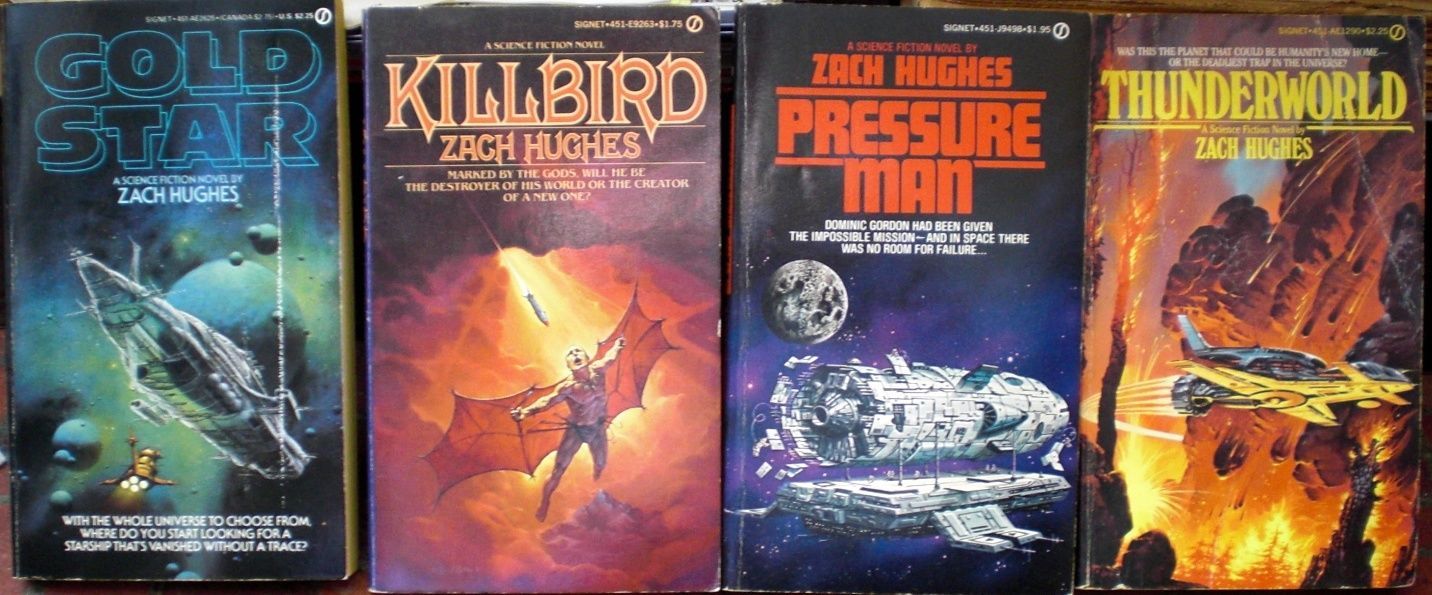
The novels of Zach Hughes-small

The Signet science fiction novels of Zach Hughes

Zach Hughes’ For Texas and Zed (1976) was one of the very first science fiction novels I ever read, at the tender age of twelve. I probably plucked it from the paperback spinner in the PX on Rockcliffe airbase in Ottawa in the fall of ’76, shortly after we arrived from Nova Scotia — the same place I bought A.E. van Vogt’s Slan a few weeks later. The description on the back of For Texas and Zed was precisely the kind of thing that would have appealed to me at the age of 12, even if I was a little vague on where Texas was, exactly.

Spacemen from Texas on Earth had settled this remote planet centuries ago. While the rest of the galaxy was being divided between two vast warring empires, Planet Texas preserved its independence, created its own unique civilization, developed its own advanced technology. But now all that Planet Texas was and all that it believed in were threatened, as the super-powers of space moved in for the kill.

I was still figuring out what science fiction was all about at the time. But even at 12, I knew For Texas and Zed wasn’t a very good novel (even if if did contain the very first sex scene I ever encountered, with a casual description of female nipples that’s still scorched into my brain four decades later). Slan proved to be a much better book, and I gladly searched out more by A.E. van Vogt. But I never read another Zach Hughes novel (though it’s possible I did furtively flip through them in book stores, on the lookout for the word “nipple.”)

Read More Read More

Beowulf: A New Telling — Almost Forgotten Childhood Classic

Beowulf: A New Telling — Almost Forgotten Childhood Classic

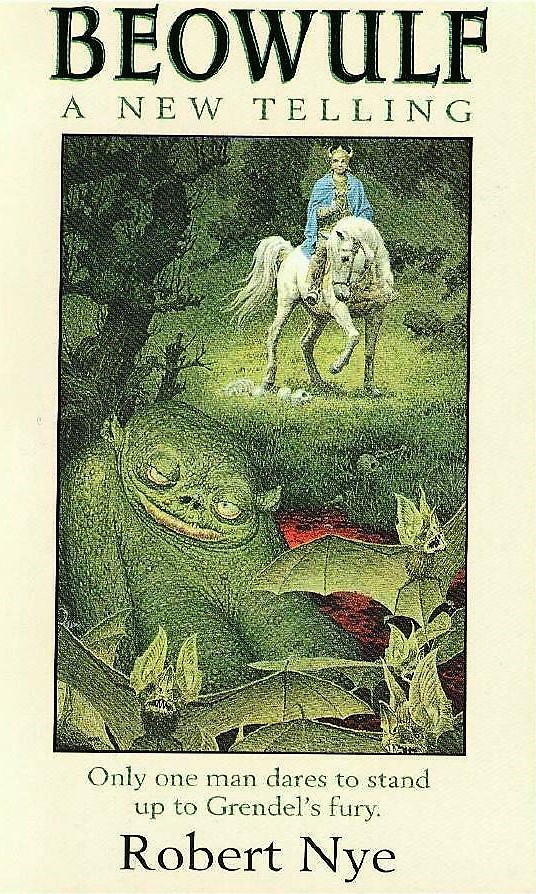
beowulf-new-telling-robert-nye-coverMy formative reading years in late elementary school, that Golden Age of preparation to become an adult reader, contains a row of perennial favorites to which I’ve frequently returned. Madeleine L’Engle, Lloyd Alexander, John Christopher, Zilpha Keatley Snyder, John Bellairs, Robert C. O’Brien’s Mrs. Frisby and the Rats of NIMH, and that’s only getting started. But for mysterious reasons, one book often slips through the cracks of memory, even though it had an enormous influence on my later interests in history, literature, and myth: Beowulf: A New Telling by Robert Nye. When I do recall it from the marshland of childhood memory, its prose and images are as vivid as any other juvenile book I embraced in fourth and fifth grade. The pictures it conjured in my mind are the ones I still see when reading the original poem. There’s no denying the quality of a work that had such a powerful effect on my conception of Beowulf.

When I recently picked up a copy of Nye’s book, I discovered it retains its potency as both a great story and a reflection of the magic of the actual poem. Some of Nye’ sentence structures are simplified for middle-grade readers, and his prose retelling can’t match the authenticity or allure of an Anglo-Saxon epic poem composed over twelve hundred years ago. But its achievement as a short novel version of Beowulf impressed me enough on this re-read that I want to buy cartons of it and ship them to elementary schools. Hey, you kids who like Harry Potter! Here’s a short fantasy book with three great monsters in it, and it’s super violent and gory, but that’s totally okay because it’s a version of the first classic of English poetry. It’s educational: your parents can’t stop you! (Okay, I won’t guarantee that last part …)

Beowulf: A New Telling was published in 1968, although it felt new when I first read it around 1982. A teacher had recommended the book to our class for extra credit and gave us a short summary of its background: a modern re-telling of a poem by an unknown author. The original was written in the foundling days of English, possibly the eighth century. I bought a copy at a school book fair, and my blood thrilled at the haunting cover: the hero astride a horse, riding into a damp fen aflutter with bats, the monster Grendel (or perhaps Grendel’s Mother) lurking in the corner waiting for him.

Read More Read More

Future Treasures: Good Guys by Steven Brust

Future Treasures: Good Guys by Steven Brust

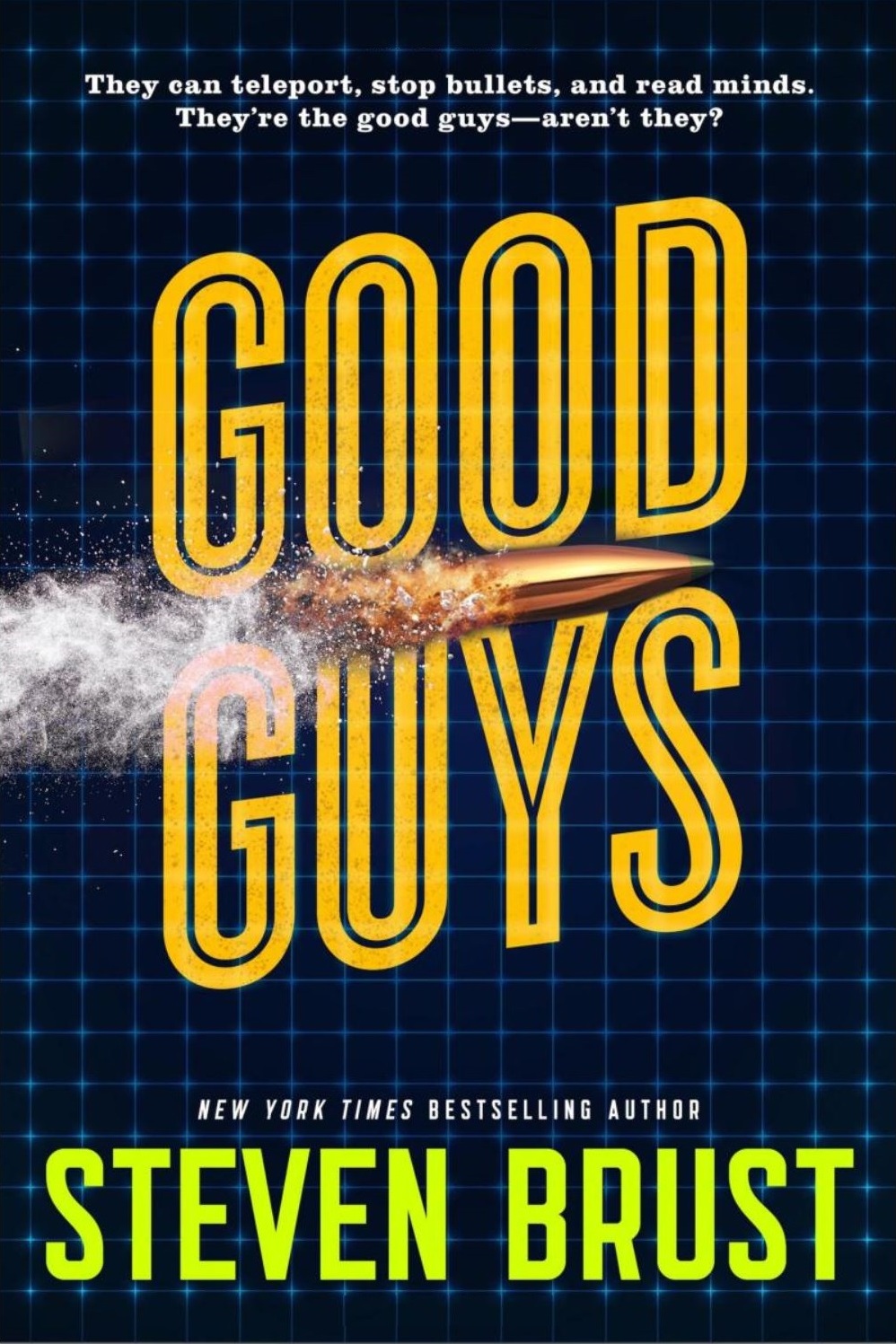
Good Guys Steven Brust-smallThe first book I ever read by Steven Brust was Jhereg, the opening volume in the long-running (15-book!) and best-selling Vlad Taltos series that has come to define his career. In 2013 he collaborated with Skyler White to launch a contemporary fantasy series, The Incrementalists, but before that his last standalone novel was Agyar in 1993.

So I was surprised and pleased to receive a review copy of Good Guys this week, which the accompanying press materials describe as a “snarky, irreverent tale of secret magic in the modern world, the first solo standalone novel in two decades from Steven Brust.” Here’s the description.

Donovan was shot by a cop. For jaywalking, supposedly. Actually, for arguing with a cop while black. Four of the nine shots were lethal ― or would have been, if their target had been anybody else. The Foundation picked him up, brought him back, and trained him further. “Lethal” turns out to be a relative term when magic is involved.

When Marci was fifteen, she levitated a paperweight and threw it at a guy she didn’t like. The Foundation scooped her up for training too.

“Hippie chick” Susan got well into her Foundation training before they told her about the magic, but she’s as powerful as Donovan and Marci now.

They can teleport themselves thousands of miles, conjure shields that will stop bullets, and read information from the remnants of spells cast by others days before.

They all work for the secretive Foundation… for minimum wage.

Which is okay, because the Foundation are the good guys. Aren’t they?

Good Guys will be published by Tor Books on March 6, 2018. It is 316 pages, priced at $25.99 in hardcover and $12.99 for the digital edition. Read the first two chapters here, and our recent coverage of Steven Brust here.

See all our recent coverage of the best in upcoming fantasy here.