Browsed by
Category: Books

Future Treasures: Dread Nation by Justina Ireland

Future Treasures: Dread Nation by Justina Ireland

Dread Nation-smallJustina Ireland is author of the YA novels Promise of Shadows and Devil’s Pass. Her latest, Dread Nation, is an audacious fantasy set in a post-Reconstruction America battling a plague of zombies risen from Civil War battlefields, and it’s getting a heck of a lot of pre-release buzz for a zombie book. Booklist calls it “Brilliant and gut-wrenching,” and Publishers Weekly praised its “Abundant action, thoughtful worldbuilding, and a brave, smart, and skillfully drawn cast… [with] a nail-biting conclusion.”

Bustle has a great interview with Ireland in which she says, “Sure, you have well-to-do white women fighting, but it didn’t seem realistic. It would’ve been black women fighting in the streets.” That led her to the intriguing idea of a school for black and Native girls who train to fight the swarms of undead. Dread Nation arrives in hardcover next month.

Jane McKeene was born two days before the dead began to walk the battlefields of Gettysburg, Pennsylvania — derailing the War Between the States and changing the nation forever.

In this new America, safety for all depends on the work of a few, and laws like the Native and Negro Education Act require certain children attend combat schools to learn to put down the dead.

But there are also opportunities — and Jane is studying to become an Attendant, trained in both weaponry and etiquette to protect the well-to-do. It’s a chance for a better life for Negro girls like Jane. After all, not even being the daughter of a wealthy white Southern woman could save her from society’s expectations.

But that’s not a life Jane wants. Almost finished with her education at Miss Preston’s School of Combat in Baltimore, Jane is set on returning to her Kentucky home and doesn’t pay much mind to the politics of the eastern cities, with their talk of returning America to the glory of its days before the dead rose.

But when families around Baltimore County begin to go missing, Jane is caught in the middle of a conspiracy, one that finds her in a desperate fight for her life against some powerful enemies.

And the restless dead, it would seem, are the least of her problems.

Dread Nation will be published by Balzer + Bray on April 3, 2018. It is 464 pages, priced at $17.99 in hardcover and $9.99 for the digital edition. The cover was designed by David Curtis.

Revenge of the Literary Living Dead: Zone One by Colson Whitehead

Revenge of the Literary Living Dead: Zone One by Colson Whitehead

Zone One Colson Whitehead-smallScience fiction, horror fiction, fantasy fiction, mystery fiction — for most of their history, ghetto fiction, in that such stories and the writers who produced them were decidedly “second class” citizens of the literary world and so were kept confined to areas where no respectable reader (much less critic) would want to venture, primarily pulp magazines and cheap paperbacks with the kinds of covers that you would never want your girlfriend’s mother — or your mother, for that matter — to see.

But oh, how things have changed. While you’ll search the library shelves in vain for F. Scott Fitzgerald’s vampire novel or Norman Mailer’s alien invasion epic (which of course could never exist outside the realm of Pride and Prejudice and Zombiesstyle mashups, a tide that mercifully seems to have receded), a more recent breed of “literary” writers have produced books that not so long ago would have been beyond the pale for anyone but the most hopeless genre hack — in the eyes of the mainstream critical establishment, anyway.

But Philip Roth’s foray into alternate history, The Plot Against America, Cormac McCarthy’s postapocalyptic nightmare, The Road, and Joyce Carol Oates’ Dhameresque cannibal-killer fest, Zombie, to name only a few books, demonstrate that a new day has dawned.

To more and more writers today, the old genre labels mean less and less; they’re going to write what they want in the way that they want, and artificial boundaries be damned. Such a one is Colson Whitehead, the author of four well-received mainstream novels published between 1999 and 2009, which established his reputation as a writer to watch. His most recent novel, 2016’s The Underground Railroad, fulfilled his promise by winning several major awards including the 2016 National Book Award and the 2017 Pulitzer Prize.

But between his first four novels and The Underground Railroad, Whitehead produced 2011’s Zone One, which was somewhat out of the literary mainstream (as it was once defined), being a full blown they’re-coming-for-your-brains zombie novel.

Sometime after an incurable disease has turned most of the world’s population into an army of flesh-eating living dead, Mark Spitz (an ironic title referring to the character’s inability to swim — we never find out his actual name) spends his days in Manhattan, working as a member of a civilian “sweeper team,” going from building to building, putting down the stray zombies that remain after a major clearance by the marines. He’s not exactly crazy about the work, but it’s a job, at least, and in a living-dead devastated economy, any job is a good job.

Read More Read More

Vintage Treasures: Maske: Thaery by Jack Vance

Vintage Treasures: Maske: Thaery by Jack Vance

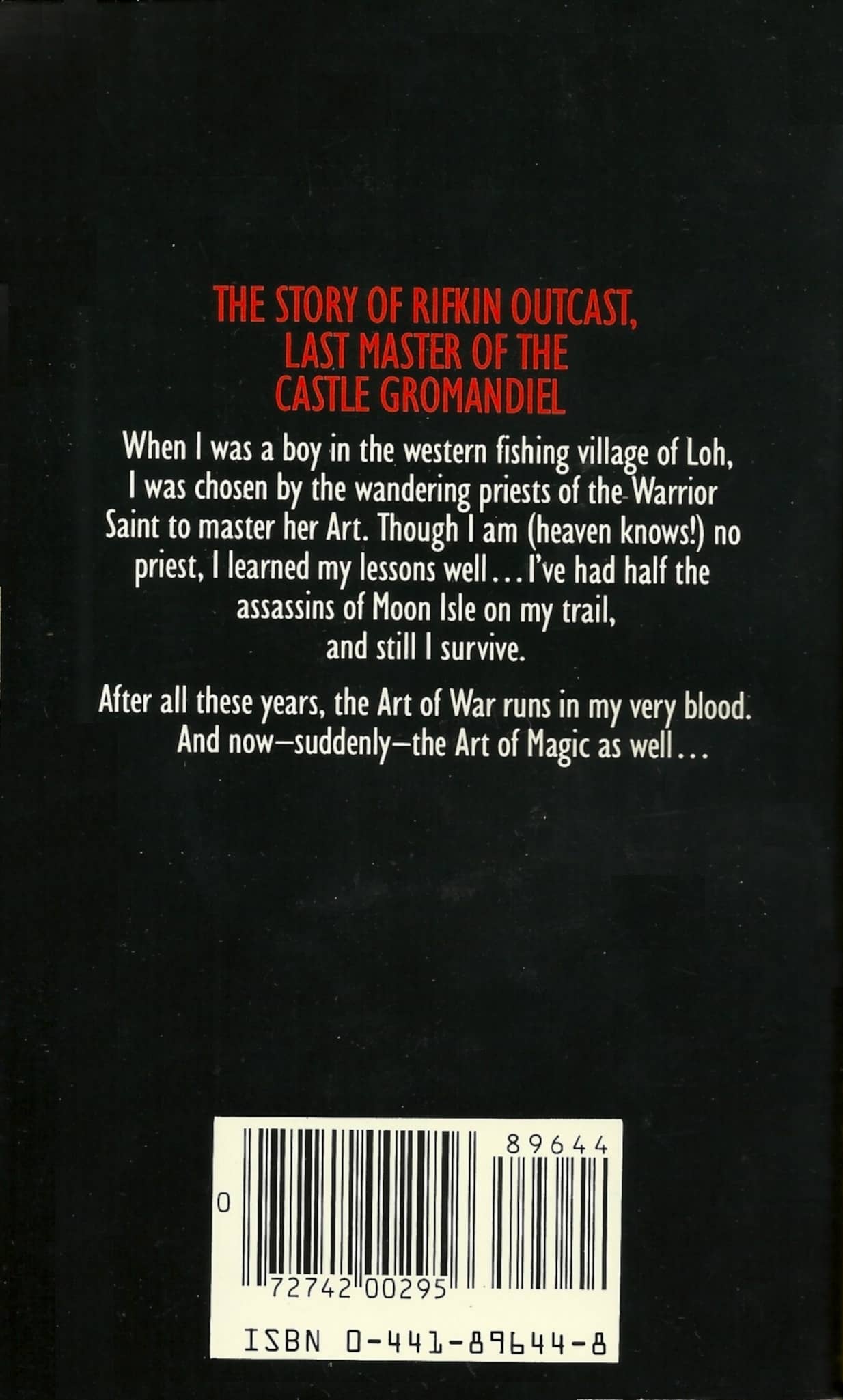
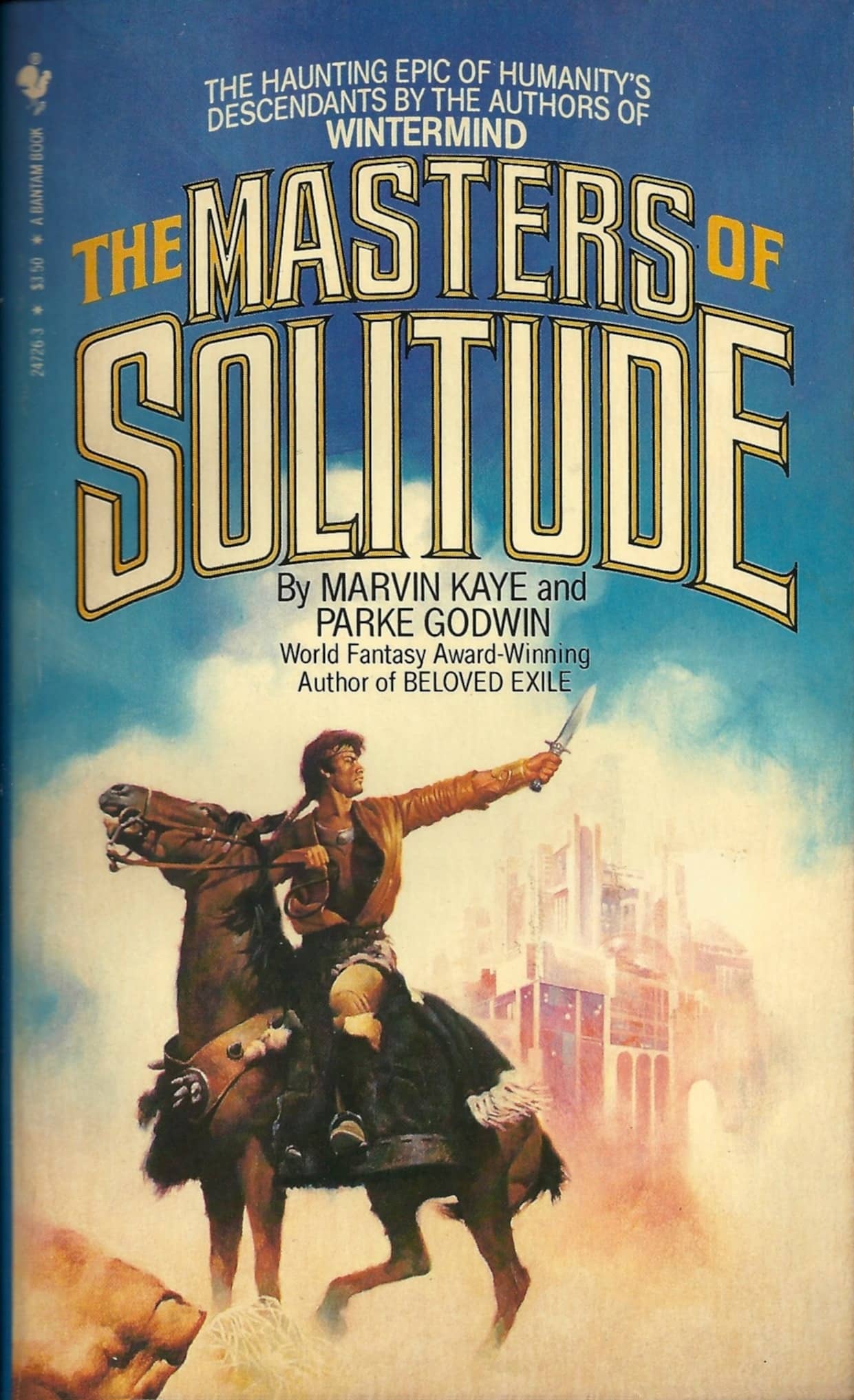
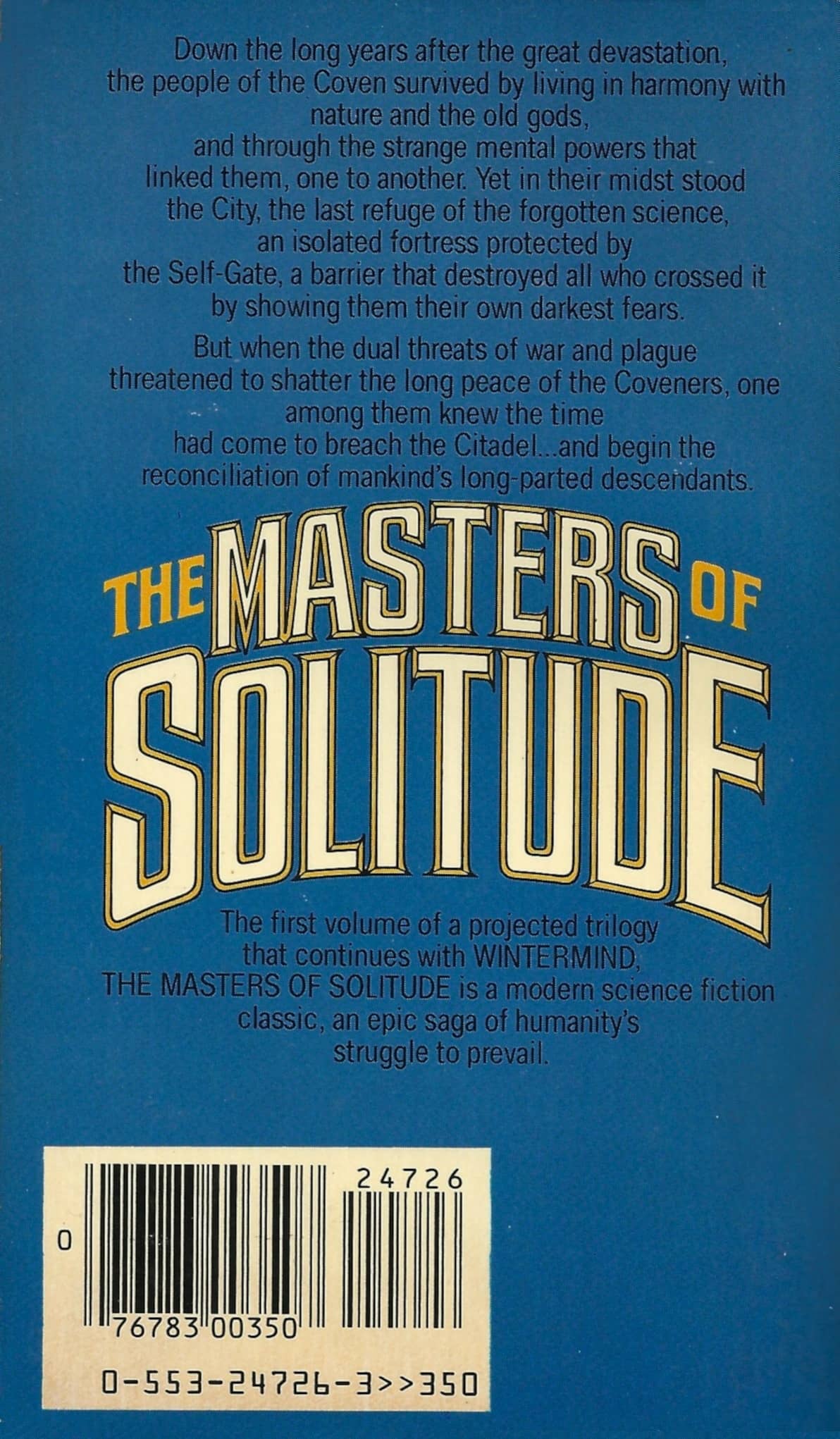
Maske Theary-small Maske Theary-back-small

Here’s a Jack Vance novel I haven’t read: Maske: Thaery, a science fiction adventure first published in hardcover in 1976. The Wikipedia entry does a fine job of summarizing how the book fits into Vance’s catalog, I thought.

Maske: Thaery is a science fiction novel by American writer Jack Vance, set in his Gaean Reach milieu… Maske: Thaery marks the beginning of the period when Vance’s novels were published exclusively straight to paperback, whereas prior to this the majority had first appeared in science fiction magazines, the last such examples being Durdane trilogy, serialised in The Magazine of Fantasy & Science Fiction from 1971 to 1973, The Gray Prince, serialised in Amazing Science Fiction in 1974, and Marune: Alastor 933, also serialised in Amazing Science Fiction in 1974. The twofold title of Maske: Thaery, with its separating colon, would suggest that it was originally intended to be part of a serial, similar to the Alastor novels (Trullion: Alastor 2262, Marune: Alastor 933, and Wyst: Alastor 1716), although no further volumes were written… Maske: Thaery continues Vance’s interest in richly textured, strongly xenological settings, in which an outsider protagonist comes into conflict with a bewilderingly complex social hierarchy, other examples being Emphyrio (1969) and the Durdane trilogy.

Maske: Thaery placed 12th on the annual Locus Award list for Best SF Novel in 1976. After Jack Vance’s death in 2013, I read the following tribute/review at Speculation…, which called the book “one of his best.”

Read More Read More

Birthday Reviews: Tad Williams’s “Go Ask Elric”

Birthday Reviews: Tad Williams’s “Go Ask Elric”

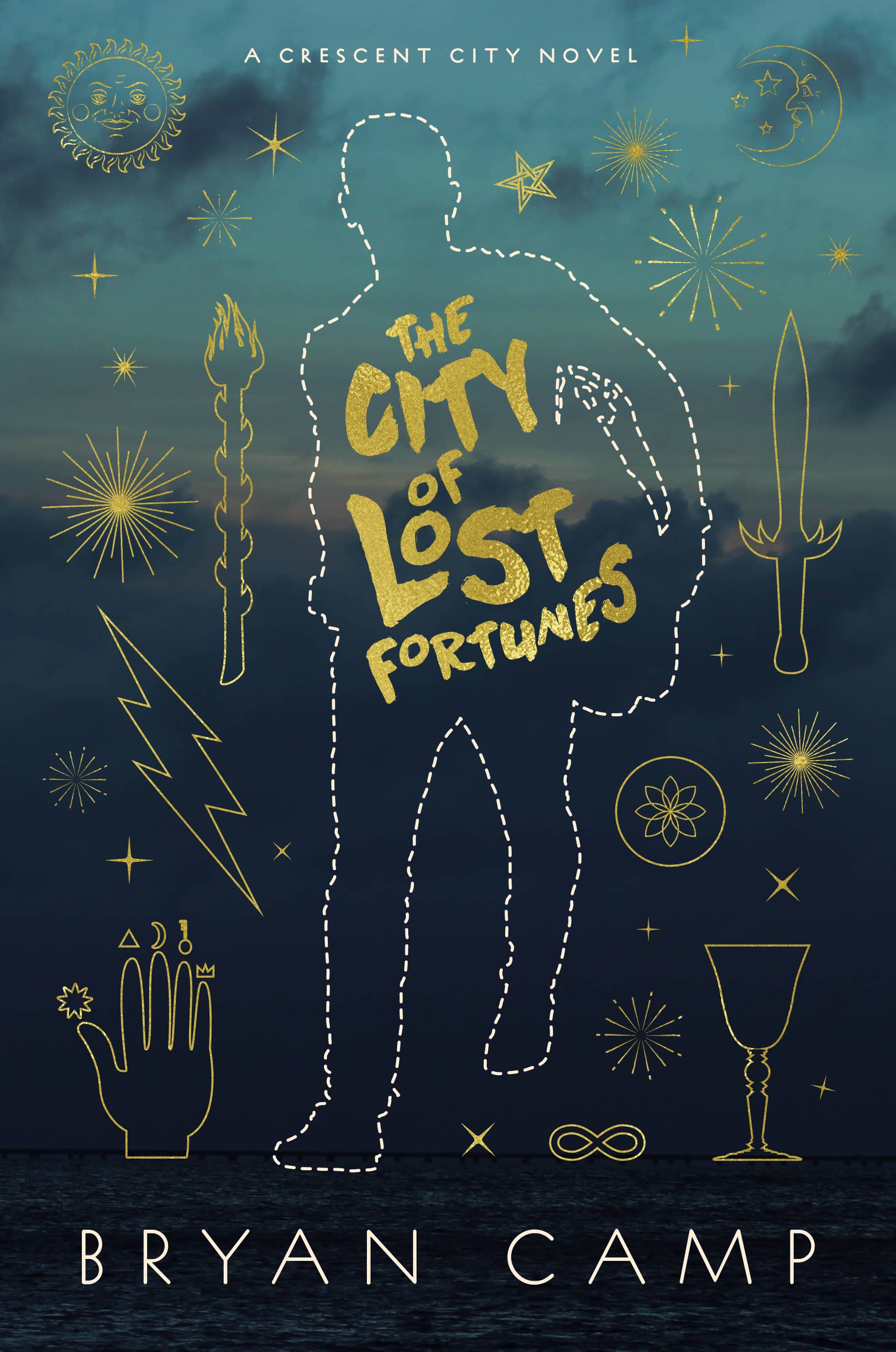
Elric Tales of the White Wolf-small Elric Tales of the White Wolf-back-small

Cover by Brom

Tad Williams was born on March 14, 1957. He published the Memory, Sorry & Thorn fantasy series beginning in 1988 and followed up with the Otherland series in 1996 and Shadowmarch in 2004. Williams has also published a handful of stand alone novels, including Tailchaser’s Song and Caliban’s Hour. He collaborated with Nina Kiriki Hoffman on Child of an Ancient City.

Williams was a nominee for the John W. Campbell, Jr. Award in 1986 and the next year Tailchaser’s Song was a nominee for the William L. Crawford Award. Two of his novels have been nominated for Germany’s Phantastik Preis.

“Go Ask Elric” was published in 1994 in Elric: Tales of the White Wolf, a Michael Moorcock Festschrift which allowed other authors to play with Moorcock’s settings, characters, and themes. The story was translated into French for inclusion in an abridged version of the anthology as a whole. Williams later included it in his collection Rite: Short Work, which also included an essay Williams wrote as an introduction to Moorcock’s novel Gloriana.

Williams manages a successful homage to Michael Moorcock in “Go Ask Elric,” pulling in elements from Moorcock’s stories “Elric at the End of Time” as well as “the Vanishing Tower” and “Sailing to the Future.” Rather than focusing on Elric, William’s main character is Pogo Chapman, a young kid who worships Jimi Hendrix in the mid-1970s. During an acid trip, Pogo is sucked into the multiverse where he meets up with an imprisoned Elric and helps him escape. As Moorcock did in “Elric at the End of Time,” Williams switches between Elric’s point of view and Pogo’s, allowing the reader to see just how much Elric misreads the situations he is in.

Read More Read More

Heinlein Across the Waters

Heinlein Across the Waters

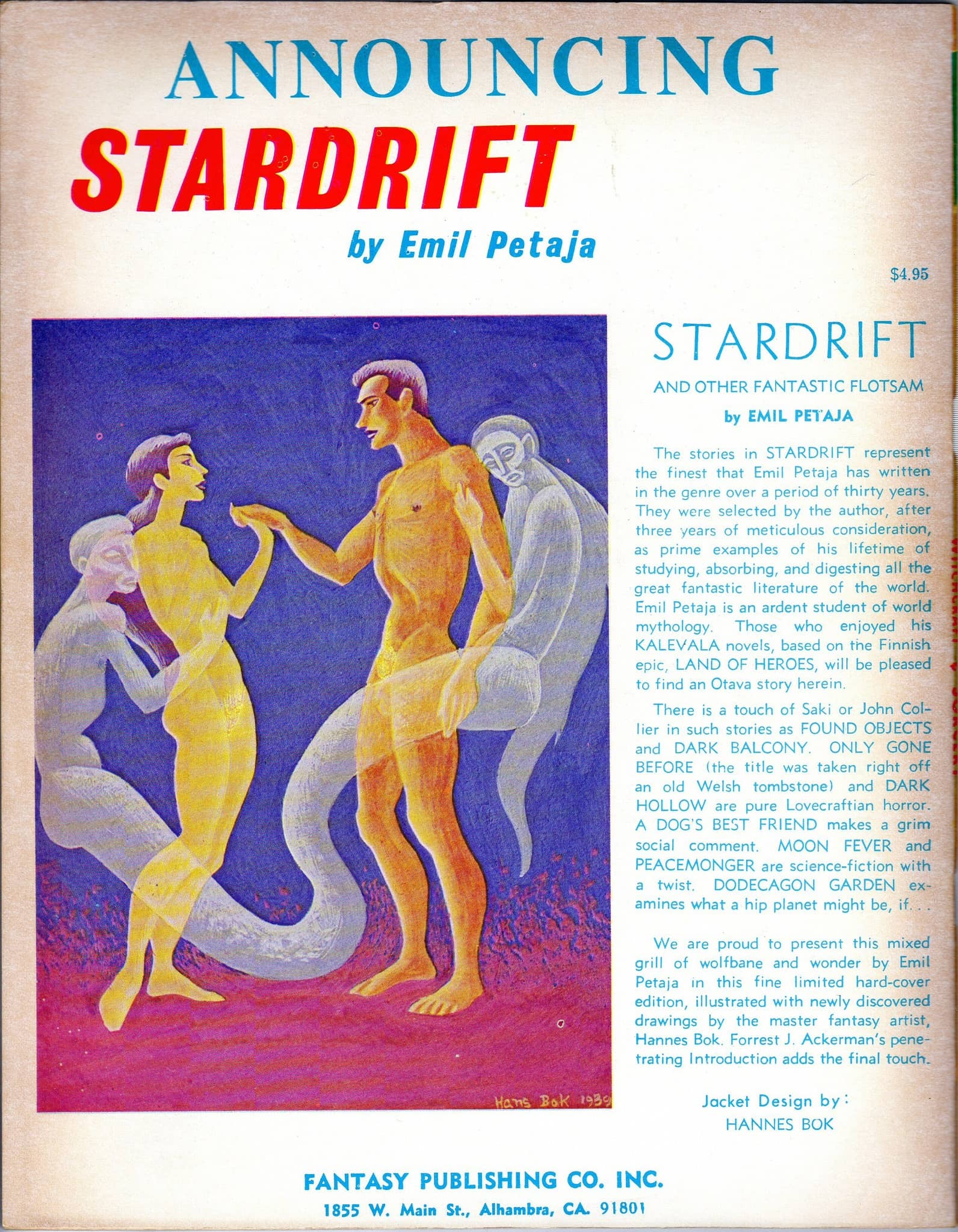
The Green Hills of Earth and Robert Heinlein-small

One of the things that I love about collecting old paperbacks is the surprises they sometimes contain. You just never know what you’ll find. It’s almost a Forrest Gump box of chocolates kind of thing.

For example. I live in Germany, and several years ago I won a Lin Carter paperback on eBay that contained a business card from a used book store in Columbus Ohio, near OSU, called the Monkey’s Retreat. The very same Monkey’s Retreat that I’d frequented back in 1984/85. So suddenly thirty years later, I’m pulling one of their cards out of a paperback sent from Essen. I have always wondered how that paperback made its way across such gulfs of space and time. I mean, 30 years and thousands of miles. The reality is probably mundane, a G.I. leaving it at his girlfriend’s apartment and having it end up on the table at a flea market, where a dealer snatched it up for a few Pfennigs.

There was another time when I found — inside an old Scholastic Book edition of Bernhardt J. Hurwood’s “true horror stories” — a lovely little hand drawn initiation to a young girls birthday slumber party. You can read about that one here.

But the latest surprise trumped all the others, and came as such a shock that it drove me out of the comfort of my warm feather bed at 11:00 P.M. on a chilly Bavarian night to spend the next few hours sending messages, doing research, taking photos and making scans.

Read More Read More

New Treasures: Children of Blood and Bone by Tomi Adeyemi

New Treasures: Children of Blood and Bone by Tomi Adeyemi

Children of Blood and Bone-smallAfrican fantasy and SF is experiencing a true renaissance, and while it’s tempting to give much of the credit to the astonishing worldwide success of Black Panther, in truth the trend has been building for years.

Tomi Adeyemi’s West African-inspired debut is a full-blown publishing phenomenon all on its own, for example. Publisher Henry Holt Books made a pre-emptive 7-figure bid for it last year, making it one of the biggest debut YA books of all time. Entertainment Weekly labels it “A phenomenon,” Ebony calls it “The next big thing in literature and film,” and, closer to home, Andrew Liptak features it prominently in “15 new science fiction and fantasy books to read this March” at The Verge.

Children of Blood and Bone is the first installment of a new trilogy. It follows Zélie Adeola, whose mother is killed when the king orders the death of all maji, as she fights to bring magic back to the kingdom of Orïsha, while struggling to keep her own growing power under control. Here’s the description.

They killed my mother.
They took our magic.
They tried to bury us.

Now we rise.

Zélie Adebola remembers when the soil of Orïsha hummed with magic. Burners ignited flames, Tiders beckoned waves, and Zélie’s Reaper mother summoned forth souls.

But everything changed the night magic disappeared. Under the orders of a ruthless king, maji were killed, leaving Zélie without a mother and her people without hope.

Now Zélie has one chance to bring back magic and strike against the monarchy. With the help of a rogue princess, Zélie must outwit and outrun the crown prince, who is hell-bent on eradicating magic for good.

Danger lurks in Orïsha, where snow leoponaires prowl and vengeful spirits wait in the waters. Yet the greatest danger may be Zélie herself as she struggles to control her powers and her growing feelings for an enemy.

Children of Blood and Bone was published by Henry Holt and Co. on March 6, 2018. It is 544 pages, priced at $18.99 in hardcover and $9.99 for the digital editions. Read an excerpt at Entertainment Weekly.

Birthday Reviews: Harry Harrison’s “The Mothballed Spaceship”

Birthday Reviews: Harry Harrison’s “The Mothballed Spaceship”

Cover by John Sposato

Harry Harrison was born on March 12, 1925 and died on August 15, 2012.

He is perhaps best known for his Stainless Steel Rat and Bill, the Galactic Hero series. Other series include The Hammer and the Cross, Deathworld, Stars and Stripes, and Eden. Before publishing science fiction Harrison worked as a comic book artist, often collaborating with Wallt Wood. In 1950, he left comic art to begin writing and editing, although he occasionally did return, and wrote the Flash Gordon newspaper strip in the 50s and 60s.

Harrison wrote the novel Make Room, Make Room, which served as the basis for the Nebula Award winning film Soylent Green. In collaboration with John Holt, he won the Italia Award for The Hammer and the Cross and the entire trilogy was nominated for a Sidewise Award. He was the Guest of Honor at ConFiction, the 1990 Worldcon. Harrison was inducted into the Science Fiction Hall of Fame in 2004 and was named a SFWA Grand Master in 2009. In addition to Holt, he has also collaborated with Robert Sheckley, David Bischoff, Jack C. Haldeman II, Marvin Minsky, and others.

With Brian W. Aldiss, Harrison edited several anthologies and published SF Horizons, the first serious journal of science fiction criticism. Harrison often made use of Esperanto in his fiction.

“The Mothballed Spaceship” was written for Astounding: John W. Campbell Memorial Anthology, which Harry Harrison edited. It was later reprinted in Harrison’s collections The Best of Harry Harrison and Stainless Steel Visions. Set in the same universe as Harrison’s Deathworld trilogy, the story was included in an omnibus edition of that series published by BenBella Books in 2005 (earlier omnibus editions of the trilogy do not include this story). In 1985, it was translated into Croatian for publication in the magazine Sirius.

Harrison provides a puzzle story with “The Mothballed Spaceship.” A derelict space battleship has been found five millennia after it was abandoned, however its automatic defense systems are still active. Jason dinAlt, Kerk, and Meta have been hired to figure out how to get on board and take control of the ship, which has destroyed all other attempts to approach it, and are given thirty days to solve the problem.

Read More Read More

Future Treasures: The Long Sunset by Jack McDevitt

Future Treasures: The Long Sunset by Jack McDevitt

The Long Sunset Jack McDevitt-smallI discovered Jack McDevitt with his second novel, a slender Ace paperback titled A Talent For War, back in 1989. Since then he’s produced over two dozen novels and collections, including Ancient Shores (1996), Infinity Beach (2000), and the Nebula Award-winning Seeker (2005).

But his most acclaimed series has been his Academy novels. Seven have appeared so far, including four Nebula nominees and three Campbell Award finalists. It began with The Engines of God (1994), which was nominated for the Arthur C. Clarke Award. The eighth in the series, The Long Sunset, arrives in hardcover from Saga Press next month.

From Nebula Award winner Jack McDevitt comes the eighth installment in the popular The Academy series — Priscilla “Hutch” Hutchins discovers an interstellar message from a highly advanced race that could be her last chance for a mission before the program is shut down for good.

Hutch has been the Academy’s best pilot for decades. She’s had numerous first contact encounters and even became a minor celebrity. But world politics have shifted from exploration to a growing fear that the program will run into an extraterrestrial race more advanced than humanity and war.

Despite taking part in the recent scientific breakthrough that rejuvenates the human body and expands one’s lifespan, Hutch finds herself as a famous interstellar pilot with little to do, until a message from an alien race arrives.

The message is a piece of music from an unexplored area. Despite the fact that this alien race could pose a great danger and that this message could have taken several thousand years to travel, the program prepares the last interstellar ship for the journey. As the paranoia grows, Hutch and her crew make an early escape — but what they find at the other end of the galaxy is completely unexpected.

Here’s the complete series in order.

Read More Read More

Birthday Reviews: F.M. Busby’s “Tundra Moss”

Birthday Reviews: F.M. Busby’s “Tundra Moss”

Cover by Paul Swendsen

F.M. (Francis Marion) Busby was born on March 11, 1921 and died on February 17, 2005. In 1960, Busby, along with his wife Elinor, Burnett Toskey, and Wally Weber, won the Hugo Award for Best Fanzine for Cry of the Nameless, which was nominated a total of three times. In 1943, he joined the US Army and was assigned to work on the Alaska Communication System, which forms the background for his alternate history “Tundra Moss.” Busby served as the Vice President of SFWA from 1974-6. His novels include the Demu trilogy, the Rebel Dynasty books, and the Rissa Kerguelen series.

“Tundra Moss” appeared in the third volume of Gregory Benford’s What Might Have Been series of alternate history anthologies with the theme Alternate Wars. Its only reprints have been in subsequent editions of that book.

Set during World War II, the Alaska Communication System (ACS) outpost on Amchtika Island is an integral part of the United States war efforts in the Pacific theatre, made more important by the fact that in this timeline, the US is concentrating its power on the Japanese. They figure they can worry about the European theatre later, with the exception of a small force there led by Dwight Eisenhower.

While the story focuses on Buster Morgan’s activities in Amchitka, Busby also allows peeks into the actions of Franklin Delano Roosevelt, a band of Japanese saboteurs operating on Amchitka, and scouts in the area as the Japanese attempt to destroy the communications lines and the Americans are trying to relay orders which will support a major offensive far to the south.

Alternate history stories often teach the reader something about a relatively unknown and seemingly minor part of history, and the ACS certainly qualifies in the regard. The fact that Busby was stationed on Amchitka brings a level of detail and realism to the story which would have been difficult to match with just research. The disjointed nature of the story, jumping back and forth between the different characters, tends to work against it. It would have been stronger with fewer viewpoint characters and a more singular focus.

Read More Read More

A Worthy Successor to an Award-Winning Tradition: Provenance by Ann Leckie

A Worthy Successor to an Award-Winning Tradition: Provenance by Ann Leckie

Provenance Ann Leckie-smallIngray Aughskold hasn’t just risked her life’s savings for this moment. If she fails, she’ll have to work for years to make up the debt. Her reputation will be ruined, and she’ll lose her job. Worse, her adoptive mother will never choose her to inherit over her vile foster-brother Danach. But just when the deal’s supposed to come together, everything’s falling apart.

Sitting in a holographic room, Ingray can see the Facilitator clearly, and the Facilitator can see her. The Facilitator can also see the opposing party. To Ingray, however, he’s just a gray blur.

The blur cites “unexpected difficulties” in fulfilling the contract. “The package will not be delivered unless the payment is increased.”

But Ingray doesn’t have any more money. If this deal goes through, she won’t even be able to afford her next meal. She’ll have to wait to eat until she’s on board the ship home to Hwae. She really should’ve forced herself to eat breakfast that morning, no matter how nervous she may have been. “Then do not deliver it,” she says.

She’d probably be better off if the anonymous procurer didn’t cave. All she’d suffer would be a dent to her savings for the Facilitator’s fee and her travel expenses. She could go home and hatch some new scheme to outdo Danach. But she doesn’t get that lucky.

“Very well, then,” the blur says. “The deal goes forward.”

“Very well,” she answers. At which point, she takes custody of a large shipping crate. Which wasn’t what she was expecting at all.

Arriving at the small cargo ship she’s booked passage on, she runs into a new problem in the form of Captain Tic Uisine. Taking one look at the size and shape of her shipping container, he suspects human trafficking and insists on opening it.

Read More Read More