Browsed by
Category: Blog Entry

A Wrinkle in Time by Madeline L’Engle
A Wrinkle in Time by Madeline L’Engle

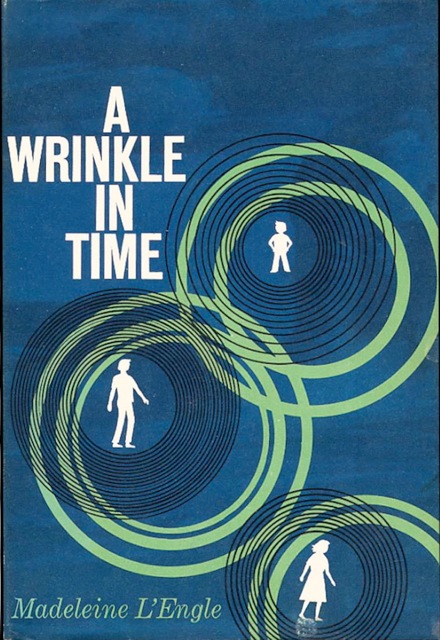
A Wrinkle in Time-smallGiven to me by the same friend who told me about A Wizard of Earthsea, Madeline L’Engle’s A Wrinkle in Time (1962) is another of the books that introduced me to fantasy and science fiction. The novel is a mix of science fiction, fantasy, and good dose of Christianity, and is completely unbound by any rules or expectations about genre. A children’s book, it is also an artifact of a time when fantasy wasn’t primarily a commercial designation. There’s a freshness to the book all these years later, and rereading it was an absolute joy.

Meg Murry is the fourteen-year-old daughter of scientists, and sister to twins Sandy and Denys and the strange, brilliant five-year-old Charles Wallace. Her father, employed by the government, has been missing for some time before the book’s opening, and there has been no word about what happened to him.

In her own eyes Meg is gawky and ugly, made so by her “mouse-brown” hair, glasses, and “teeth covered with braces.” Her self-impression and her worry over her father’s disappearance have caused her to become a poor student. Her principal, a man unsympathetic to her worry to the point of telling her she needs to “face the facts” about her father (implying he’s never returning), warns her she’s in danger of having to repeat ninth grade.

Read More Read More

Tell Me A Story: UnSpoiled

Tell Me A Story: UnSpoiled

Unspoiled Podcast

Full disclosure: I’m a little biased on this week’s podcast choice. I first discovered UnSpoiled when my friend, Maggie, was covering Stranger Things with network runner Natasha. In my defense, I’ve got a lot of friends whose podcasts will never be discussed here.

UnSpoiled” has become one of my favorite podcasts: the one I’ll drop everything for. A fandom and analysis podcast, UnSpoiled covers a broad variety of material, but always with the same concept and format: there are two people discussing the work in question. One of them is completely familiar with the material, and one of them is coming to it for the first time, completely unspoiled. They go through one episode, chapter, or movie at a time, discussing the themes and artistry involved.

And it is really good.

Listening to other people talk about Fantasy and Sci-Fi is always a dicey proposition. It can be dull. It can be annoying. But it can also be amazing, and some of my favorite podcasts fit under this umbrella. (West Wing Weekly is a solid standout here, as is The Greatest Generation, which is working it’s way through Star Trek: The Next Generation one episode at a time.) What makes the UnSpoiled family of podcasts great is their choice of hosts and material. Natasha Winters, the founder and editor of UnSpoiled, is a smart and insightful reader. She has the kind of keen eye for human nature that makes for sharp assessments of story, and a true compassion for human foibles that make for both a solid sense of humor and a good base for criticism.

Read More Read More

Wordsmiths: Black Gate Interviews Jim Butcher at ConFusion 2018

Wordsmiths: Black Gate Interviews Jim Butcher at ConFusion 2018

If you talk to Jim Butcher, he might tell you that he’s a “crazy hermit shut-in” and scoff at being referred to as the Jim Butcher — showing that even one of the greatest fantasy writers around might be as uncomfortable with accolades as the rest of us mere mortals. How do I know this? Because I got the chance to sit down with Jim at ConFusion last month, for an hour-long chat about his published work, his craft, and what makes him tick.

I’ve been a huge fan of Jim’s ever since a friend shoved Storm Front at me and insisted I read it, and I sincerely hope you enjoy watching it as much as I enjoyed taking part in it. There is a lot that can be learned from Jim Butcher, and I’m really happy with what we were able to get into here.

Read More Read More

Birthday Reviews: W.E.B. Du Bois’s “Jesus Christ in Texas”

Birthday Reviews: W.E.B. Du Bois’s “Jesus Christ in Texas”

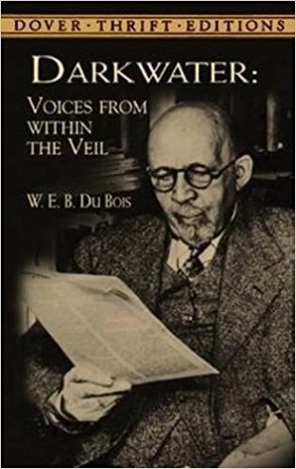
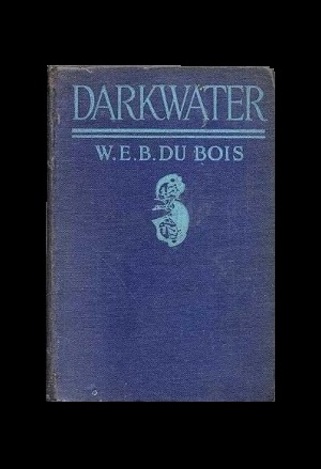
darkwater1 darkwater darkwater2

W.E.B. (William Edward Burghardt) Du Bois was born on February 23, 1868 and died on August 27, 1963. He was the first black man to earn a doctorate from Harvard University and taught history, sociology, and economics.

Du Bois helped found the National Association for the Advancement of Colored People in 1909. Most of W.E.B. Du Bois’s writings were sociological in nature, focusing on the plight of African-Americans. Throughout his career, he fought for equal rights for blacks and against lynchings and Jim Crow laws.

“Jesus Christ In Texas” was original published in Du Bois’s collection Darkwater: Voices from the Veil in 1920. It has been reprinted numerous times since.

Two of Du Bois’s stories have elements of the fantastic in them, including “Jesus in Texas.” As told in the title, this story is about a visitation of Jesus to Texas. During his brief time, he sees black prisoners used on a chain gang, the whites who are benefiting from their labor, and a prisoner who has escaped.

Read More Read More

The Silver Eggheads by Fritz Leiber

The Silver Eggheads by Fritz Leiber

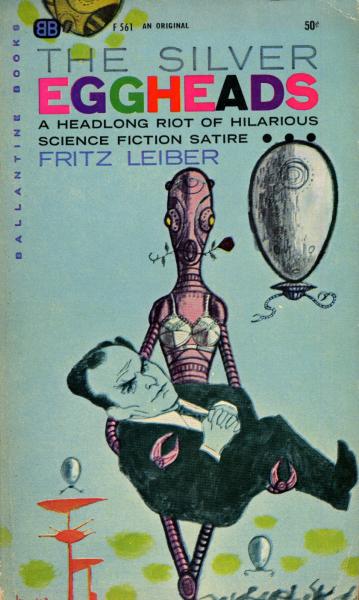
The Silver Eggheads, Ballantine F561, 1962, cover by Richard Powers

Fritz Leiber is one of the grand names of f&sf, winner of six Hugo Awards, three Nebula Awards, and two World Fantasy Awards. He is a member of the SF Hall of Fame, a SFWA Grandmaster, and a lifetime achievement recipient from the World Fantasy, Bram Stoker, and Forry Awards. You wouldn’t think any novel of his from the epicenter of his career could be obscure, neglected, or forgotten. And yet, there’s the case of The Silver Eggheads.

As a novelet, “The Silver Eggheads” graced the cover of the January 1959 F&SF, normally as prestigious a slot available at the time. Yet the story has never been anthologized nor ever included in one of his three dozen collections. Possibly that’s because Leiber expanded it to novel length, published as an original paperback by Ballantine in 1962. (Yes, that is a Richard Powers cover, one of the few representational ones he did.) Ballantine reprinted it twice, but no other American publisher has touched it. This novel has been out of print in English for almost 40 years. A few foreign editions slipped in, for multilinguists and obsessive collectors.

Read More Read More

A Wizard of Earthsea by Ursula K. Le Guin

A Wizard of Earthsea by Ursula K. Le Guin

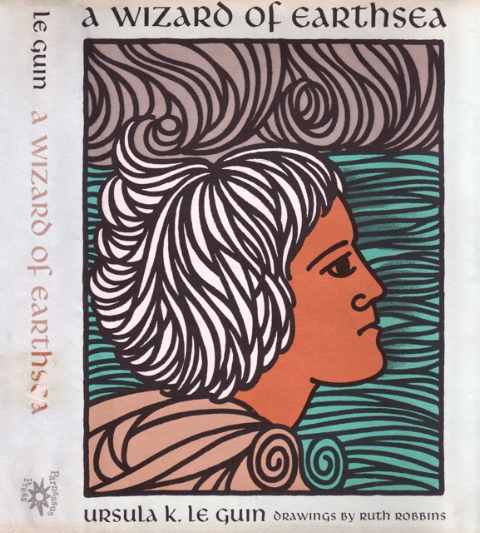
WZRDFRTHST1968As I wrote last time, this excursion through the bookshelves of my younger days was inspired by the recent death of Ursula K. Le Guin. I haven’t read much Le Guin outside the Earthsea books; most of her work hasn’t appealed to me. But the Earthsea books, especially the initial trilogy — A Wizard of Earthsea (1968), The Tombs of Atuan (1970), and The Farthest Shore (1972) — did and, I was glad to find out, still do.

In my article, “Why I’m Here: Part Two,” I described the Elric books as being like samizdat passed around between my friends and me. With so few books actually out there, we fellow fantasy fans read anything we could find, and in turn got it all into everyone else’s hands and read everything they passed along to us. After The Lord of the Rings, I’m sure there were no books as read, and read as often, as Le Guin’s three slender volumes.

There are several whys. The easiest is they are way cool, at least the first and the third. The second is more of a Gothic, and lacks the dragon-battling and dark magic of the others, like this:

Read More Read More

The Poison Apple: Remember Buffy? An Interview with Tie-in Author Nancy Holder

The Poison Apple: Remember Buffy? An Interview with Tie-in Author Nancy Holder

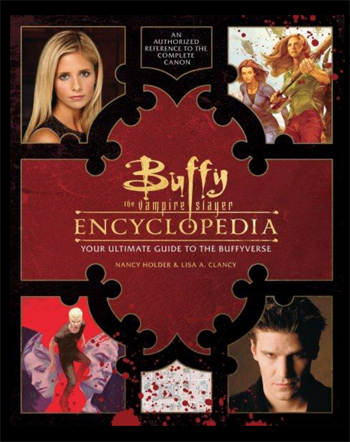
Buffy Encyclopedia
Buffy Encyclopedia

Let’s talk about Buffy the Vampire Slayer.

When I was doing the episode guidebooks for Buffy, I was taping Joss Whedon… Remember when Spike moves into the crypt? It was pitch-black dark in there and we were sitting on the crypt for our interview. It had been hard to get him, because he was been busy. I had sat waiting and waiting with these old-fashioned tape recorders that looked like movie cameras, and for both of them the batteries had run down and the tape was spooling out. When we got outside in the bright sunlight, I saw what had happened. I had been going for days without much sleep and there was my interview with Joss… not. The first thing I did was say the f-bomb and then, “Why you? Why you?”

He fixed the tape and said, “It’s okay.” I put more batteries in and asked, “Can you say everything you said over again? And he said, “I’ll try.” I was so embarrassed. But we got it done, and he was great. So articulate and smart.

How often did you get over to the set?

If you add all the days together, I was probably on the Buffy set for the total of a month. I was over on Angel, maybe a week or two.

Buffy had been set up in some empty warehouses in Santa Monica in this place called Bergamot Station. Mutant Enemy was there, and they had all the Buffy stuff there plus the writers offices and post production for Angel. When you went to Angel, it was very Hollywoody, because it was on the Paramount lot. You had the golf cart guys, the scrolly gates at the front…

Read More Read More

The Top Black Gate Posts in January

The Top Black Gate Posts in January

godzilla-planet-of-monsters-radioactive-blast

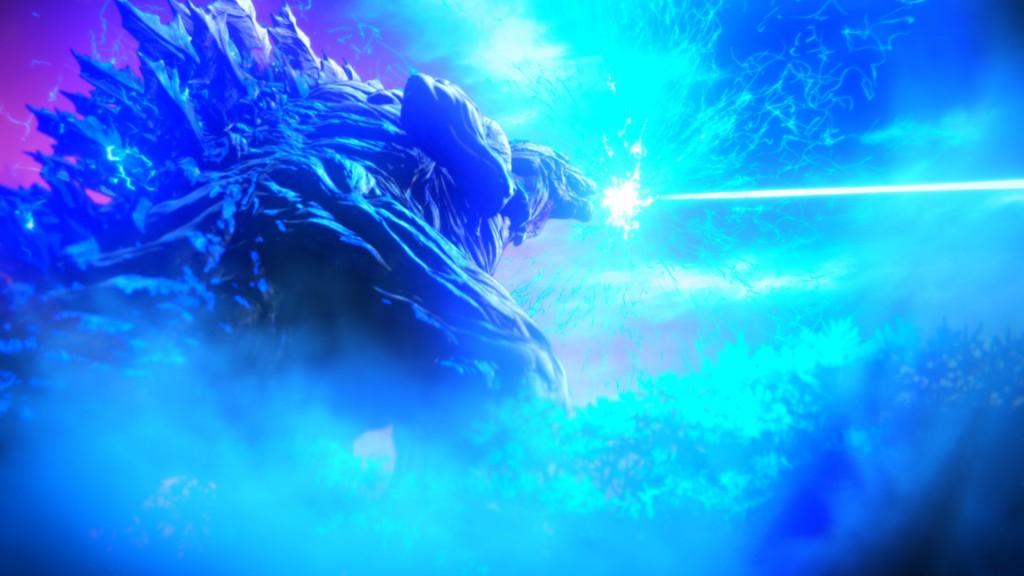
Ryan Harvey was the man to beat at Black Gate in January. He claimed three of the Top Ten articles — including our overall most popular post last month, a review of the new animated film Godzilla: Planet of the Monsters.

Bob Byrne came in at #2 with his Conan pastiche review round-up, “By Crom: Some Conans are More Equal Than Others…” Fletcher Vredenburgh took third with a look at J.R.R. Tolkien’s The Children of Húrin. Derek Kunsken’s review of Frank Herbert’s classic Dune was the fourth most popular post in January, and Fletcher rounded out the Top Five with “Why I’m Here – Part Two: Some Thoughts on Old Books and Appendix N.”

Our obituary for the great Ursula K. Le Guin was #6, followed by John DeNardo’s Definitive List of the Best Science Fiction and Fantasy of last year. Eighth was my article on vintage paperbacks, “Christmas for the Paperback Collector,” followed by Ryan’s review of Beyond the Farthest Star by Edgar Rice Burroughs. Ryan closed out the Top Ten with a piece on that Saturday morning classic, Warlords of Atlantis.

Read More Read More

The Black Panther’s Magical World of Wakanda

The Black Panther’s Magical World of Wakanda

Unknown-11-768x432

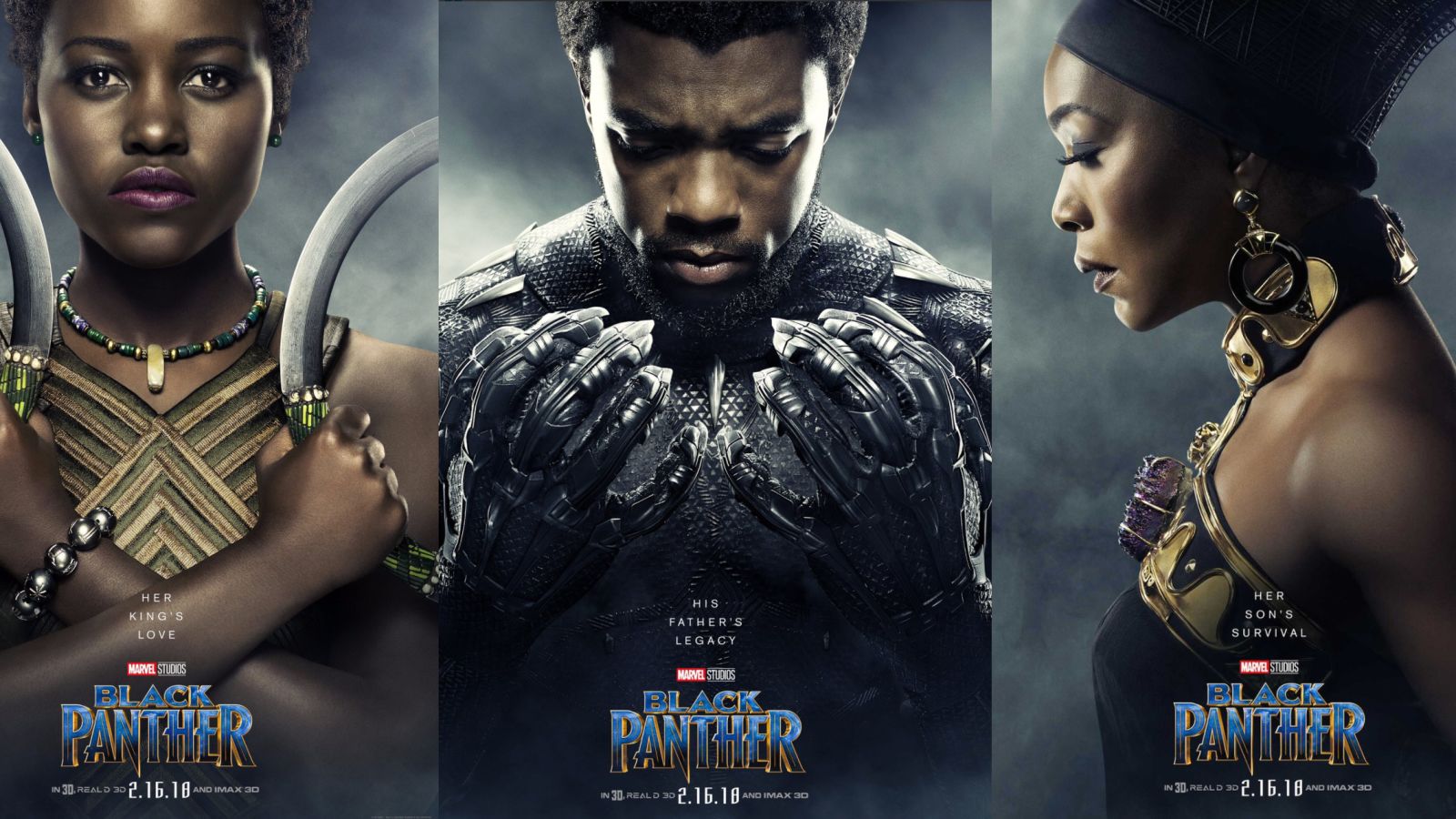
I watched Black Panther yesterday with my 13-year-old son and enjoyed it more than most superhero movies. Ant-Man and the first Iron Man movie usually top my charts for fun superhero movies. Wonder Woman (which I reviewed here) and then Captain America top the charts for me as superhero war movies. The Avengers and Guardians of the Galaxy and Justice League are too busy and quippy to have much emotional resonance after the popcorn is done. But Black Panther felt very different.

A big part of it was that Black Panther doesn’t spend a whole lot of time in places we know. Sure, there’s a great sequence in Busan, South Korea, but most of it takes place in Wakanda, and Wakanda itself is a powerful experience.  It seems like so much of the visuals in superhero movies are the same, so the surprising and beautiful aesthetic of Afro-futurism hits the eyeballs hard, like tasting a great new food. But with our eyes.

Read More Read More

Modular: Trouble in the ’80’s with Tales from the Loop

Modular: Trouble in the ’80’s with Tales from the Loop

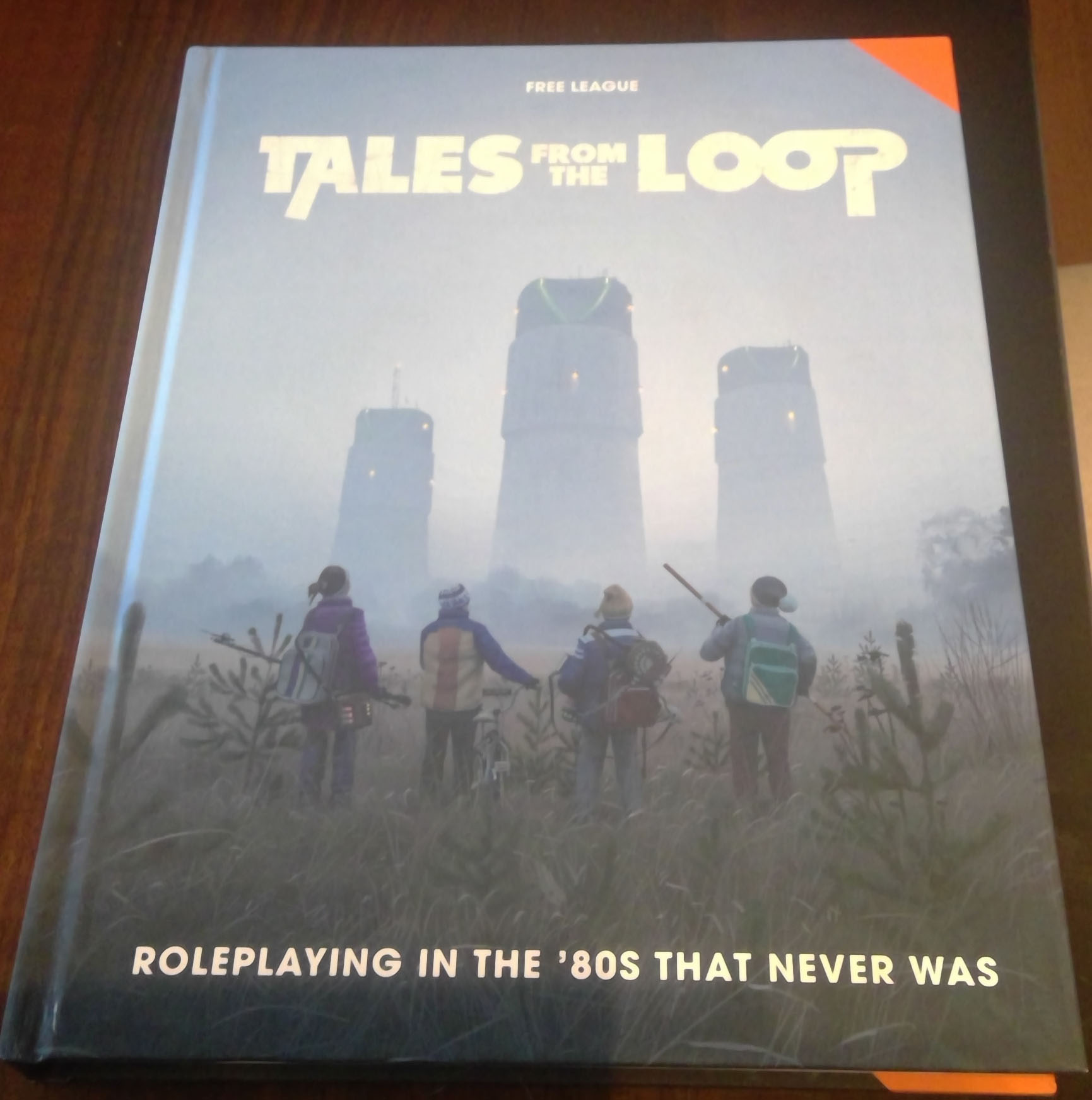
TalesFromTheLoopAs a child of the ’80’s, I grew up with the understanding that a group of kids might stumble upon a series of mysterious events and have to band together to deal with the challenges from it. Parents, law enforcement, and other authorities would be of no help, so there was no point in telling them what was going on. They either wouldn’t believe it or, worse, would stop the kids from fixing things. The kids, through determination and luck, were the only hope to set things right … whether it was finding a way to keep their families from being evicted, returning a strange visitor to another planet, or stopping rampaging monsters. Or, heck, even just making it through a day of detention.

E.T., The Goonies, Stand By Me, The Breakfast Club, Flight of the Navigator, The Last Starfighter, Lost Boys, SpaceCampGremlins. These are the types of films, along with more recent period pieces like The Iron Giant and Stranger Things, and maybe a touch of the SyFy Channel’s television series Eureka thrown in, that inspire the science fiction role-playing game Tales from the Loop from Modiphius Entertainment.

Tales from the Loop centers around a community in the 1980’s that is home to a research center and particle accelerator, called “The Loop.” There are actually two settings outlined in the book: the Swedish island of Svartsjolandet or the American town Boulder City. Whichever community your characters live in, you play a group of Kids who come into contact with a Mystery related to the particle accelerator, and join together to resolve the Mystery. The game can be extremely episodic, great for a standalone one-shot game, or played in a more “sandbox” format where the players are able to explore the setting in more depth, allowing for a more long-term campaign.

Read More Read More