Five Tactics to Survive the Zombie Apocalypse… And Why They Wouldn’t Work
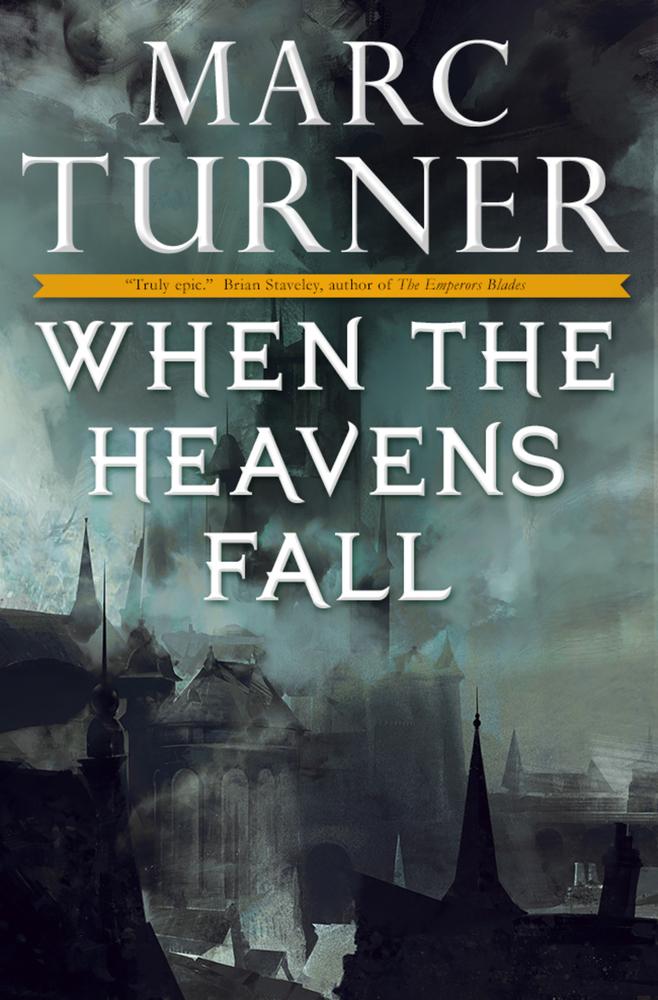 My epic fantasy debut, When the Heavens Fall, came out in May this year, and it can best be summed up as “The Lord of the Rings meets World War Z.” It’s not a zombie apocalypse novel, but that’s going to come as scant consolation to the characters who find themselves having to wade through an army of undead.
In a recent interview I was asked if I had a plan to survive a zombie apocalypse. Unsurprisingly, it’s not something I spend too much time thinking about. With Christmas approaching, though, what better way to get into the festive spirit than contemplating the end of the world, and all the reasons why we wouldn’t stand a chance of surviving it?
Here, then, are five (futile) tactics for surviving the zombie apocalypse.
Run
If you live in a city, the first thing you’re going to want to do is leave. No matter what the cause of “zombieism” is, the infection is always transmissible, which means the friend standing beside you could soon be wondering how you taste with ketchup. There’s no such thing as safety in numbers when the numbers can so easily turn against you.
But how do you leave? By car? Only if your vehicle can fly over all the other cars clogging the streets. By train? If you think public transport is unreliable now, how do you imagine the apocalypse is going to improve punctuality?

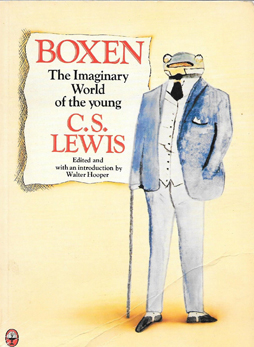 C.S. Lewis loved walking, and in one letter to his friend Arthur Greaves he wrote of a fifty-mile three-day expedition he undertook alongside other friends: walking by day through woods and river valleys, at evenings stopping at local houses where the company might discuss the nature of the Good. Bearing this image in mind I’ve decided to begin wandering through the terrain of Lewis’ fiction. It is well-trodden ground, as many others have done this before me. But there’s a certain charm in seeing things for oneself. It is also just possible that another pair of eyes may spot something new in even the most familiar landscape, if the terrain is varied enough. And Lewis’ writing, as a whole, stands out as heterogeneous indeed.