Goth Chick News: Something Wicked Is Coming Back This Way…
 Okay, at this point it’s pretty clear that Hollywood is out to remake every story that ever freaked us out as kids.
Last month, we heard Cary Fukunaga (True Detective) is finally set to direct an IT remake after five years in development hell. That was OK, since it’s not like clowns were ever going to be funny and harmless again anyway.
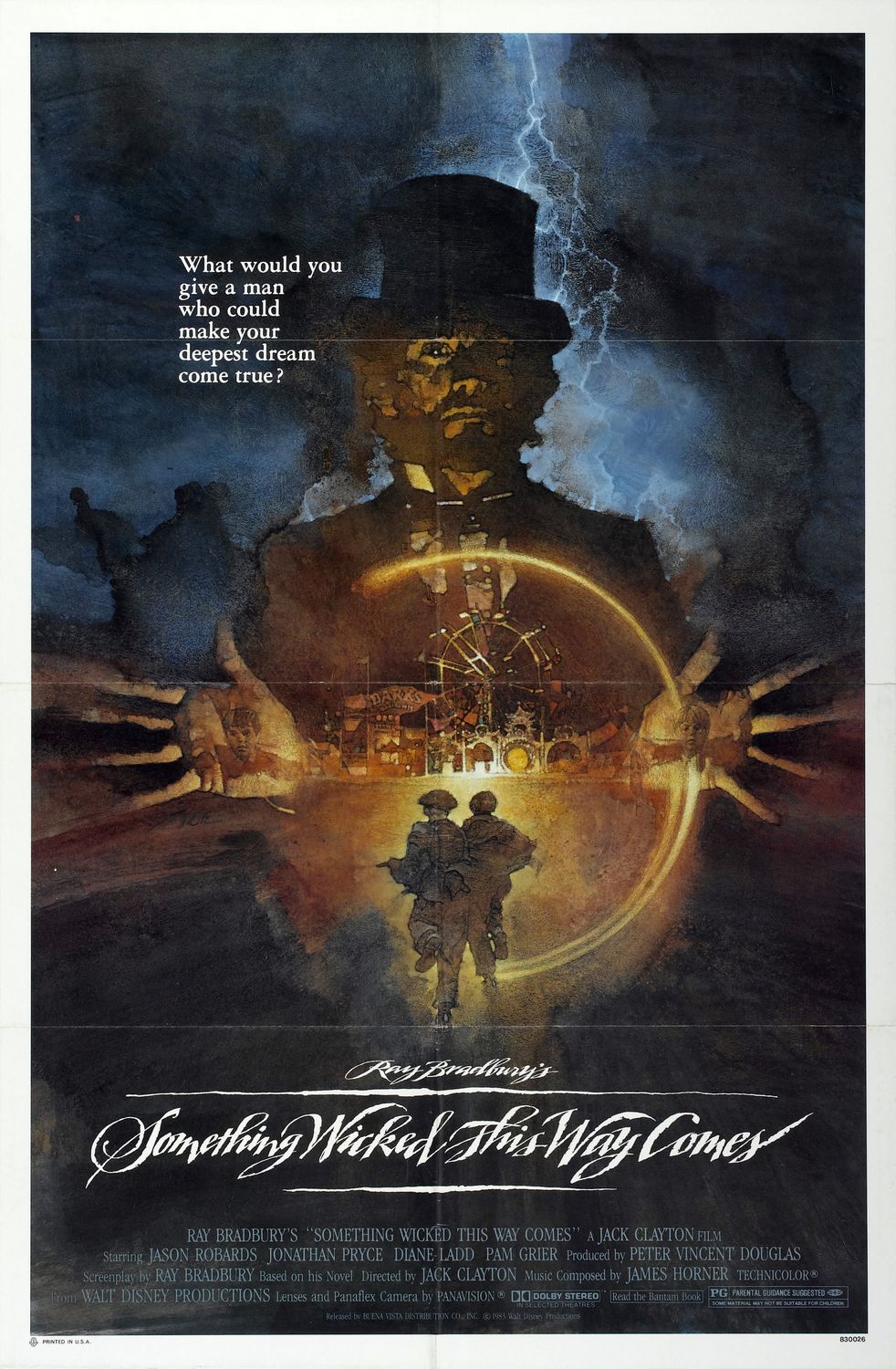
But this week, we learn that Disney is taking another run at their 1983 film version of Something Wicked This Way Comes and once again I heave that sigh which basically says ‘there they go f’ing up another classic.’
Not that the movie version of Something Wicked is entirely a “classic” that did well the first time around – because it didn’t.
Bradbury actually scripted the original film, but he and the director Jack Clayton had a difference of opinion over the tone of the movie. Clayton wanted something more “family-friendly” and Disney had a revised draft produced without Bradbury; but the first cuts of the film tested poorly. Additional effects and a new score were added and Bradbury was brought back in to write new material.
But it was too little too late. Bradbury always claimed much of his intentions for the movie were destroyed and Disney barely broke even.


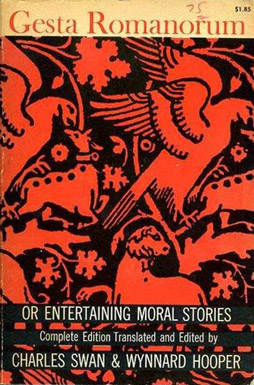 Somewhere in Europe, probably around the end of the 13th or the beginning of the 14th century, someone put together a book of tales. Likely this someone was a cleric who wanted to compile a manual to use in sermons and preaching. The texts were written in Latin and featured stories of all sorts: romances, travellers’ tales, fragments of Pliny and Herodotus and Aesop. A number were brief and didactic, if not prosaic, describing some uninteresting event or propounding a riddle a nearby wise man quickly answered with too pat an explanation — but others of the tales were filled with miracles and adventure and magic, with angels and saints and knights and dragons. Each was given a detailed moral, with every incident and character shown to have allegorical significance. Whether because it boasted wonder-stories, because it made those wonder-stories Christian parables, or both, the book quickly became immensely popular. This being well before the age of print, manuscripts proliferated, gaining and losing stories along the way.