Blogging Sax Rohmer’s The Island of Fu Manchu, Part Four
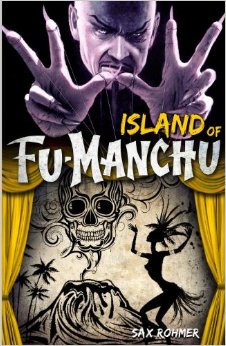
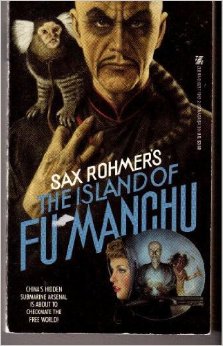 Sax Rohmer’s Fu Manchu and the Panama Canal was first serialized in Liberty Magazine from November 16, 1940 to February 1, 1941. It was published in book form as The Island of Fu Manchu by Doubleday in the US and Cassell in the UK in 1941. The book serves as a direct follow-up to Rohmer’s 1939 bestseller, The Drums of Fu Manchu, and is again narrated by Fleet Street journalist, Bart Kerrigan.
The final quarter of the novel sees Rohmer really deliver the goods with Kerrigan and Sir Denis Nayland Smith successfully infiltrating the Haitian voodoo ceremony of Queen Mamaloi. While similar scenes had occurred in the past at various clandestine gatherings of the Si-Fan, the sequence most closely resembles the gathering of the followers of El Mahdi in 1932’s The Mask of Fu Manchu. Rohmer’s mastery of the art of suspense writing makes the reader believe the heroes are in genuine danger. While this is no small feat, considering the number of times Rohmer had penned similar scenes in the past, part of the success here is down to the climactic revelation of the voodoo Queen Mamaloi.
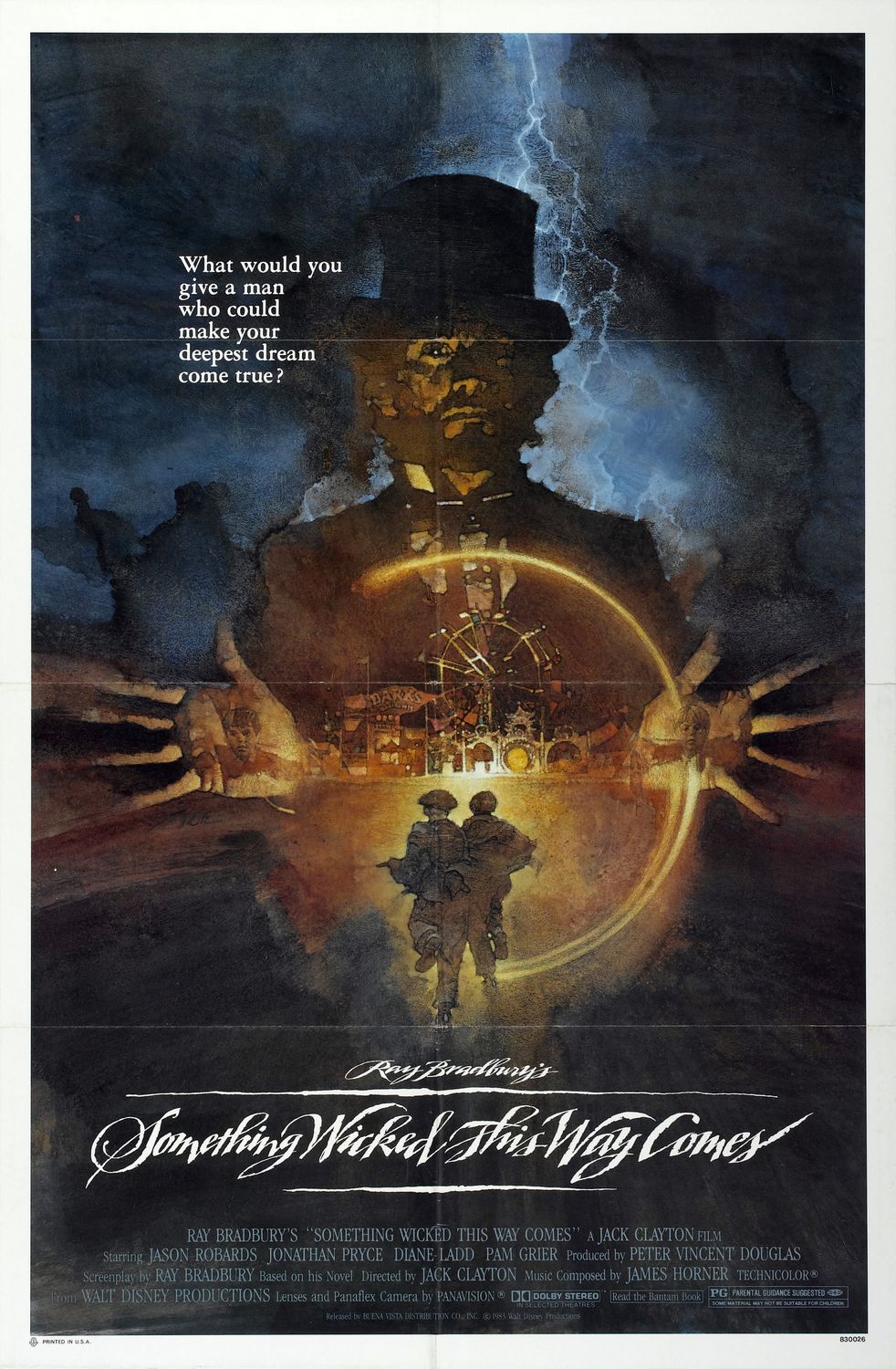



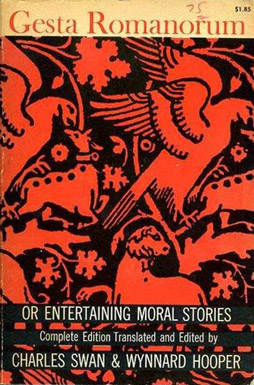 Somewhere in Europe, probably around the end of the 13th or the beginning of the 14th century, someone put together a book of tales. Likely this someone was a cleric who wanted to compile a manual to use in sermons and preaching. The texts were written in Latin and featured stories of all sorts: romances, travellers’ tales, fragments of Pliny and Herodotus and Aesop. A number were brief and didactic, if not prosaic, describing some uninteresting event or propounding a riddle a nearby wise man quickly answered with too pat an explanation — but others of the tales were filled with miracles and adventure and magic, with angels and saints and knights and dragons. Each was given a detailed moral, with every incident and character shown to have allegorical significance. Whether because it boasted wonder-stories, because it made those wonder-stories Christian parables, or both, the book quickly became immensely popular. This being well before the age of print, manuscripts proliferated, gaining and losing stories along the way.