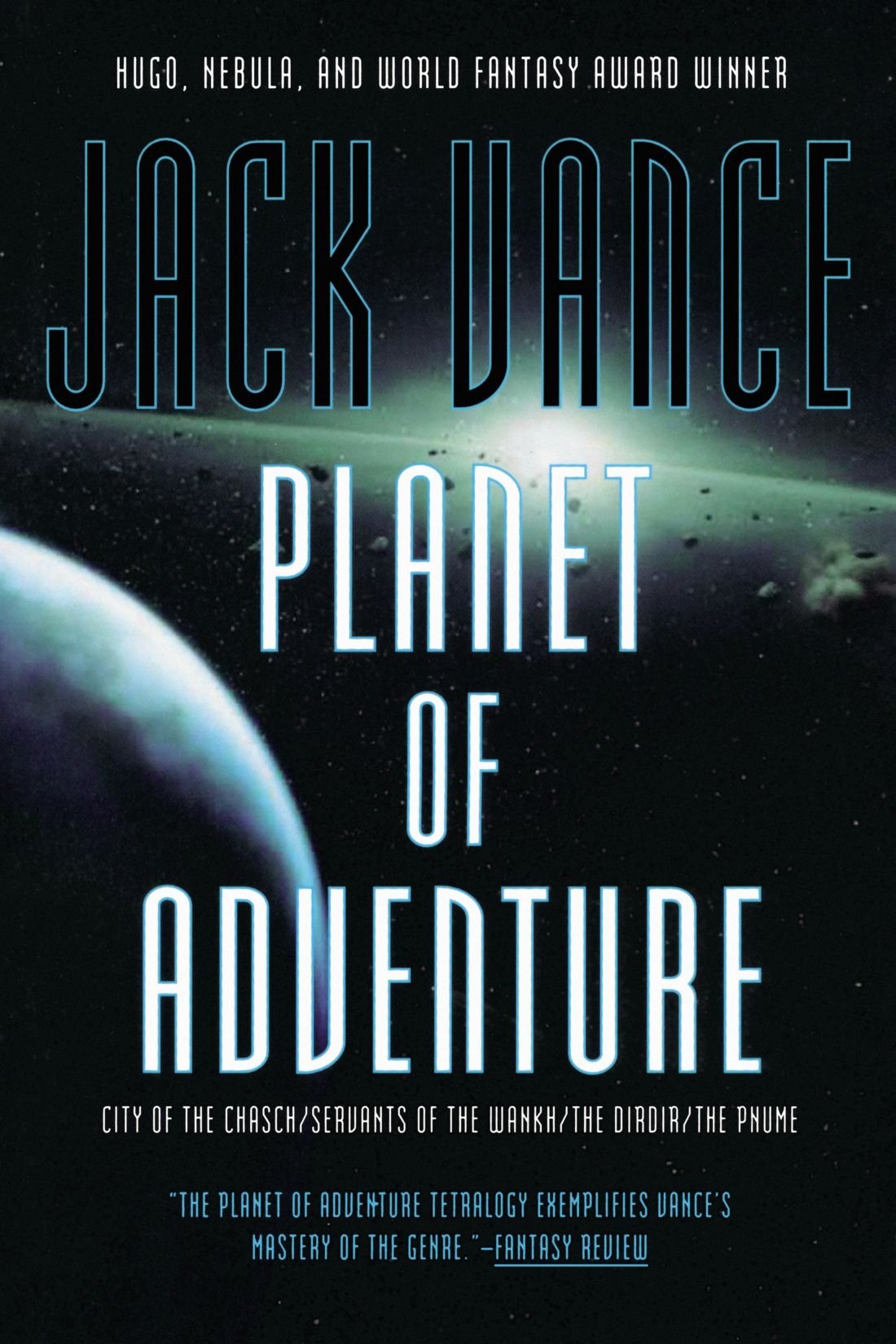
The Omnibus Volumes of Jack Vance, Part I: Planet of Adventure
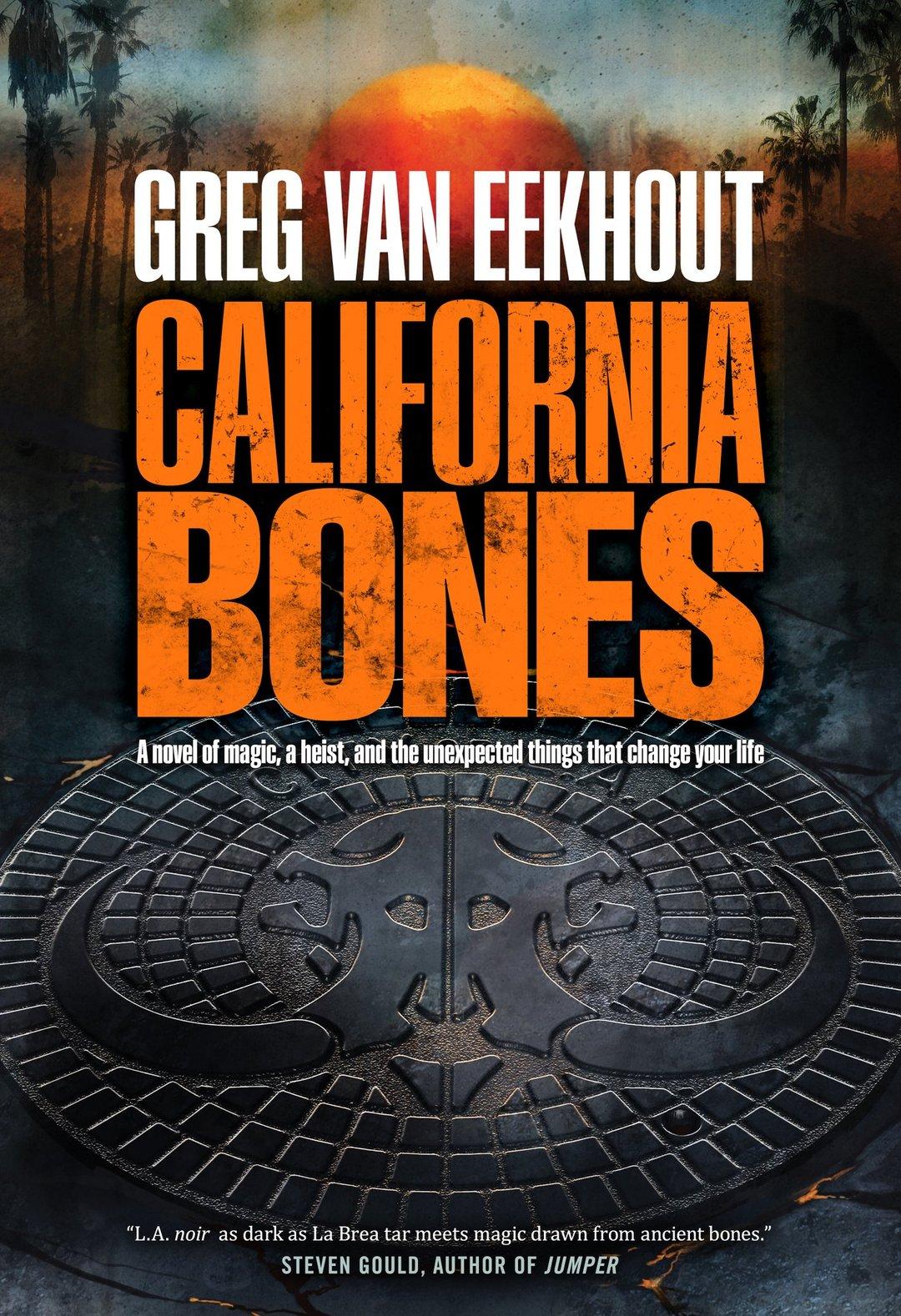
 I’ve been exploring the work of Jack Vance recently, inspired by the beautiful volumes from Subterranean Press collecting his earliest short stories, The Early Jack Vance. Four have been released so far, and we covered the upcoming fifth volume, Grand Crusade, here.
I don’t think I really understood just how prolific Jack Vance was until I set out to collect his paperbacks. I began that undertaking decades ago, and it’s still underway. At last count, I had well over 50. He published over 20 through DAW alone (Amazon has listed many of them here).
Still, one of the great things about Vance is that you don’t have to work hard to find his most popular fiction. Over the years much of it — including his Dying Earth, Demon Princes, Durdane, Alastor, and Ports of Call books — has been collected in handsome and affordable omnibus editions from Orb/Tor, Gollancz, and the Science Fiction Book Club. And most of them are still in print.
Earlier this week I published the third and final installment of my survey of The Omnibus Volumes of C.J. Cherryh. That started out as a modest attempt to catalog the omnibus editions of Cherryh’s early paperback SF and fantasy from DAW Books, and eventually became an excuse to showcase the covers of all 22 of her original novels. It was a lot of fun, especially if you have an obsessive interest in vintage paperbacks like I do.
Coincidentally, I ordered a set of Jack Vance omnibus editions earlier this month, and when they arrived I realized I could do the same thing with Vance. I’ve never really explored Vance’s back catalog with any thoroughness here at Black Gate, and it seemed like the right time.
So here we are. We’re kicking things off today with Planet of Adventure, an omnibus collection of four linked space opera novels: City of the Chasch (1968), Servants of the Wankh (1969), The Dirdir (1969), and The Pnume (1970). Next to The Dying Earth this is perhaps Vance’s most popular series, so it’s as good a place to start as any.