Neil Clarke on The Sad Truth About Short Fiction Reviews
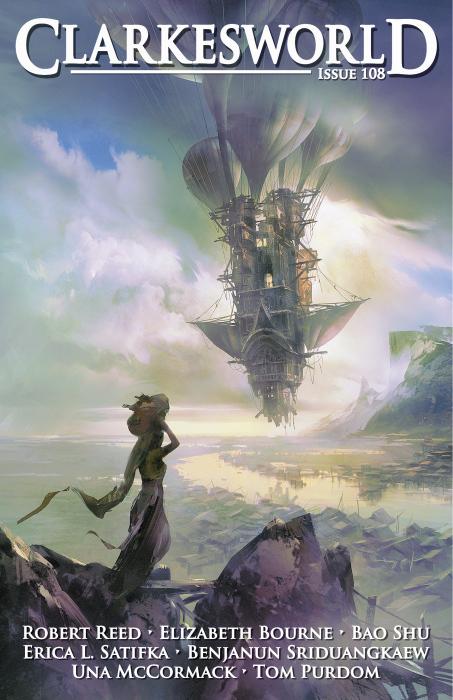 Neil Clarke, founder and Editor-in-Chief of the award winning Clarkesworld magazine, has some pretty harsh words on the utility of short fiction reviews in our industry.
The sad truth about short fiction reviews is that the overwhelming majority of them have little-to-no impact on readership. After monitoring the incoming traffic for the online version of this magazine for nine years, I can say that the typical review has a statistically insignificant impact on the readership of a story or issue. The only notable exception to this has been reviews on high traffic sites, like io9 or Tor.com, that focus specifically on a single story. As the number of stories in a review increases, there’s a dramatic drop-off in story readership.
“Oh, but that’s not the purpose of a review.” Yes, reviews have many purposes and sometimes their impact on readership can be secondary. For example, a good review in Locus may indicate good chances at being on their recommended reading list. That might have an influence on other award nominations as well. If a story happens to make one of those ballots, it definitely has an impact, but that’s a very small percentage of the stories reviewed in a year.
Shouldn’t reviews of good stories have the effect of encouraging people to read the story?
With all due respect, I think Neil is missing the essential point of short fiction reviews. I bought and published short fiction for over a decade, and one thing I learned was, with a handful of exceptions, nobody writes short fiction for the money. They write to reach an audience, and because they have something to say. Short story writers, in a very real sense, are paid with the acclaim they receive.
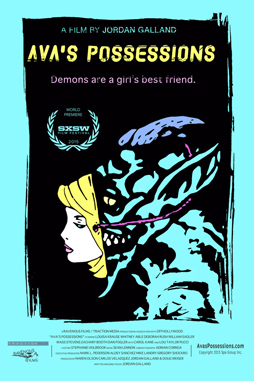 Friday, July 31, started late for me at Fantasia. My first movie, a horror-comedy called Ava’s Possessions, screened at the Hall Theatre at 5:15. After that I decided to watch the Indonesian wuxia movie The Golden Cane Warrior. Then I’d go across to the De Sève Theatre to catch the surreal science-fictional American-Argentinian movie H. before returning to the Hall for the Friday midnight movie, a Quebec-made tribute to 80s post-apocalypse action movies called Turbo Kid. That would carry me through to something like 2 AM. So if things started late, at least it looked like I had a lot on the agenda.
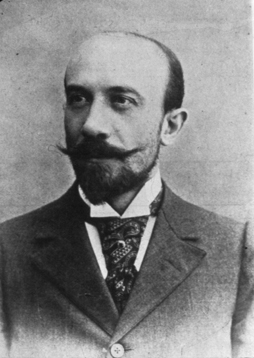 Thursday, July 30, looked like one of the odder days I had lined up at the Fantasia Festival. I’d head down to the De Sève Theatre early on to catch a new American science-fiction film called Synchronicity, then go to the screening room to watch a dialogue-free horror film called The Dark Below. After that, I’d go back to the De Sève to catch the Irish black comedy Traders, and finally wrap up with an event called Méliès et magie, an event presenting some of the classic short films by the first master of fantasy cinema. It looked like a varied day, though in the end it was less so than I’d expected.
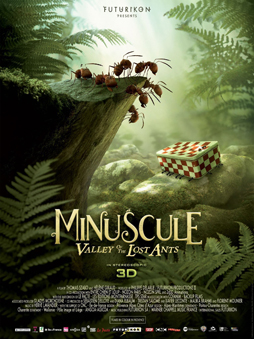 I took a day off from Fantasia on Tuesday, July 28, to run some errands and buy some groceries, then returned on Wednesday to begin a kind of mini-marathon that would carry me through to the end of the festival. I saw four movies Thursday, starting at the De Sève with a wordless 3D animated French film called Minuscule, about a ladybug who falls in with a group of ants who’ve liberated a box of sugar from an abandoned picnic. After that I went to the screening room to see an Australian horror-suspense movie called Observance. Then I went back to the De Sève for the semi-science-fictional German action movie Boy 7. After getting out of that one, I made a snap decision to run across the street to the Hall Theatre to watch the Korean action-comedy Big Match. Which turned out to be one of the better calls I made all festival.