Vintage Treasures: Special Wonder, Volumes 1 & 2, edited by J. Francis McComas

Vintage Treasures: Special Wonder, Volumes 1 & 2, edited by J. Francis McComas

Special Wonder-small

The Magazine of Fantasy & Science Fiction was founded in 1949 by Anthony Boucher and J. Francis McComas, who believed science fiction and fantasy could aspire to a literary niche far above the level of the pulp magazines of the 30s and 40s. With F&SF they succeeded brilliantly, launching a magazine with a discerning adult readership that published some of the best fiction of the 20th Century — and is still published today.

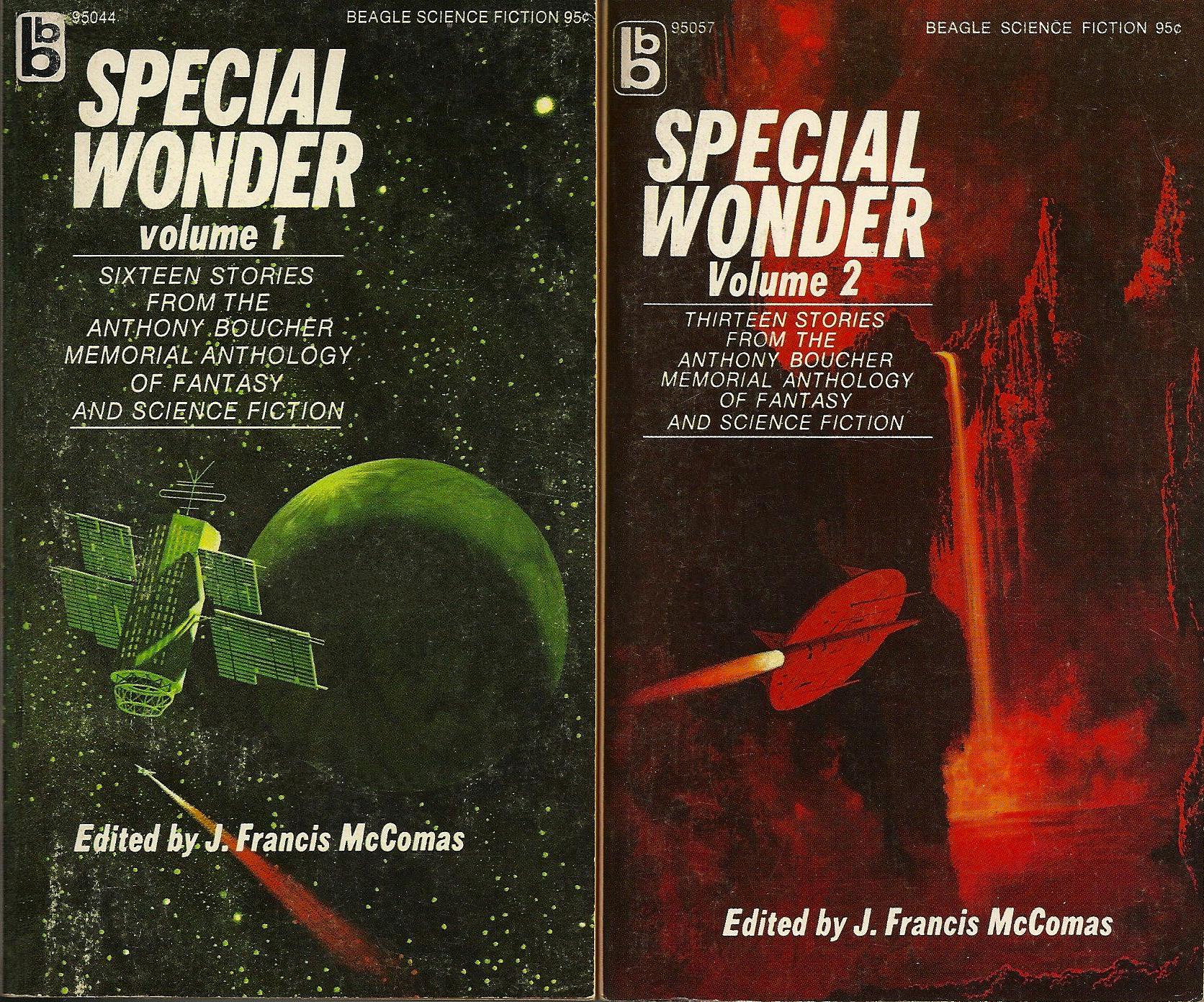
Anthony Boucher remained editor of F&SF from Fall 1949 to August 1958. After his death in 1968, McComas assembled a tribute anthology called Special Wonder, collecting stories from 29 of the top writers in the field. It was published in hardcover in 1970 by Random House, and then reprinted in paperback in two volumes in January and February of 1971 by Beagle Books (above). Special Wonder contained reprints that were “to Tony’s taste,” most of which had been published in F&SF, and in aggregate they provided a splendid representative sample of the kind of writing that Boucher sought out, nurtured, and made a home for in the field.

Read More Read More

The Public Life of Sherlock Holmes: Frederic Dorr Steele

The Public Life of Sherlock Holmes: Frederic Dorr Steele

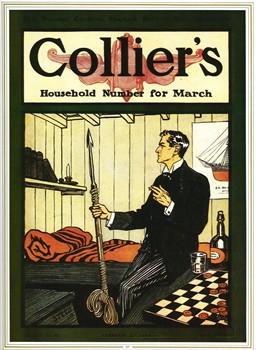
Colliers Black PeterBack in July, in a post on Sidney Paget, I wrote “Along with Frederic Dorr Steele, Paget is certainly one of the two most significant illustrators of the great detective.” Having covered Paget, now we look at Dorr Steele.

In 1893, Doyle, feeling that writing Holmes stories was holding him back from more important works, did the unthinkable: he killed the world’s most popular detective. In 1902, he revived Holmes for one adventure in his most famous story, The Hound of the Baskervilles, with good old Sidney Paget illustrating again. Doyle made it clear this was an earlier case of Holmes’ and that the great detective was, in fact, still dead.

The stories from The Adventures of Sherlock Holmes and The Memoirs of Sherlock Holmes had been illustrated by various artists in America, where they appeared in different magazines and newspapers. There was no sole source for the stories, as there was in England with The Strand. For the most part, the drawings were rather uninspired

Some of Paget’s were also used, but often just a few, not the full set for each story. Thus, a common image of Holmes had not evolved from the drawings. There was no Sidney Paget in the United States. But there was about to be!

Read More Read More

Future Treasures: Year’s Best Weird Fiction, Volume 2, edited by Kathy Koja and Michael Kelly

Future Treasures: Year’s Best Weird Fiction, Volume 2, edited by Kathy Koja and Michael Kelly

Year's Best Weird Fiction Volume Two wrap-small

The first volume of Year’s Best Weird Fiction appeared last October, and was a complete success. Edited by Michael Kelly and guest editor Laird Barron, it gathered the very best weird fantasy of the year, from John R. Fultz, Jeffrey Ford, John Langan, Sofia Samatar, Simon Strantzas, Paul Tremblay, Jeff VanderMeer, and many others (see the complete TOC here.)

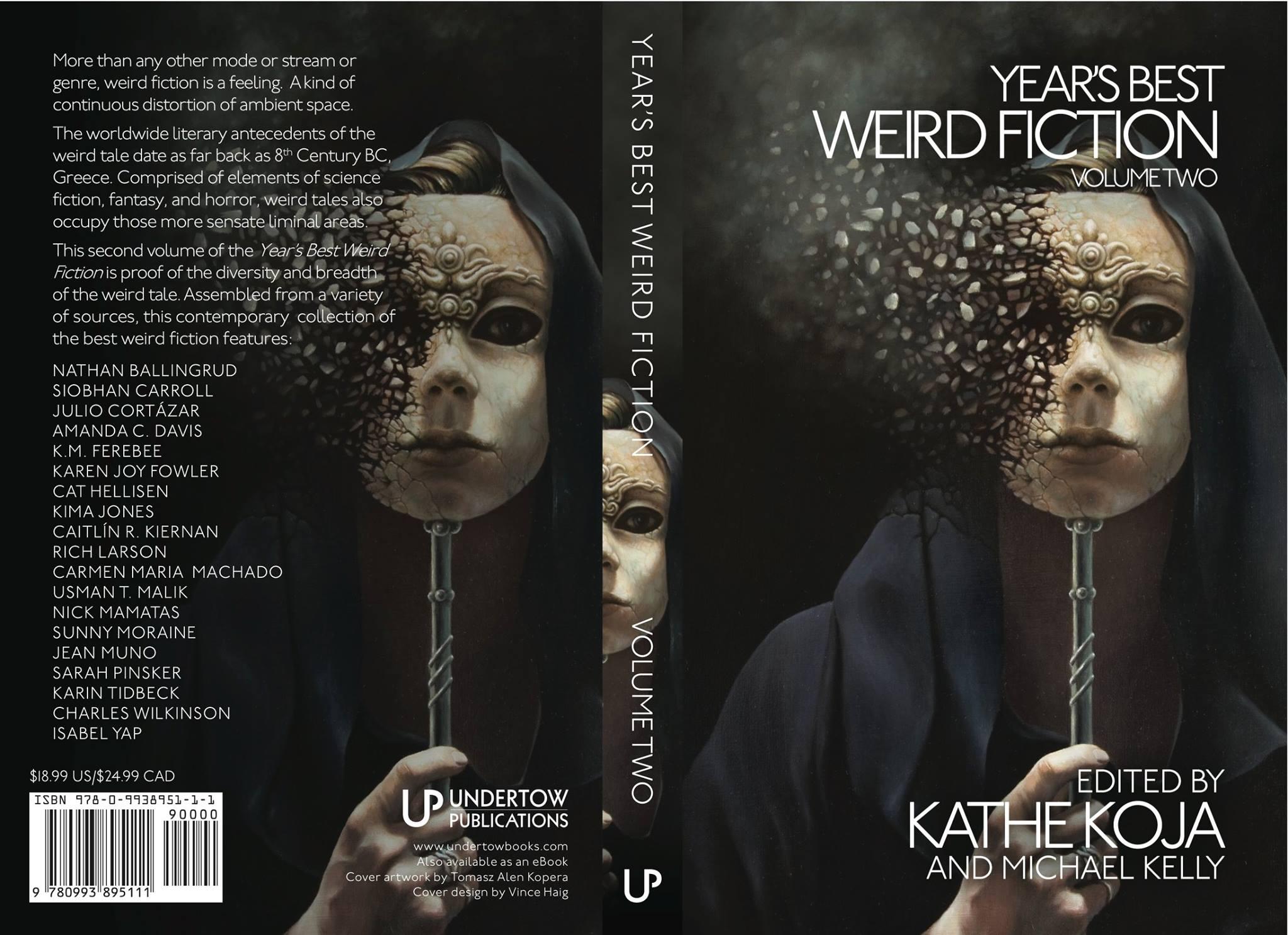
I’ve been highly anticipating the second volume, and I’m not the only one. The one is edited by Kelly and Kathe Koja, and the Table of Contents looks just as stellar. According to publisher Undertow Publications, it will be available November 1st. The cover art is by Tomasz Alen Kopera.

The cover price for the print edition is $18.99, but Undertow currently has a bundle special — get Year’s Best Weird Fiction, Volume 2 and their acclaimed annual anthology Shadows & Tall Trees 5 (regular price $14) for just $25 — including shipping, anywhere in the world. That’s a hard offer to refuse. Check out the details here.

Things Your Writing Teacher Never Told You: Choosing Your Narrative Point of View, Part 2: Who is Your Point of View Character?

Things Your Writing Teacher Never Told You: Choosing Your Narrative Point of View, Part 2: Who is Your Point of View Character?

point-of-view

This is Part 2 in the Choosing Your Narrative POV Series.

Who is Your Point of View Character?

It Might Not Be Your Protagonist. The most common POV choice, particularly for short stories, is for the protagonist to be the POV character. Stories of this type can be written in 1st Person, or Tight Limited 3rd. (More on these terms later in this article.) In very rare cases, they can also be told disguised in 2nd Person.

Your protagonist is the one facing the problem and must be the one who takes the final action that solves the problem and saves the day.

It often makes sense for the protag to be the POV. But there are times when an author chooses to use a sidekick or an observer as the POV character, even when choosing to write the story in 1st Person.

Read More Read More

Plasticity of Vision: Ben Okri’s Famished Road Cycle

Plasticity of Vision: Ben Okri’s Famished Road Cycle

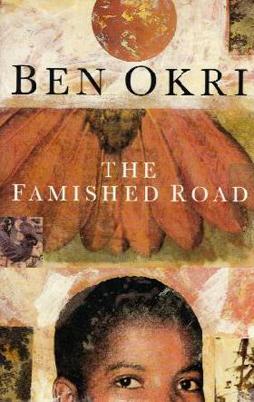
The Famished RoadBen Okri’s 1991 novel The Famished Road won the Booker Prize and was followed in 1993 by Songs of Enchantment and in 1998 by Infinite Riches. Riches called itself “Volume Three of The Famished Road cycle,” which seems an apt term. The books individually are visionary accomplishments, filled with ecstatic and elegant prose; and they are concerned with cycles, of lives and stories. They are concerned with myth, and themselves create myth, a mythology of history or at least a mythology intersecting with history.

They follow Azaro, whose name is short for ‘Lazarus.’ He is an abiku, a spirit child, in what appears to be pre-independence Nigeria (the country where the books take place are never named). Abiku, we are told, are supposed to be born many times, dying young repeatedly; Azaro has decided to stay in this world, but can see spirits and in fact remembers his existence before birth. His friends in the spirit world remember him, too, and want him back. The first book in particular revolves around his determination to stay with the family into which he has been born, and his desire to make his mother happy. The second book, as Azaro himself observes, changes focus; it is less about his struggles with the other world, as his spirit friends change tack: “They chose to draw me deeper into the horrors of existence as a way of forcing me to recoil from life.” The focus here moves away from Abiku, toward his parents and his ghetto community; by the third book we are caught up in their myth, following their story as it moves on toward the end of its cycle.

The books are about, among other things, story and history and the ending of one cycle in a people’s existence and the beginning of a new. They are about the creation of a new nation. Are they fantasies? I suppose it’s mostly possible to read them as realistic — to see Azaro as delusional, to dismiss all the myths and visions as unreal. I am wildly skeptical that such an approach would produce any useful understanding of the books. On the other hand, these books are involved with myth as opposed to the kind of writing normally described by the word “fantasy.” Personally, I’d describe them as fantasies because to me “fantasy” includes the visionary — which these books are, 1990s equivalent to the prophecies of William Blake. It’s fair to argue that I’m getting those words backwards, that fantasy is a subspecies of the visionary instead of the reverse; but I think that “fantasy” perhaps also implies the kind of creative response demanded here of readers. As I said, I don’t think approaching these books with a perspective that privileges the realistic will get very far. Whatever world you use for them, it’s worth acknowledging that these are books of myth that call out to the mythic sensibility.

Read More Read More

Scrolls of Legendry #1 is Your Source for Old-School Fantasy Reviews

Scrolls of Legendry #1 is Your Source for Old-School Fantasy Reviews

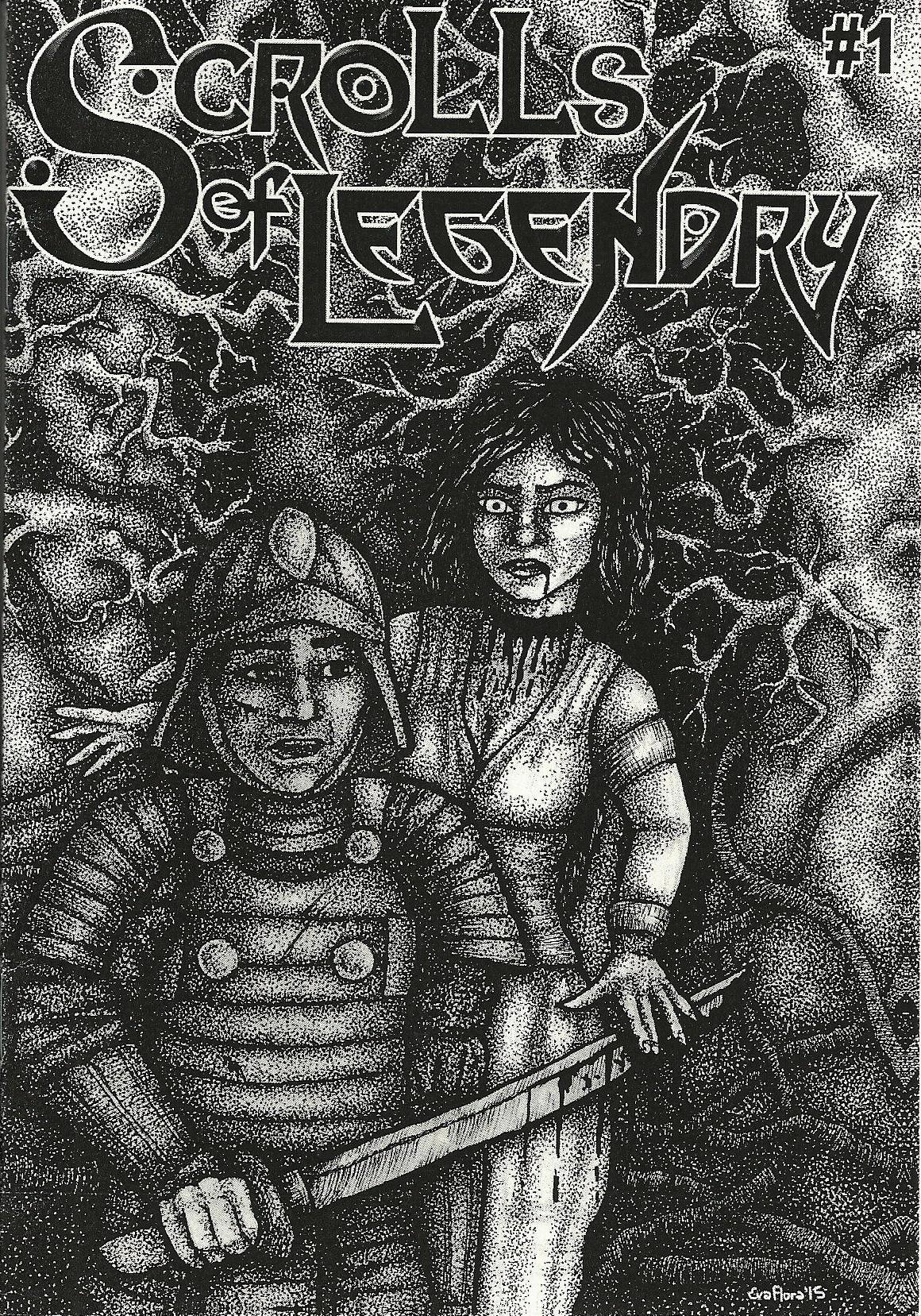
Scrolls of Legendry 1-smallD.M. Ritzlin, editor of Swords of Steel, is a man who knows sword & sorcery. His latest venture is an intriguing little magazine devoted to reviewing overlooked heroic fantasy, horror, and weird fantasy of all kinds. Here he is in the editorial for the first issue:

Scrolls of Legendry is for the overlooked and forgotten, whether they’re lost classics or things that would be better off undiscovered. We’re only going to review old, out of print books, with a few exceptions for reprints or other works of interest to us. Some of these titles probably haven’t been reviewed in decades… or in some cases, at all.

As you may have inferred from the title, the main focus in the pages of Scrolls of Legendry is fantasy (especially of the sword & sorcery variety), because that’s what we’re most passionate about. But we’ll also include related genres such as horror, historical adventures, and science fiction. If you’re a fan of the great authors of Weird Tales like Robert E. Howard, H.P. Lovecraft, and Clark Ashton Smith, Scrolls is for you.

In addition to reviews, each issue we’ll have a story or article. For our debut, Jeff Black presents us with “The Heaviest Sword.” It takes place in Japan, an underused setting for sword and sorcery.

The first issue proved to be surprisingly packed for such a slender little zine, crammed with articles on long out-of print texts by H. Bedford-Jones, John Christopher, Tanith Lee, Robert Lory, F. Van Wyck Mason, Thomas Burnett Swann, Karl Edward Wagner, and others.

Read More Read More

Seriously Wicked: Not Just a Halloween Book

Seriously Wicked: Not Just a Halloween Book

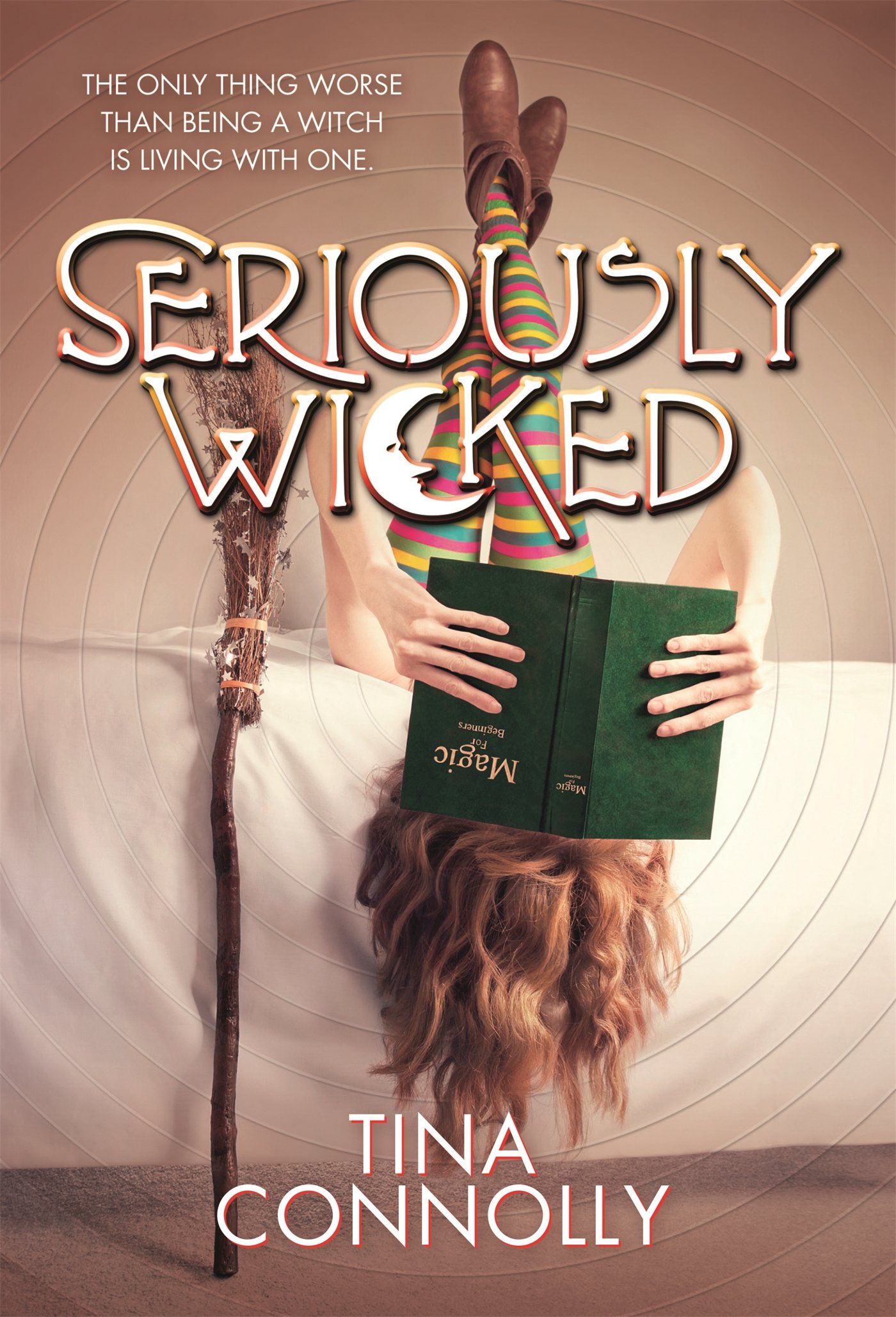
Seriously Wicked Tina Connolly-smallSeriously Wicked
By Tina Connolly
Tor Teen (208 pages, $17.99 in hardcover, $9.99 digital, May 5, 2015)

Camilla Hendricks is a teenager who lives with her Aunt Sarmine. On the surface, Camilla appears to have an average life: she does chores, attends school, hangs out with her friends, and avoids her enemies. The reality, however, is anything but mundane: Aunt Sarmine is a witch. Camilla spends her days gathering spell ingredients, trying to decipher arcane spells written by paranoid witches, and mucking the dragon’s lair.

Camilla is a bit of a rebel, though; she’s vowed to be as normal as she can be and have a normal life with normal friends. Most importantly, she never, ever wants to be an evil witch like Sarmine. Unfortunately, that plan is thwarted when Sarmine summons a demon which then gets accidently implanted in Devon, the “boy-band-cute” new guy at school. Camilla has to help demonized-Devon find a phoenix that is timed to explode in the middle of their high school’s Halloween Dance. In order to do so, she has to embrace everything she’s tried hard to deny.

This book is a fun, easy read. While it ends up almost exactly where I thought it would (good guys win, bad guys lose, Camilla comes to terms with being a witch, Sarmine shows she has a heart and maybe isn’t actually evil at all), Connolly manages to incorporate a few fun twists along the way.

Read More Read More

Discovering Robert E. Howard: Morgan Holmes on Armies of the Hyborian Age: The Cimmerians

Discovering Robert E. Howard: Morgan Holmes on Armies of the Hyborian Age: The Cimmerians

Morgan_AxBecause of REH’s broad diversity in writing, there are a multitude of areas to explore. And as you know from our ‘Discovering Robert Howard’ series, there are a lot of folks who write excellent stuff on so many different areas. Another example is today’s poster, Morgan Holmes. If you’re interested in what I think of as ‘military stuff and Conan,’ he’s writing what you want to read. Like this post!


The Cimmerians are one of the great barbarian peoples of the Hyborian Age. They are also off stage in the Conan stories, though they figure prominently in “The Hyborian Age” essay. Putting together an idea how the Cimmerians fought and perhaps how they looked is a bit of detective work and some supposition.

Robert E. Howard’s Cimmerians are descendents of refugees from Atlantis. From the Kull stories, the Atlanteans are a vigorous, warlike people. In a death grip with the Picts after the Cataclysm, they sink to apedom and then work their way back to barbarism from a sub-savage bestial existence. Tall, dark-haired, with blue or gray eyes, you can see the same type in Ireland today.

Cimmeria itself is described in the first version of “Phoenix on the Sword:” “It is all of hills, heavily wooded, and the trees are strangely dusky, so that even by day all the land looks dark and menacing.”

There is mention of cold winds and snow. Cimmeria is a hard land that breeds a hard people. Natural selection has produced a tough people inured to hardship. Names of Cimmerians given are all Gaelic. The Irish and Highland Scots are the pure blooded descendents of the Cimmerians thousands of years later according to “The Hyborian Age.”

Read More Read More

New Treasures: The Silent End by Samuel Sattin

New Treasures: The Silent End by Samuel Sattin

The Silent End-small The Silent End-back-small

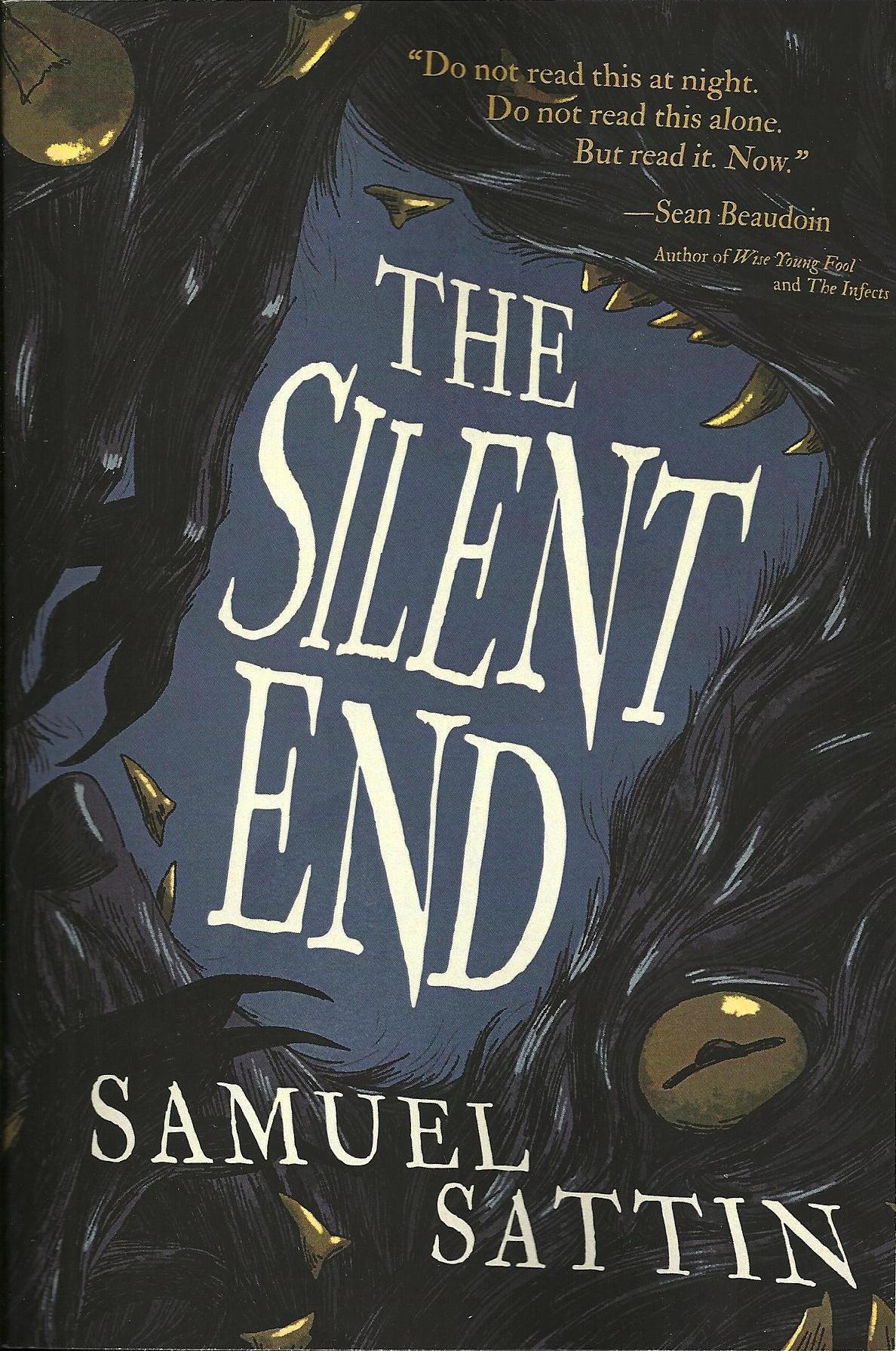
Samuel Sattin’s first novel, League of Somebodies, was labeled “One of the most important novels of 2013” by Pop Matters. His second novel, The Silent End, has been called “a young adult novel that’s right over the plate for pop culture fans” by Bleeding Cool. It’s not hard to see why. This is the kind of book that immediately snares your attention. Here’s the first sentence of the book description:

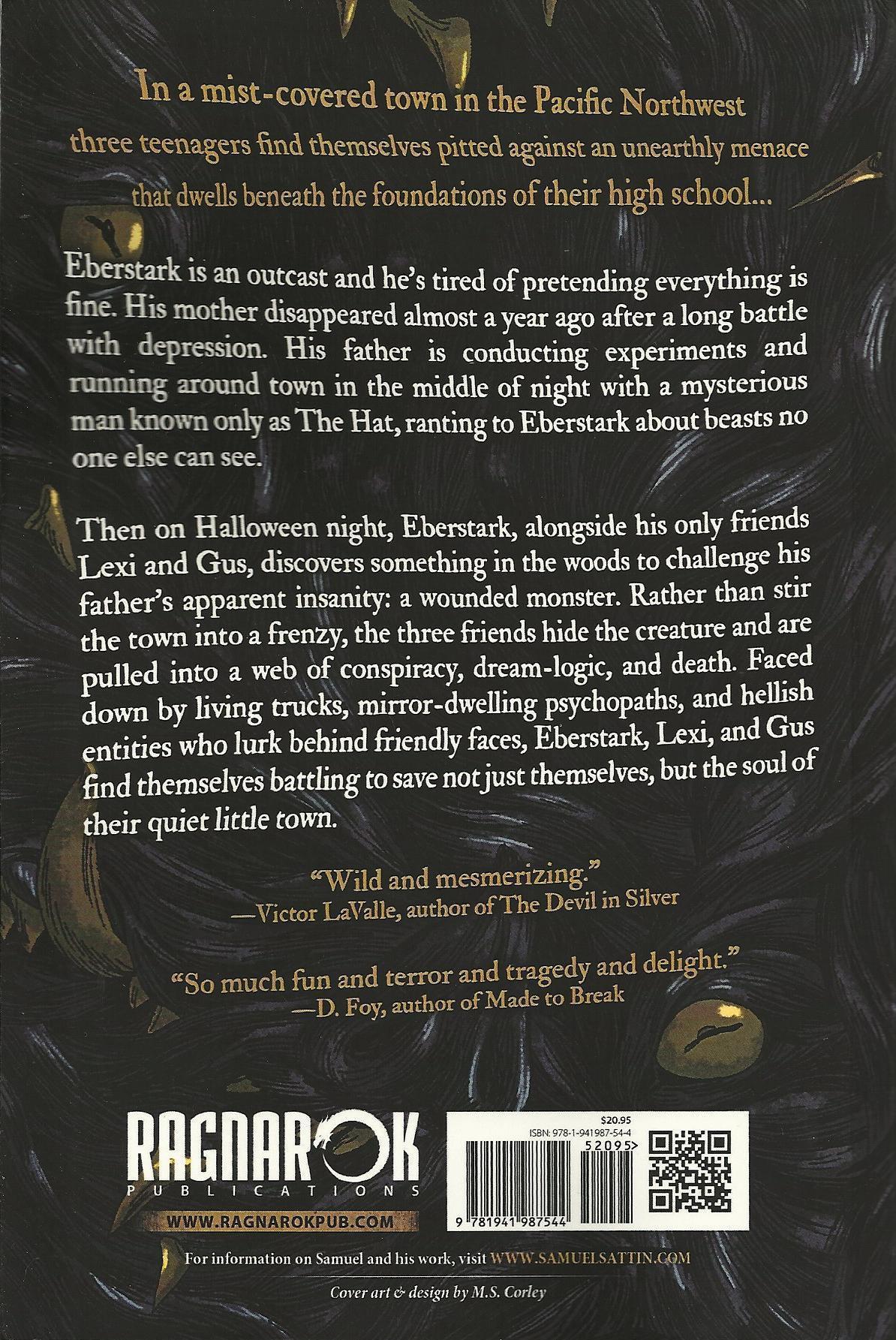
In a mist-covered town in the Pacific Northwest, three teenagers find themselves pitted against an unearthly menace that dwells beneath the foundations of their high school…

So far the reviews have been terrific. Here’s Victor LaValle, author of The Devil in Silver and Big Machine:

Imagine if Halloween had been written by The Kids in The Hall instead of John Carpenter and you start to understand the wild, mesmerizing mash up that is The Silent End. Monsters and monstrous fathers, missing mothers and young love — somehow all of this and much more fits wonderfully into this book. It manages to be scary and sweet and very, very fine. Sam Sattin is a talent and this novel is a joy.

The Silent End was published by Ragnarok Publications on August 9, 2015. It 506 pages, priced at $20.95 in hardcover and $4.99 for the digital edition. The cover is by M.S. Corley. Read the first chapter at Comic Vine.

Dr. Strange, Part I: Establishing the Mythos: Master of the Mystic Arts in The Lee-Ditko Era

Dr. Strange, Part I: Establishing the Mythos: Master of the Mystic Arts in The Lee-Ditko Era

dr strange 1
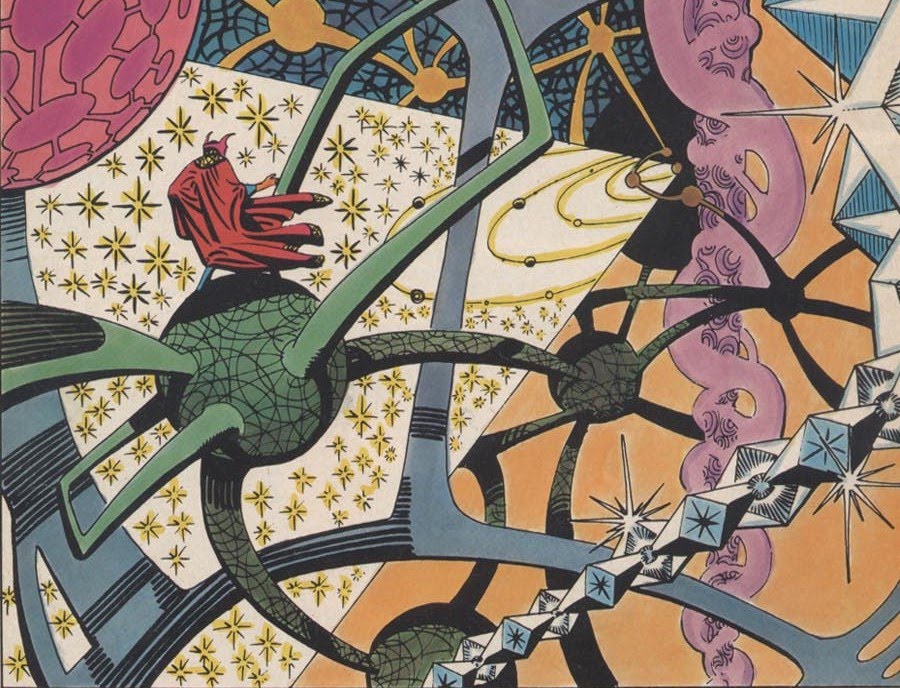
The brilliant, eerie worlds of Dr. Strange.

I’ve always liked Dr. Strange. Issue #43 was one of the first four comics my mother gave me in 1980. Stephen Strange is a lonely, stoic hero whose scope of danger and action is nearly always cosmic, and whose inner demons are as powerful as anything he faces with magic.

By the time I was finishing high school, my collection had grown to the point that I had a pretty good grip on his adventures from his first appearance in 1963 to his loss of everything in the late 80s.

Our fearless leader John O’Neill blogged recently about the news of the Dr. Strange movie. I don’t know how I feel about the movie — I have a lot of trouble with disappointing adaptations, but like I did with the Adam Warlock books, I’d like to take a retrospective look on my favorite comic sorcerer.

In my head, the classic Dr. Strange can be broken into three periods. In this post, I’ll look at the establishment of the Dr. Strange mythos in the Lee-Ditko era (roughly Strange Tales #130-#141).

In the early 1960s, there were essentially two creative engines at Marvel. Stan Lee and Jack Kirby had created Thor, the Hulk, the X-Men, Iron Man, the Avengers, and the Fantastic Four. Stan Lee and Steve Ditko had created Spider-Man.

Read More Read More