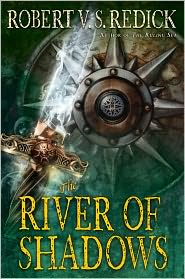
 The River of Shadows (Book III of the Chathrand Voyage Series)
Robert V.S. Redick
Del Ray (592 pages,$16.00, April 2011)
Reviewed by David Soyka
My purpose here is simply a warning. If you are part of that infinitesimally small [and ever smaller] band of dissidents with the wealth, time and inclination to set your hands on the printed word, I suggest you consider the arguments against the current volume. To wit: the tale is morbid, the persons depicted are clumsy when they are not evil, the world is inconvenient to visit and quite changed from what is here described, the plot at this early juncture is already complex beyond all reason, the moral cannot be stated, and the editor is intrusive. The story most obviously imperils the young.
p. 107-108
There are various reasons for such “editorial” intrusions into a narrative rolling along quite nicely seemingly without need for meta-fictional comment. One is in fact to be meta-fictional, to purposely draw attention to the illusion of storytelling. But, another, opposite tact, is to give the text the illusion of legitimacy, that what we’re reading, however improbable, is an actual historical document. The latter is the approach of the modern über-fantasy, Lord of the Rings, in which the tale is presented as an ancient manuscript edited for a contemporary audience by a medieval scholar.
Given that this was J.R.R. Tolkien’s day-job, this might have been intended as a kind of inside joke, albeit from a guy who wasn’t particularly jokey. In the case of Robert V.S. Redick, whose The River of Shadows, the penultimate volume in the Chathrand Voyage Series, is a sort of Tolkien at sea, he pointedly wants us to be in on the joke.
There are a lot of “paint by the numbers” Tolkien clones for the simple reason that there is a market for people who want more of the same. They’ll probably enjoy this series. But while Redick may be guilty of a little too slavish attention to both fantasy cliché and Perils of Pauline dilemmas resolved by convenient magical cavalry to the rescue, it’s all in good fun. Not the sort of fun that’s saying, “Ew, how stupid all this heroic questing stuff is.” Rather, it’s the sort of fun that’s saying, well, isn’t this all great fun?
Which, it is.
…
Read More Read More
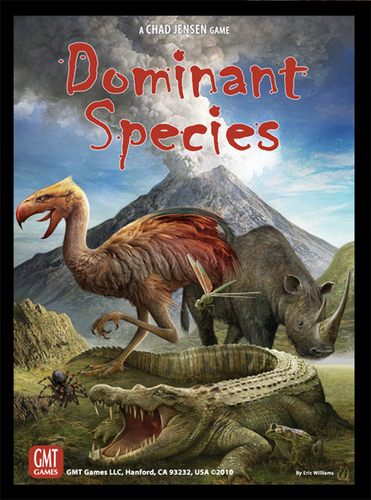 While my last few columns have focused on solitaire games, I thought I’d take a look at some relatively new boardgames with surprising themes and game play.
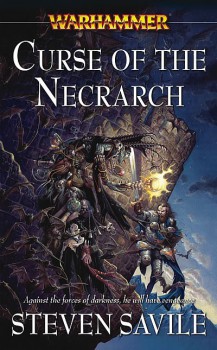 Curse of the Necrarch
 In this double episode finale, we get to the end of one of the best seasons. It started out a little rocky, but had some of the series’ best episodes, I think. The finale happened while I was a on a plane to Arizona for vacation, so I wasn’t able to review it until I got back this week. (Gotta love DVR!)
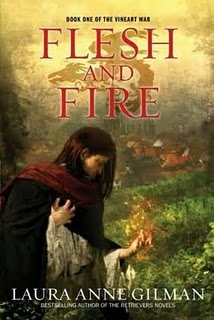 Flesh and Fire
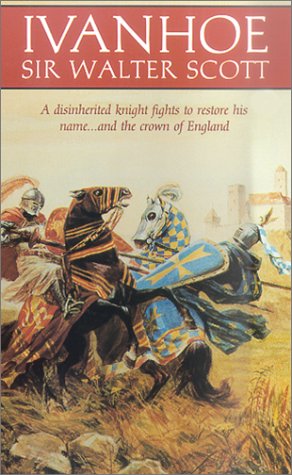 There’s a school of thought that views the Middle Ages as a dark gulf between the Classical Age and the rebirth of reason known as the Renaissance. The Middle Ages were, to paraphrase science fiction author David Brin, an unhappy time of small-mindedness and fear, marked by the squabbles of petty nobles, ignorance, superstition, and religious persecution.
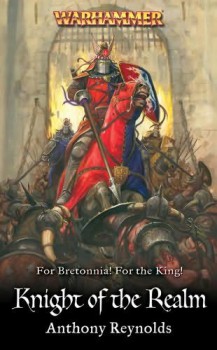 Knight of the Realm
 Intelligent Design