Stellar Empires and Space Pirates: Blackwood & Virtue by Bennett R. Coles
 |
 |
 |
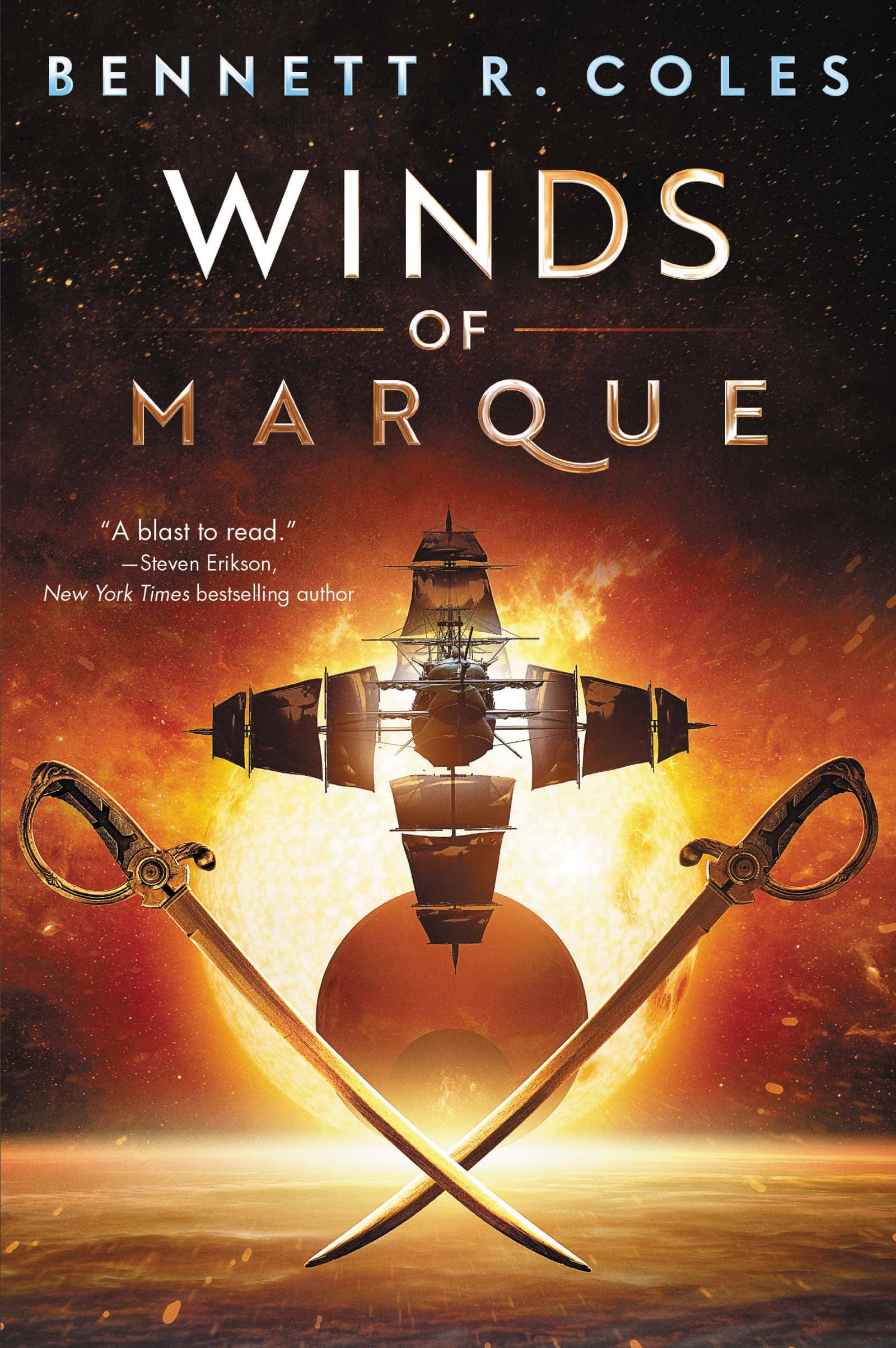
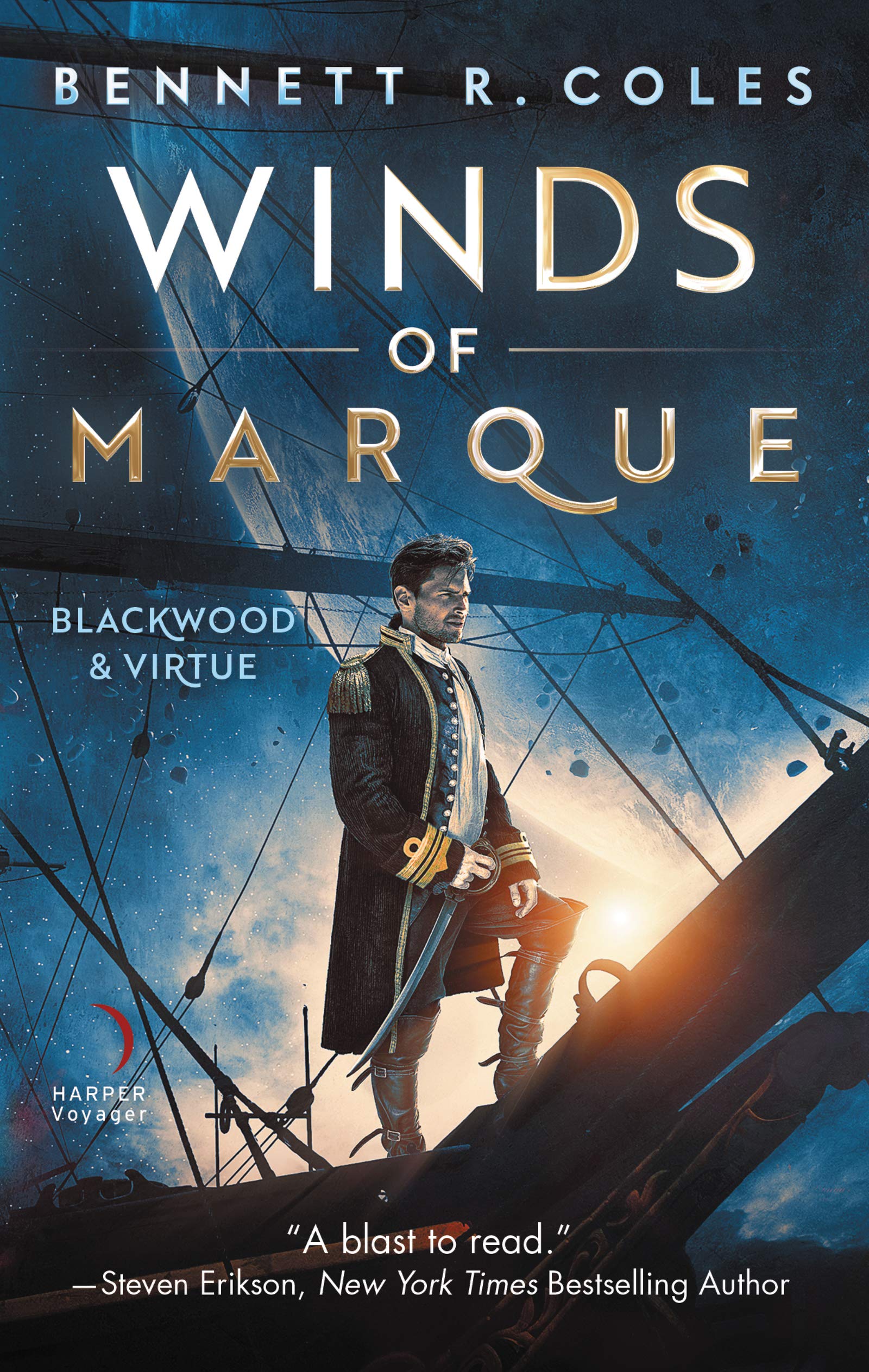
Winds of Marque 2019 first edition (left, cover by Damonza) and 2020 re-release (middle, artist uncredited),
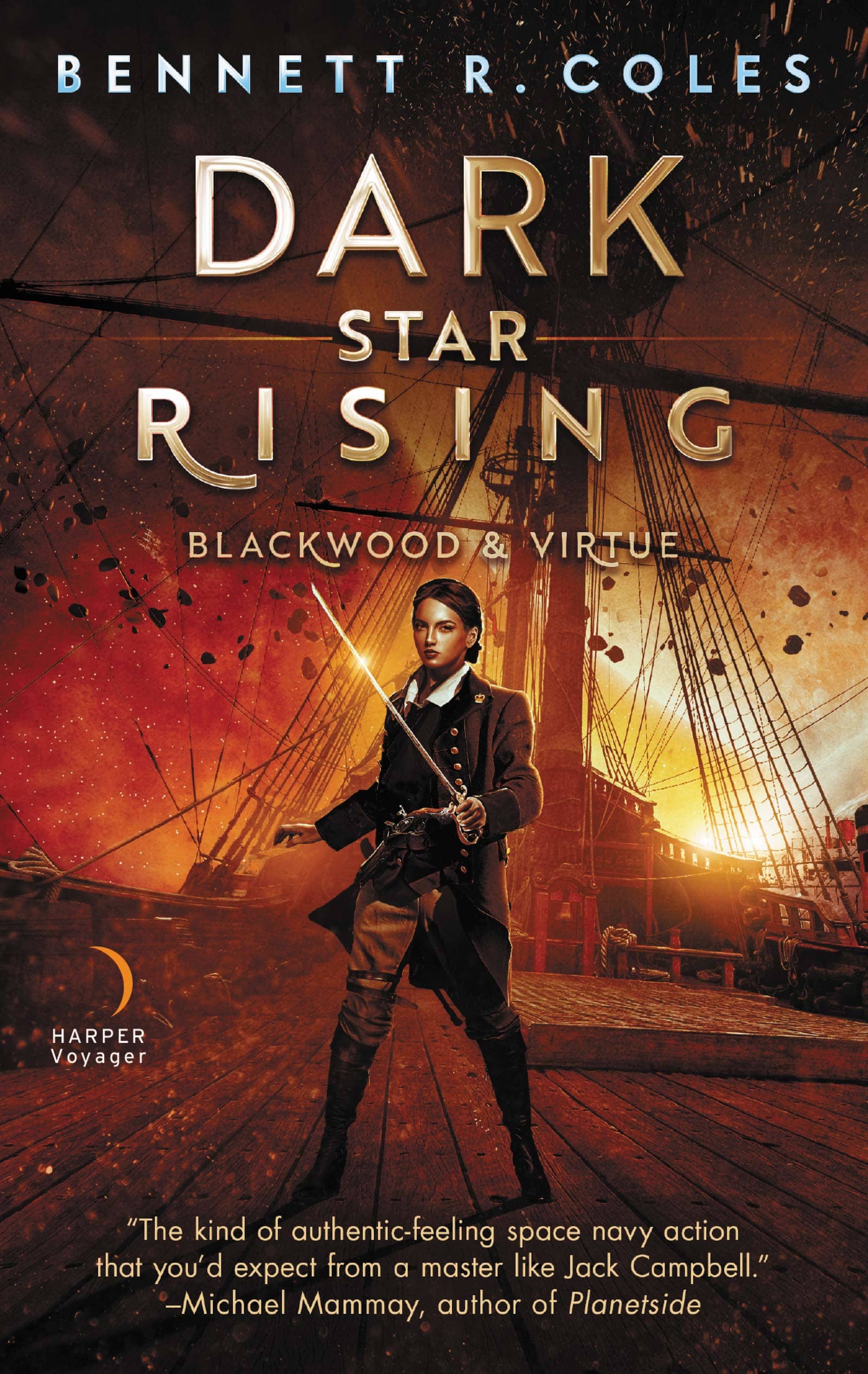
and the sequel Dark Star Rising (2020, uncredited). Published by Harper Voyager
Winds of Marque, the first volume in Bennett R. Coles’ Blackwood & Virtue space fantasy series, got my attention last year. Maybe it was the dynamite cover by Damonza, with the gorgeous orbital imagery — the four-masted deep space schooner and crossed swords — but I don’t know. I think I just have a soft spot for space pirate tales.
The book got fine notices. Publishers Weekly called it a “mix of retro and future naval adventures… Science fiction fans of the Hornblower or Aubrey/Maturin sailing sagas will likely thrill,” and Kirkus raved:
With solar sails hoisted and war with the Sectoids imminent, Imperial Navy Subcmdr. Liam Blackwood, enigmatic quartermaster Amelia Virtue, and the crew of the HMSS Daring must stop space pirates from disrupting human supply lines in the outer sectors in the first book in a new series…. the jaunty pace is unwavering and enjoyable… Traditional science fiction lovers may get distracted looking for more space tech, but lovers of classic high-seas adventures and those who enjoy genre-bending SF will find this swashbuckling space adventure a worthy read.
But a funny thing happened before the arrival of the second volume. Harper Voyager jettisoned the original cover for the June mass market reissue of Winds of Marque, replacing it with a much more staid portrait of second-in-command Liam Blackwood, looking pensive and square-jawed on deck. Dark Star Rising, when it arrived in September, featured a matching rendition of plucky quartermaster Amelia Virtue (the second half of “Blackwood & Virtue”) in an action pose. Now the books look a lot more like seafaring romances, and not space opera adventures.
Well, perhaps that’s the intention. I’m still deciding if I’ll pick up the second volume. Let me know what you think in the comments.
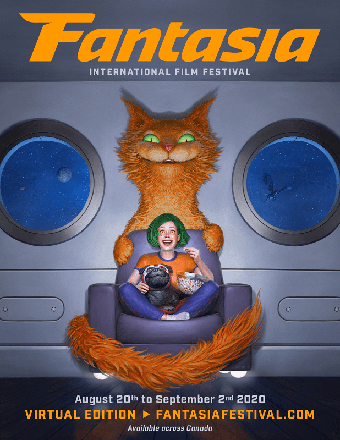 Every year I wrap up my coverage of Fantasia with a last post looking back at the festival, reflecting on the experience. This year’s edition of Fantasia calls for reflection even more than most. I have a couple of posts still to come taking care of loose ends from previous years, but here are a few final thoughts on the all-streaming 2020 Fantasia Film Festival.
 My final film of Fantasia 2020 promised to be weird, and therefore the perfect way to wind down the festival. It was a take on a particular sub-genre of science fiction film: the alien visitor walking among us. The Day The Earth Stood Still, The Man Who Fell to Earth, Starman, E.T., technically I suppose Superman — all stories about a lone extraterrestrial on Earth dealing with humans. It’s a story form that lends itself to reflection on what it means to be human. But just because a form points in a certain direction doesn’t mean every instance of that form will be concerned with grand themes.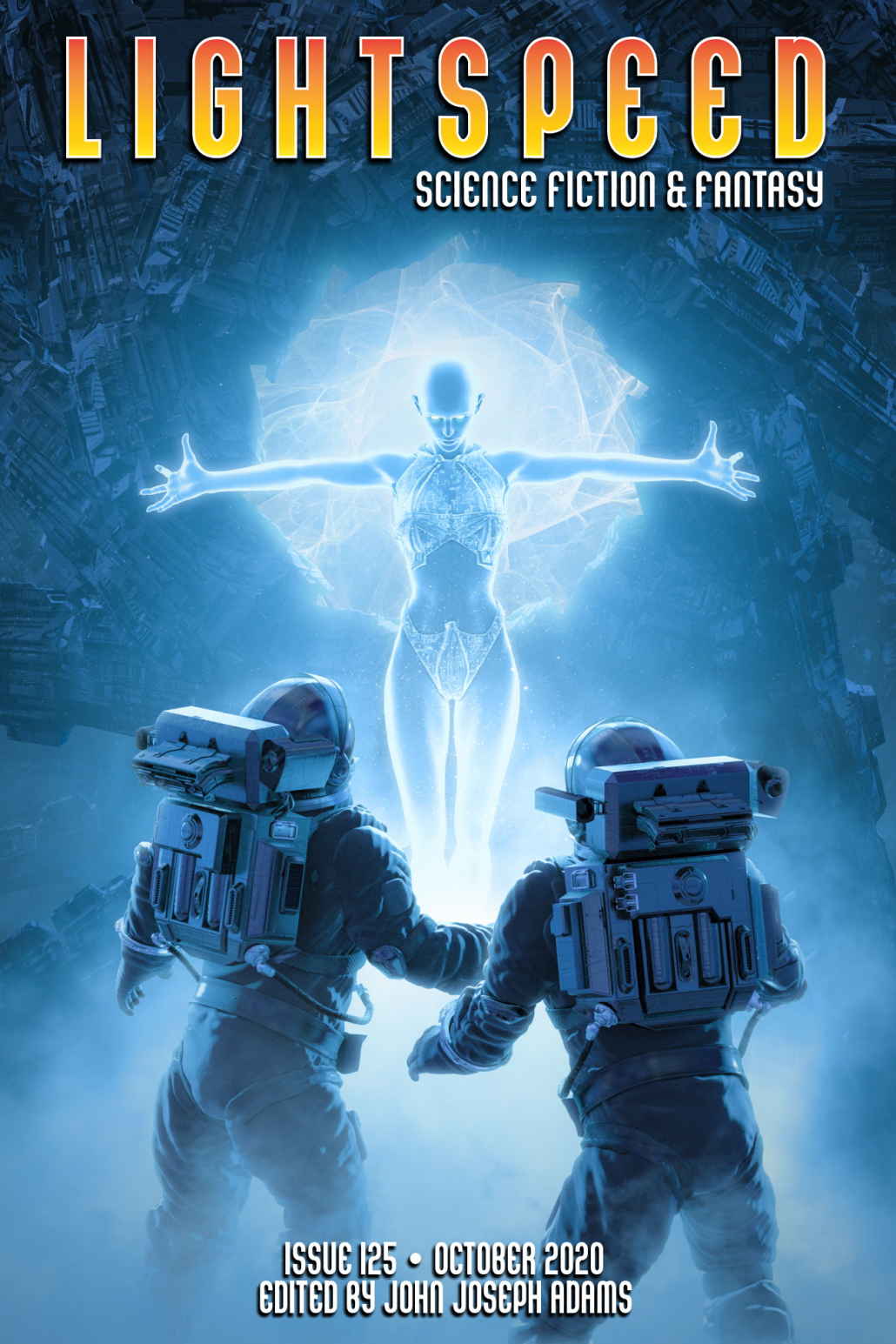
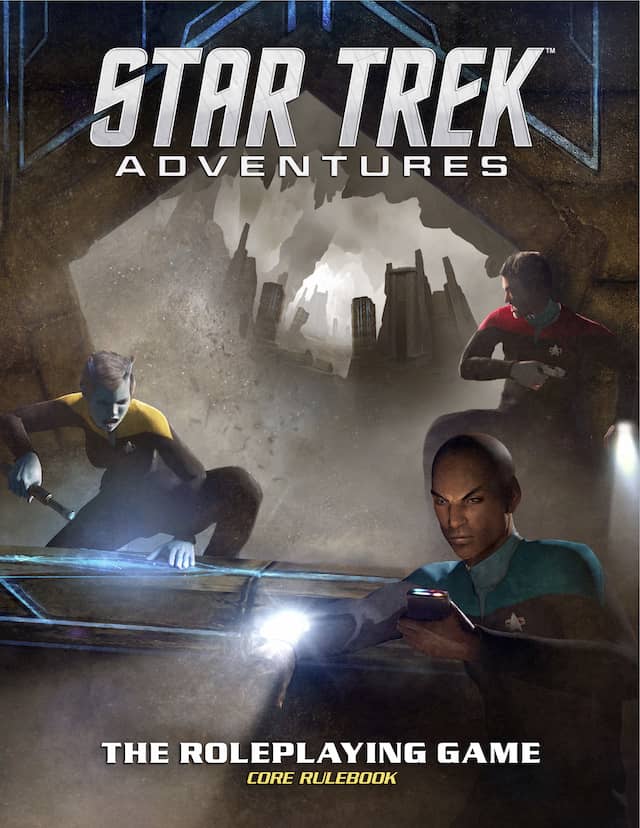
 In covering a film festival, one does not always select the films one sees out of a pure love of cinema. Or even love of genre. Scheduling plays a part, and sometimes delivers to you an unexpected delight. Fantasia 2020 had fewer happy accidents of scheduling due to its all-virtual nature, but as the festival’s final day wound down I found myself with just under three hours until all the movies would go offline — meaning I had time for the film I’d wanted to watch, plus an hour or very slightly more. Glancing over the schedule I found a movie I’d considered looking at which was listed at 61 minutes, and decided I should give it a shot.
 Ah, Horror in the time of Covid! It seems almost superfluous, like a feather boa on an ostrich.
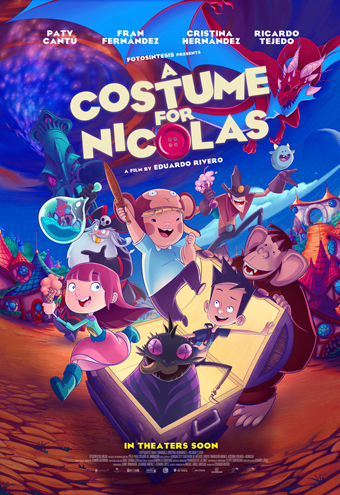 Critic Farah Mendlesohn introduced the term ‘portal fantasy’ in her 2008 book Rhetorics of Fantasy to describe stories in which a protagonist leaves their home and enters a new, larger, magical world. I’ve seen the term used often to refer to a specific subtype of these fantasies, in which a protagonist from conventional reality passes through a portal to a fictional realm and proceeds to quest about and have adventures. The rise of this more specific definition is not entirely surprising, given how common that kind of story is, perhaps especially with younger protagonists. Either sort of portal fantasy can present a character, confronted with a new and strange world, with an opportunity to grow and change. Or, instead, can be about reification of the character’s previous identity — a locking-in of who they are, after the success of a quest that aims to stop a bad change form occurring.