Goth Chick News: My Inner Geek’s Night Out
 Has anyone ever asked what you would grab out of your house if it was on fire and you could only make one trip? Or maybe the question was, if you knew you were going to be stranded on a deserted island, what would you take with you?
If it comes up in conversation and it’s focused on food, that one’s easy.
Pez.
However, when it comes to actual items, the answer becomes a bit more complicated and largely depends on who is asking. If it comes up at a family gathering, I usually can say “my photo albums” with a straight face. But as I’m among friends here, allow me to lay out the real list (in no particular order):
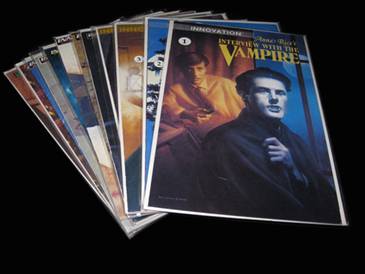
- My complete set of 1 – 12 Interview With a Vampire comics, with issue number one signed by Anne Rice
- An unopened Monty Python and the Holy Grail collectible card game.
- My Black Adder DVD collection
- The set of Universal Studios movie monsters Pez dispenser set (got to have something to eat the Pez out of)
Having read this list it should come as no surprise at all that I’m counting the days to the Chicago Comic Con this weekend. Yes, this is the Chicago version of the biggie in California, but the line up is still good.
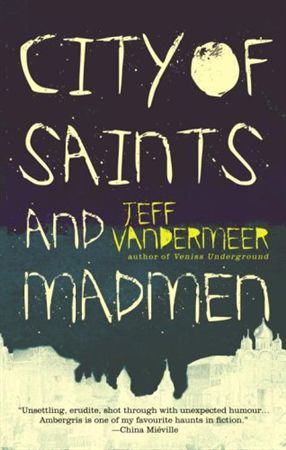 There sat a book that drew my hand toward its spine, and before I realized what I was doing, I was looking at the cover to CITY OF SAINTS AND MADMEN. Something in the back of my mind rose (squid-like) to the surface. I read the comments on the back of the book, and on the first few pages. There was something here…something I’d been looking for. To my amusement, the book itself validated my thought seconds later as I read the quote from Mr. Moorcock: “It’s what you’ve been looking for.”
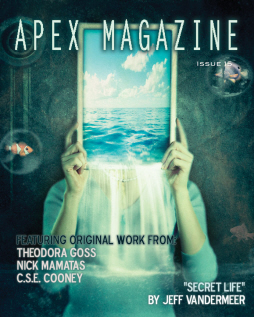 Apex Magazine #15 was published on August 2, featuring fiction from Theodora Goss, Nick Mamatas, a reprint by Jeff VanderMeer — and “Dogstar Men,” a short poem by Black Gate blogger C.S.E. Cooney.
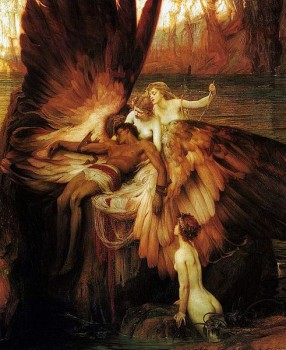 . . . And the boy thought,
 Bitch Slap the (unrated) film relates to fantasy fiction how, you may ask?
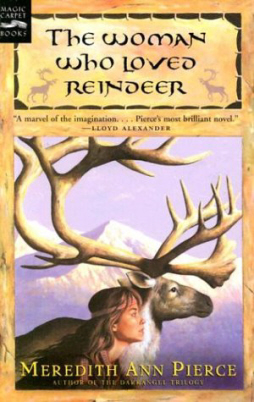 The Woman Who Loved Reindeer, by Meredith Ann Pierce
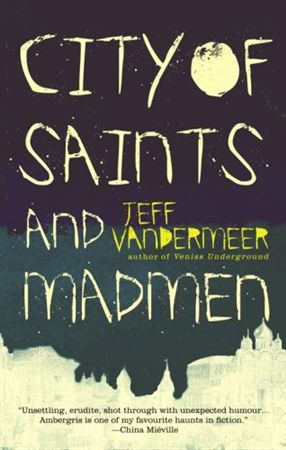 I don’t know what makes a novel great. Maybe every great book is great in its own way. I suspect, though, that a novel’s greatness resides most often either in its structure (not just its plot, but its balancing of themes and elements, its division into units like chapters, and its decision of what to describe and when) or its prose (its ability to make every word count, not only in depicting character and setting, not only in moving forward story, but in advancing the theme of the book, what it’s about, the idea that prompted the telling of the tale in the first place).
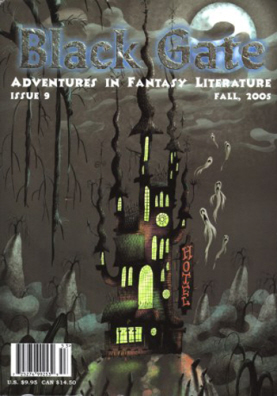 We’ve just re-vamped our
 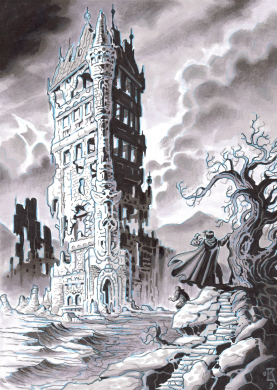 The ruined mansion seemed the perfect place to elude their pursuers… until they began to penetrate its secrets.
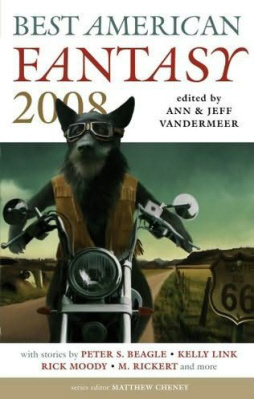 Over at Ecstatic Days, Jeff VanderMeer