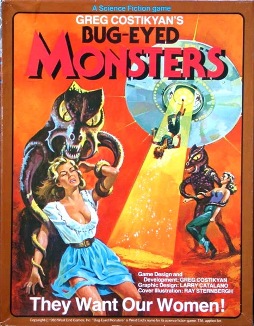
Art Evolution Special: Erol Otus
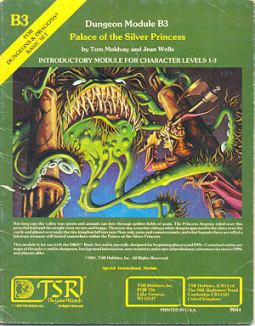
Erol Otus hates me… It’s a dead on fact, something that can’t be changed, I’m afraid, and yet I find myself having a hankering to talk about him in a favorable light. I went after Erol for Art Evolution, and he was the very first artist I’d never met to get an invite to the project. Erol wasn’t interested, and no matter what I did to try to entice him he just kept getting further away from a commitment. It’s the name of the game, a numbers game, and John O’Neill once told me that if I went out to get 20 artists and my approach had a capture rate of 19, then whatever went wrong couldn’t be put on me.
Still, the more Art Evolutions I did, the more I found people asking for Erol and what his contribution would look like. Erik Mona over at Paizo went so far as to say that without Erol my project would never be complete.
To tell you the honest truth, when I was young I detested Otus’s contributions to the field. I thought his work was that of a child among men, and if you showed me an Otus image I’d sneer at it in veritable disgust. Remember, however, that youth doesn’t represent good taste, and certainly as the years went by and my eye for art changed, a greater respect grew for Otus’s work. Now that’s not to say it became ‘better’ art, but it did facilitate a nostalgic bent to my youth that softened its edges and helped me accept what it was.
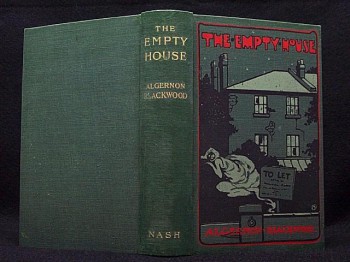 The Empty House and Other Ghost Stories (1906)
 This is the fifth in an ongoing series of posts about Romanticism and the development of fantasy fiction; you can find previous installments
 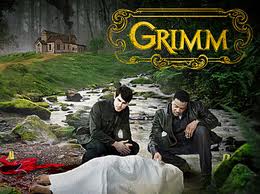 Now that there’s actually more than one good fantasy show on network television, I’ve decided to step back from the detailed Supernatural post mortem (so to speak) and instead to provide a weekly update on the happenings of these fantasy television series all at once. So, here we go with the breakdown for last week’s shows: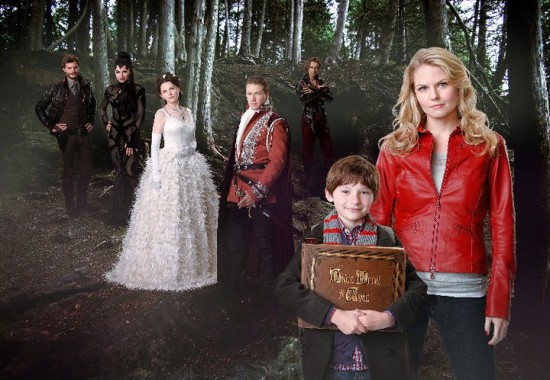
 Well, just as everyone is remarking on how the new conversant iPhone is making science fiction true to life, one pretty big part of the science fiction imagination remains just that; while the 21st century has not only arrived, we’re a decade into it, but we won’t be taking any sight seeing trips to Mars in the near future. Even a suborbital cruise will have to wait until 2013. The overly ambitiously and to-date technically impossibly named
 Swords from the Sea