The Problem with ELRIC: THE BALANCE LOST
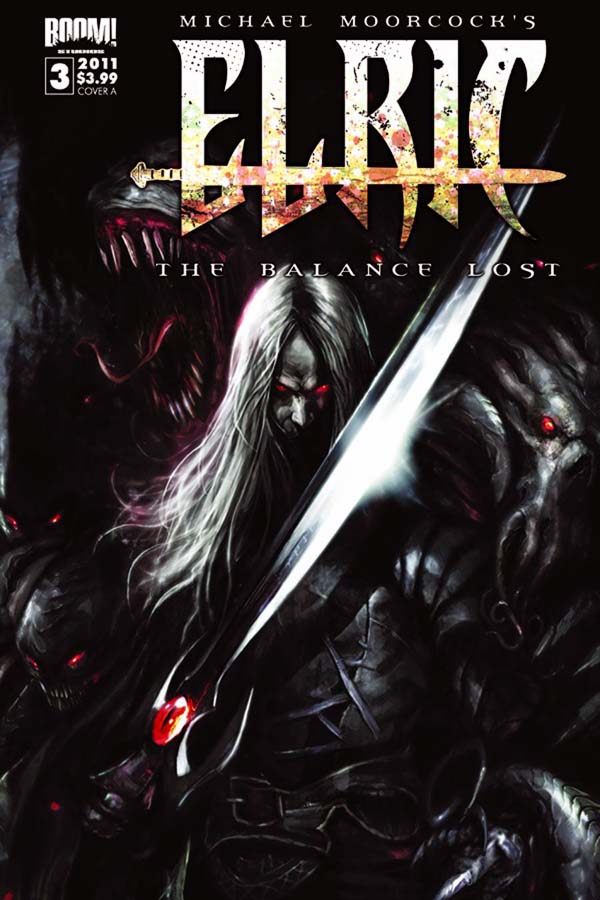
“Arioch! Blood and Souls!”
When I heard that Boom! Studios was putting together a new series starring Michael Moorcock’s most beloved and iconic character Elric of Melnibone, I was instantly on board. Especially when the Free Comic Book Day preview was released. Lo and behold! Great art by Francesco Biagini was just what the Prince of Ruins needed to bring him to life in a new comics venture!
So I jumped on board when the first issue of ELRIC: THE BALANCE LOST hit the comics stands, and I was pleasantly surprised that not only was the art fantastic, but the writing is good as well. Chris Roberson does a nice job filling Moorcock’s shoes, throwing multiversal concepts around with great abandon. Great art. Great writing. What’s not to like?
Here’s the problem: ELRIC isn’t really an ELRIC comic. We’re three -and-a-half issues in and we’ve gotten only about one issue’s worth of Elric story time (if that). The trouble with this new book is that it should be called Michael Moorcock’s ETERNAL CHAMPION because every issue is divided between the ongoing (and apparently unrelated!) stories of Elric and several other Moorcock creations: Dorian Hawkmoon, Corum Jhaelen, and Eric Beck (?). Only those who are familiar with Moorcock’s body of non-comics fiction will have any idea that each of these characters is a variation or facet of the Eternal Champion–the hero that exists in all realities at once.
Instead of featuring Elric of Melnibone as its main character, we get a melange of four different stories–a blend of science fiction, steampunk, alternate history, and a smidgen of sword-and-sorcery. “What’s wrong with that? Sounds like a nice blend!” I hear somebody asking in the back row. The problem isn’t in the concepts, it’s in the execution.
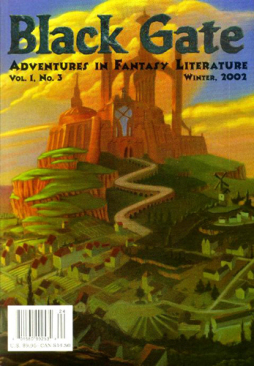
 ) tells the story of a young girl and a very special ice cream shop. This one was highly reminiscent of Ray Bradbury’s Green Town stories, and it took me back to the summers of my childhood, despite the fact they weren’t much like the one in the story. Of all the stories in the issue, this one moved me the most.
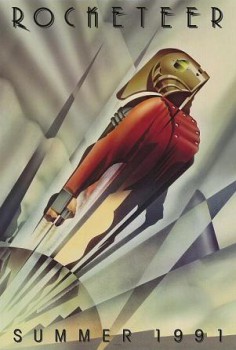 Update: Right as I was posting this review, I received the official news that
 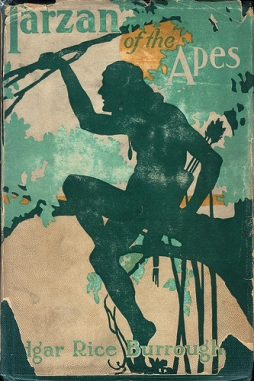 Before continuing the series of posts on Romanticism that I talked about last week, I’d like to write about a couple of subjects I’ve had on my mind for a while. First up is Q.D. Leavis, and her book Fiction and the Reading Public.
 I’m planning a more lengthy post on the role of religion and spirituality in fantasy (expanding on some things I hinted at in my last post, which involved orc samurai), but the last couple weeks have been so crammed with lounging on beaches, jujitsu, and job hunting that I haven’t had the opportunity to give it the work it deserves. So, instead, I present: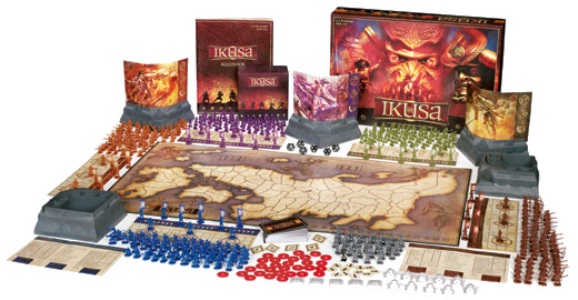
 The new