Register Your Interest, Copyright for Paper and E-Books
Copyright is a term well known to any author, or artist of any kind, for that matter, but I’ve often been surprised at how many misconceptions there are about this area of law. Now, here I must insert my usual disclaimer. Even though I am a lawyer, I am inactive in the bar at the moment and thus do not keep on top of every development in statutes and case law. I write this as a general guide, a place for you to get started, but if you have any concerns regarding your copyrights, I always recommend you hire a lawyer who is currently practicing law. That said, let’s discuss copyrights and some basics about how they work.
There are two current developments in the publishing industry that have inspired me to write this post.
1) The rise of the indie author, meaning an author who publishes without using a publisher or agent.
2) The unprecedented growth in e-publishing.
But first a little background.
What Is Copyright?
Copyright is the right you have to exploit your artistic work for commercial gain and exclude others from doing so without a license. It attaches to your work the moment it is “fixed in a tangible medium”. In other words, once you write it down, record it on a CD, or save it to your hard drive, you own the copyright in your work. The term “tangible medium” is dated, because we can’t really touch computer files on a hard drive – or, at least, we shouldn’t try it – but computers and their data storage devices have been around long enough that they are included in this definition. I’ve surprised many people by saying this, though it is nevertheless the truth. All you need to do to own the copyright in your work is create said work.
 Last week in
 The Odyssey stands alongside Gilgamesh as perhaps the earliest Western examples of fantasy literature.
  So everyone’s crying about the
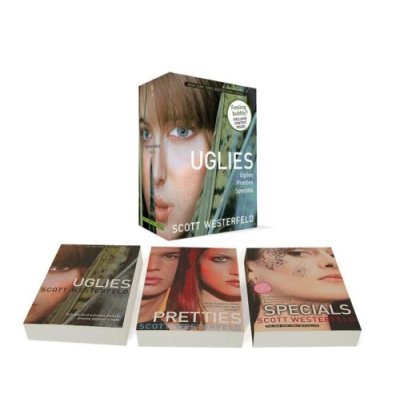 Scott Westerfeld has posted on his blog