January/February Fantasy & Science Fiction Magazine now on Sale
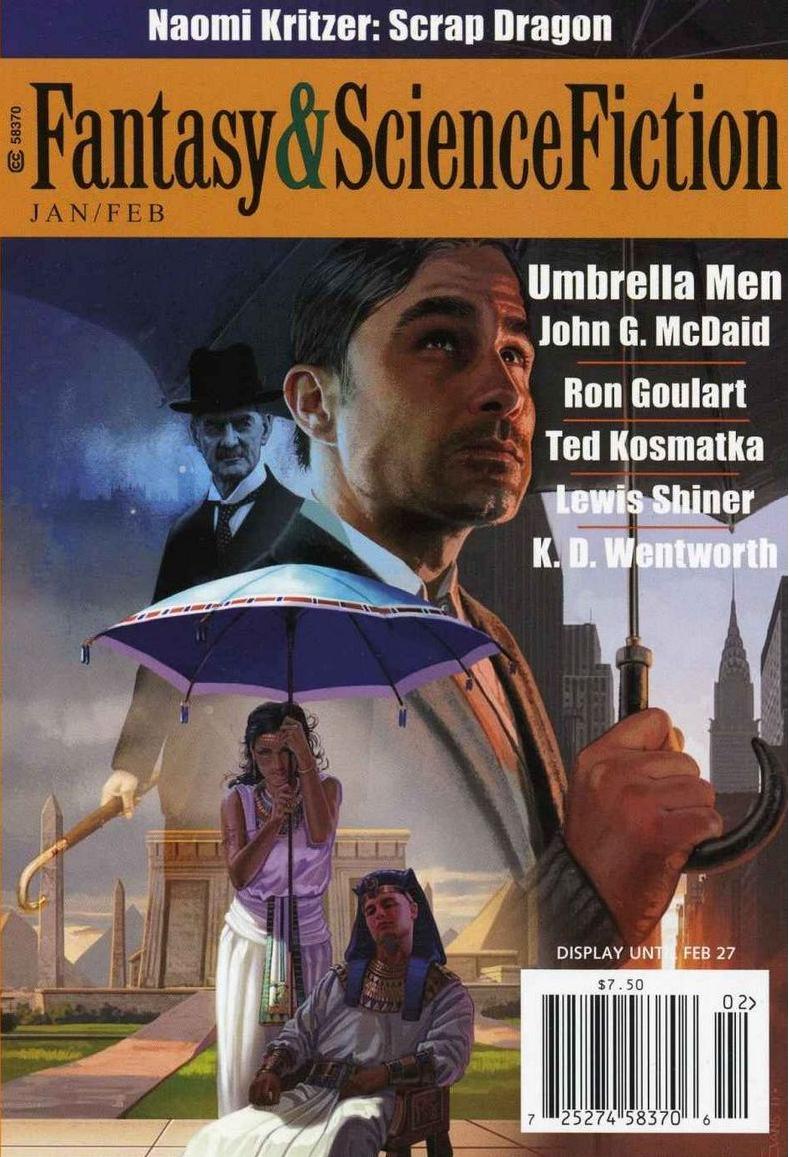 I was very pleased to see Mark Evans, who’s published artwork in every issue of Black Gate since 2005, get another cover assignment for Fantasy & Science Fiction. That’s his contribution at right, gracing the cover of the Jan/Feb issue. Mark’s one of the most talented artists in the field, and it’s great to see him get the exposure he deserves. The rest of the issue is pretty impressive as well. Contents include:
NOVELETS
Small Towns – Felicity Shoulders
The Secret of the City of Gold – Ron Goulart
Umbrella Men – John G. McDaid
Alien Land – K.D. Wentworth
Mindbender – Albert E. Cowdrey
The Color Least Used by Nature – Ted Kosmatka
SHORT STORIES
The Comfort of Strangers – Alexander Jablokov
Maxwell’s Demon – Ken Liu
Scrap Dragon – Naomi Kritzer
In the Trenches – Michael Alexander
Canto MCML – Lewis Shiner
Lois Tilton at Locus Online reviews the entire issue, including “In the Trenches” by Michael Alexander:
WWI. Hans is a soldier on the German side, near the starving end of the action, when Gamlin the kobold emerges from the trench. He thinks the humans are crazy and Hans doesn’t disagree. The kobold takes him far underground where he finds a French soldier, and they immediately make a truce…
An unusual viewpoint on the horrors of war and on being human. The tone is light, but the horrors are genuinely dark. The combination works.
Cover price is $7.50. You can find more details on the issue at the F&SF website. We last covered F&SF here with the November/December issue.
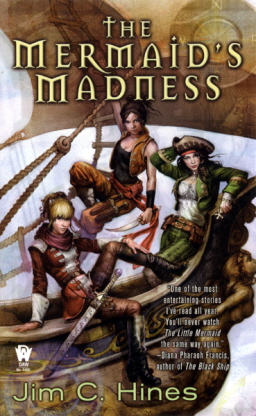
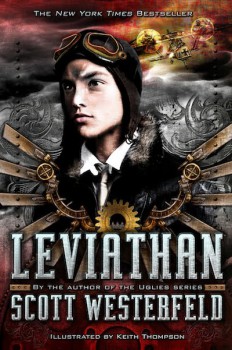
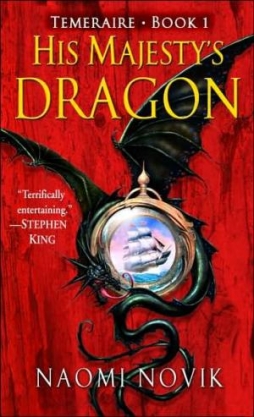 I’ve been in unwilling low-content mode for the past couple of weeks (question: what’s worse than getting the flu at Christmas? Answer: getting the flu along with a sinus infection). That’s meant I’ve had some time to read, which is good for a number of reasons. As it happens, though, one of the things I picked up to read left me wondering something I’ve wondered several times before: why do certain books pull me along, and compel me to read them, even when I think they’re not particularly good?
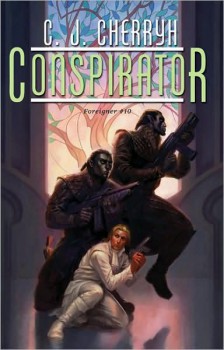 Conspirator
 This month’s Apex Magazine features new fiction from Cat Rambo (“So Glad We Had This Time Together”) and Sarah Dalton (“Sweetheart Showdown”), as well as a reprint of “The Prowl” by Gregory Frost, who is also the featured interview. Stephan Segal provides the cover art and John Hines discusses “Writing About Rape.”