The Unexpected Delights of Renner and Quist

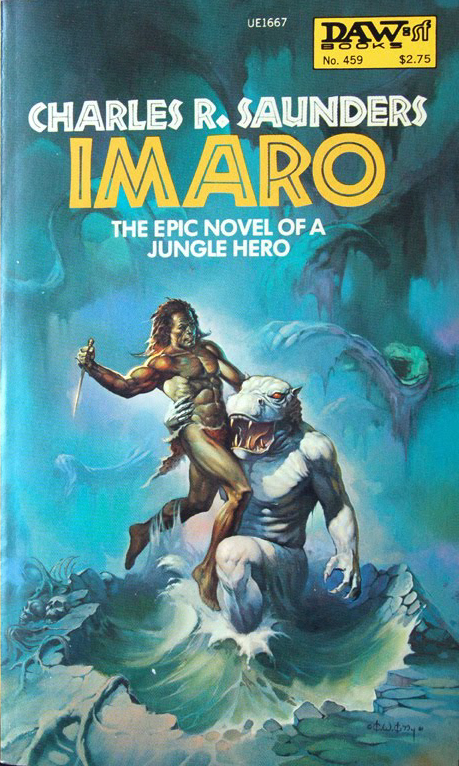
 This review wasn’t supposed to happen. I’m up in the Albian wastes in Alberta for my day job and the review that was scheduled to run this week fell through. John O’Neill came to my rescue with a short ebook just published by Samhain Publishing. The book is called The Skates and it is part of the series of Renner and Quist adventures written by Mark Rigney.
I’ll be honest up front in stating I had not heard of the publisher, author, or series before this time, although I’ve since realized Mr. Rigney is a fellow Black Gate blogger with several short stories to his credit already published by the online magazine. My main relief was that John allowed me to get a review done without missing a week and the ebook was short enough to read through in barely an hour.
Then I read the damn thing and my perception changed instantly.
I curse simply because I envy Rigney for his talents. This wasn’t a fun, enjoyable read so much as it was a story I instantly loved. I’m sure the folks at Samhain Publishing are nice people, but why hasn’t Rigney’s fiction been noticed by editors at major publishing houses? Yes, it is that good. I’m fairly familiar with the New Pulp world and Rigney can write circles around most of us as he seamlessly blurs the lines between genres and switches voice from one first person narrator to the other.

 Paul Kearney’s piece on large-scale battle scenes is just what I hoped it would be. You know all the familiar gripes about fantasy warfare that fails the suspension-of-disbelief test: the army never seems to eat or excrete, never needs to get paid, charges its horses directly into walls of seasoned enemy pikemen, and so on. “So You Want to Fight a War” addresses all those mundane things an author must get right if the fantasy elements of her story are to feel real to the reader, and then Kearney pushes past the gripes into solutions that any conscientious author can learn to implement. It’s that last bit that I found truly refreshing — many discussions of military verisimilitude get bogged down in griping. Kearney assumes throughout that it’s possible for his reader to get this stuff right, with enough good models, research, and practice.