Vintage Treasures: Hell’s Cartographers, edited by Brian W. Aldiss and Harry Harrison
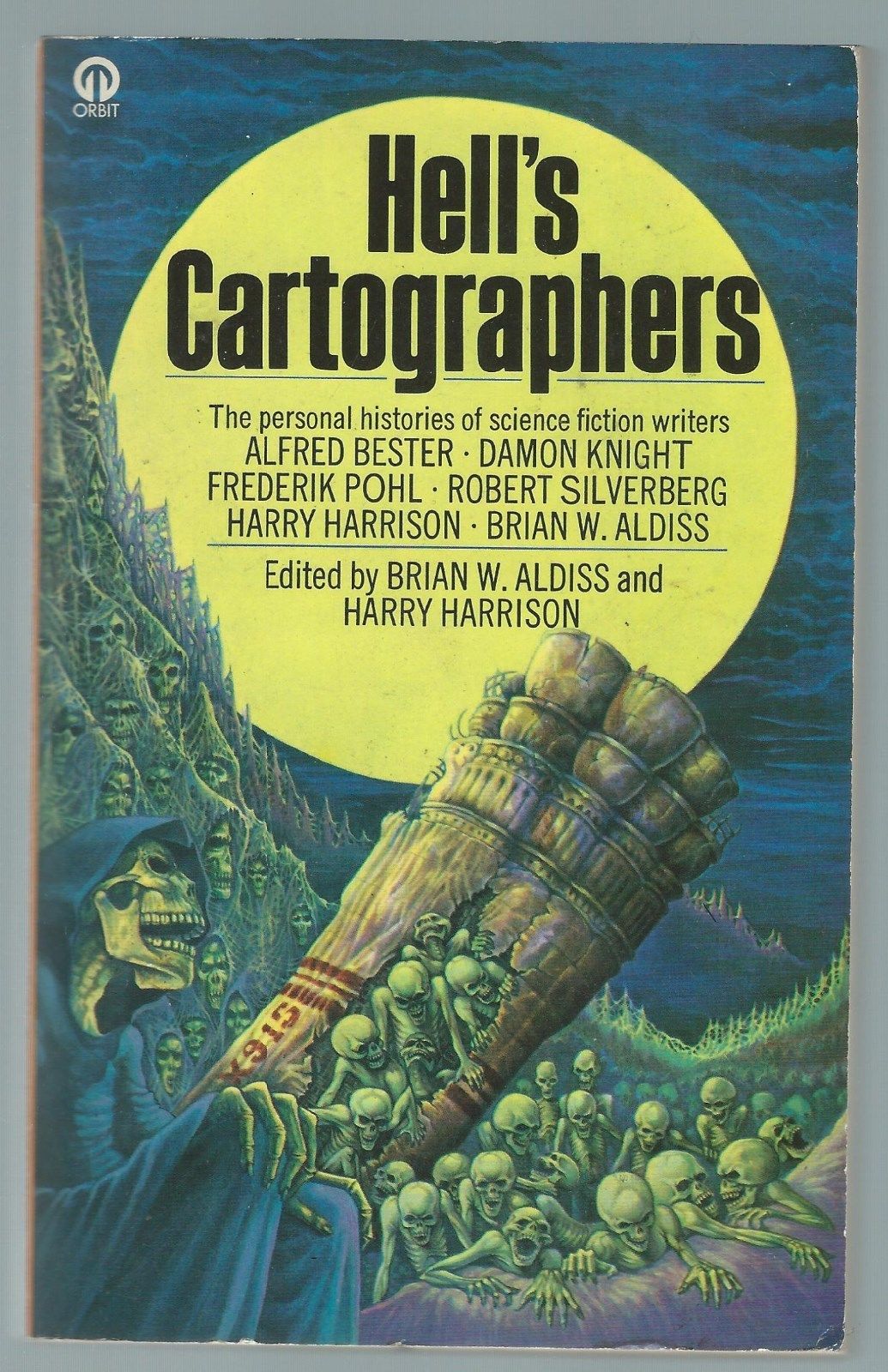 I’ve been enjoying writing my ongoing series on the Ballantine Best of… books. It’s nice to be able to celebrate all those classic SF and fantasy writers, sure, but it’s also an excuse to talk about how I discovered each of them and what their books meant to me personally.
I don’t think I’m unique in this. SFF readers love to talk about the favorite authors of their youth. Look at the comment threads for any of my Ballantine articles — it’s just a bunch of us old fans yakking about the good old days (and yelling at those kids with their Kindles to get off our lawn).
In truth, this is a long-established tradition. Respected, even. Lots of SF authors did it. Asimov and Damon Knight did it, in Before the Golden Age and Science Fiction of the 30s. So did Brian Aldiss, in Billion Year Spree, and Sam Moskowitz, in Seekers of Tomorrow, Under the Moons of Mars, and just about every book he ever wrote. Perhaps most famously, Kingsley Amis did it in New Maps Of Hell, his celebrated survey of science fiction from 1960.
But probably my favorite example is Hell’s Cartographers, a marvelous collection of “personal histories” from six top science fiction writers: Alfred Bester, Damon Knight, Frederik Pohl, Robert Silverberg, Harry Harrison, and Brian Aldiss. This book is packed with countless anecdotes, fascinating references to SF magazines and ground-breaking stories, and tales of awkward adolescences. And for those of us interested in the history of the field, there is treasure on every page.
There are numerous quotes I could tease you with, but I’ll limit myself to this one, from Damon Knight’s entry, “Knight Piece,” which effectively communicates just how hapless these accomplished young men were around women.



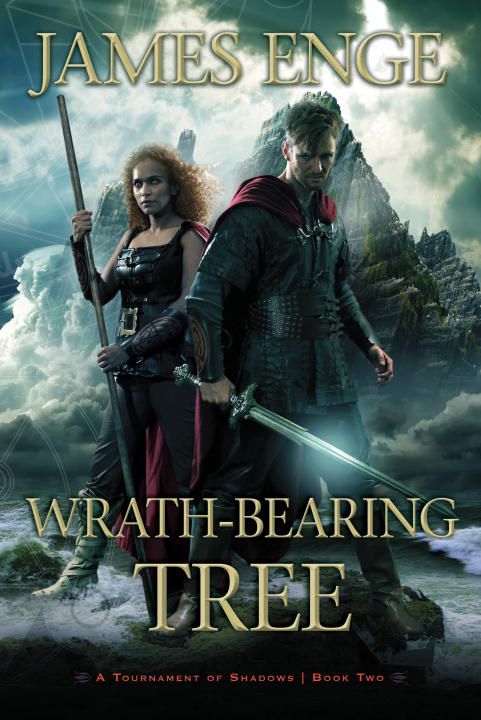 The first time I saw a James Enge novel on the shelf of my local bookstore, I broke into a little dance of jubilation. I’d been reading Enge’s short stories about Morlock the Maker in the pages of Black Gate — this was when BG had literal paper pages — and it was news to me that Enge had made the leap from short fiction to novels.
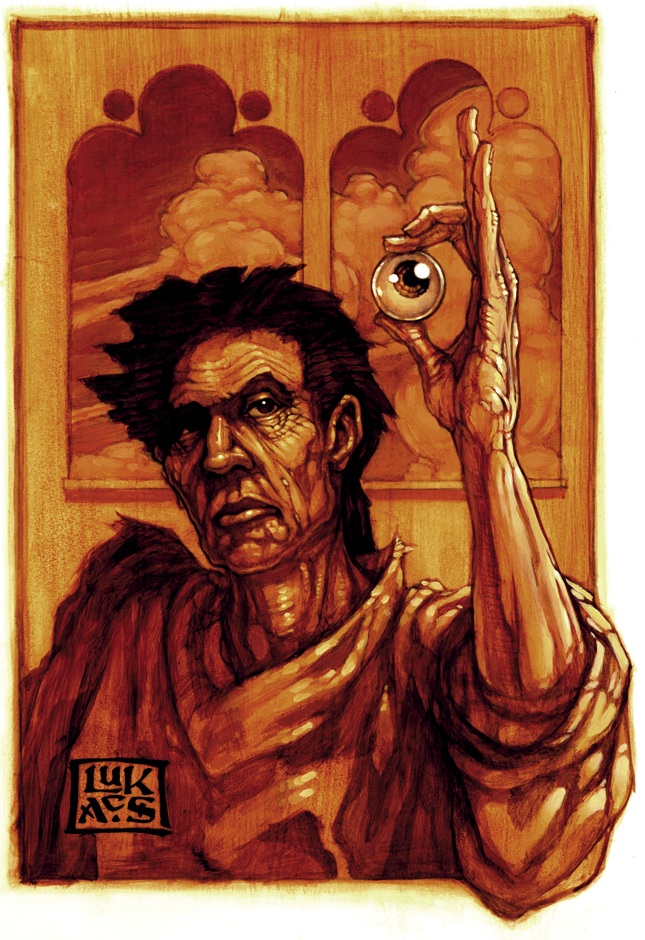 Over the next few years, Enge followed Blood of Ambrose with This Crooked Way and The Wolf Age, and it turned out the one thing better than a Morlock novel was a whole trilogy of Morlock novels.