Ex-size-ior! Few things give me an exhilarating rush of childhood more than a Marvel Treasury Edition.
I see one and suddenly I’m five years old again, sprawled on the shag carpet by the bedroom door when I’m supposed to be asleep, that ginormous comic book spread out in front of me like a Life Magazine, surreptitiously turning the newsprint pages and delving into the four-color wonders of Spider-Man fighting a guy with a stegosaurus head or the Avengers flying across the sky to do battle with various nemeses or Conan hewing villains to rescue a curvaceous damsel.
Popular in the 1970s, Treasury Editions were mostly just reprints on Super Growth Hormone. They were, in a way, precursors to graphic novels: Each edition collected three or four comics from a series, sometimes with some new material thrown in.
Measuring 10” by 13”, they were striking. Part of the appeal to a younger reader would be the pictures are all bigger and more easily digested. I remember “reading” them before I could really read.
Black Gate has some very prolific reviewers. Ryan Harvey has produced 290 articles for us, Matthew David Surridge 330, and Sue Granqust has written exactly 400. But the most prolific reviewer in our small community is doubtless Rich Horton who, in addition to his duties here, writes a regular monthly column for Locus, contributes short fiction reviews to places like Tangent Online, and maintains his own blog, Strange at Ecbatan. Not long ago Rich posted his 100th Ace Double Review at his blog, covering the forgotten novels Alien Sea by John Rackham and C.O.D. Mars by E. C. Tubb, published in 1968.
I started these on the wonderful old Usenet newsgroup rec.arts.sf.written back in the early 2000s. I retain an interest in Ace Doubles for an intersection of reasons… the feeling that they give room for an awkward story length (25,000 to 45,000 words, say); the fact that they provided space for new writers to get published; the sometimes goofy subject matter; the fact that they could be a home for unpretentious adventure SF; and their uncommon format. But it must also be said that a lot of the stories published as Ace Doubles were downright crappy. And indeed this review, the 100th, perhaps appropriately features a couple of awfully weak short novels.
Even though the novels sucked, Rich gives it his all, as always. Here’s his thoughts on two bad science fiction novels by John Rackham and E.C. Tubb.
Viriconium is a city of the distant future, surrounded by the polluted wastelands left by previous civilisations. It is fundamentally decadent, filled with killers, artists, street gangs, and peculiar customs. It is divided into different neighbourhoods along class lines. And it is frequently under threat, though what precise consequences these threats can bring is often nebulous. The first book, The Pastel City, is clearly the most conventional. At first blush, it strongly resembles the pulp work of Michael Moorcock; the better points of the Hawkmoon books, for example, though Pastel City is much better written.
But it was Fletcher Vredenburgh, with this 4-part examination of the Viriconium books, that really sent me chasing after Harrison’s novels.
As Steven Silver has already noted, today is C.L. Moore’s birthday. To celebrate Steven reviewed “Lost Paradise,” from the July 1936 Weird Tales, “one of her stories featuring her space-faring rogue Northwest Smith… essentially a bar story with a twist.”
Northwest Smith is one of the enduring serial characters C.L. Moore created for Weird Tales (the other was Jirel of Jorey) — and I do mean enduring. The tales of this “space-faring rogue” have been collected multiple times, and over 80 years later they are still in print. It’s pretty clear that George Lucas, a noted fan of Planet Stories and other SF pulps, drew on Smith as his inspiration for Han Solo, as the two characters are cut from the same cloth.
Over at Tor.com, Alan Brown has a more detailed look at C.L. Moore’s Northwest Smith tales, which have been reprinted in a number of highly collectible volumes over the years. Here’s my favorite quote.
Kids love robots the way they love dinosaurs. Collectors know of thousands of toy robots, especially when the myriad variations of color and design are counted separately. The first of the zillions of robot toys produced in the United States was Robert the Robot, introduced by Ideal for the 1954 Christmas toy season.
If you’ve at any point heard some rumors, some whispers, some strange buzz about this book by William Hope Hodgson called The Night Land… maybe you’ve heard it is one of the greatest works of horror or dystopian dark fantasy…but you’ve also heard that it’s practically unreadable because of Hodgson’s choice to write it in a very weird prose style…”Penned in 1912, The Night Land is considered by many to be a work of genius, but one written in a difficult, archaic style that readers often find impenetrable.”
In 2010, James Stoddard (a fantastic fantasy author in his own right) wrote a “translation” into a more modern, readable vernacular. If you’re thinking of maybe reading Stoddard’s version, I must tell you this:
DO IT. Sooner rather than later. The fact is, one of the all-time great masterworks of sustained horror and imaginative vision, was, unfortunately, self-hampered by its author with his choice of writing it in a clunky, pseudo-archaic language. Stoddard did a supreme service to all of us by simply adapting the work into accessible modern English. I read Stoddard’s version, and via that gateway discovered what all the fuss was about. Yes, it really is that great an achievement: If Hodgson had written it in more accessible language, it would be as well known and celebrated today as any of the other seminal works of horror, fantasy, and science fiction.
James Tiptree, Jr — aka Alice Sheldon — was one of the finest science fiction writers of the 20th Century. As Thomas Parker put it in his review of her Hugo Award-winning biography The Double Life of Alice B. Sheldon, by Julie Phillips:
Alice Hastings Bradley Davey Sheldon was a remarkable person — world traveler, painter, sportswoman, CIA analyst, Ph.D. in experimental psychology… and one of the greatest of all science fiction writers. If you don’t recognize her name, that’s partly by her own design.
Born in 1915, from an early age Alice was a lover of this new genre that was in those days still called “scientifiction,” devouring every copy of Weird Tales, Wonder Stories, and Amazing Stories that she could find, but it wasn’t until the mid 60’s that she tried her hand at writing any SF herself. After some false starts, she completed a few stories and in 1967, when she was 51, she sent them off to John Campbell at Analog, not really expecting anything to come of it. As she considered the whole thing something of a lark, she submitted the manuscripts under a goofy pseudonym that she and her husband, Huntington (Ting) Sheldon, cooked up one day while they were grocery shopping — James Tiptree Jr. The Tiptree came from a jar of Tiptree jam; Ting added the junior.
To Alice’s professed surprise, Campbell bought one of the stories, “Birth of a Salesman.” A new science fiction writer was born, one who would, in the space of just a few years, make a tremendous impact on the genre (as two Hugos, three Nebulas, and a World Fantasy Award attest, to say nothing of the James Tiptree Jr. Award, which is given to works which expand or explore our understandings of gender).
Tiptree wrote two novels, Up the Walls of the World (1978) and Brightness Falls from the Air (1985), but it’s her short fiction for which she is remembered. Virtually all of her short stories have been gathered in important collections such as Her Smoke Rose Up Forever (Arkham House, 1990) and Meet Me at Infinity (Tor, 2000). But I don’t think it’ll come as a surprise to anyone that I prefer to read Tiptree in her original paperbacks, including her very first collection, Ten Thousand Light-Years From Home, released by Ace in 1973.
I read Frank Herbert’s Dune for the first time during university and loved it. It was pretty obvious why it had won the 1965 Hugo and Nebula awards. When I was in my late 30s, I went back to it, and couldn’t get through even a few chapters before the crash-and-burn. What happened?
Bad writing to start with, mostly bad dialogue. The first bunch of chapters intercuts a lot between interesting things, like the Bene Gesserit and prescient memories, and Paul’s adventures, and cartoony super-villainy spouting Republic Serial Villain dialogue.
“Fools!”
“Those fools!”
“I’m going to get you!”
This execrable dialogue doesn’t even contain itself to the quotation marks. In-narrative close-third person dips into character’s thoughts spread the pain into the narrative and make George Lucas look like Hemingway.
We spend so much time with the villains in their self-congratulatory soliloquies at the beginning that I just stopped, scratching my head at how I could have enjoyed this.
Was I just a naive reading at 20, or had the style of writing changed so much between 1990 and 2010s that I’d gotten accustomed to different styles and aesthetics? I think probably it’s a bit of both.
But finally, in 2018, I finally tried again and pressed through and it turns out that after Paul and his mother are in the desert, the villains take a back seat. Then we get into the good stuff like the Fremen culture, some of the implications of the Bene Gesserit missionary work, the prescient memories as perceptions through time, and the sand worms.
On Wednesday, January 17, 2018, after I clocked out from work, I decided to do a 5 for 5: Hit all five of Med City’s thrift stores (at least that I know of) — 2 Goodwills, 2 Salvation Armys, and a Savers. I also dropped in at Nerdin’ Out, a store that specializes in collectible comic books and action figures.
It was a challenge, as I had just sprained my ankle that morning, and the walks down the aisles started to feel longer and longer as the day wore on. By the time the sun was setting, I had adopted the limping, shambling gait of the recently undead. But the increasingly incredible finds that I kept stumbling upon at one store after the other released enough adrenalin to keep me going — all the way until I got home, pulled off my snow boot, and found my ankle swollen to double its size.
Here (sharing only the finds that would be of particular interest to readers of this site) is my haul. Not all pickin’ days are this fruitful, I assure you. If they always turned out like today, hell, this is all I’d ever do.
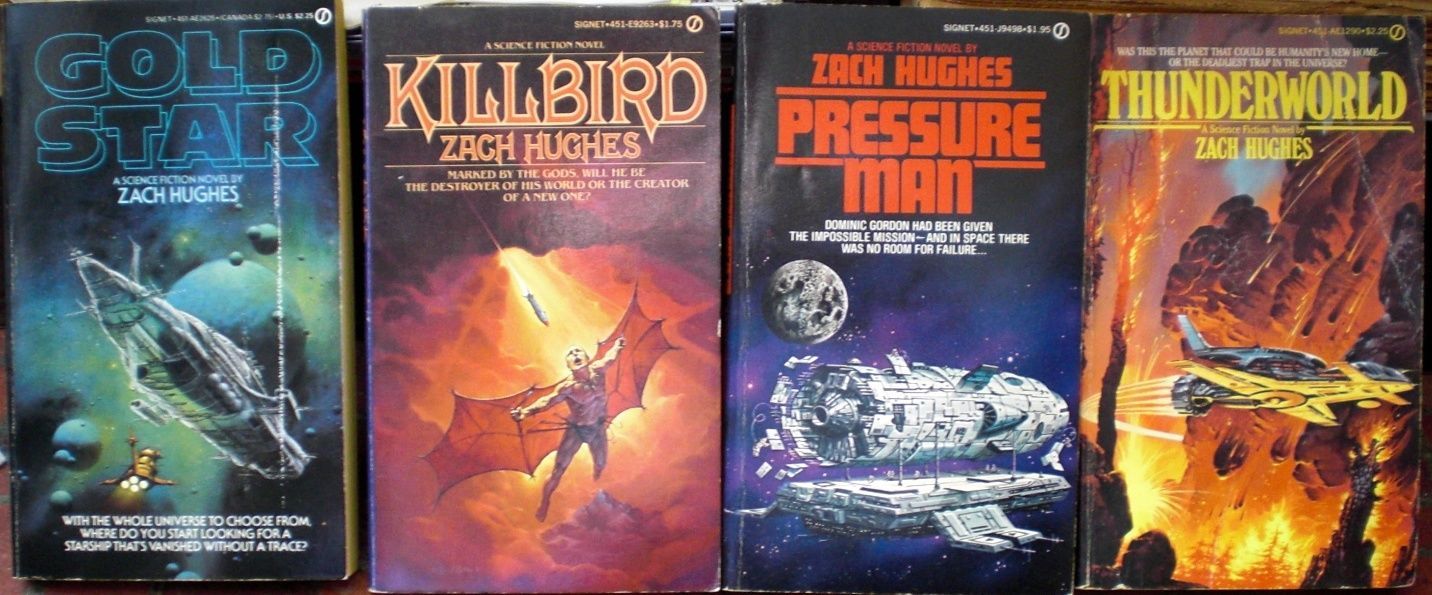
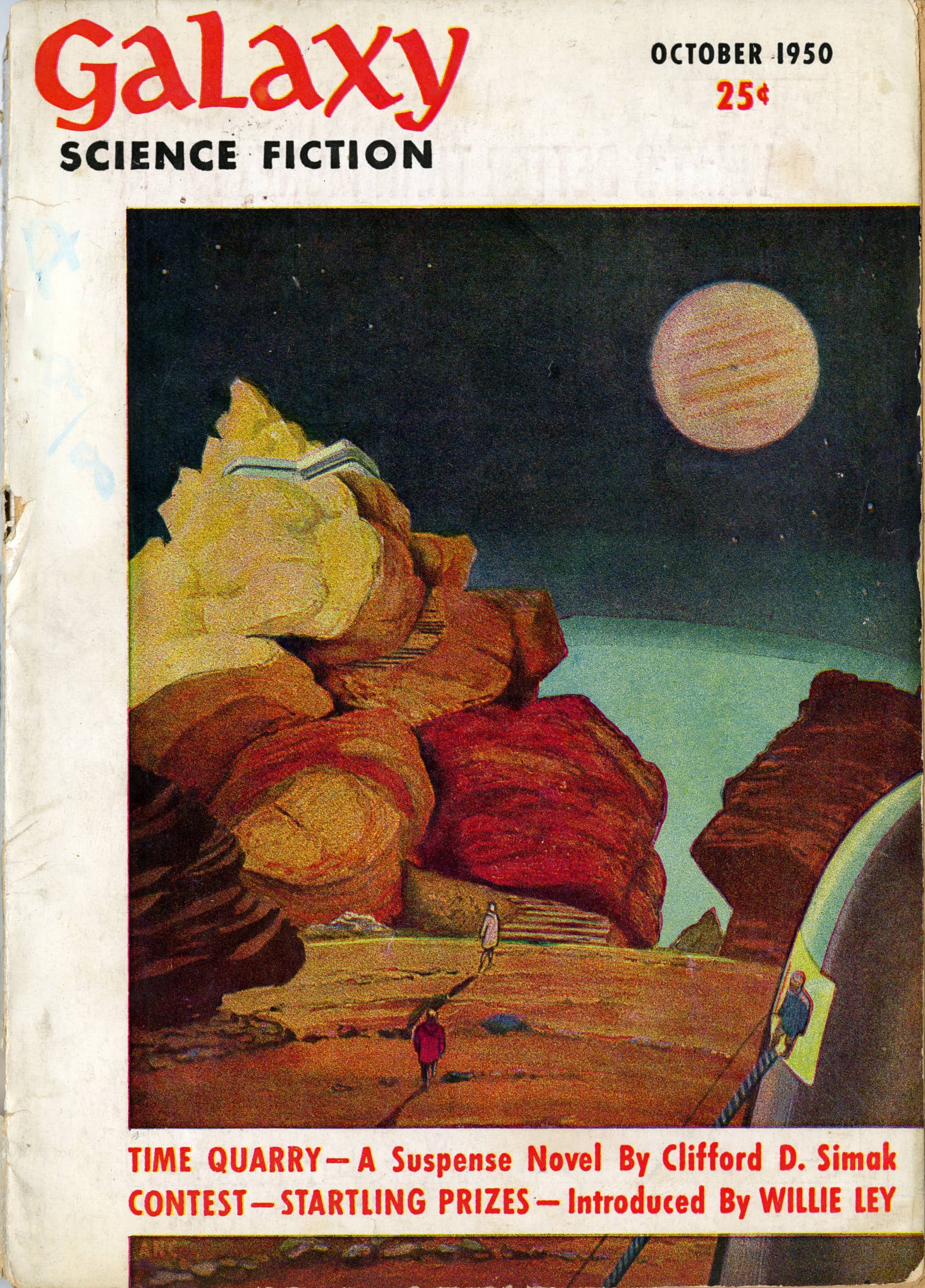
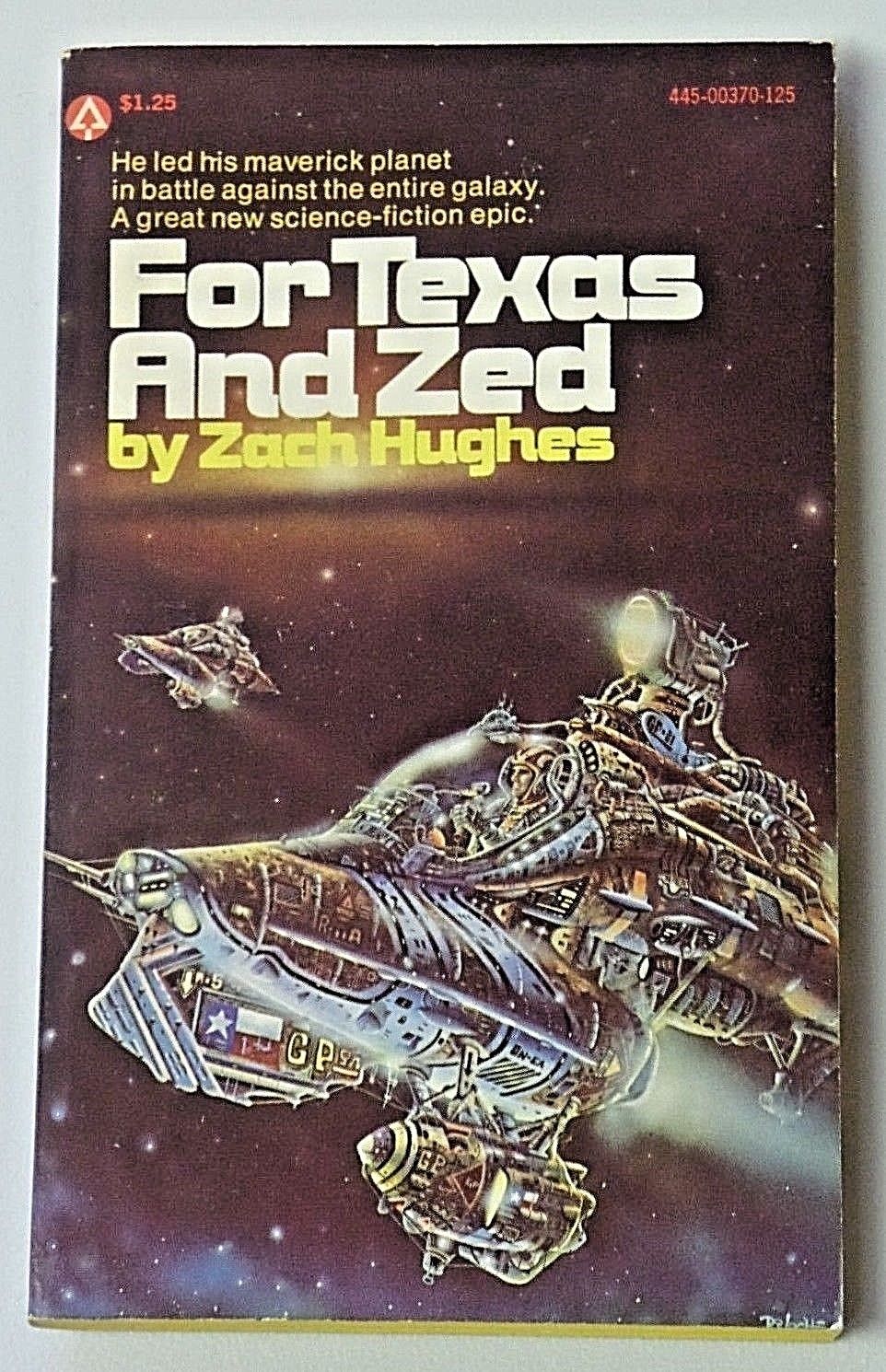
From schlocky VHS horror flicks and classic sci-fi paperbacks to giant rubber snakes and other rare collectibles, today’s pick turned up treasures from across the entire spectrum of what I hunt for.
Pamela Dean was born on January 18, 1953. Dean has published the Secret Country trilogy as well as three stand-alone novels. In the 1980s, she was involved in the Liavekseries of shared world anthologies, contributing stories to each of the five volumes as well as the title poem for the fourth volume. She has been nominated for the Mythopoeic Award twice, for her novels Tam Lin and The Dubious Hills.
Her story “Paint the Meadows with Delight” appeared in Will Shetterly and Emma Bull’s anthology Liavek: Wizard’s Row in 1987, and was reprinted in 2015 in Patricia Wrede and Pamela Dean’s Points of Departure: Liavek Stories.
Although set in a shared universe, Pamela Dean’s “Paint the Meadows with Delight” stands on its own. The Benedictis are a large Acrivain family living in exile in the city of Liavek. While the father attends political meetings, the rest of the family lives in wait for the day they can return to their native country. One of the daughters, Jehane, is convinced the Acrivain god Acrilat has turned his back on the family because they have left their native land. The result is that the family is in turmoil and one of the sons, Deleon, has disappeared.
Jehane is determined to restore her family to their lost happiness and seeks out one of Liavek’s wizards to help. Jehane’s plan isn’t particular well thought out, in either her goals or her mission. She seeks both to have Acrilat leave her family alone and also to have the family able to return to an Acrivain that is politically welcoming to them. These goals, along with her search for her missing brother, take her on a miniature quest through Liavek, visiting Granny Carry, the Magician, and, at the Magician’s insistence, the House of Responsible Life, and Silvertop, another magician.
In the end, the success of her quest, or even who helped her achieve it, is questionable. The most that can be said is that Jehane may have been able to reconnect on some level with her younger sister, Nerissa, who she also learned has been quite active in ways that Jehane had not even suspected.
While the story can be read and enjoyed on its own merits, its place in the shared-world universe gives it quite a bit of background depth and its structure as a quest around Liavek allows Dean to touch on the characters and concepts created by the other authors.