Browsed by
Category: Vintage Treasures

Vintage Treasures: The Damiano Trilogy, by R.A. MacAvoy

Vintage Treasures: The Damiano Trilogy, by R.A. MacAvoy

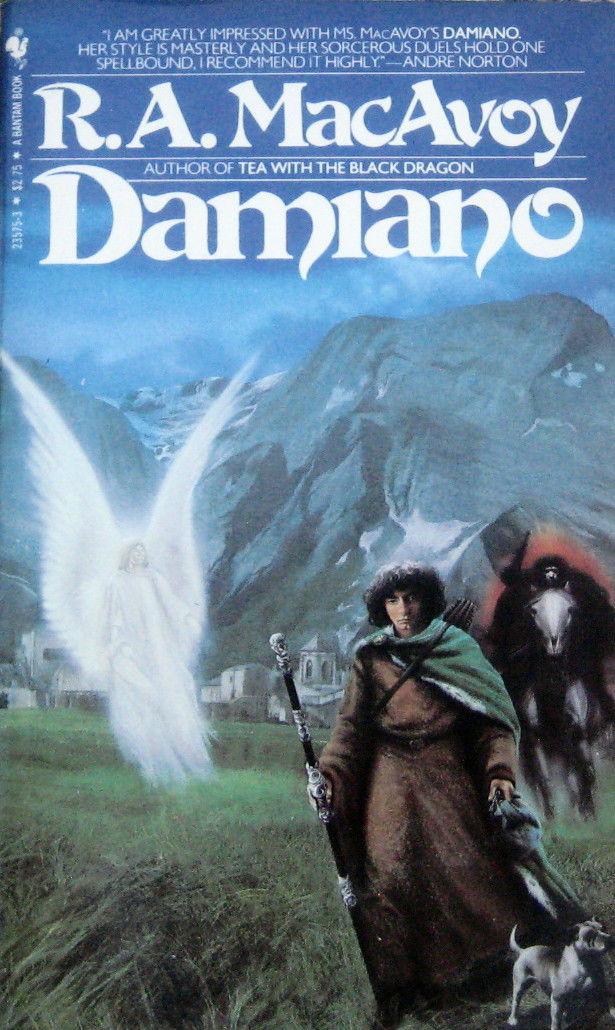
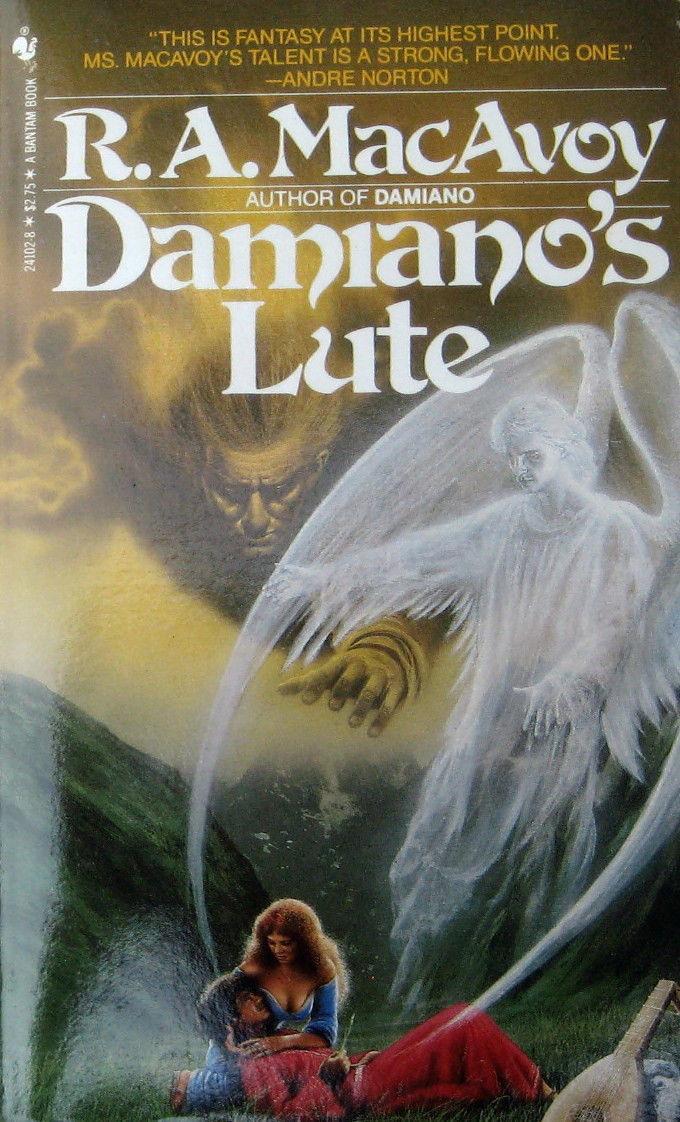
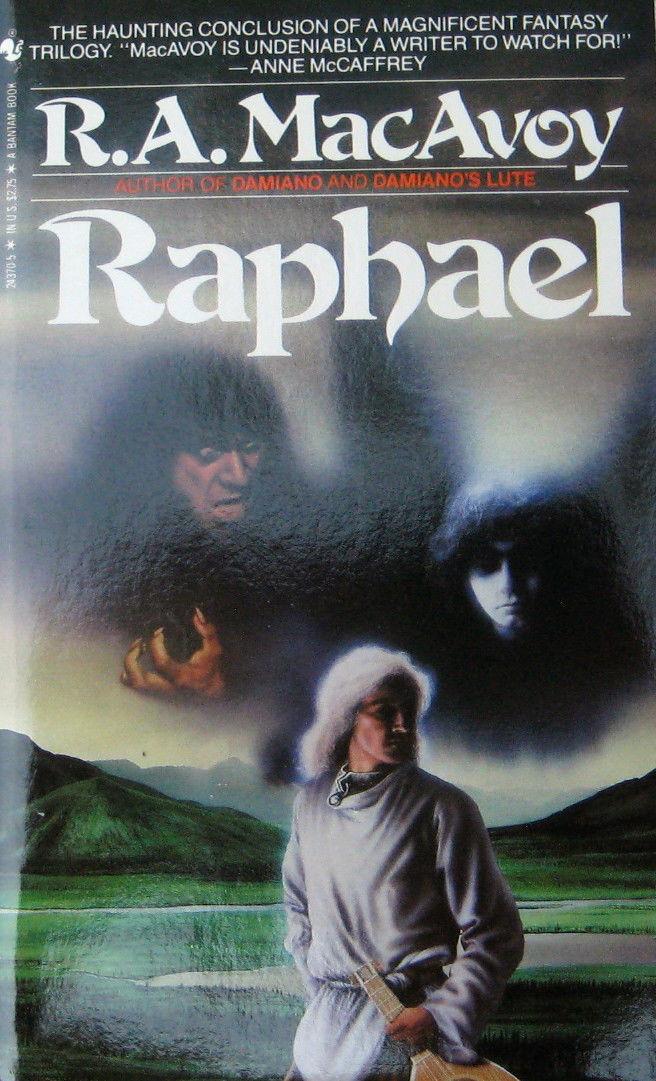
Damiano-small Damiano's Lute-small Raphael-small

R. A. MacAvoy published her first novel, Tea with the Black Dragon, in May 1983. It was nominated for the Hugo, Nebula, and World Fantasy Awards, and received the 1984 Locus Award for Best First Novel. Not too surprisingly, she won the John W. Campbell Award for Best New Writer in 1984.

Her next novel, Damiano, the tale of a wizard’s son befriended by the Archangel Raphael, appeared in 1984, and became the first novel of an ambitious fantasy trilogy. The next two were published as paperback originals by Bantam Books the same year, all with gorgeous wraparound covers by Jim Burns (click the images above for bigger versions.)

Here’s the back covers for all three.

…

Read More Read More

Discovering Robert E. Howard: Howard Andrew Jones and Bill Ward Re-Read “Queen of the Black Coast”

Discovering Robert E. Howard: Howard Andrew Jones and Bill Ward Re-Read “Queen of the Black Coast”

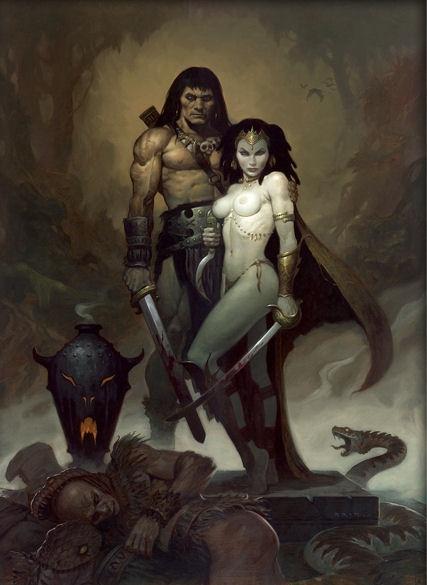
Art by Brom for "Queen of the Black Coast"
Art by Brom for “Queen of the Black Coast”

Howard Andrew Jones and Bill Ward continue their insightful re-read of the first Del Rey Conan volume, The Coming of Conan, with the classic “Queen of the Black Coast,” featuring the beautiful pirate queen Bêlit, originally published in the May 1934 issue of Weird Tales.

Here’s Bill:

There’s a wonderfully vivid moment of stillness at the heart of “Queen of the Black Coast;” Conan sits high on the ruined pyramid of a vanished race as night falls over a scene of slaughter, the “black colossus” (which becomes the title of the next story) of the jungle a vast sea of darkness that enfolds him. He is as far away from any aid or comfort as we’ve ever seen him and far beyond the bounds of civilization, his lover lies dead on the ship they shared for years while the corpses of her pirate crew are scattered among the ruins, and a malignant evil that Conan has only glimpsed in a vision bides its time, waiting just as the Cimmerian, too, waits. Here is the man of “gigantic melancholies,” the man whose mind does not break, and, when the moon finally rises and the beasts rush upon him, the man of action.

Read the complete exchange here.

…

Read More Read More

Back to Ancient Opar

Back to Ancient Opar

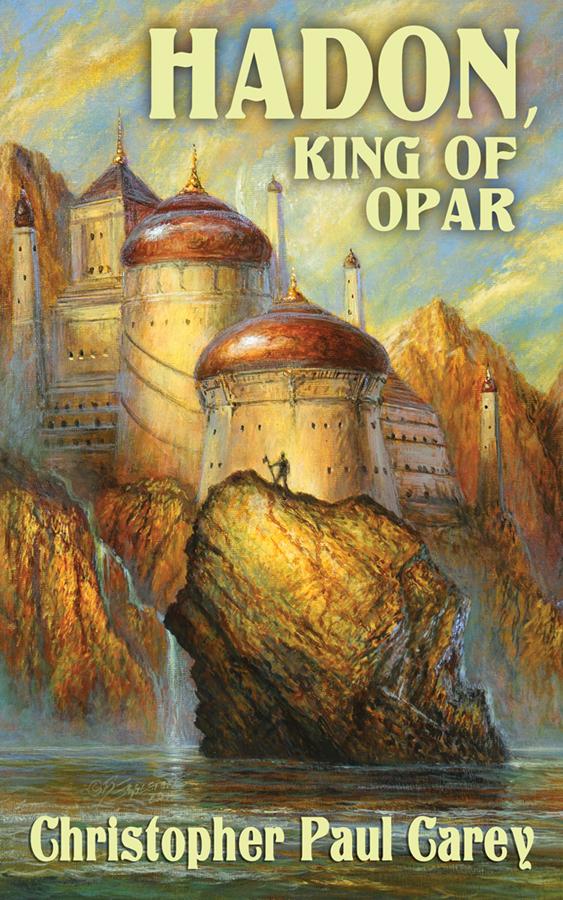
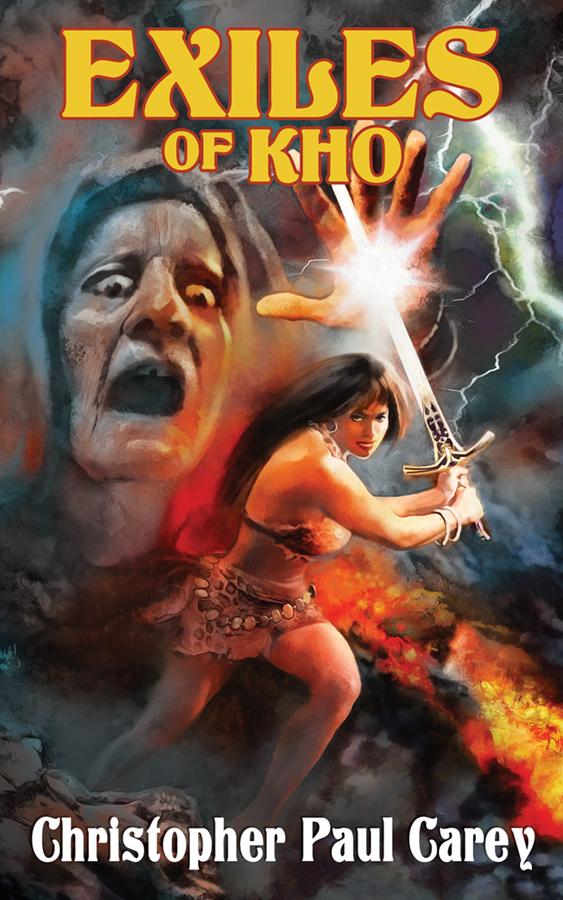
king-oparexiles-khoEdgar Rice Burroughs’ Tarzan has proven an unstoppable force. While misguided movies, TV series, and musicals do their best to rob the ape man of his savage nature and integrity in the name of mass marketing and political correctness, Burroughs’ original Jungle Lord perseveres. Conventional wisdom may suggest time has passed him by, but it’s the vitality of the original that keeps readers coming back for more. Happily, talents like Joe R. Lansdale, Philip Jose Farmer, and most recently Will Murray have been willing to give fans further adventures of the real Tarzan.

Turn back the clock four decades and you’ll find Philip Jose Farmer’s seminal fictional biography, Tarzan Alive (1972) had much to answer for in terms of launching the Wold Newton movement in popular fiction as well as boosting Burroughs’ cachet. While the book may be relatively obscure today, the ripples it created are still felt on the beaches of pulp fiction. For his part, Farmer launched a series of officially sanctioned books recounting the history of ancient Opar. Longtime readers of Burroughs’ work will know that Opar was the first of the author’s lost cities (an outpost of forgotten Atlantis) that survived undiscovered in Tarzan’s African jungle.

…

Read More Read More

New Treasures: The Sea of Trolls Trilogy by Nancy Farmer

New Treasures: The Sea of Trolls Trilogy by Nancy Farmer

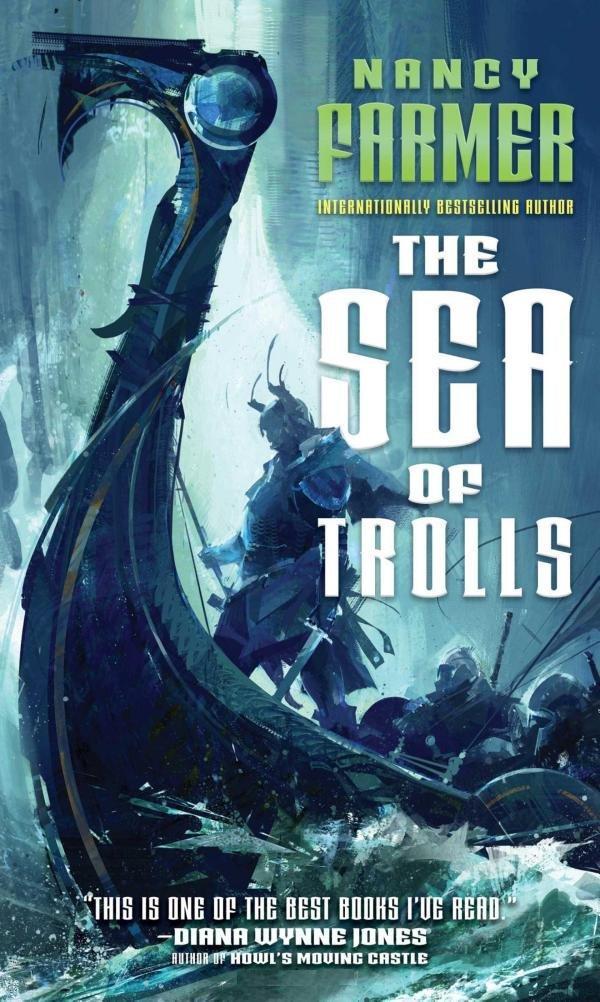
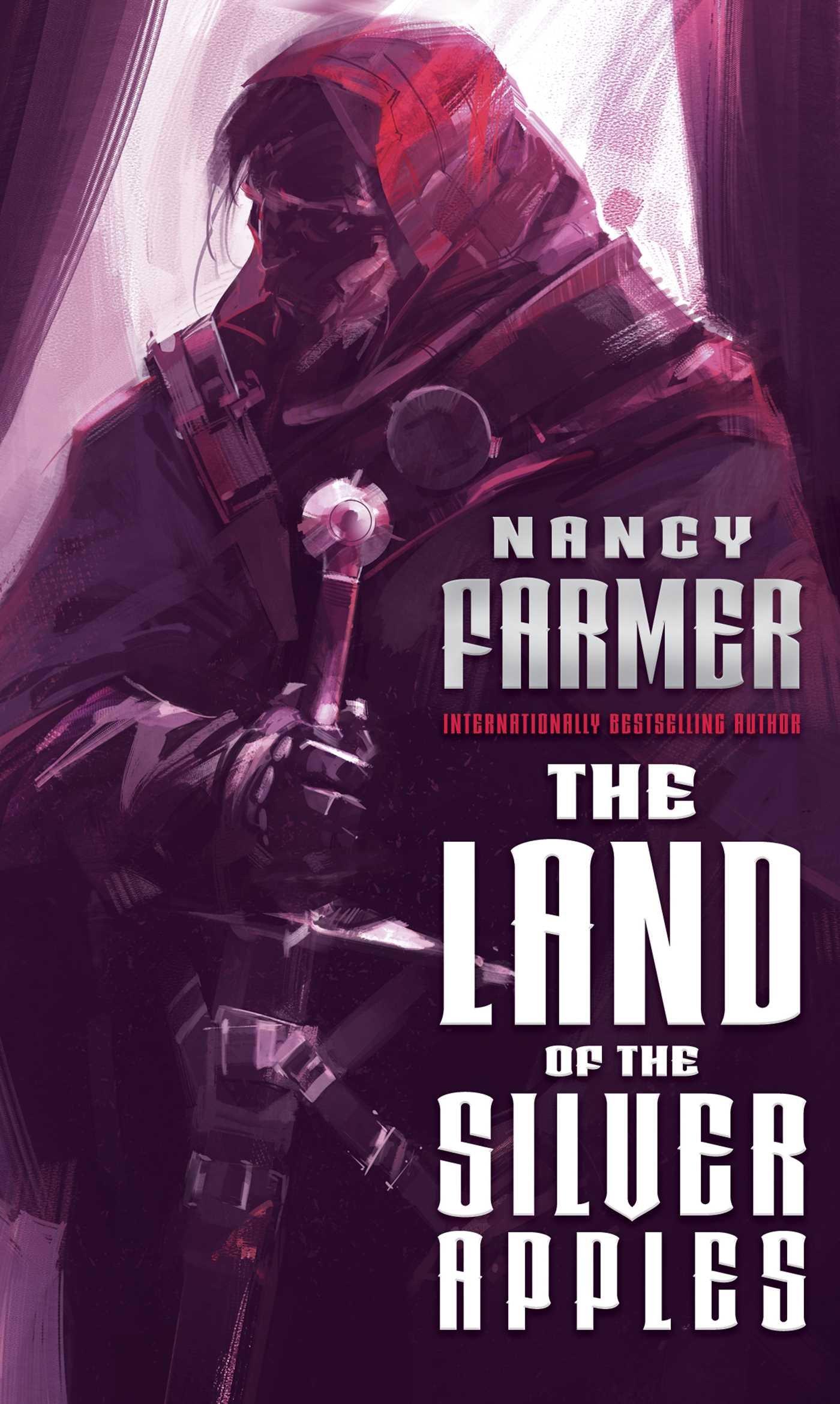
The Sea of Trolls-small The Land of the Silver Apples-small The Islands of the Blessed-small

I’ve been very excited by what I’ve seen from Saga Press in the last few months. They’ve published novels from some of the most exciting new names in fantasy, including Ken Liu’s The Grace of Kings, and Genevieve Valentine’s Persona, among many others. And just this month they brought us John Joseph Adam’s timely new anthology Loosed upon the World: The Saga Anthology of Climate Fiction.

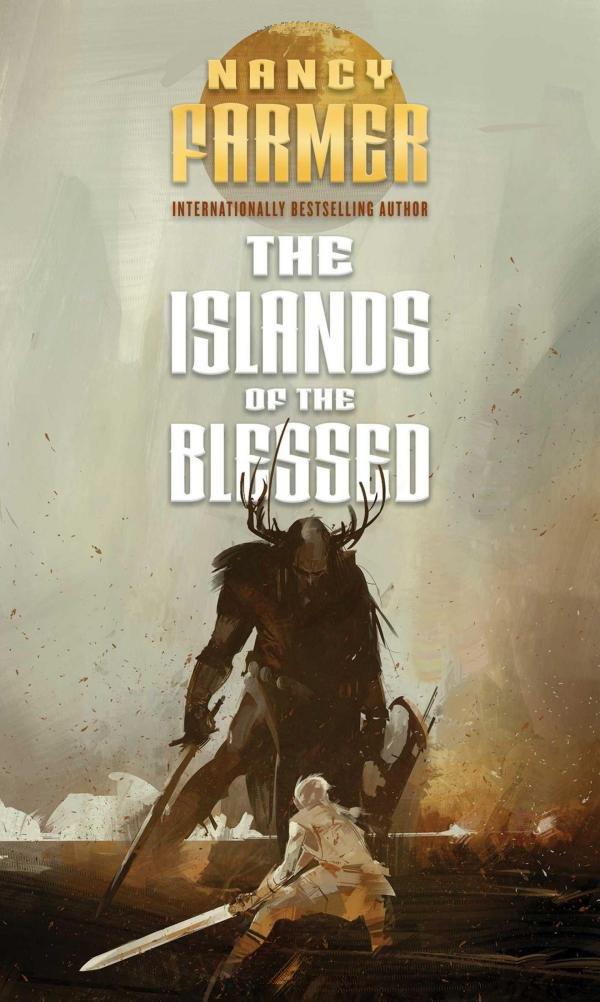
But mixed in with that sharp nose for exciting new work is a keen talent for finding and repackaging overlooked older fantasy. So I was just as excited to see Saga bring Nancy Farmer’s The Sea of Trolls trilogy, originally published in hardcover by Atheneum Books in 2004-2009, out in mass market paperback for the first time, with a gorgeous series of new covers by Richard Anderson. The release dates were:

The Sea of Trolls (496 pages) – June 30, 2015
The Land of the Silver Apples (496 pages) – July 28, 2015
The Islands of the Blessed (496 pages) – August 25, 2015

All three books are now on sale from Saga, priced at $8.99 in paperback and $7.99 for the digital edition. Check ’em out.

Sarah, William Morris, and Me

Sarah, William Morris, and Me

Sigurd the Volsung-smallHurry, hurry, hurry! Step right up, you whippersnappers, and see Old Fogy’s Carnival of Cantankerous Complaints. Present your tickets and take your seats for yet another unsolicited argument justifying my personal preference for bound paper books over electronic texts. Keep your arms and hands inside the diatribe at all times. (Go away kid, you bother me.) Ready?

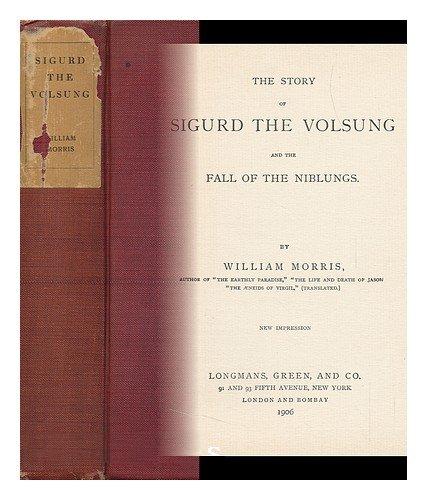
A while back I decided I wanted to read William Morris’s 1877 book-length epic poem, Sigurd the Volsung, a violent Victorianizing of old Norse myth. After discovering that the paperback copy I ordered from Amazon was heavily abridged (grrrr!) I located an old used copy online — an American edition published in Boston by Roberts Brothers in 1891. (Morris was a popular author, and editions of his works that are this old are not at all scarce; I think it cost me ten or fifteen dollars.)

When the book arrived, I carefully took it out of the shipping package (books of this vintage are wonderfully heavy) and opened the dark green cover to look through it. I immediately saw, on the very first blank page, a name and a date neatly written in pencil:

Sarah Anderson Bates 1892

I’m not specifically a collector of signed editions, though I have acquired quite a few over the years (mostly from science fiction writers), among them books signed by Ray Bradbury, Frank Herbert, Ramsey Campbell, Michael Shea, Harlan Ellison, Peter Beagle, Fritz Leiber, and Cormac McCarthy — some pretty heavy hitters.

The signature I value most is Sarah Anderson Bates. Why? Partially for the surprise of having it at all, but mostly because she is someone I know nothing about, who was — just like me — an ordinary person who had a book she valued, and who, by writing her name in it, became a kind of time traveler, sending a signal to me, a person who probably wasn’t even born until long after she was gone.

…

Read More Read More

When Big Game Hunting was Glamorous: The Man-Eaters of Tsavo

When Big Game Hunting was Glamorous: The Man-Eaters of Tsavo

1592281877The recent scandal over the killing of Cecil the Lion has once again brought big game hunting into the spotlight, with various websites outing rich hunters who go to Africa to blow away lions, giraffes, and other animals.

Here in Spain, we had an even bigger scandal back in 2012 when, at the height of this country’s financial crisis, King Juan Carlos went to Botswana and killed an elephant. He later apologized but this, plus rumors of extramarital affairs and numerous incidents of being apparently drunk in public, forced him to abdicate two years later.

There was a time when scandals like this would have never happened, when kings and commoners could empty their guns into beautiful animals free from the fear of criticism. Many wrote memoirs of going on safari, creating a genre that has all but died out today.

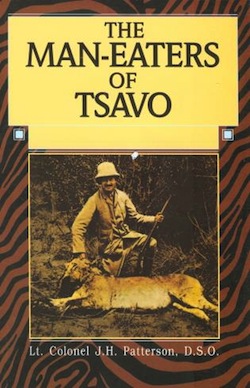
One of the classics of the genre is The Man-Eaters of Tsavo, by Lt. Col. J.H. Patterson and originally published in 1907. Patterson worked as the chief engineer building the Mombasa to Uganda railway in 1898. Managing a huge crew of Africans, Pathans, and Sikhs in adverse conditions to build a railroad through poorly mapped territory would have been hard enough, but soon lions started coming into the workmen’s camp at night and carrying off his workers.

…

Read More Read More
Vintage Treasures: Hell’s Gate by Dean R. Koontz

Vintage Treasures: Hell’s Gate by Dean R. Koontz

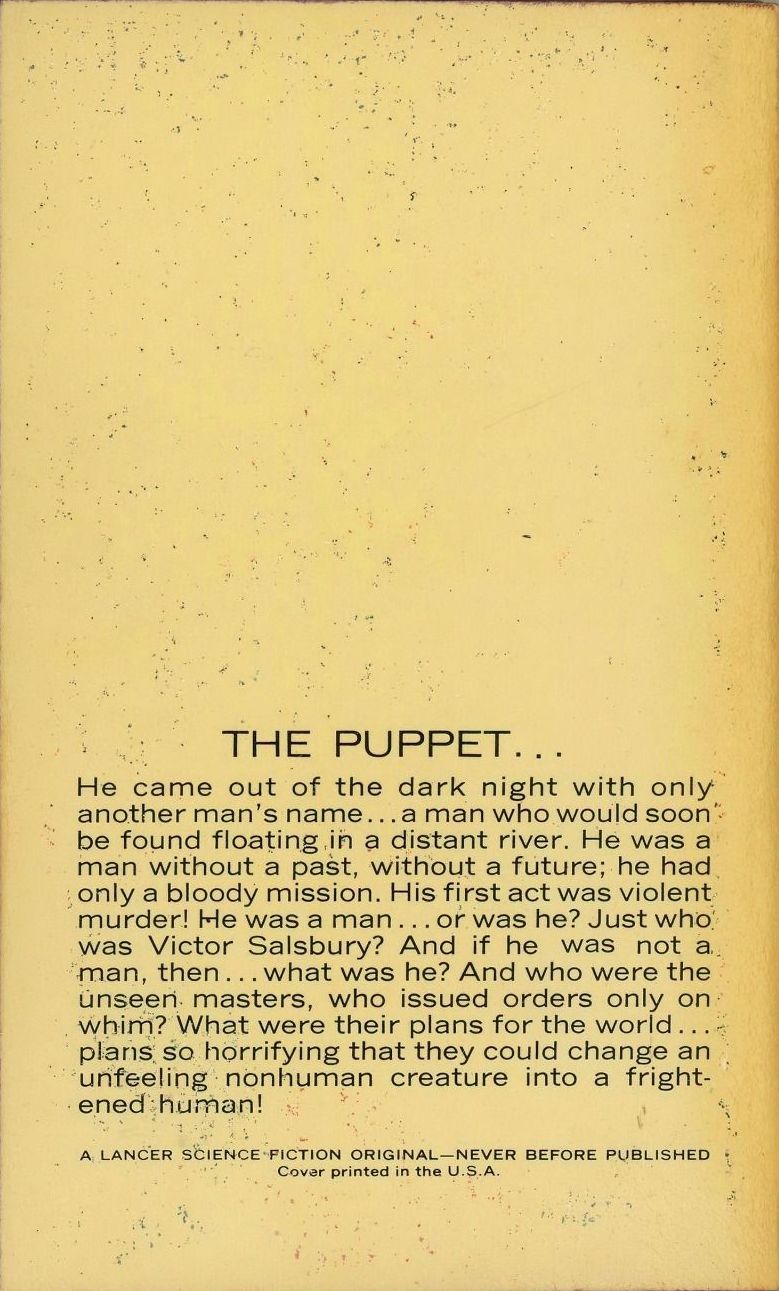
Hell's Gate Dean R Koontz-small Hell's Gate Dean R Koontz-back-small

One of the great things about collecting old paperbacks is that it’s an inexpensive hobby. Almost criminally inexpensive. Want a good condition copy of the first edition of Jack Vance’s The Dying Earth, one of the rarest and most sought-after genre paperbacks? Copies at Amazon.com start at around 10 bucks… about the price of a brand new paperback. I bought a mint-condition, unread copy on eBay for a lofty $20 a few years back.

But there are exceptions. And some of the most interesting exceptions are the early paperbacks of Dean R. Koontz.

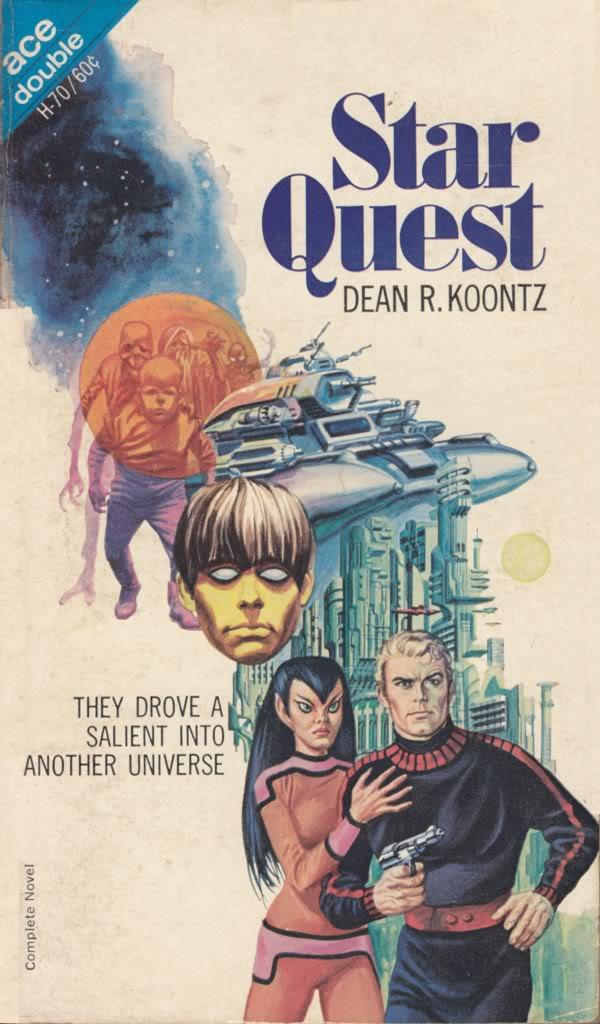
Koontz was (and is) a terrifically prolific writer, publishing as many as eight books a year. His first novel, Star Quest (cover here), was published as an Ace Double in 1968, and over the next few years he wrote more than a dozen other SF novels, under his own name and many pseudonyms, including Leigh Nichols, David Axton, and many others. His first bestsellers were Demon Seed (1973), The Key to Midnight (1979, as by Leigh Nichols) and his breakout novel Whispers (1980). With the money he made as a bestselling writer, Koontz famously bought up the rights to most of his early work and, with rare exceptions, has not allowed it to be reprinted.

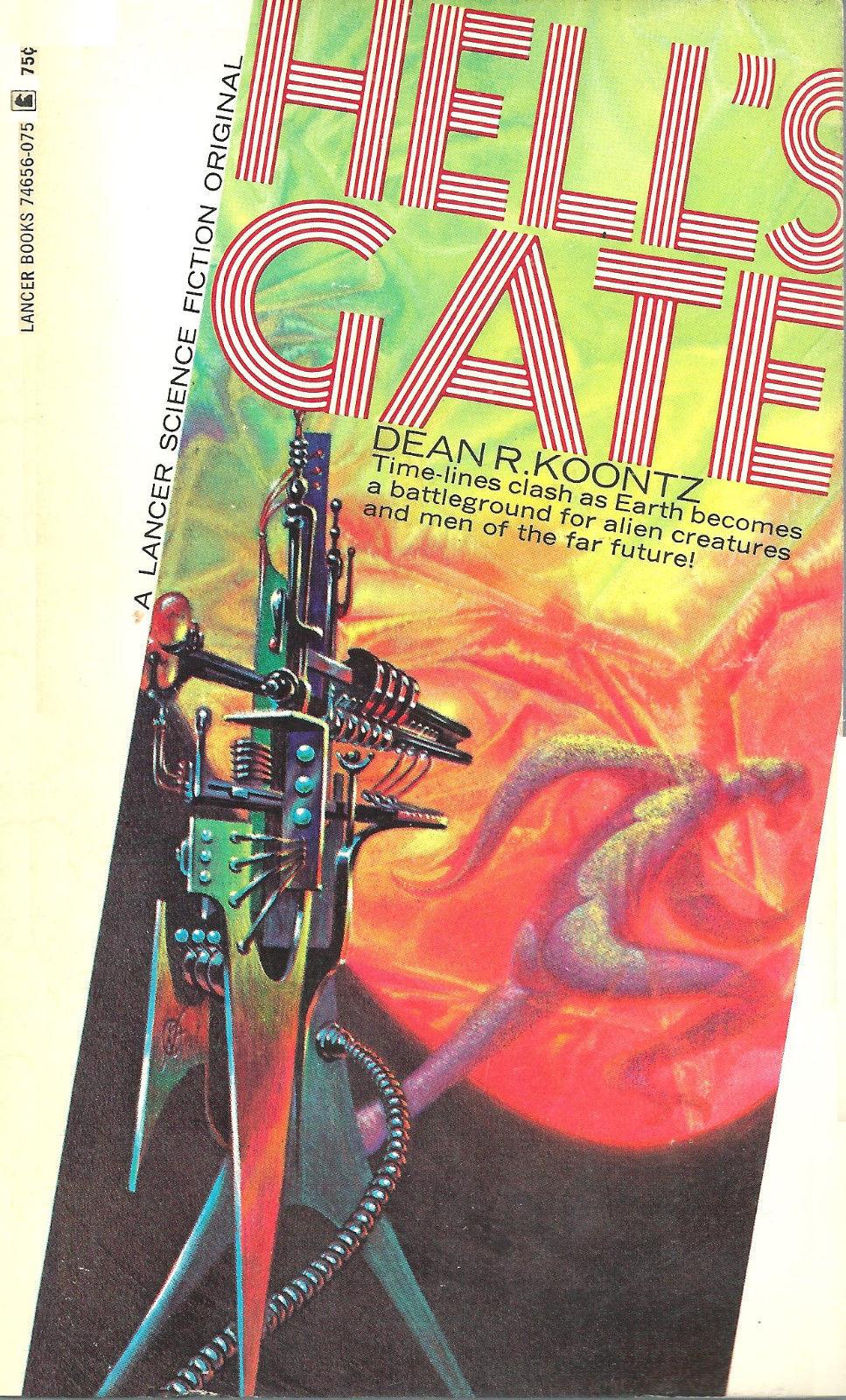
Which brings us to Hell’s Gate, his fifth novel, published under his own name as a paperback original by Lancer in 1970. It is 190 pages, originally priced at $0.75, with a gorgeous cover by the great Kelly Freas (click the above images for bigger versions). The rights now rest with Koontz and, like much of his early work, it has never been reprinted. There is no digital edition. If you want a copy, you’ll have to turn to the collector’s market, and copies in good condition can be pretty expensive. Prices at Amazon.com currently range from around $15-35, and at eBay range from $7.50 to $100. If you’re interested, be prepared to shop around.

Defending Children of Dune

Defending Children of Dune

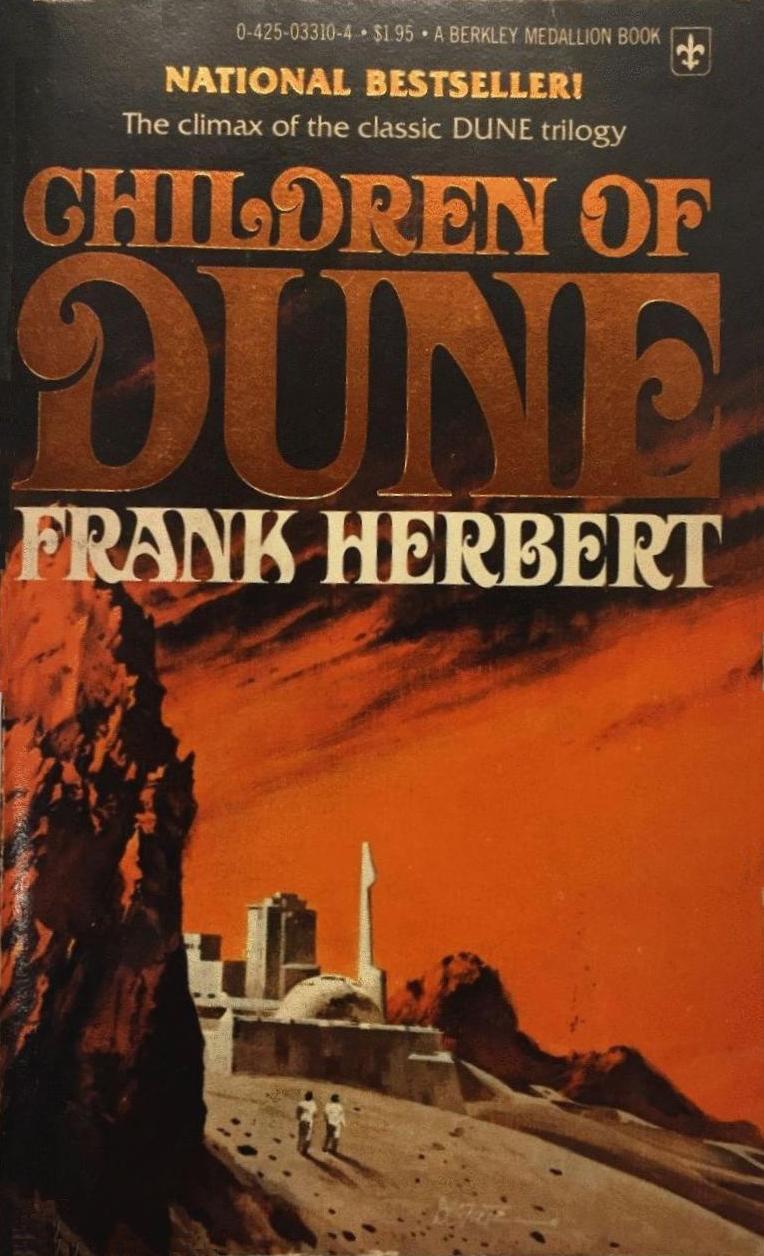
Children of Dune final-smallWhen it comes to Dune and the media universe it spawned, it seems there’s not much middle ground. This is more of a perception than a carefully reasoned position with evidence to back it up. But I gather that people like Dune a lot, or they just don’t get what the fuss is about.

I’d put myself in the former camp. I read a great deal of SF in my early years, before drifting away. Somewhere in there I discovered Dune and I read the original trilogy (yes Virginia, Dune was once a paltry trilogy) several times. Near the end of my SF reading days God Emperor of Dune came out and I read it a few times.

A few decades later I decided to revisit the Dune universe. By now Frank Herbert was long gone, with two more installments published in his later years. There was an ill-fated and much-maligned movie directed by David Lynch (I maintain it’s not that bad of an effort at shoehorning the massive Dune story into two hours). There were some better-regarded miniseries adaptations that aired on the SciFi Channel. And a flood of Dune novels by Herbert’s son Brian and Kevin J. Anderson. There are currently fourteen of these spinoffs.

It’s here that I began revisiting Dune. Which seemed like a good idea at the time. The novelty of reading about Dune again got me through six or seven volumes. Then it dawned on me that perhaps they didn’t measure up to the originals. I’ll leave it at that.

Another perception I’ve formed is that even for those who like Dune, the first book was the end of the line. Which I’d agree with, but only to a point. I probably won’t read any more Herbert/Anderson books, and I see no reason to revisit books five and six of Frank Herbert’s original run.

…

Read More Read More
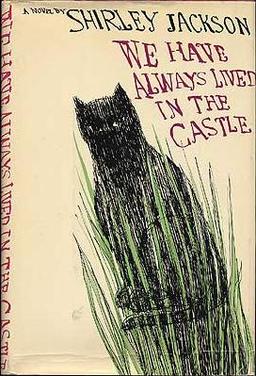
We Have Always Lived in the Castle by Shirley Jackson

We Have Always Lived in the Castle by Shirley Jackson

oie_1452742F8rz4l3Z

My name is Mary Katherine Blackwood. I am eighteen years old, and I live with my sister Constance. I have often thought that with any luck at all I could have been born a werewolf, because the two middle fingers on both my hands are of the same length, but I have to be content with what I had. I dislike washing myself, and dogs, and noise. I like my sister Constance, and Richard Plantagenet, and Amanita phalloides, the death-cap mushroom. Everyone else in my family is dead.

So opens Shirley Jackson’s final novel, We Have Always Lived in the Castle (1962). Published three years before her death, this introduction to the book’s narrator, better known as Merricat, seems to promise readers they are in for the story of a quirky young woman. It is indeed beguiling but bears only the slightest hint of what’s to come in this short novel. It is a book built of dark and deep shadows, pierced at times by shimmering passages, before becoming darker and more claustrophobic.

Merricat lives with her sister and their crippled and addle-minded Uncle Julian in the great mansion that the Blackwoods have always lived in. Six years ago something terrible happened for which all the townsfolk hate, and perhaps even fear, the Blackwoods. One evening, arsenic found its way into the sugar bowl and the sisters’ parents, younger brother, and aunt died. Their uncle took less sugar and survived, though irreparably broken. Constance, who cooked, who never took sugar — and who cleaned the sugar bowl before the police arrived — was accused and tried. No motive could be found and she was acquitted, but she has never since left the property. Only Merricat braves the village — twice a week — to buy food, take out books from the library, and suffer the staring and unpleasant treatment of the villagers.

…

Read More Read More

The Public Life of Sherlock Holmes: Tolkien’s Necklace of the Dwarves

The Public Life of Sherlock Holmes: Tolkien’s Necklace of the Dwarves

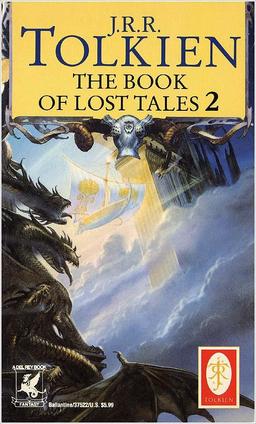
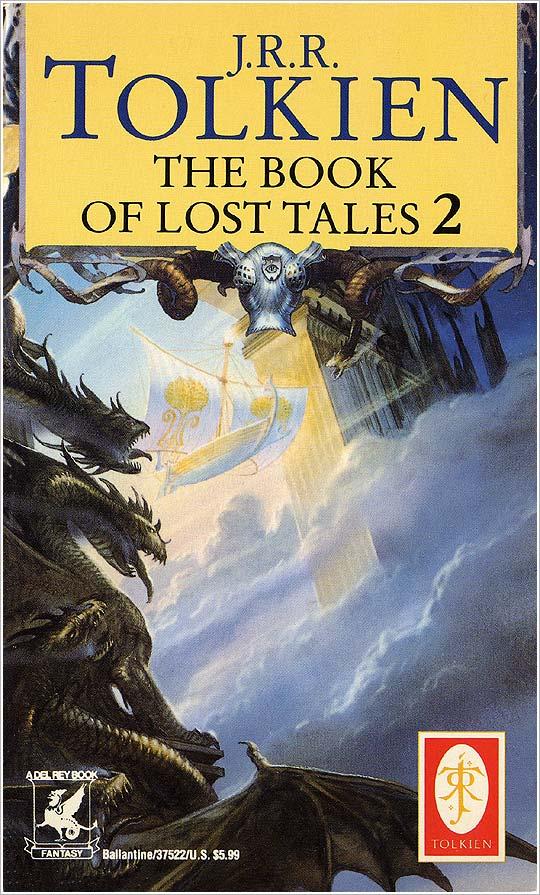
The-Book-of-Lost-Tales-2-smallI was a voracious reader of fantasy in my teens and early twenties. Moorcock, Tolkien, Lieber, Kurtz, Feist, Eddings, Brooks, Donaldson, Dragonlance and Forgotten Realms, Thieves World, Heroes in Hell; I devoured series fantasy. And later I would delve into McKiernan, Cook, Howard, Jordan and others.

Now, in the past decade, I’ve made a couple of attempts to re-read The Hobbit and The Lord of the Rings, but given up each time (I can say the same thing about Fritz Lieber’s Fafhrd and Grey Mouser series). I like the stories and the events, but parts of them just read so sloooow. I’ve not run into that problem with Michael Moorcock’s Eternal Champion series, or Katherine Kurtz’s Deryni books. But I’m still a huge Tolkien fan, even though I don’t sit down and read through him any more.

I’m in a rather small minority that prefers The Silmarillion to his two better-known works. And that’s because I’m completely sold on Tolkien as a world builder and storyteller. That’s why he’s still a favorite.

From the story of the Silmarils up to the start of the Third Age, Tolkien set the standard for world building and epic history. I enjoy the vast creations of Robert Jordan, Steven Erickson, Stephen R. Donaldson, David Eddings and many more, but Tolkien was unsurpassed.

One of my first Dungeons and Dragons characters was an elf named Gil Galad, wielding his spear, Aeglos. Fingolfin, the Sons of Feanor, Hurin, Turin, Melkor, Ancalagon, and Glaurung: The Silmarillion is just chock full of heroes, villains, lands, kingdoms and events.

…

Read More Read More