Blogging Sax Rohmer’s The Return of Dr. Fu-Manchu, Part Ten – “The Mummy”
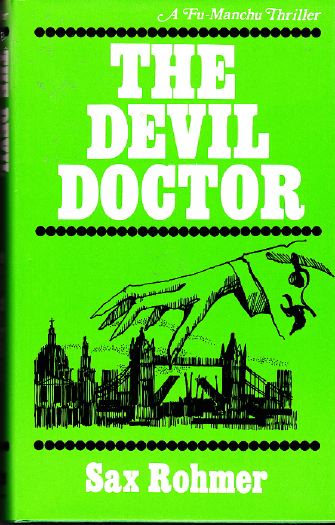
 “The Mummy” was the tenth and final installment of Sax Rohmer’s Fu-Manchu and Company. The story was first published in Collier’s on December 4, 1915 and was later expanded to comprise Chapters 31-33 of the second Fu-Manchu novel, The Devil Doctor first published in the UK in 1916 by Cassell and in the US by McBride & Nast under the variant title, The Return of Dr. Fu-Manchu.
Following on from the unbearably suspenseful sadomasochistic tour de force of “The Six Gates,” this final installment of the second Fu-Manchu serial opens with Petrie sleeping securely for the first time in months aboard a ship’s cabin as he crosses the Mediterranean when his rest is disturbed by an urgent telegraph message that has just been received from an unknown destination. The message reads simply, “Dr. Petrie – my shadow lies upon you all.” It serves as a chilling reminder that, though believed dead after being shot by Karamaneh at the conclusion of the next episode, Dr. Fu-Manchu’s servants may yet take vengeance for her betrayal.
No sooner has this fact occurred to them than all concerned are startled by the sound of Karamaneh screaming. They rush to her cabin along with her brother Aziz and find her hysterical after an attempt on her life by an Egyptian mummy she claims entered her cabin through the porthole and attempted to strangle her in her sleep. Of course there is no sign of an intruder anywhere.

 What a TRIP…