Genre Prejudice
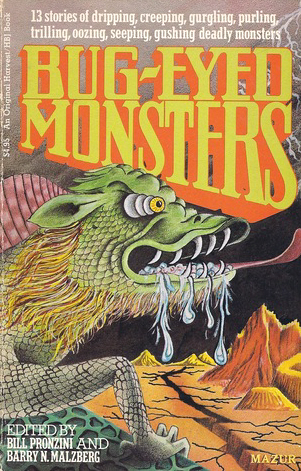
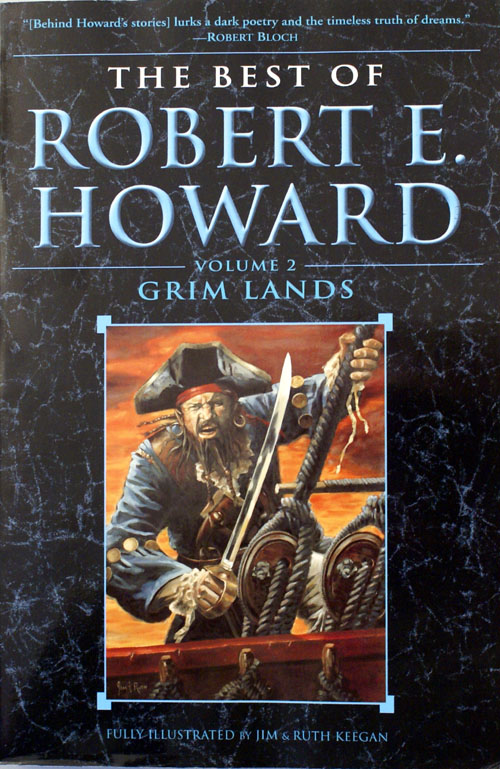
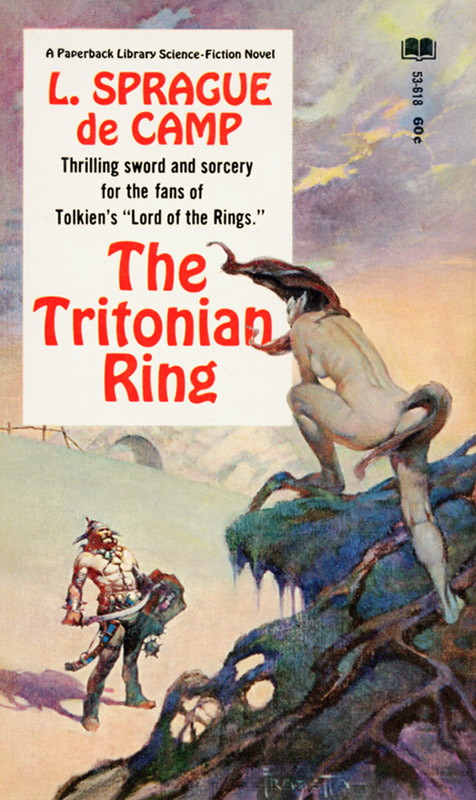
 It’s a lot easier for me to be generous about other genres than it used to be. I’m trying to decide if that has something to do with me mellowing with age, or if it’s because there’s a whole lot more sword-and-sorcery available than there was ten years ago … or if it’s simply that I don’t feel shut out anymore now that I’m writing sword-and-sorcery stories for a living.
Fantasy seems a lot more popular even among the mainstream readers than it used to be, although the dividing line between fantasy and sword-and-sorcery still seems pretty blurry. I’ve spent a lot of time over the years trying to define the difference, but I often feel like I’m shouting in the wind. The common conception remains that if it’s got swords and magic, it must be sword-and-sorcery, regardless of pacing or the focus of the plot. But let’s set another discussion of sword-and-sorcery aside for the nonce and focus instead on genre prejudice.
I think a lot of science fiction and fantasy writers and readers feel like low faces on the totem pole because their favorite fiction is sneered at by people in the know. A while ago, I started to realize that MOST writers felt like their genre was being kicked to the curb. Horror writers have been going through a hard time now for a good long while. YA writers, well, they “only write YA,” and God help the urban fantasy people, whom are in fashion to be hated. As writers and readers, we all turn up our noses at all the things we find wrong with some one else’s genre. Really, that’s all that’s happening with the literary criticism of genre work. It’s easy for us genre people to detail the things we find annoying about literary fiction, but it turns out lit fic writers feel harried themselves.
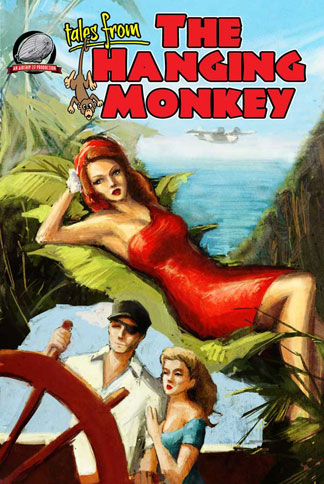 Tales of the Gold Monkey only lasted one season in the early 1980s, but the series has developed a steady cult following in the years since its brief network run. Dismissed as nothing more than an inferior small screen knockoff of the contemporaneous Raiders of the Lost Ark, the series has finally started to earn the recognition denied it at the time. While it took a Hollywood blockbuster to convince network executives to green-light the series, the proposal had been around since the 1970s and the show was conceived, like Raiders, in homage to the serials and classic adventure stories of the past.
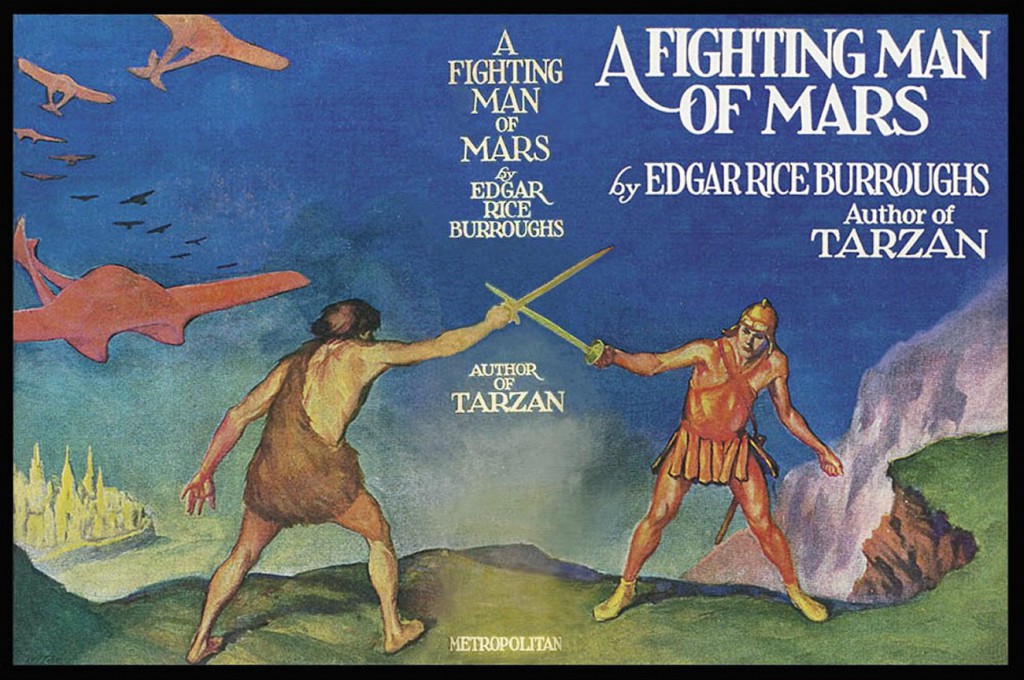 Back on Mars already?