The Public Life of Sherlock Holmes: Arsenic and Old Lace
In Brooklyn during World War II, a pair of black widows were luring men to their deaths. They preyed upon older, lonely men without family or close friends. With a “Room for rent” sign hanging in the front window of their idyllic-looking home, they fed arsenic-laced wine to their victims. A male relative who lived with them buried the bodies in the basement, with no one the wiser. The women were in fact little old ladies: think Aunt Bee as a serial killer.
But a nephew came over and found a body in window seat – the thirteenth victim. He slowly realized that his two loveable old aunts were killers. Then, his brother, a murderer on the lam from the police, showed up with his lackey in tow. It’s a hardboiled, true crime story that curiously, is largely forgotten today.
Just kidding! It’s actually Arsenic and Old Lace, a smash stage play that became a popular movie starring Cary Grant, Raymond Massey and Peter Lorre. The play ran on Broadway for 1,444 performances and is still in wide use today.
 Last time I was talking about the idea of there being a time to railroad. In other words, that there’s a time when the supporting technology, or maybe just the zeitgeist, allows for a concept or invention to finally flourish. The railroad itself is the ultimate example of this idea technologically, and you can look at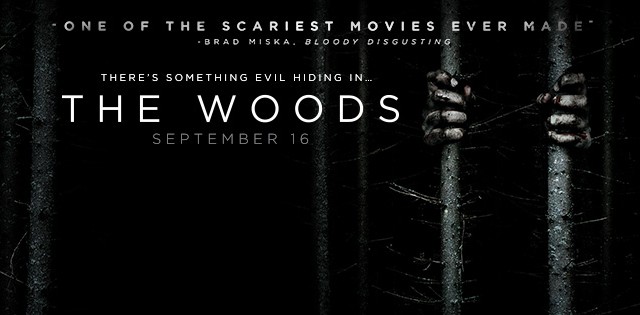
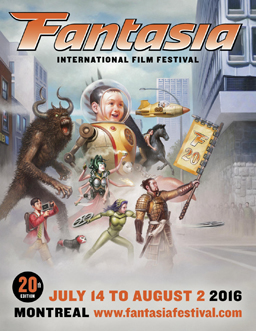 Thursday, June 14: as good a day as any to begin an adventure. I walked downtown that afternoon under looming clouds to Concordia University’s EV Building, where I picked up my accreditation for the 2016 edition of the Fantasia International Film Festival. I’d been looking forward to writing about this year’s festival for Black Gate virtually since last year’s had ended. Now things were finally about to begin. A laminated press pass, a festival schedule, a thick program book: the guide to the adventure unfolding over the next three weeks, to fantasy and horror and science fiction and a lot more.
 I don’t think there’s anyone in the Fantasy and SF community that isn’t familiar with this concept (I first came across it in a Heinlein novel) but just in case: There’s a point at which all the necessary components to allow for an invention to flourish are in existence, and at that point – and not before – the invention takes off.