Blogging The Insidious Dr. Fu-Manchu by Sax Rohmer, Part Ten – “The Spores of Death”
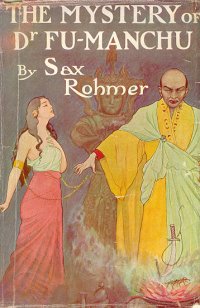 “The Spores of Death” was the penultimate installment of Sax Rohmer’s serial, Fu-Manchu.
First published in The Story-Teller in June 1913, it later comprised Chapters 24-26 of the novel, The Mystery of Dr. Fu-Manchu (re-titled The Insidious Dr. Fu-Manchu for U. S. publication).
The story starts off appropriately with our narrator, Dr. Petrie, acknowledging the storyline is drawing to a close and apologizing (very nearly breaking the literary equivalent of the Fourth Wall in so doing) for his haste in not better detailing characters and incidents as he was forced to maintain the breakneck pace of the events as they transpired.
Dr. Petrie then spends some much welcome time discussing the mysterious origins of Dr. Fu-Manchu. Petrie suggests the name (ridiculous to modern, informed readers) is an assumed one and disassociates him with the Young China movement (the Republicans who came to power after the fall of the Manchu Dynasty) as he had speculated early on.
 Confession: I am a fan of pulp fantasy who has, until recently, read very little Clark Ashton Smith. Yes, the man who comprises one of the equilateral sides of the immortal Weird Tales triangle has largely eluded me, save for a few scattered tales and poems I’ve encountered in sundry anthologies and websites.
 Over at Tor.com, bloggers Bill Capossere and Amanda Rutter have commenced an epic re-read of all ten volumes of The Malazan Book of the Fallen, starting with the first novel, Gardens of the Moon.
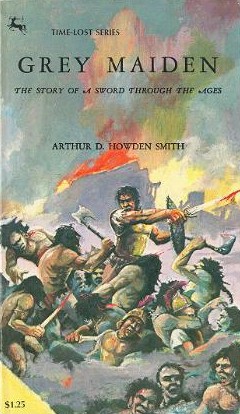 I have a habit of buying books — a compulsion, really. Older books, mostly, from book fairs and small used bookstores. Things that look unusual, and which, in the absence of an immediate reason on my part to read them immediately, often sit on my shelves for some time before I get around to them.
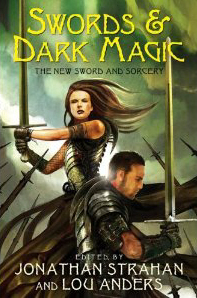 Lou Anders
 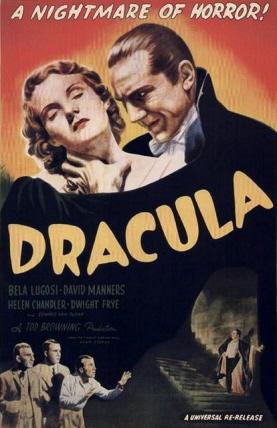 Dracula by Bram Stoker frequently vies with The Maltese Falcon by Dashiell Hammett as my favorite book.
 Okay, writers. Let’s say you have a short story idea or two, but you don’t know the best way to write it. Some sage writers with some sales under their belts tell you that you Must Outline. Other wisened authors tell you to just, “Go where the story takes you,” that you shouldn’t outline at all.
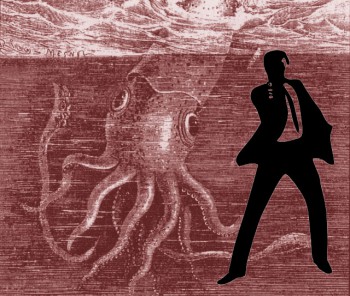 Mania, my dear Mister Bond, is as priceless as genius.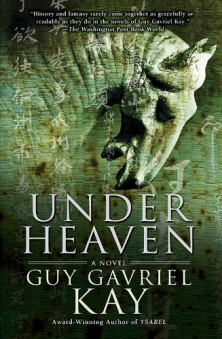
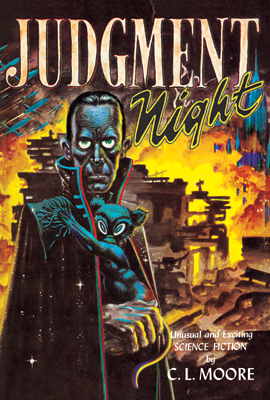 Famed with her husband Henry Kuttner for turning out superlatively compelling and complex stories for the pulps, both jointly and singly, Catherine Moore began writing in 1933.