Browsed by
Category: Books

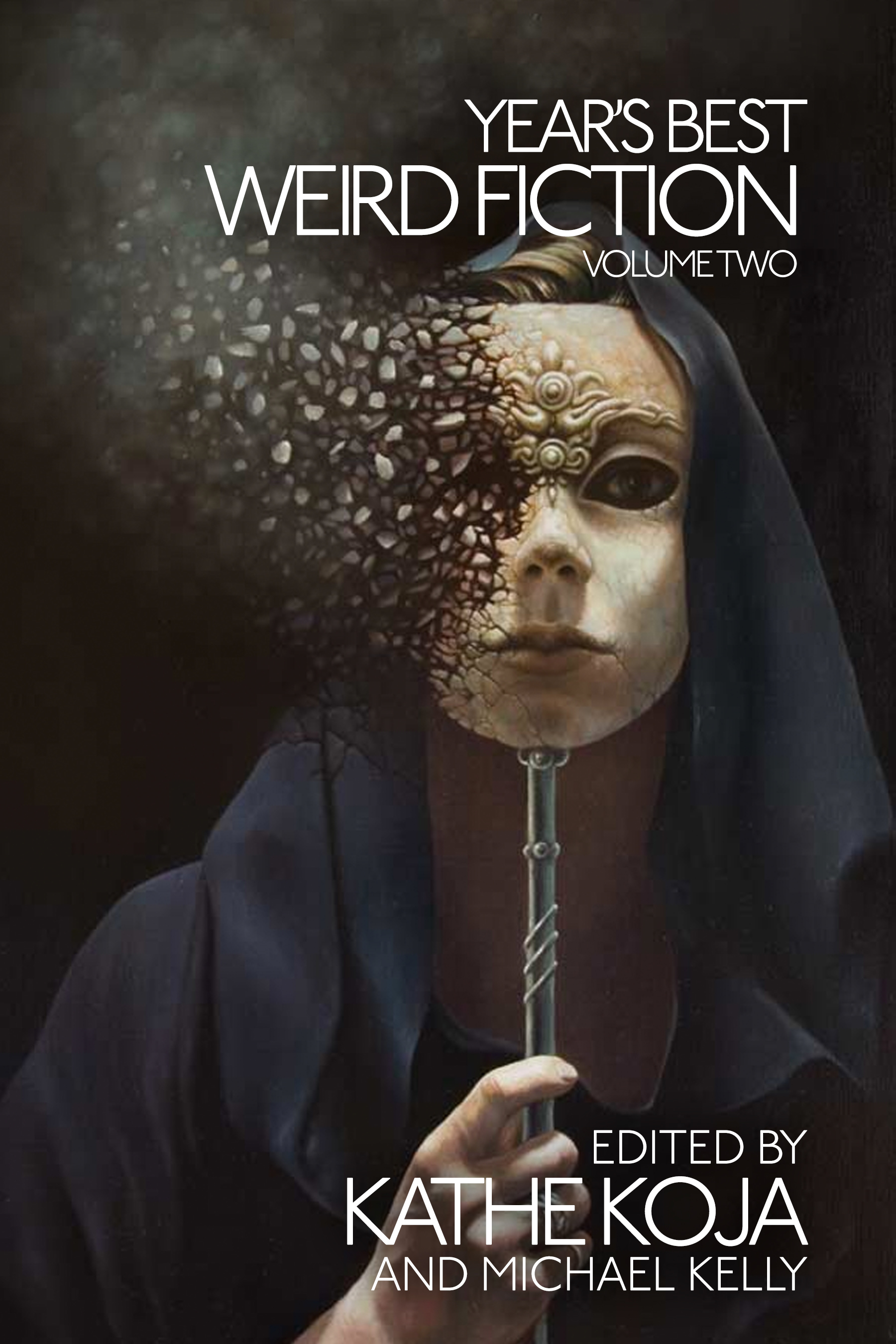
Future Treasures: Year’s Best Weird Fiction Volume Two, edited by Kathe Koja
Future Treasures: Year’s Best Weird Fiction Volume Two, edited by Kathe Koja

Year's Best Weird Fiction Volume 2-smallThe first volume of Year’s Best Weird Fiction looks like it has been an unqualified success.

In his review, James McGlothlin wrote:

We are long overdue to have a year’s best anthology dedicated specifically to the weird… The craft of fine writing is quite exemplar here… Barron has successfully compiled an excellent anthology.

Now Undertow Books has revealed the cover and the complete Table of Contents for Year’s Best Weird Fiction Volume Two, to be published later this year. Here’s the TOC:

“The Atlas of Hell” by Nathan Ballingrud (Fearful Symmetries)
“Wendigo Nights” by Siobhan Carroll (Fearful Symmetries)
“Headache” by Julio Cortázar. Translation by Michael Cisco (Tor.com, September 2014)
“Loving Armageddon” by Amanda C. Davis (Crossed Genres #19, July 2014)
“The Earth and Everything Under” by K.M. Ferebee (Shimmer #19, May 2014)
“Nanny Anne and the Christmas Story” by Karen Joy Fowler (Subterranean Magazine, Winter 2014)
Read More Read More

When I Win the Lottery; Or, I Should Be So Lucky

When I Win the Lottery; Or, I Should Be So Lucky

Jackson LotteryThe phrase “when I win the lottery” seems to be used in two distinct ways. The first and, I hope, the most common usage, has the same “ain’t gonna happen” meaning as “when pigs fly,” and connotes a certain sense of realism on the part of the speaker. The second, and I think sadder, usage stands for a certain lack of foresight. It’s been said, for example, that a sizable percentage of people include winning the lottery as an element in their retirement plans.

In our house the phrase also stands for any unlikely event beyond our control that we would nevertheless welcome. Like “when they finally come up with a retina chip that will fix my right eye,” or, “when the Dhulyn and Parno novels are optioned for TV.”

The lottery as a phenomenon is now so pervasive that it’s almost impossible not to think about lotteries and winning/losing them. The concept has formed the basis of a wide variety of movie and TV plots – mostly on the negative aspects of winning, but I think that’s meant to comfort those of us who, well, lost.

How are lotteries treated in Fantasy and SF writing? I don’t mean games of chance as such, though that gives us magnificent stories like “Gonna Roll the Bones” from Fritz Leiber. Nor do I mean criminal activities like numbers running, or even straightforward betting, whether on or off track or line. No, I mean actual lotteries. You get your ticket, and you wait your chance.

Read More Read More

Goth Chick News: Gather Around, It’s Time for the Annual Stoker Awards

Goth Chick News: Gather Around, It’s Time for the Annual Stoker Awards

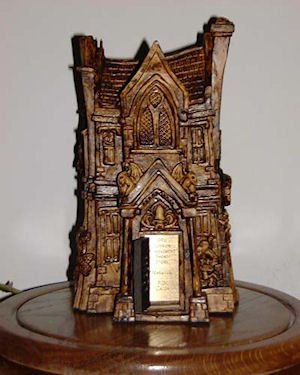
A Stoker – the coolest literary trophy ever

Just when you thought you were going to go all Freddy Kruger due to cabin fever, we’ve got a real reason for you to hunker down and stay inside for a while.

The Horror Writers Association just announced the 2014 nominees for the iconic Bram Stoker Award.

Hurrah!

Named in honor of Dracula’s beloved Pappa, the Stokers are presented annually by the HWA for superior writing in eleven categories including traditional fiction of various lengths, poetry, screenplays and non-fiction.

The HWA also presents a Lifetime Achievement Award to living individuals who have made a substantial and enduring contribution to the genre. This year’s Lifetime Achievement recipients are Jack Ketchum (The Box and Closing Time) and Tanith Lee (Cruel Pink and Space is Just a Starry Night).

Presentation of the Stoker will occur during the World Horror Convention in Atlanta, Georgia, Saturday, May 9, 2015.

So get ready to make a list – remember, the groundhog saw his shadow, so you have ample time to get through a few of these.

Here’s the complete list of nominees.

Read More Read More

The Making of a Dark Fantasy Anthology

The Making of a Dark Fantasy Anthology

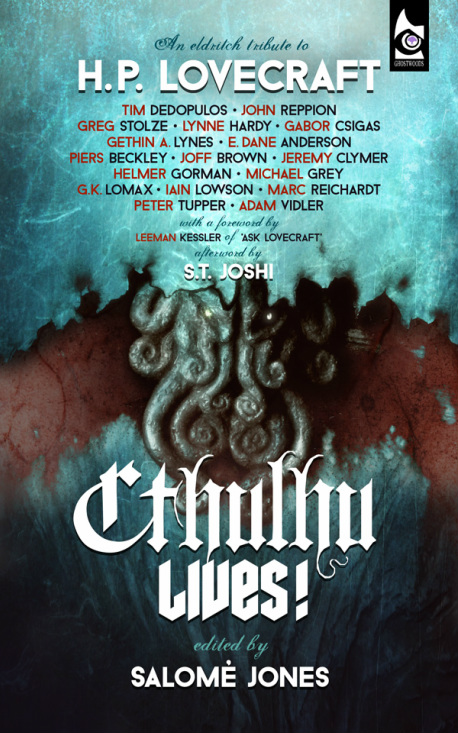
Cthulhu Lives-smallLike all books, an anthology begins with an idea. In the case of Cthulhu Lives! the idea was simply this: the eerie feel of Lovecraft’s cosmic horror stories without the lengthy exposition and racist diatribes. I called for submissions using the tag line “Lovecraftian cosmic horror stories with a modern sensibility.”

The cool thing about asking creative people to respond to a call is that you will often get more than you expected. For CL, I got some stories about things that Lovecraft never imagined because he was from a very different time. For example, 3D printers, spying internet programs, Higgs bosons – and steampunk Europe.

I didn’t have access to a group of known cosmic horror writers. In fact, I didn’t know when I put out the call if we would even get enough good stories to fill the book. At the same time I put out another call for a different book, this one for dark, modern fairy tales, and I got only three stories that I considered suitable, so I had to cancel that book.

After the open call for Cthulhu Lives!, I had thirteen good stories, stories I felt could make the grade either with or without a bit of extra work from the author. After putting them all together, I only had 55,000 words. Tim Dedopulos, the managing editor of Ghostwoods Books, told me I had to get the word count up to at least 70,000 before we could publish.

At that point, I asked writers I knew who I felt were up to the task. I have to say that Gethin Lynes was amazing here. He had been helping me copyedit the stories I already had. In order to help him grok some of the editing decisions I made, I suggested he read some Lovecraft. (He’s Australian, and Lovecraft isn’t as popular there as in the US.) When I needed stories, he wanted to write one. “The Highland Air” was the result, and it’s one of my favorite stories in the book.

Read More Read More

Chaotic and Lawful Alignments in Poul Anderson’s Three Hearts and Three Lions

Chaotic and Lawful Alignments in Poul Anderson’s Three Hearts and Three Lions

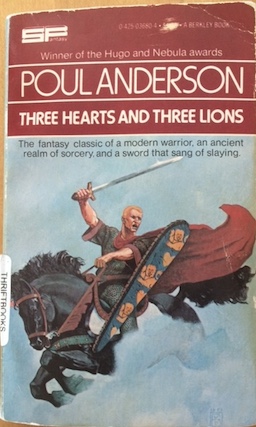
ThreeHeartsI’m willing to bet that Poul Anderson’s Three Hearts and Three Lions published in 1953 in The Magazine of Fantasy and Science Fiction (and Anderson’s close friend and frequent collaborator Gordon R. Dickson’s St. Dragon and the George, published likewise in The Magazine of Fantasy and Science Fiction at about the same time – later republished as The Dragon and the George) owes quite a bit to Mark Twain’s A Connecticut Yankee in King Arthur’s Court. And Anderson doesn’t disguise this, for he at least once overtly references Twain’s historical romance when he has his protagonist, Holger Carlsen (a “Carl” again!), unconvincingly scare away a band of barbarians by using his tobacco pipe to blow smoke out of his mouth. The work further encourages comparisons to Twain’s book through Holger’s use of other “Enlightenment” tricks in a secondary world, and Anderson uses bookends reminiscent of Twain’s. Anderson’s bookends here are worth a closer look.

Holger Carlsen’s history, as relayed by an unspecified narrator, funhouse-mirrors Anderson’s personal history. In a book profiling Supernatural Fiction Writers, Ronald Tweet reports that Anderson was born to Danish parents and lived in Denmark for a while previous to WWII. Holger of Three Hearts and Three Lions is a Dane who, after wandering Europe, starts attending an Eastern university in the U.S. When WWII breaks out, he goes back to Denmark, where, through fairly compressed and elliptical telling, the narrator says that Holger eventually ends up in a pistol fight with Germans. At this point, “all his world [blows] up in flame and darkness.” And Holger finds himself in a fantasy world.

In light of Anderson’s own biographical information, one is tempted to believe that much of this work is the result of a highly personal fantasy, a kind of daydream out of which many fantasies certainly must arise. I’m sure that most of us have fantasized about being an important person in an important place – If only we could get there, somehow!

Read More Read More

Michael Moorcock’s Fantasy Autobiography: The Whispering Swarm

Michael Moorcock’s Fantasy Autobiography: The Whispering Swarm

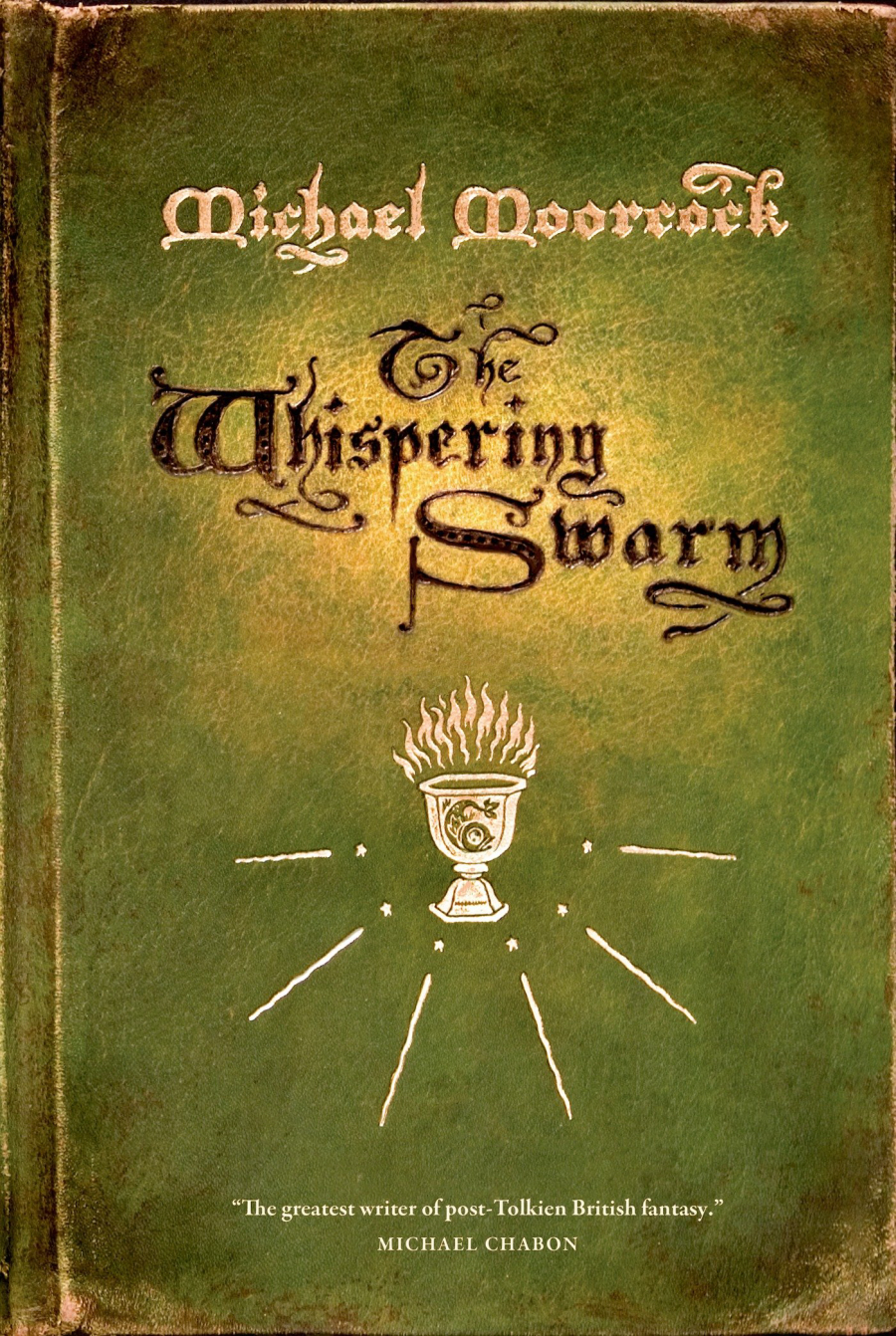
The Whispering Storm-smallMichael Moorcock is a giant. He is probably most famous for his Elric of Melniboné stories, but he also has written many other fine works. In addition, he is also well known for having been the editor of the controversial British science fiction magazine New Worlds from 1964 to 1971. From this position Moorcock is usually credited with fostering the development of the New Wave in science fiction and fantasy.

Personally, I have been a big Moorcock fan for years and was something of a rabid devotee in junior high. I read the Elric stories over and over, almost memorized the “Melnibonéan Mythos” section of the Dungeons and Dragons Deities and Demigods book, and even bought the old Chaosium RPG Stormbringer, which was based on Moorcock’s Elric tales.

So I was incredibly excited when I heard that Moorcock was releasing a new novel, The Whispering Swarm, the first in a new trilogy. Having just finished it, I have to say that it is one of the most unique books I have ever read. Described in a sentence: It’s part fantasy and it purports be part autobiographical.

What?!

I think a little light can be shed on the book’s conception with the following.

StarShipSofa, the excellent British science fiction podcast and website, interviewed Moorcock back in 2008 (if you’re interested, you can watch it here). At one point in the interview, Moorcock relates that his publisher thought he should write a memoir. But Moorcock admits that he is very reticent to do so because many of the people he would be writing about are still alive, and he didn’t want to hurt anyone’s feelings — nor did he want to get into any “he said vs. she said” controversies.

Read More Read More

By the Numbers: Encountering Classic Fairy Tales with a Box of Crayons

By the Numbers: Encountering Classic Fairy Tales with a Box of Crayons

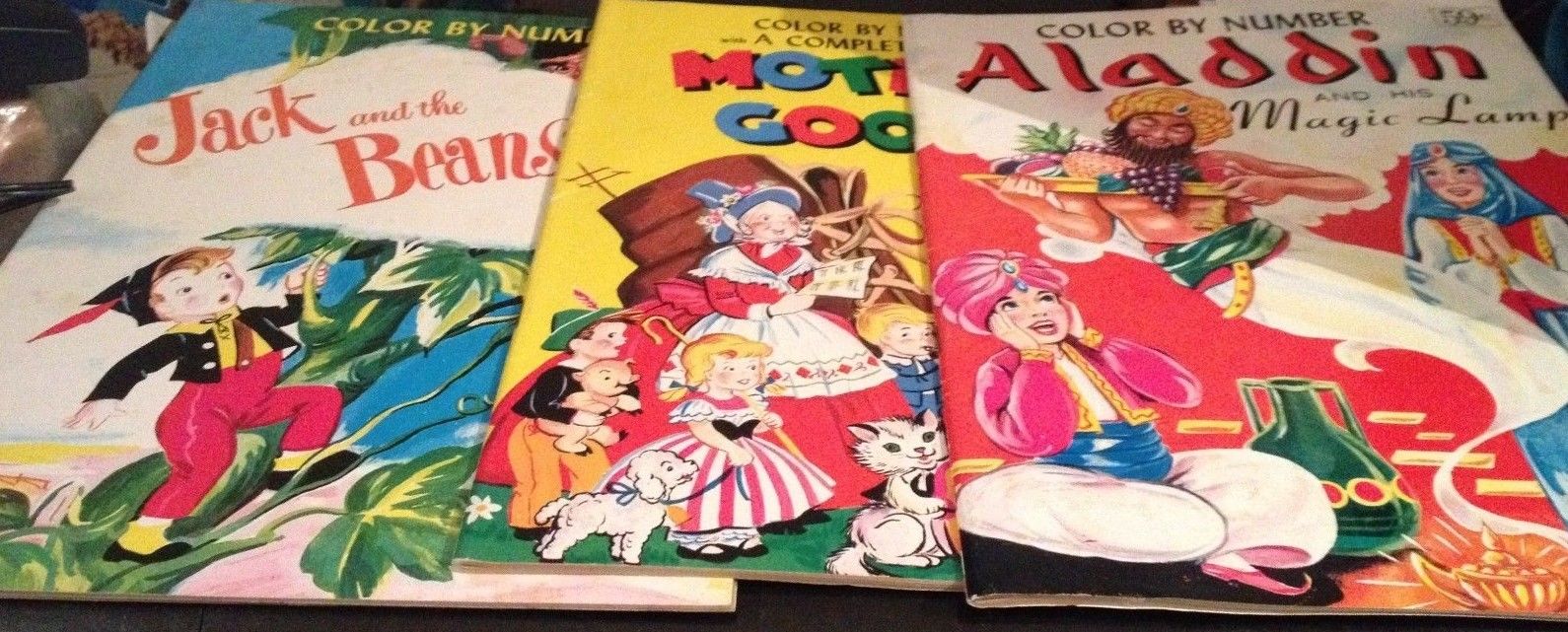
color by numberTonight my kids and I took some 40-year-old coloring books — vintage uncolored collectibles — opened a box of Crayola crayons and went to town!

Let me back up. A few weeks ago I was reminded that some of my earliest experiences of classic fairy tales came from a series of color-by-number books. Hansel and Gretel, Sleeping Beauty, Aladdin, Ali Baba and the Forty Thieves — my Nan had the whole set for my cousins and me to color in.

Vintage books and toys on eBay that catch my attention fall into roughly three categories: 1) ones I cherished as a kid and have long wanted to reclaim, 2) ones I never heard of but are so cool I can’t believe they never crossed my radar before, 3) ones I had as a kid but had completely forgotten until coming across them by accident and feeling a sudden rush of recognition and nostalgia.

Read More Read More

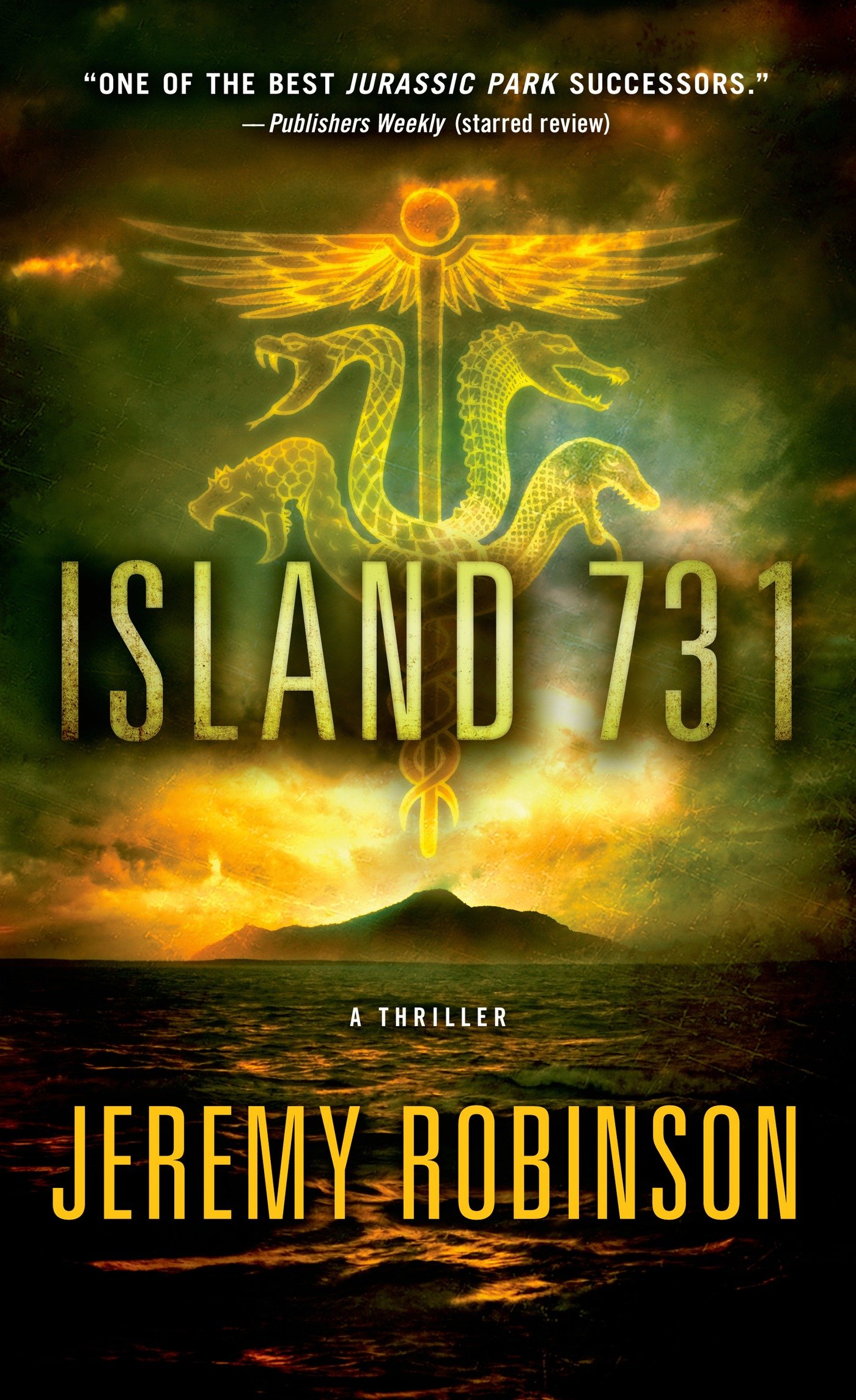
New Treasures: Island 731 by Jeremy Robinson

New Treasures: Island 731 by Jeremy Robinson

Island 731-smallTwo weeks ago, we announced the winners of our contest to suggest who should be writing the Cthulhu Mythos today. Each of the winners received a copy of the new anthology Weirder Shadows Over Innsmouth. One of the more intriguing entries came from Donald Nutting, who wrote:

Island 731 by Jeremy Robinson had me curled up in the fetal position whimpering and scared for my life; if he can do that about a kaiju, then he could do it with Cthulhu.

I had to admit I wasn’t familiar with Jeremy Robinson, but it didn’t take long to rectify that. I tracked down a copy of Island 731, released in paperback last February. I’m not sure how I missed it, because it looks right up my alley.

Mark Hawkins, former park ranger and expert tracker, is on board a research vessel on the Pacific. But his work is interrupted when the ship is plagued by a series of strange malfunctions and the crew is battered by a raging storm… The next morning, the beaten crew awakens to find themselves anchored in the protective cove of a tropical island — and no one knows how they got there. The ship has been sabotaged, two crewmen are dead, and a third is missing. Hawkins spots signs of the missing man onshore and leads a small team to bring him back. But they soon discover evidence of a brutal history left behind by the island’s former occupants: Unit 731, Japan’s ruthless World War II human experimentation program. As more of his colleagues start to disappear, Hawkins begins to realize the horrible truth: That Island 731 was never decommissioned and the person preying on his crewmates may not be a person at all — not anymore…

Jeremy Robinson is also the author of seven Jack Sigler thrillers, including the latest, Cannibal, on sale in hardcover this month. Island 731 was published in hardcover on March 26, 2013, and in paperback by St. Martin’s Press on February 25, 2014. It is 384 pages, priced at $7.99 for both the paperback and digital versions.

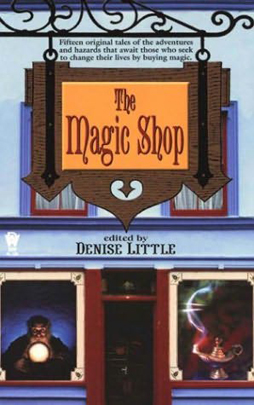
Second-hand Magic, Part II

Second-hand Magic, Part II

The Magic ShopLast week, I wrote here about the Avram Davidson–edited 1983 anthology Magic For Sale. I looked at the book’s fifteen stories, and tried to think about the nature of tales about magic stores. I thought I saw a few patterns. And then my girlfriend pointed out that she owned another anthology about magic stores: 2004’s The Magic Shop, edited by Denise Little. Having now read that book, I think it makes for an interesting contrast with Davidson’s collection.

The two anthologies have some very obvious differences. Davidson’s was published in 1983 and drew on stories from across 85 years, meaning he could select from a murderer’s row of classic sf and fantasy writers: Sturgeon, Leiber, Ellison, Yolen, Bester, Wells, Davidson himself, and many others. Little’s collection was published in 2004, and the stories were all written for that book. And you can’t help but notice that while Magic For Sale had only one woman contributor (and one female lead), 11 out of 15 writers in The Magic Shop are women.

I didn’t think there was much to choose from between the two books, on the whole, though I thought more of the humour in The Magic Shop worked. But for the moment I’m less interested in quality and more in characteristics. How did things change over time? Or did they? I thought some things are very different from book to book, some much the same, and — this was the surprising bit to me — some things only became obvious to me when I read the two books together.

Read More Read More

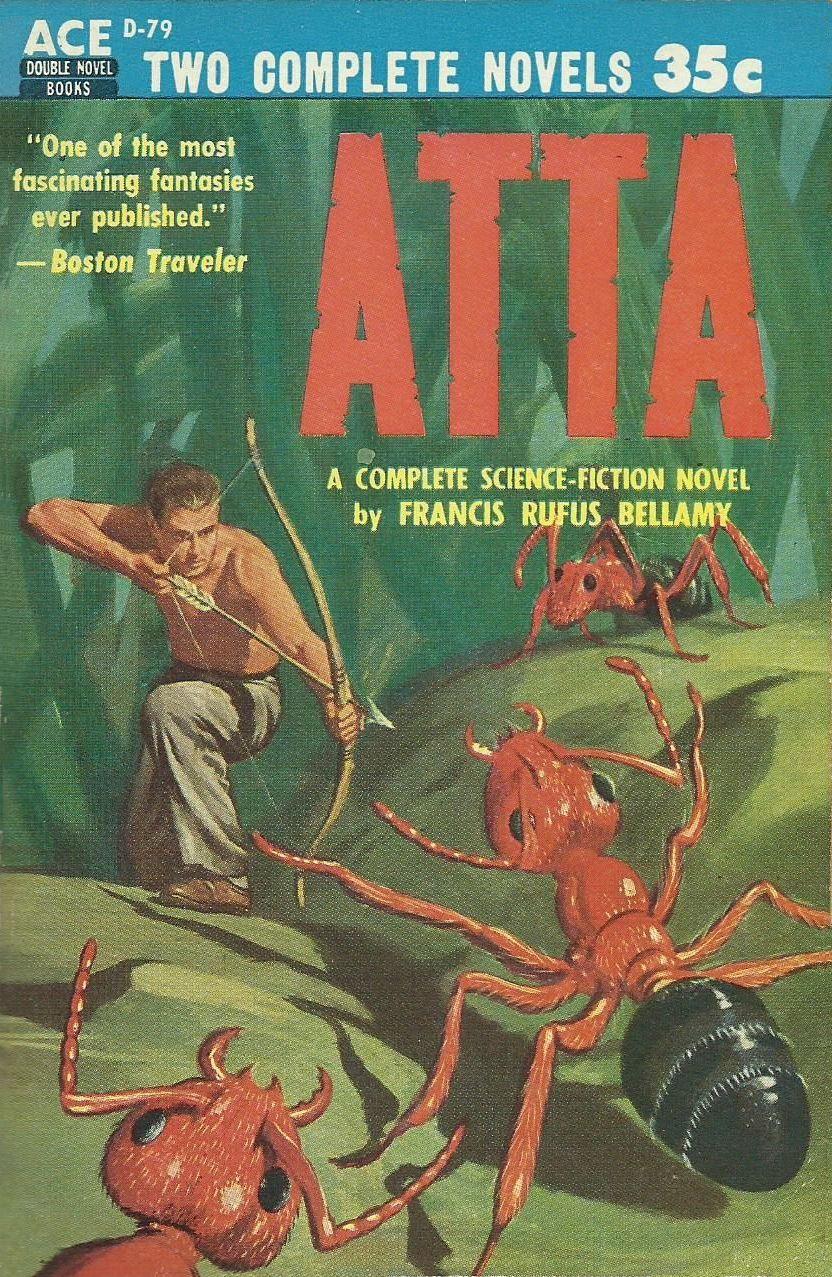
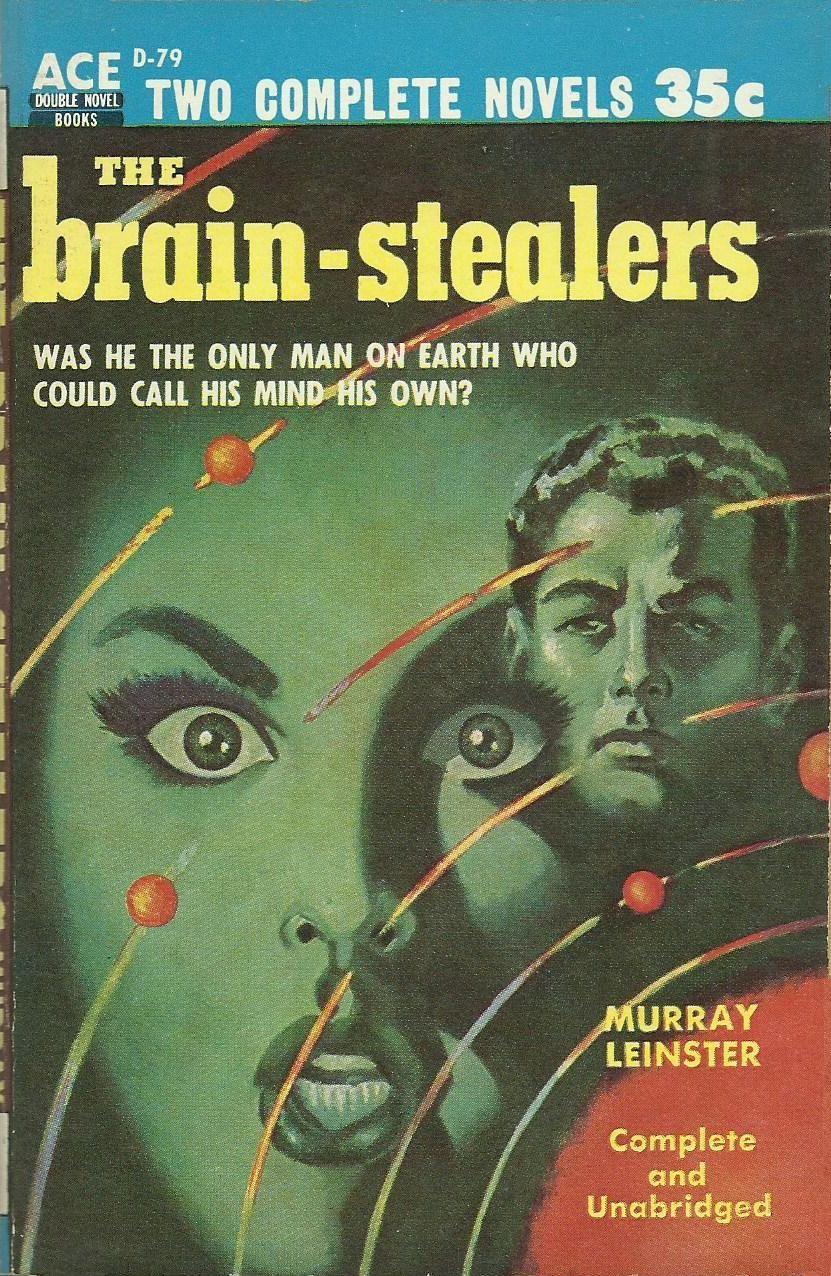
Vintage Treasures: ATTA by Francis Rufus Bellamy/ The Brain-Stealers by Murray Leinster

Vintage Treasures: ATTA by Francis Rufus Bellamy/ The Brain-Stealers by Murray Leinster

Atta Francis Bellamy-small The Brain-Stealers Leinster-small

For the past 17 months I’ve been surveying Ace Doubles here at Black Gate; this is the eighteenth in the series. Donald Wollheim, the founding editor of Ace Books and the man who created the Ace Double, had excellent taste, and he published countless successful titles that would remain in print for decades — and help launch the careers of major stars, including Philip K. Dick, Robert Silverberg, Andre Norton, and a great many others. I’ve really enjoyed tracking down later printings and presenting them in these articles as testament to just how enduring the Ace Double selections were — including books like Jack Vance’s Big Planet and Andre Norton’s The Beast Master, both of which have been reprinted more than a dozen times over the decades, with an eye-opening gallery of cover art.

And then we have ATTA and The Brain-Stealers, by Francis Rufus Bellamy and Murray Leinster, published as an Ace Double in 1954.

It’s obvious not even Don Wollheim could pick a pair of winners every time. When I started researching both books, I was fairly certain neither had ever seen another printing. That turned out to be incorrect (but not by much). At least this installment will be short.

Read More Read More