New Treasures: The Library of America Publishes Elmore Leonard
 |
 |
The Library of America has made a fine business of publishing archival quality omnibus editions of the most important novels of the 20th Century. We’ve covered several here recently, including:
A Princess of Mars and Tarzan of the Apes by Edgar Rice Burroughs
American Science Fiction: Nine Classic Novels of the 1950s, edited by Gary K. Wolfe
American Fantastic Tales: Terror and the Uncanny, edited by Peter Straub
They’ve also published omnibus editions of Kurt Vonnegut, Dashiell Hammett, Philip K. Dick, Ross Macdonald, David Goodis, F. Scott Fitzgerald, and many others. I received several review copies in the mail from Library of America recently, including one of their Elmore Leonard collections. It’s been years since I’ve read anything by Leonard, but then again, it’s been a long time since I’ve held something as enticing as these collections. If you’re looking to put together an impressive genre library, this is the place to start.
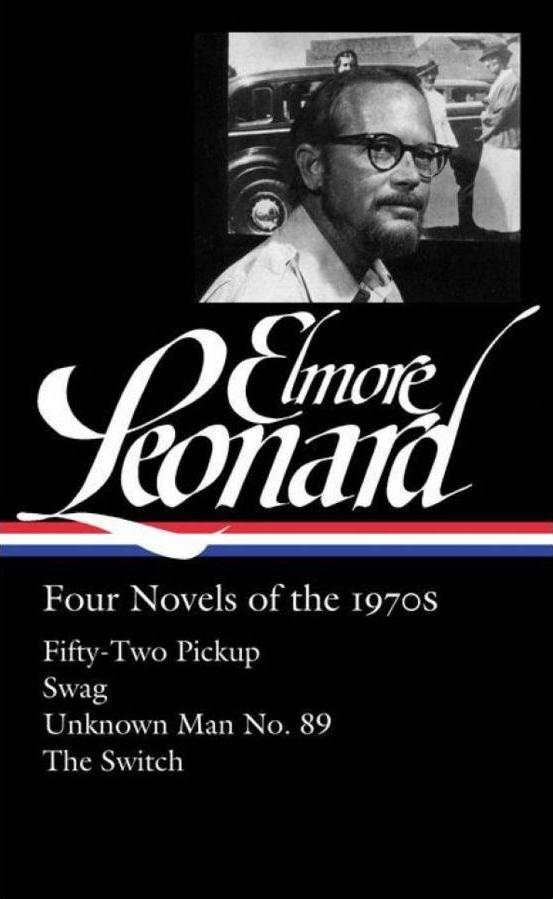
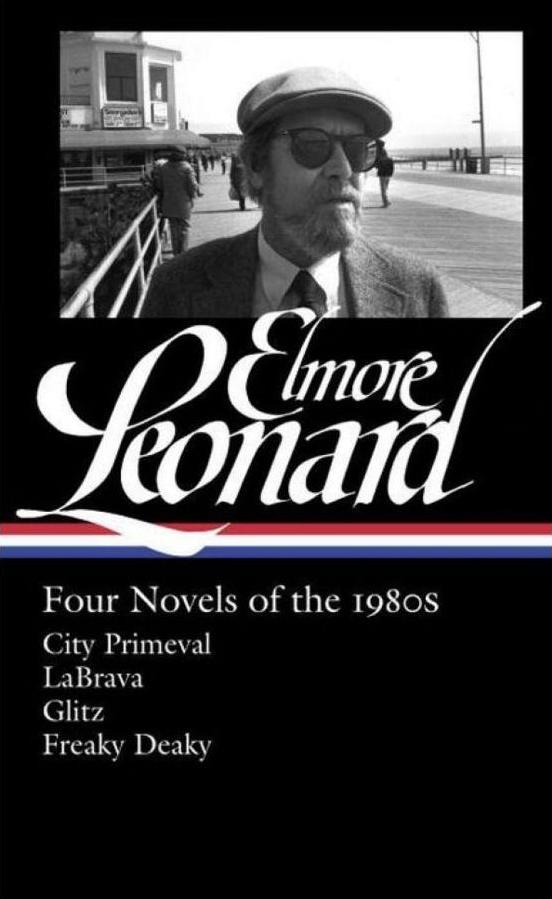
Elmore Leonard: Four Novels of the 1970s was published on August 28, 2014. It contains Fifty-Two Pickup, Swag, Unknown Man, and The Switch; it is 809 pages, priced at $35 in hardcover. Elmore Leonard: Four Novels of the 1980s was published on September 1, 2015. It contains City Primeval, LaBrava, Glitz, and Freaky Deaky; it is 1024 pages, priced at $37.50 in hardcover. There are no digital editions.